223 kr
Läs direkt efter köp
223 kr
Läs direkt efter köp
186 kr
Skickas inom 5-8 vardagar
1 099 kr
Läs direkt efter köp
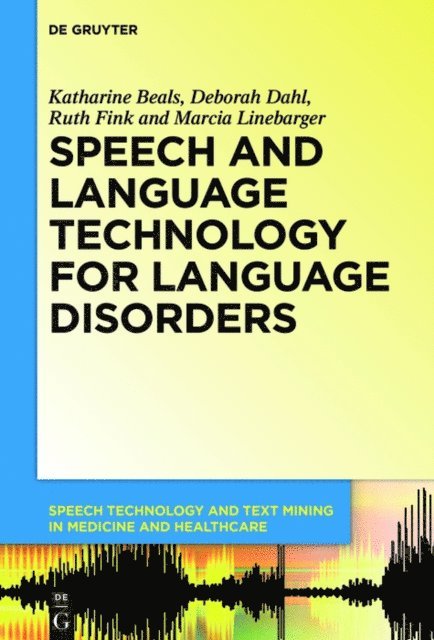
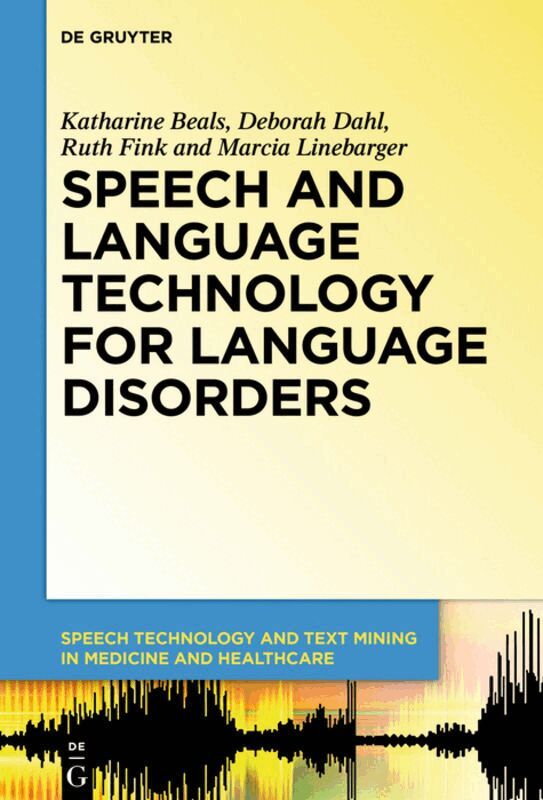
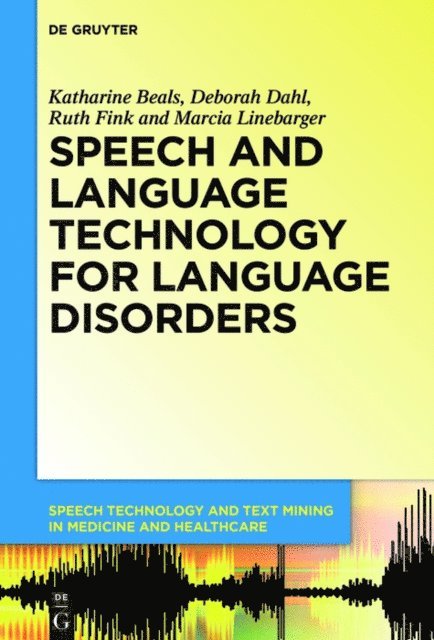
This book draws on the recent remarkable advances in speech and language processing: advances that have moved speech technology beyond basic applications such as medical dictation and telephone self-service to increasingly sophisticated and clinically significant applications aimed at complex speech and language disorders. The book provides an introduction to the basic elements of speech and natural language processing technology, and illustrates their clinical potential by reviewing speech technology software currently in use for disorders such as autism and aphasia. The discussion is informed by the authors'' own experiences in developing and investigating speech technology applications for these populations. Topics include detailed examples of speech and language technologies in both remediative and assistive applications, overviews of a number of current applications, and a checklist of criteria for selecting the most appropriate applications for particular user needs.
This book will be of benefit to four audiences: application developers who are looking to apply these technologies; clinicians who are looking for software that may be of value to their clients; students of speech-language pathology and application development; and finally, people with speech and language disorders and their friends and family members.
1 091 kr
Skickas inom 5-8 vardagar
1 099 kr
Läs direkt efter köp
This book draws on the recent remarkable advances in speech and language processing: advances that have moved speech technology beyond basic applications such as medical dictation and telephone self-service to increasingly sophisticated and clinically significant applications aimed at complex speech and language disorders. The book provides an introduction to the basic elements of speech and natural language processing technology, and illustrates their clinical potential by reviewing speech technology software currently in use for disorders such as autism and aphasia. The discussion is informed by the authors'' own experiences in developing and investigating speech technology applications for these populations. Topics include detailed examples of speech and language technologies in both remediative and assistive applications, overviews of a number of current applications, and a checklist of criteria for selecting the most appropriate applications for particular user needs.
This book will be of benefit to four audiences: application developers who are looking to apply these technologies; clinicians who are looking for software that may be of value to their clients; students of speech-language pathology and application development; and finally, people with speech and language disorders and their friends and family members.
236 kr
Skickas inom 5-8 vardagar
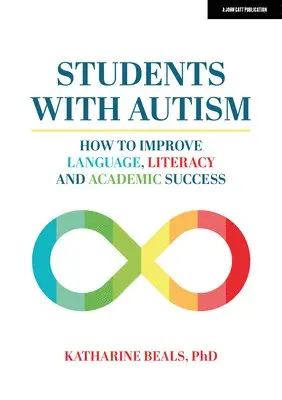
Beals describes the root causes of the language and learning challenges in autism, their various academic consequences, and a variety of tools and strategies for addressing them. Drawing on what the most current evidence shows about the nature of autism and which therapies are most successful, the book discusses the implications for autism-friendly instruction in academic subjects, noting the ways in which today's classrooms come up short, and suggesting various adjustments that teachers can make.Instead of focusing on social and behavioral issues, general accommodations, and general ways to address learning difficulties, Beals zeros in on academics, on accommodations within specific academic subjects, and on techniques that target autism-specific deficits, situating the issue of educational access within the broader context of disability rights, neurodiversity, and debates about what disability rights and neurodiversity should encompass.Complete acceptance of individuals on the autism spectrum must include complete educational access. This means rethinking assumptions about autistic students, about how we teach expressive language, about how we teach reading comprehension, and about what and how we teach in the many K-12 classrooms attended by autistic students.
223 kr
Läs direkt efter köp
186 kr
Skickas inom 5-8 vardagar
1 099 kr
Läs direkt efter köp
This book draws on the recent remarkable advances in speech and language processing: advances that have moved speech technology beyond basic applications such as medical dictation and telephone self-service to increasingly sophisticated and clinically significant applications aimed at complex speech and language disorders. The book provides an introduction to the basic elements of speech and natural language processing technology, and illustrates their clinical potential by reviewing speech technology software currently in use for disorders such as autism and aphasia. The discussion is informed by the authors'' own experiences in developing and investigating speech technology applications for these populations. Topics include detailed examples of speech and language technologies in both remediative and assistive applications, overviews of a number of current applications, and a checklist of criteria for selecting the most appropriate applications for particular user needs.
This book will be of benefit to four audiences: application developers who are looking to apply these technologies; clinicians who are looking for software that may be of value to their clients; students of speech-language pathology and application development; and finally, people with speech and language disorders and their friends and family members.
1 091 kr
Skickas inom 5-8 vardagar
1 099 kr
Läs direkt efter köp
This book draws on the recent remarkable advances in speech and language processing: advances that have moved speech technology beyond basic applications such as medical dictation and telephone self-service to increasingly sophisticated and clinically significant applications aimed at complex speech and language disorders. The book provides an introduction to the basic elements of speech and natural language processing technology, and illustrates their clinical potential by reviewing speech technology software currently in use for disorders such as autism and aphasia. The discussion is informed by the authors'' own experiences in developing and investigating speech technology applications for these populations. Topics include detailed examples of speech and language technologies in both remediative and assistive applications, overviews of a number of current applications, and a checklist of criteria for selecting the most appropriate applications for particular user needs.
This book will be of benefit to four audiences: application developers who are looking to apply these technologies; clinicians who are looking for software that may be of value to their clients; students of speech-language pathology and application development; and finally, people with speech and language disorders and their friends and family members.
236 kr
Skickas inom 5-8 vardagar
Beals describes the root causes of the language and learning challenges in autism, their various academic consequences, and a variety of tools and strategies for addressing them. Drawing on what the most current evidence shows about the nature of autism and which therapies are most successful, the book discusses the implications for autism-friendly instruction in academic subjects, noting the ways in which today's classrooms come up short, and suggesting various adjustments that teachers can make.Instead of focusing on social and behavioral issues, general accommodations, and general ways to address learning difficulties, Beals zeros in on academics, on accommodations within specific academic subjects, and on techniques that target autism-specific deficits, situating the issue of educational access within the broader context of disability rights, neurodiversity, and debates about what disability rights and neurodiversity should encompass.Complete acceptance of individuals on the autism spectrum must include complete educational access. This means rethinking assumptions about autistic students, about how we teach expressive language, about how we teach reading comprehension, and about what and how we teach in the many K-12 classrooms attended by autistic students.