Katja de Vries – författare
Visar alla böcker från författaren Katja de Vries. Handla med fri frakt och snabb leverans.
5 produkter
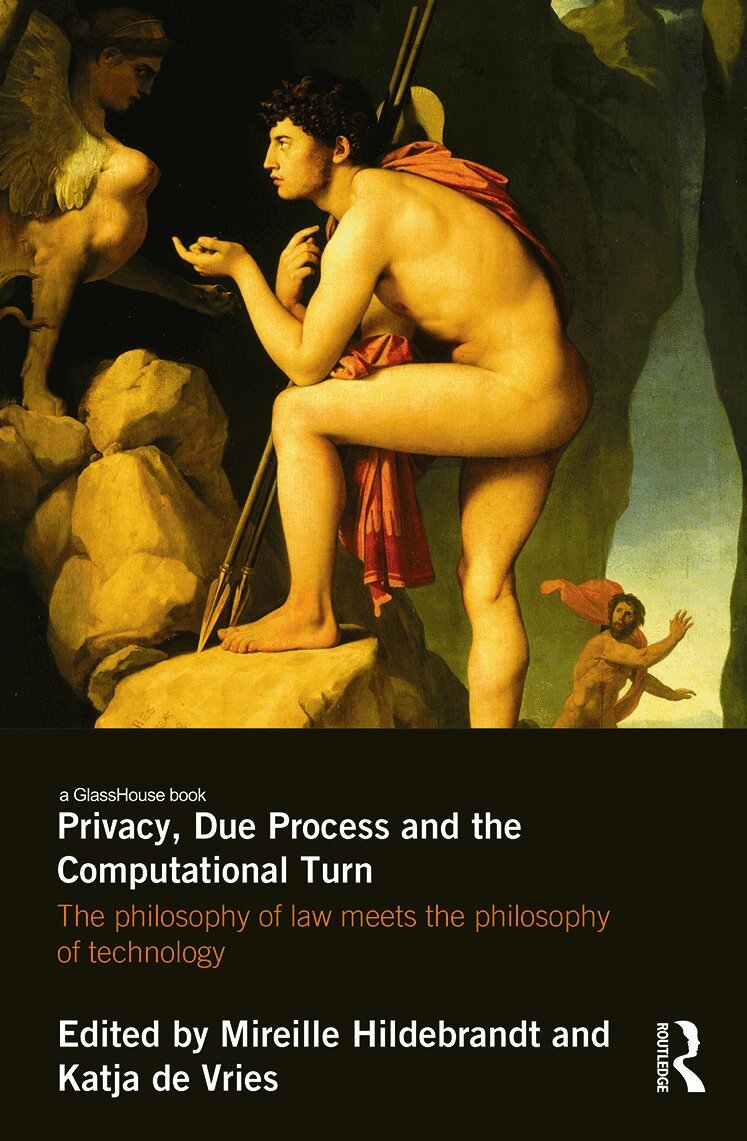
Privacy, Due Process and the Computational Turn
The Philosophy of Law Meets the Philosophy of Technology
Av Mireille Hildebrandt, Katja de Vries
Inbunden, 2013
2312 kr
Lägg i varukorg
Privacy, Due process and the Computational Turn: The Philosophy of Law Meets the Philosophy of Technology engages with the rapidly developing computational aspects of our world including data mining, behavioural advertising, iGovernment, profiling for intelligence, customer relationship management, …
Privacy, Due Process and the Computational Turn
The Philosophy of Law Meets the Philosophy of Technology
Av Mireille Hildebrandt, Katja de Vries
Häftad, 2015
838 kr
Lägg i varukorg
Privacy, Due process and the Computational Turn: The Philosophy of Law Meets the Philosophy of Technology engages with the rapidly developing computational aspects of our world including data mining, behavioural advertising, iGovernment, profiling for intelligence, customer relationship management, …
Privacy, Due Process and the Computational Turn
The Philosophy of Law Meets the Philosophy of Technology
Av Katja de Vries, Mireille Hildebrandt
E-bok, 2013
988 kr
Lägg i varukorg
Privacy, Due process and the Computational Turn: The Philosophy of Law Meets the Philosophy of Technology engages with the rapidly developing computational aspects of our world including data mining, behavioural advertising, iGovernment, profiling for intelligence, customer relationship management, …
Privacy, Due Process and the Computational Turn
The Philosophy of Law Meets the Philosophy of Technology
Av Katja de Vries, Mireille Hildebrandt
E-bok, 2013
988 kr
Lägg i varukorg
Privacy, Due process and the Computational Turn: The Philosophy of Law Meets the Philosophy of Technology engages with the rapidly developing computational aspects of our world including data mining, behavioural advertising, iGovernment, profiling for intelligence, customer relationship management, …
Law and Computing
Conversations with the Work of Mireille Hildebrandt
Av Emilie van den Hoven, Katja de Vries m. fl.
Inbunden, 2027
1327 kr
Kommande
In a world that is rapidly becoming ever-more computable and computed, Professor Mireille Hildebrandt has dedicated the latter part of her prolific career to examining the (in)computabilities of life and the law. In this edited volume, the conversation on the compatibility of the digital and the …