Mireille Hildebrandt – författare
Visar alla böcker från författaren Mireille Hildebrandt. Handla med fri frakt och snabb leverans.
25 produkter
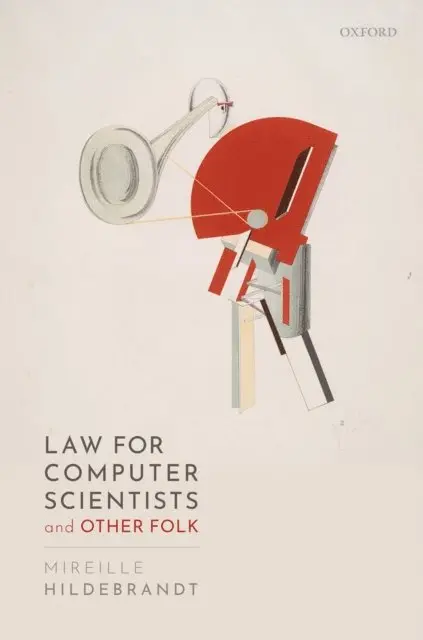
Law for Computer Scientists and Other Folk
E-bok, 2020
51 kr
Lägg i varukorg
This is the first textbook introducing law to computer scientists. The book covers privacy and data protection law, cybercrime, intellectual property, private law liability and legal personhood and legal agency, next to introductions to private law, public law, criminal law and international and …
Law for Computer Scientists and Other Folk
Inbunden, 2020
1548 kr
Lägg i varukorg
This is the first textbook introducing law to computer scientists. The book covers privacy and data protection law, cybercrime, intellectual property, private law liability and legal personhood and legal agency, next to introductions to private law, public law, criminal law and international and …
Law for Computer Scientists and Other Folk
Häftad, 2020
639 kr
Lägg i varukorg
This is the first textbook introducing law to computer scientists. The book covers privacy and data protection law, cybercrime, intellectual property, private law liability and legal personhood and legal agency, next to introductions to private law, public law, criminal law and international and …
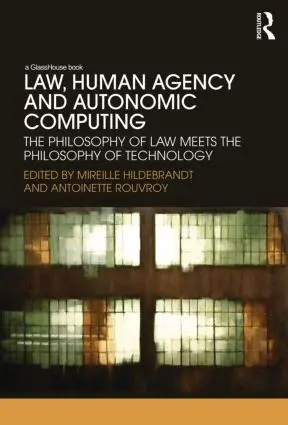
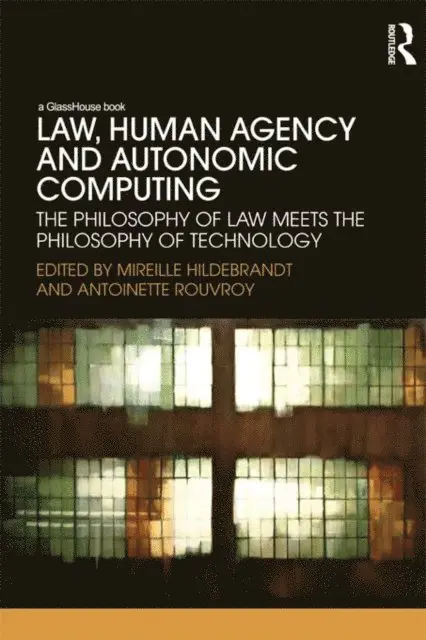
Law, Human Agency and Autonomic Computing
The Philosophy of Law Meets the Philosophy of Technology
Av Mireille Hildebrandt, Antoinette Rouvroy
Inbunden, 2011
2314 kr
Lägg i varukorg
Law, Human Agency and Autonomic Computing interrogates the legal implications of the notion and experience of human agency implied by the emerging paradigm of autonomic computing, and the socio-technical infrastructures it supports. The development of autonomic computing and ambient intelligence – …
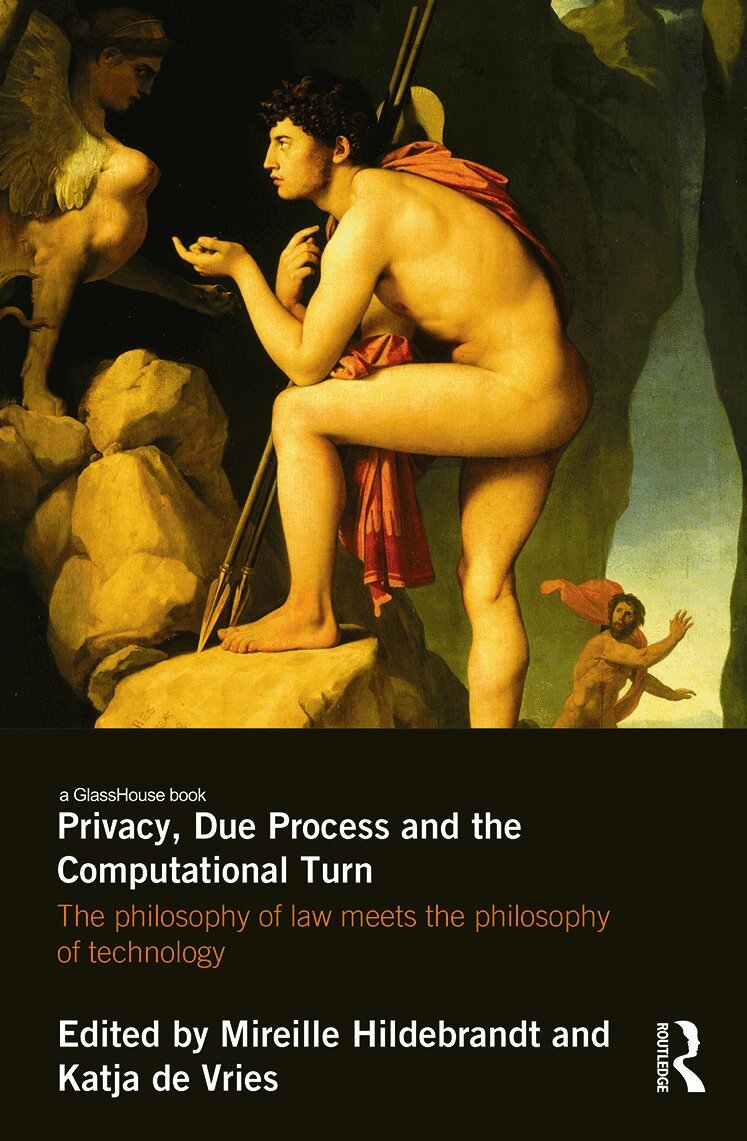
Privacy, Due Process and the Computational Turn
The Philosophy of Law Meets the Philosophy of Technology
Av Mireille Hildebrandt, Katja de Vries
Inbunden, 2013
2314 kr
Lägg i varukorg
Privacy, Due process and the Computational Turn: The Philosophy of Law Meets the Philosophy of Technology engages with the rapidly developing computational aspects of our world including data mining, behavioural advertising, iGovernment, profiling for intelligence, customer relationship management, …
Law, Human Agency and Autonomic Computing
The Philosophy of Law Meets the Philosophy of Technology
Av Mireille Hildebrandt, Antoinette Rouvroy
Häftad, 2013
785 kr
Lägg i varukorg
Law, Human Agency and Autonomic Computing interrogates the legal implications of the notion and experience of human agency implied by the emerging paradigm of autonomic computing, and the socio-technical infrastructures it supports. The development of autonomic computing and ambient intelligence – …
Privacy, Due Process and the Computational Turn
The Philosophy of Law Meets the Philosophy of Technology
Av Mireille Hildebrandt, Katja de Vries
Häftad, 2015
838 kr
Lägg i varukorg
Privacy, Due process and the Computational Turn: The Philosophy of Law Meets the Philosophy of Technology engages with the rapidly developing computational aspects of our world including data mining, behavioural advertising, iGovernment, profiling for intelligence, customer relationship management, …
Privacy, Due Process and the Computational Turn
The Philosophy of Law Meets the Philosophy of Technology
Av Katja de Vries, Mireille Hildebrandt
E-bok, 2013
988 kr
Lägg i varukorg
Privacy, Due process and the Computational Turn: The Philosophy of Law Meets the Philosophy of Technology engages with the rapidly developing computational aspects of our world including data mining, behavioural advertising, iGovernment, profiling for intelligence, customer relationship management, …
Law, Human Agency and Autonomic Computing
The Philosophy of Law Meets the Philosophy of Technology
Av Antoinette Rouvroy, Mireille Hildebrandt
E-bok, 2011
904 kr
Lägg i varukorg
Law, Human Agency and Autonomic Computing interrogates the legal implications of the notion and experience of human agency implied by the emerging paradigm of autonomic computing, and the socio-technical infrastructures it supports. The development of autonomic computing and ambient intelligence – …
Law, Human Agency and Autonomic Computing
The Philosophy of Law Meets the Philosophy of Technology
Av Antoinette Rouvroy, Mireille Hildebrandt
E-bok, 2011
924 kr
Lägg i varukorg
Law, Human Agency and Autonomic Computing interrogates the legal implications of the notion and experience of human agency implied by the emerging paradigm of autonomic computing, and the socio-technical infrastructures it supports. The development of autonomic computing and ambient intelligence – …
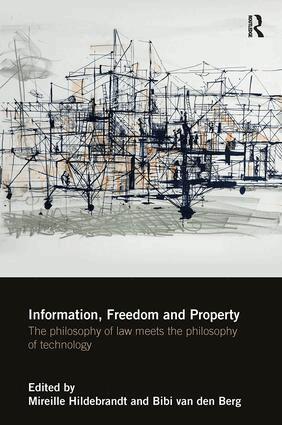
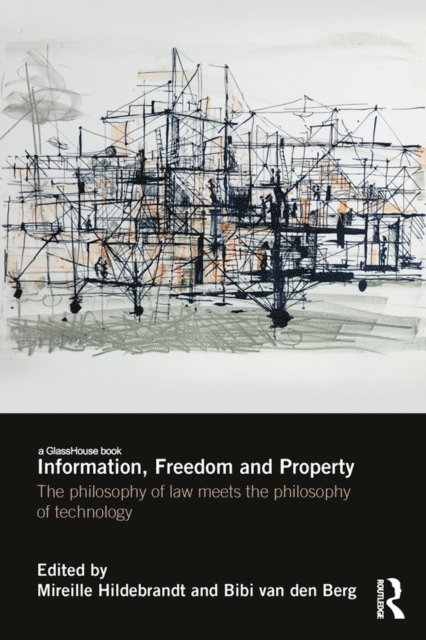
Information, Freedom and Property
The Philosophy of Law Meets the Philosophy of Technology
Av Mireille Hildebrandt, Bibi van den Berg
Häftad, 2018
758 kr
Lägg i varukorg
This book addresses issues on the nexus of freedom of and property in information, while acknowledging that both hiding and exposing information may affect our privacy. It inquires into the physics, the technologies, the business models, the governmental strategies and last but not least the legal …
Information, Freedom and Property
The Philosophy of Law Meets the Philosophy of Technology
Av Mireille Hildebrandt, Bibi van den Berg
Inbunden, 2016
2314 kr
Lägg i varukorg
This book addresses issues on the nexus of freedom of and property in information, while acknowledging that both hiding and exposing information may affect our privacy. It inquires into the physics, the technologies, the business models, the governmental strategies and last but not least the legal …
Information, Freedom and Property
The Philosophy of Law Meets the Philosophy of Technology
Av Bibi van den Berg, Mireille Hildebrandt
E-bok, 2016
892 kr
Lägg i varukorg
This book addresses issues on the nexus of freedom of and property in information, while acknowledging that both hiding and exposing information may affect our privacy. It inquires into the physics, the technologies, the business models, the governmental strategies and last but not least the legal …
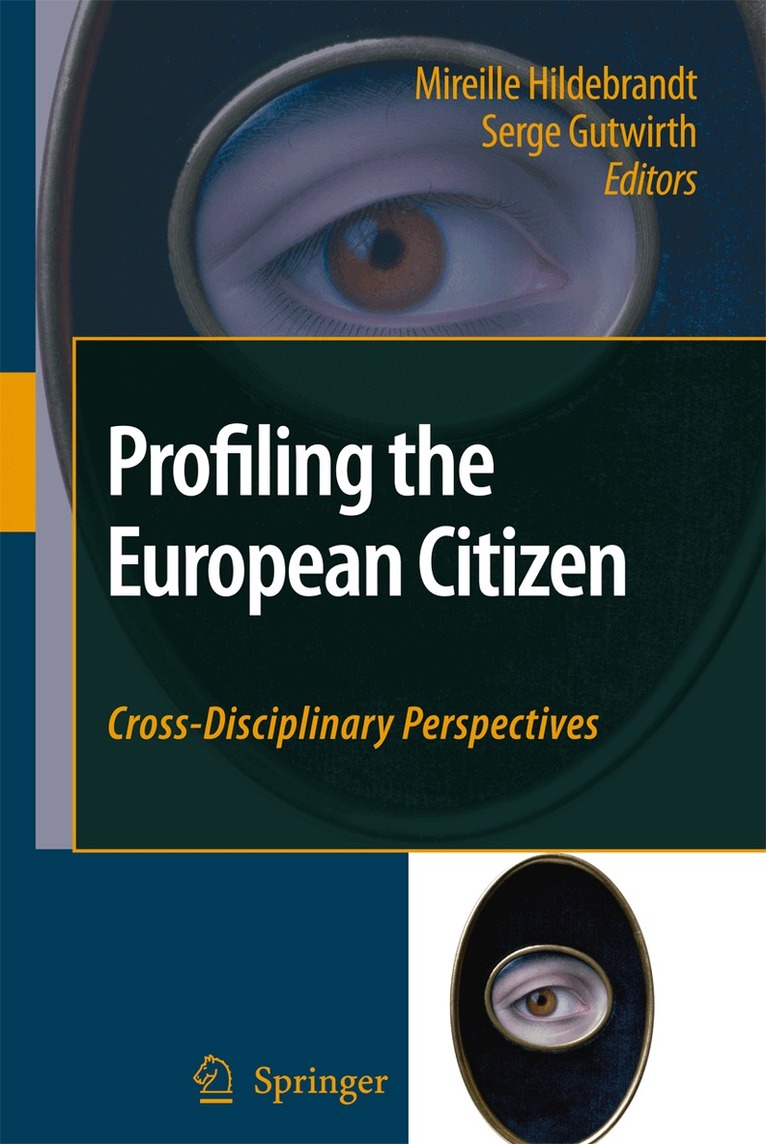
Profiling the European Citizen
Cross-Disciplinary Perspectives
Av Mireille Hildebrandt, Serge Gutwirth
Inbunden, 2008
660 kr
Lägg i varukorg
In the eyes of many, one of the most challenging problems of the information society is that we are faced with an ever expanding mass of information. Selection of the relevant bits of information seems to become more important than the retrieval of data as such: the information is all out there, …
Profiling the European Citizen
Cross-Disciplinary Perspectives
Av Serge Gutwirth, Mireille Hildebrandt
E-bok, 2008
806 kr
Lägg i varukorg
In the eyes of many, one of the most challenging problems of the information society is that we are faced with an ever expanding mass of information. Selection of the relevant bits of information seems to become more important than the retrieval of data as such: the information is all out there, …
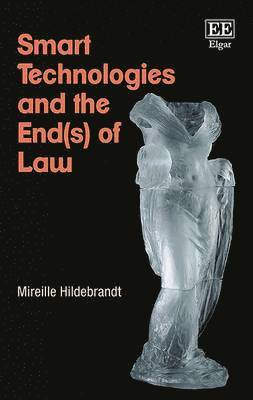
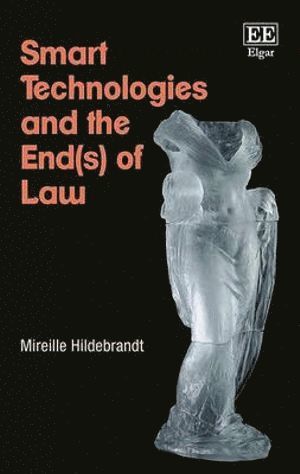
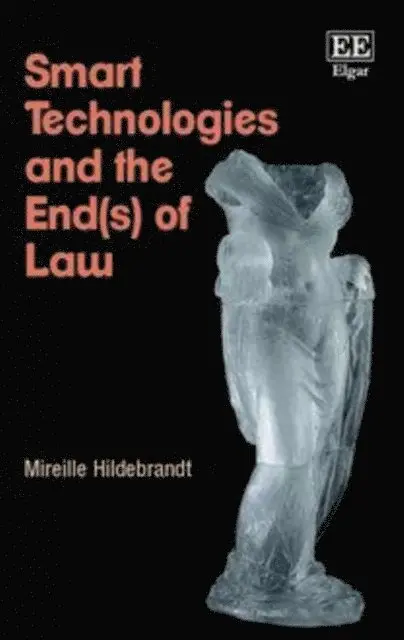
Smart Technologies and the End(s) of Law
Novel Entanglements of Law and Technology
Häftad, 2016
464 kr
Lägg i varukorg
This timely book tells the story of the smart technologies that reconstruct our world, by provoking their most salient functionality: the prediction and preemption of our day-to-day activities, preferences, health and credit risks, criminal intent and spending capacity.Mireille Hildebrandt claims …
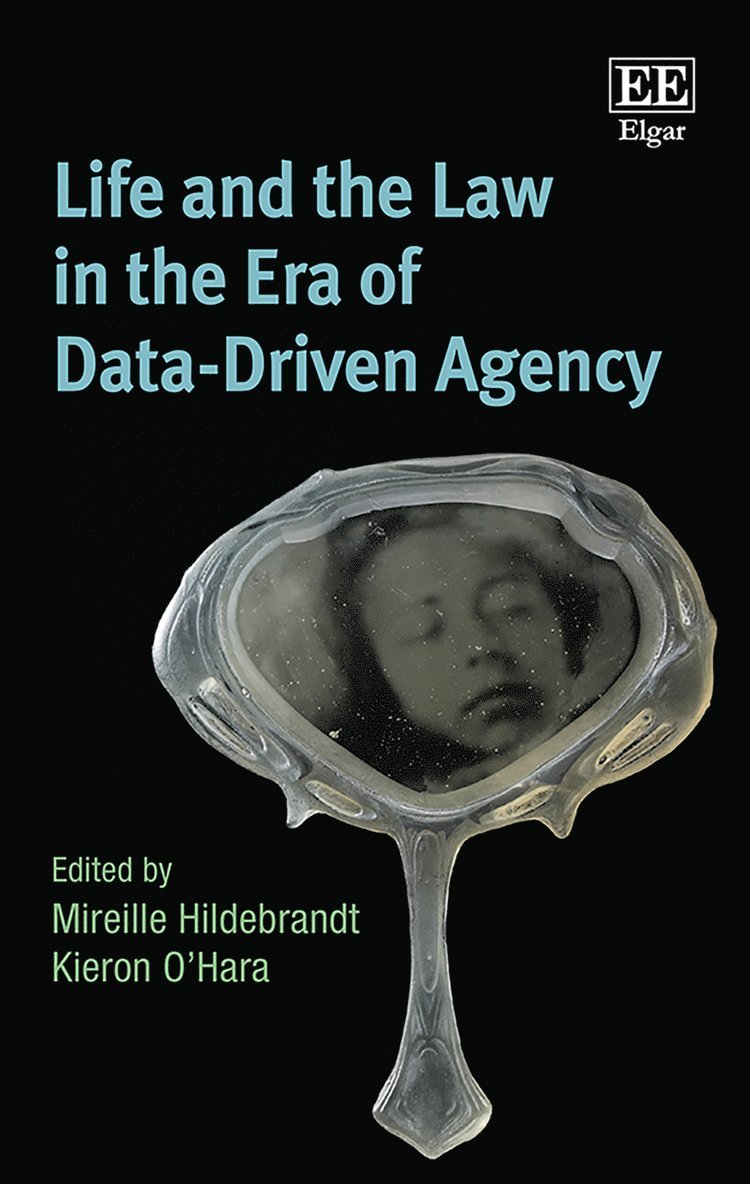
Life and the Law in the Era of Data-Driven Agency
Av Mireille Hildebrandt, Kieron O’Hara
Inbunden, 2020
1847 kr
Lägg i varukorg
This ground-breaking and timely book explores how big data, artificial intelligence and algorithms are creating new types of agency, and the impact that this is having on our lives and the rule of law. Addressing the issues in a thoughtful, cross-disciplinary manner, the authors examine the ways in …
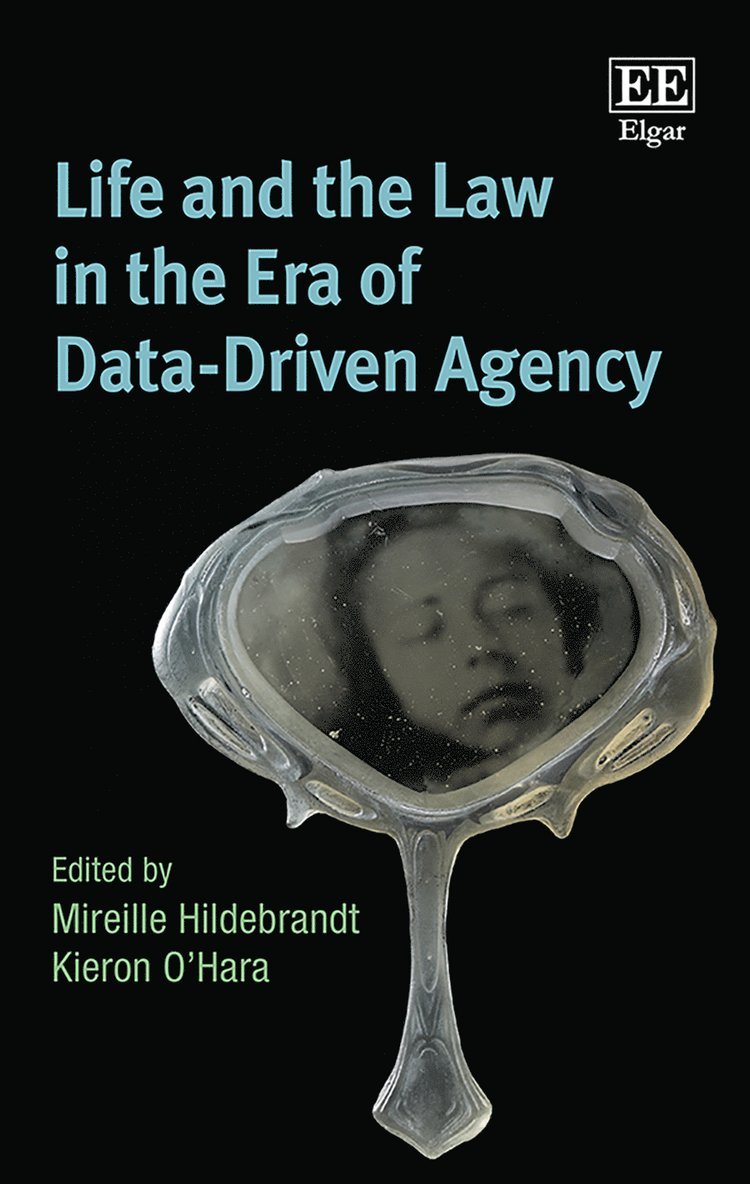
Life and the Law in the Era of Data-Driven Agency
Av Kieron O'Hara, Mireille Hildebrandt
E-bok, 2020
473 kr
Lägg i varukorg
This ground-breaking and timely book explores how big data, artificial intelligence and algorithms are creating new types of agency, and the impact that this is having on our lives and the rule of law. Addressing the issues in a thoughtful, cross-disciplinary manner, the authors examine the ways in …
Life and the Law in the Era of Data-Driven Agency
Av Mireille Hildebrandt, Kieron O’Hara
Häftad, 2021
492 kr
Lägg i varukorg
This ground-breaking and timely book explores how big data, artificial intelligence and algorithms are creating new types of agency, and the impact that this is having on our lives and the rule of law. Addressing the issues in a thoughtful, cross-disciplinary manner, the authors examine the ways in …
Smart Technologies and the End(s) of Law
Novel Entanglements of Law and Technology
Inbunden, 2015
1847 kr
Lägg i varukorg
This timely book tells the story of the smart technologies that reconstruct our world, by provoking their most salient functionality: the prediction and preemption of our day-to-day activities, preferences, health and credit risks, criminal intent and spending capacity.Mireille Hildebrandt claims …
Smart Technologies and the End(s) of Law
Novel Entanglements of Law and Technology
E-bok, 2015
25 kr
Lägg i varukorg
This timely book tells the story of the smart technologies that reconstruct our world, by provoking their most salient functionality: the prediction and preemption of our day-to-day activities, preferences, health and credit risks, criminal intent and spending capacity. Mireille Hildebrandt claims …
Profiling the European Citizen
Cross-Disciplinary Perspectives
Av Mireille Hildebrandt, Serge Gutwirth
Häftad, 2010
680 kr
Lägg i varukorg
In the eyes of many, one of the most challenging problems of the information society is that we are faced with an ever expanding mass of information. Selection of the relevant bits of information seems to become more important than the retrieval of data as such: the information is all out there, …
Human Law and Computer Law: Comparative Perspectives
Av Mireille Hildebrandt, Jeanne Gaakeer
Inbunden, 2013
1008 kr
Lägg i varukorg
The focus of this book is on the epistemological and hermeneutic implications of data science and artificial intelligence for democracy and the Rule of Law. How do the normative effects of automated decision systems or the interventions of robotic fellow ‘beings’ compare to the legal effect of …
Human Law and Computer Law: Comparative Perspectives
Av Jeanne Gaakeer, Mireille Hildebrandt
E-bok, 2013
1342 kr
Lägg i varukorg
The focus of this book is on the epistemological and hermeneutic implications of data science and artificial intelligence for democracy and the Rule of Law. How do the normative effects of automated decision systems or the interventions of robotic fellow ‘beings’ compare to the legal effect of …
Human Law and Computer Law: Comparative Perspectives
Av Mireille Hildebrandt, Jeanne Gaakeer
Häftad, 2015
1008 kr
Lägg i varukorg
The focus of this book is on the epistemological and hermeneutic implications of data science and artificial intelligence for democracy and the Rule of Law. How do the normative effects of automated decision systems or the interventions of robotic fellow ‘beings’ compare to the legal effect of …