Katsuya Hirano - Böcker
Visar alla böcker från författaren Katsuya Hirano. Handla med fri frakt och snabb leverans.
4 produkter
4 produkter
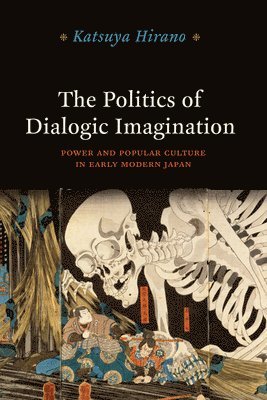
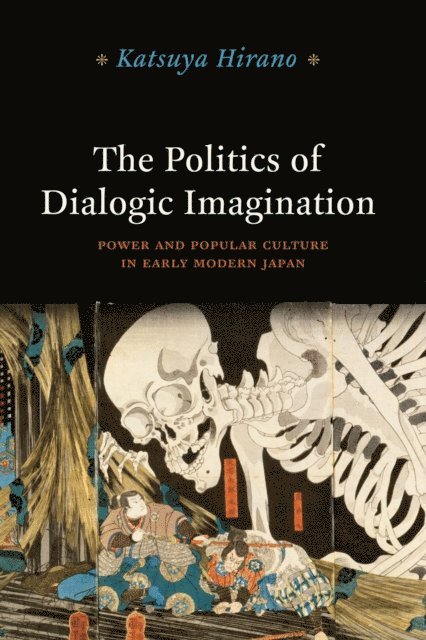
Politics of Dialogic Imagination
Power and Popular Culture in Early Modern Japan
Häftad, Engelska, 2013
260 kr
Skickas inom 7-10 vardagar
In The Politics of Dialogic Imagination, Katsuya Hirano seeks to understand why, with its seemingly unrivaled power, the Tokugawa shogunate of early modern Japan tried so hard to regulate the ostensibly unimportant popular culture of Edo (present-day Tokyo) - including fashion, leisure activities, prints, and theater. He does so by examining the works of writers and artists who depicted and celebrated the culture of play and pleasure associated with Edo's street entertainers, vagrants, actors, and prostitutes, whom Tokugawa authorities condemned as detrimental to public mores, social order, and political economy. Hirano uncovers a logic of politics within Edo's cultural works that was extremely potent in exposing contradictions between the formal structure of the Tokugawa world and its rapidly changing realities. He goes on to look at the effects of this logic, examining policies enacted during the next era - the Meiji period - that mark a drastic reconfiguration of power and a new politics toward ordinary people under modernizing Japan.Deftly navigating Japan's history and culture, The Politics of Dialogic Imagination provides a sophisticated account of a country in the process of radical transformation - and of the intensely creative culture that came out of it.
754 kr
Skickas inom 7-10 vardagar
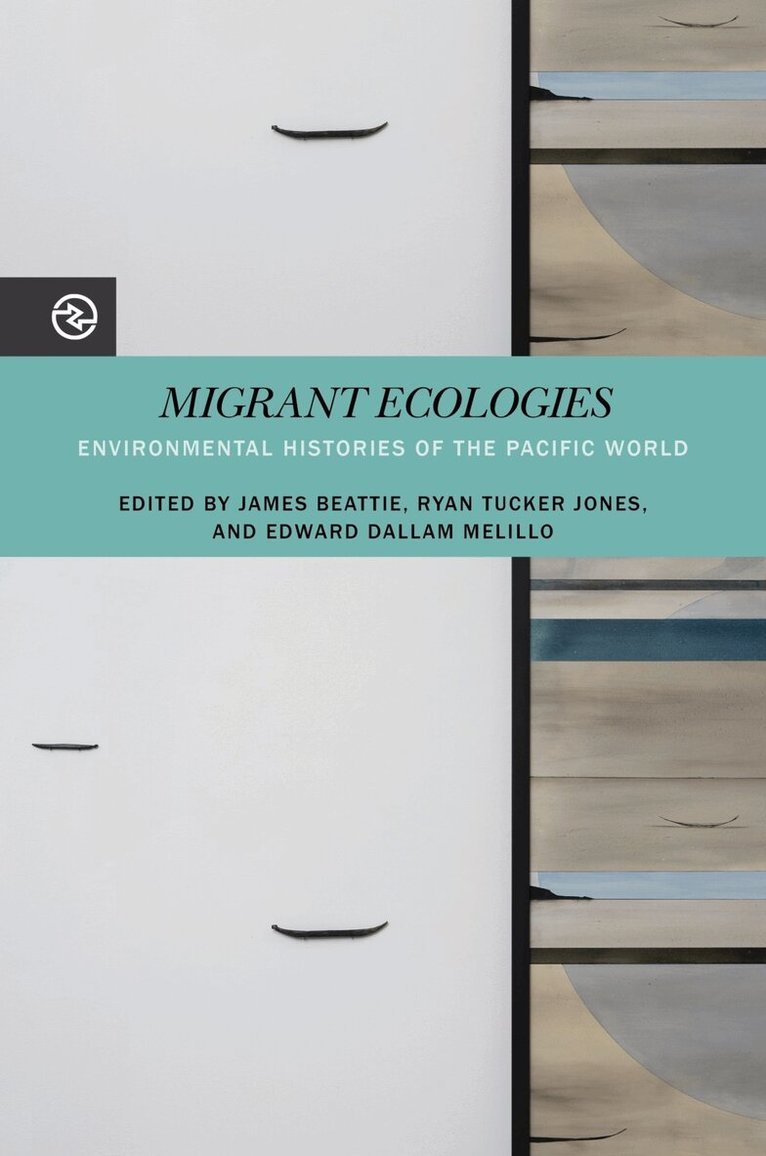
Migrant Ecologies: Environmental Histories of the Pacific World is the first volume explicitly dedicated to the environmental history of Earth’s largest ocean. Covering nearly one-third of the planet, the Pacific Ocean is remarkable for its diverse human and non-human inhabitants, their astounding long-distance migrations over time, and their profound influences on other parts of the world. This book creates an understanding of the past, present, and futures of the lands, seas, peoples, practices, microbes, animals, plants, and other natural forces that shape the Pacific. It effectively argues for the existence of an interconnected Pacific World environmental history, as well as for the Pacific Ocean as a necessary framework for understanding that history.The fifteen chapters in this comprehensive collection, written by leading experts from across the globe, span a vast array of topics, from disease ecology and coffee cultivation to nuclear testing and whaling practices. They explore regions stretching from the Tuamotu Archipelago in the south Pacific to the Kamchatka Peninsula in the far north, resisting the depiction of the Pacific as isolated and uninhabited. What unites these diverse contributions is a concern for how the people, places, and non-human beings of the Pacific World have been shaped by, and have in turn modified, their oceanic realm. Building on a recent renaissance in Pacific history, these chapters make a powerful argument for the importance of the Pacific World as a coherent unit of analysis and a valuable lens through which to examine past, ongoing, and emerging environmental issues. By showcasing surprising and innovative perspectives on the environmental histories of the peoples and ecosystems in and around the Pacific Ocean, this work adds to current conversations and debates about the Pacific World and offers myriad opportunities for further discussions, both inside and outside of the classroom.
292 kr
Skickas inom 7-10 vardagar
Migrant Ecologies: Environmental Histories of the Pacific World is the first volume explicitly dedicated to the environmental history of Earth’s largest ocean. Covering nearly one-third of the planet, the Pacific Ocean is remarkable for its diverse human and non-human inhabitants, their astounding long-distance migrations over time, and their profound influences on other parts of the world. This book creates an understanding of the past, present, and futures of the lands, seas, peoples, practices, microbes, animals, plants, and other natural forces that shape the Pacific. It effectively argues for the existence of an interconnected Pacific World environmental history, as well as for the Pacific Ocean as a necessary framework for understanding that history.The fifteen chapters in this comprehensive collection, written by leading experts from across the globe, span a vast array of topics, from disease ecology and coffee cultivation to nuclear testing and whaling practices. They explore regions stretching from the Tuamotu Archipelago in the south Pacific to the Kamchatka Peninsula in the far north, resisting the depiction of the Pacific as isolated and uninhabited. What unites these diverse contributions is a concern for how the people, places, and non-human beings of the Pacific World have been shaped by, and have in turn modified, their oceanic realm. Building on a recent renaissance in Pacific history, these chapters make a powerful argument for the importance of the Pacific World as a coherent unit of analysis and a valuable lens through which to examine past, ongoing, and emerging environmental issues. By showcasing surprising and innovative perspectives on the environmental histories of the peoples and ecosystems in and around the Pacific Ocean, this work adds to current conversations and debates about the Pacific World and offers myriad opportunities for further discussions, both inside and outside of the classroom.
2 258 kr
Kommande
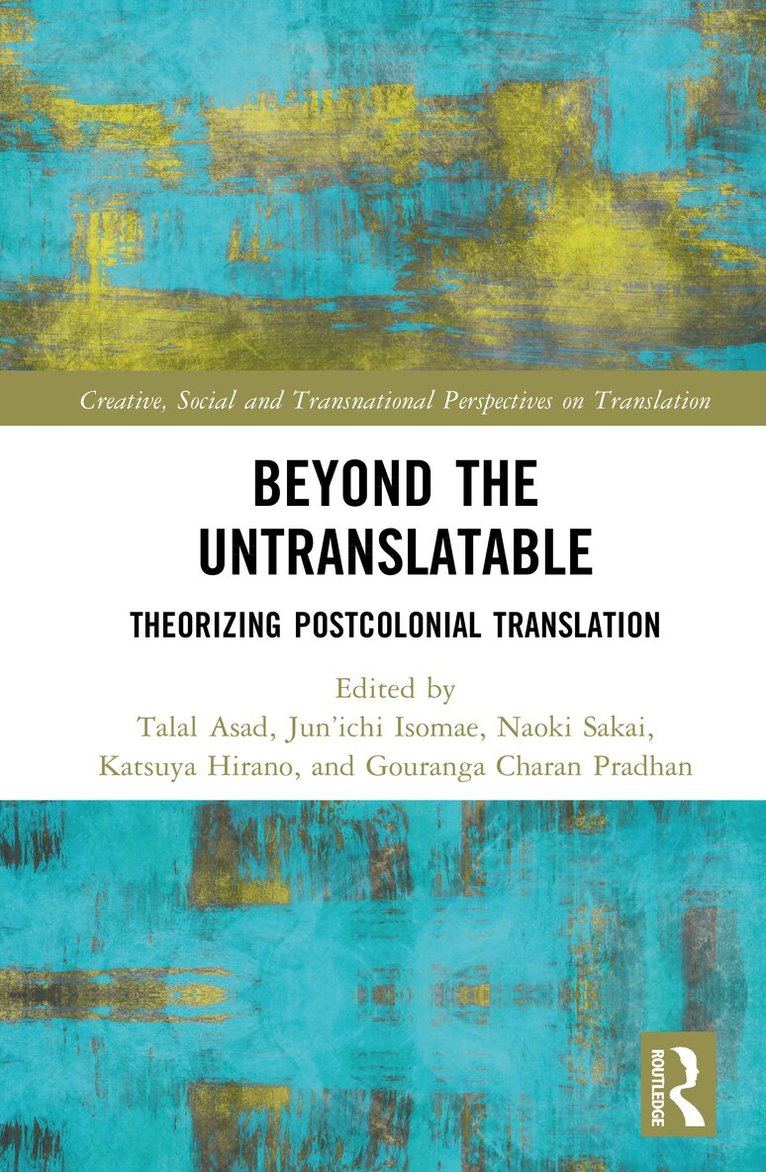
This collection examines postcolonial studies through the lens of translation studies, focusing on Asian and East Asian experiences. It redefines translation as a process of negotiating Otherness with language at its core.Following Talal Asad and Gayatri Chakravorty Spivak’s critique, Isomae emphasises a shift from subjectivity to subjectivation, arguing that subjects exist in reciprocal relationships with Others. It positions translation not as identity formation but as communication that occurs through engagement with Others in public spaces. The editors acknowledge that asymmetrical postcolonial situations create misunderstandings, suggesting that recognizing the impossibility of fully understanding Others may actually create opportunities for meaningful connection—introducing the concept of "commensurability of the incommensurable."Offering a fresh theoretical framework that bridges disciplinary boundaries, this volume will interest scholars and students in postcolonial studies, translation studies, and Asian studies.