Ke'Anna Brown Skipwith – författare
Visar alla böcker från författaren Ke'Anna Brown Skipwith. Handla med fri frakt och snabb leverans.
4 produkter
4 produkter
Inbunden, Engelska, 2021
2 136 kr
Skickas inom 10-15 vardagar
Best Practices in Engaging Online Learners Through Active and Experiential Learning Strategies, Second Edition, is a practical guide for all instructors, instructional designers, and online learning administrators designing, developing, teaching, and leading online, hybrid and blended learning courses and programs, who seek to provide supportive, engaging, and interactive learner experiences. This book explores the integration of active and experiential learning approaches and activities including simulations, gamification, social media integration, project-based learning, scenario-based learning, virtual tours, and online micro-credentialing as they relate to the development of authentic skill-building, communication, problem-solving, and critical-thinking in learners. New and emerging learning technologies of virtual and augmented reality along with artificial intelligence are included in this updated edition with examples of how instructors can actively use them in online courses to engage learners in experiential experiences. Readers will find guidelines for the development of participatory and peer-learning, competency-based learning, field-based experiences, clinical experiences, and service-learning opportunities in the online classroom. In addition, the authors provide effective learning strategies, discipline-specific examples, templates, and additional resources that align learner engagement with assessment practices and course outcomes.
Häftad, Engelska, 2021
488 kr
Skickas inom 10-15 vardagar
Best Practices in Engaging Online Learners Through Active and Experiential Learning Strategies, Second Edition, is a practical guide for all instructors, instructional designers, and online learning administrators designing, developing, teaching, and leading online, hybrid and blended learning courses and programs, who seek to provide supportive, engaging, and interactive learner experiences. This book explores the integration of active and experiential learning approaches and activities including simulations, gamification, social media integration, project-based learning, scenario-based learning, virtual tours, and online micro-credentialing as they relate to the development of authentic skill-building, communication, problem-solving, and critical-thinking in learners. New and emerging learning technologies of virtual and augmented reality along with artificial intelligence are included in this updated edition with examples of how instructors can actively use them in online courses to engage learners in experiential experiences. Readers will find guidelines for the development of participatory and peer-learning, competency-based learning, field-based experiences, clinical experiences, and service-learning opportunities in the online classroom. In addition, the authors provide effective learning strategies, discipline-specific examples, templates, and additional resources that align learner engagement with assessment practices and course outcomes.
Inbunden, Engelska, 2026
2 241 kr
Kommande
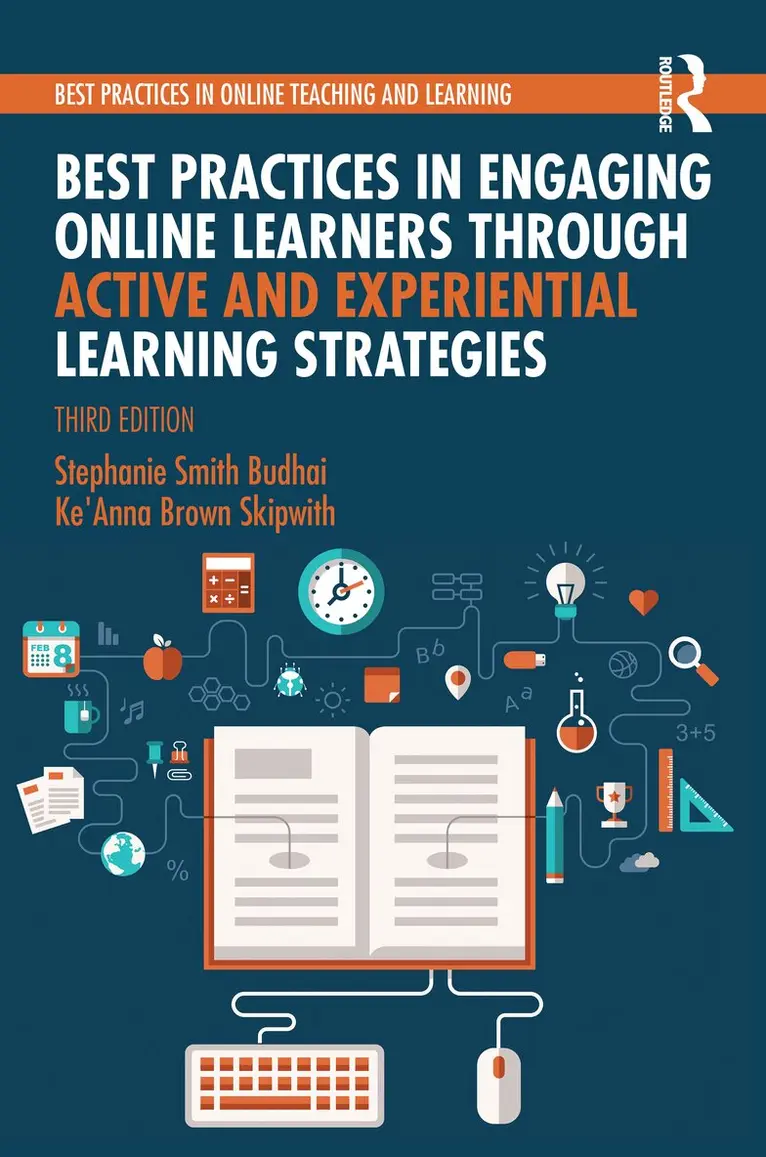
Best Practices in Engaging Online Learners Through Active and Experiential Learning Strategies, Third Edition, is a practical guide for all instructors, instructional designers, and online learning administrators developing, teaching, and leading online, hybrid, and/or blended learning courses and programs who want to provide supportive, engaging, and interactive learner experiences. This book situates learning theories and sciences to support the integration of active and experiential learning approaches and activities into online learning environments. Topics explored include artificial intelligence, simulations, digital games, social media integration, project- and scenario-based learning, virtual labs, and online micro-credentialing as they relate to the development of authentic skill-building, communication, problem-solving, and critical-thinking skills in learners. New and emerging immersive technologies including virtual and augmented reality along with artificial intelligence are expanded in this updated third edition with examples of how they can be used in online courses to actively engage learners in experiential experiences. Readers will find guidelines for the development of increased social presence and collaborative learning experiences, digital gaming and edutainment, civic and career connection, competency-based learning, and field-based and clinical experiences. Additionally, the authors provide effective learning strategies, discipline specific examples, templates and additional resources that align learner engagement with assessment practices and course outcomes.
Häftad, Engelska, 2026
555 kr
Kommande
Best Practices in Engaging Online Learners Through Active and Experiential Learning Strategies, Third Edition, is a practical guide for all instructors, instructional designers, and online learning administrators developing, teaching, and leading online, hybrid, and/or blended learning courses and programs who want to provide supportive, engaging, and interactive learner experiences. This book situates learning theories and sciences to support the integration of active and experiential learning approaches and activities into online learning environments. Topics explored include artificial intelligence, simulations, digital games, social media integration, project- and scenario-based learning, virtual labs, and online micro-credentialing as they relate to the development of authentic skill-building, communication, problem-solving, and critical-thinking skills in learners. New and emerging immersive technologies including virtual and augmented reality along with artificial intelligence are expanded in this updated third edition with examples of how they can be used in online courses to actively engage learners in experiential experiences. Readers will find guidelines for the development of increased social presence and collaborative learning experiences, digital gaming and edutainment, civic and career connection, competency-based learning, and field-based and clinical experiences. Additionally, the authors provide effective learning strategies, discipline specific examples, templates and additional resources that align learner engagement with assessment practices and course outcomes.