Stephanie Smith Budhai – författare
2 133 kr
Skickas inom 10-15 vardagar
473 kr
Skickas inom 10-15 vardagar
2 136 kr
Skickas inom 10-15 vardagar
488 kr
Skickas inom 10-15 vardagar
539 kr
Läs direkt efter köp
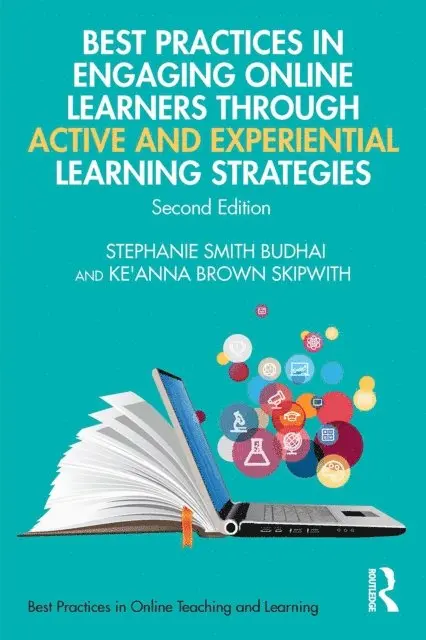
Best Practices in Engaging Online Learners Through Active and Experiential Learning Strategies, Second Edition, is a practical guide for all instructors, instructional designers, and online learning administrators designing, developing, teaching, and leading online, hybrid and blended learning courses and programs, who seek to provide supportive, engaging, and interactive learner experiences. This book explores the integration of active and experiential learning approaches and activities including simulations, gamification, social media integration, project-based learning, scenario-based learning, virtual tours, and online micro-credentialing as they relate to the development of authentic skill-building, communication, problem-solving, and critical-thinking in learners. New and emerging learning technologies of virtual and augmented reality along with artificial intelligence are included in this updated edition with examples of how instructors can actively use them in online courses to engage learners in experiential experiences. Readers will find guidelines for the development of participatory and peer-learning, competency-based learning, field-based experiences, clinical experiences, and service-learning opportunities in the online classroom. In addition, the authors provide effective learning strategies, discipline-specific examples, templates, and additional resources that align learner engagement with assessment practices and course outcomes.
521 kr
Läs direkt efter köp
Best Practices in Engaging Online Learners Through Active and Experiential Learning Strategies, Second Edition, is a practical guide for all instructors, instructional designers, and online learning administrators designing, developing, teaching, and leading online, hybrid and blended learning courses and programs, who seek to provide supportive, engaging, and interactive learner experiences. This book explores the integration of active and experiential learning approaches and activities including simulations, gamification, social media integration, project-based learning, scenario-based learning, virtual tours, and online micro-credentialing as they relate to the development of authentic skill-building, communication, problem-solving, and critical-thinking in learners. New and emerging learning technologies of virtual and augmented reality along with artificial intelligence are included in this updated edition with examples of how instructors can actively use them in online courses to engage learners in experiential experiences. Readers will find guidelines for the development of participatory and peer-learning, competency-based learning, field-based experiences, clinical experiences, and service-learning opportunities in the online classroom. In addition, the authors provide effective learning strategies, discipline-specific examples, templates, and additional resources that align learner engagement with assessment practices and course outcomes.
536 kr
Läs direkt efter köp
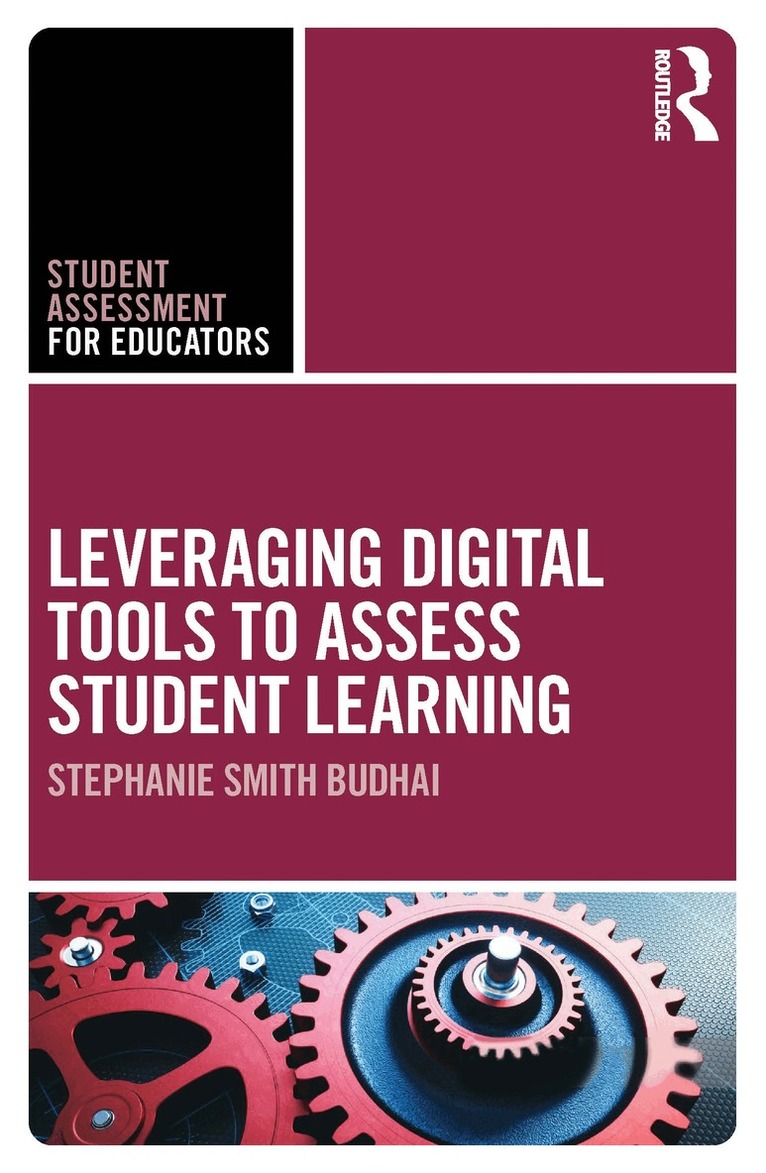
Leveraging Digital Tools to Assess Student Learning provides a practical approach to using technology to collect, interpret, and curate assessment data in K-12 in-person, online, hybrid, and dual learning environments. Digital media, emerging learning technologies, and handheld devices play larger roles than ever in students’ 21st-century educational experiences. Digital tools, meanwhile, can also transform assessment practices for teachers, allowing more efficient means of identifying gaps and modifying instruction to maximize student learning. Situating assessment practices in today’s networked, flexible, and virtual classrooms, this book reframes polling and quizzing, social media and memes, and multimedia platforms as digital learning tools for engaging, interactive, and meaningful formative, summative, open-ended, peer and self-paced assessments. The final chapter discusses technology’s role in organizing, evaluating, and disseminating assessment data to students, their families, and administrators.
556 kr
Läs direkt efter köp
Leveraging Digital Tools to Assess Student Learning provides a practical approach to using technology to collect, interpret, and curate assessment data in K-12 in-person, online, hybrid, and dual learning environments. Digital media, emerging learning technologies, and handheld devices play larger roles than ever in students’ 21st-century educational experiences. Digital tools, meanwhile, can also transform assessment practices for teachers, allowing more efficient means of identifying gaps and modifying instruction to maximize student learning. Situating assessment practices in today’s networked, flexible, and virtual classrooms, this book reframes polling and quizzing, social media and memes, and multimedia platforms as digital learning tools for engaging, interactive, and meaningful formative, summative, open-ended, peer and self-paced assessments. The final chapter discusses technology’s role in organizing, evaluating, and disseminating assessment data to students, their families, and administrators.
2 241 kr
Kommande
555 kr
Kommande
410 kr
Skickas
An equitable, inclusive and practical application of culturally responsive teaching that transcends learning environments
Educators in the 21st century are teaching diverse learners across a range of learning environments, while attending to critical issues related to equity, inclusion, and social justice. Now there’s a resource to help you merge the essential skills of embedding culturally responsive teaching practices into online and in person learning settings. Using the Dynamic Equitable Learning Environments (DELE) framework, you can build the knowledge, awareness, skills, and dispositions to pivot instruction to facilitate equitable, inclusive, and anti-racist learning experiences that transcend cultural, social, and linguistic backgrounds—no matter where, when, or how your students do their learning.
Combining an interactive workspace with teacher preparation and professional development, this book provides an action planner and toolkit for embedding culturally responsive teaching into online and in person instruction. Other features include:
Demonstrative, inspirational, and culturally responsive practical approaches for online and in person educational settings Self-reflection questions, anti-bias exercises, and critical-thinking activities that support equity-mindedness Culturally sustaining checklist templates Links to additional responsive online resources, readings, and culturally relevant media Action plan templates to work through in each chapter Additional Call to Action practices to pursue after completing the bookWhen you commit to culturally responsive teaching, you want to build your own capacity to provide every learner, in every educational setting, the ability to connect with the curriculum in authentic and equitable ways. This book enables you to do just that by providing the pedagogical strategies to meaningfully engage all learners, especially in online settings, and ensure that your class is inclusive, decolonized, and takes into account the diverse lived experiences of all learners, their families, and communities.
176 kr
Skickas inom 5-8 vardagar
380 kr
Skickas inom 5-8 vardagar
340 kr
Skickas inom 5-8 vardagar