Keith C. Barton – författare
Visar alla böcker från författaren Keith C. Barton. Handla med fri frakt och snabb leverans.
14 produkter
14 produkter
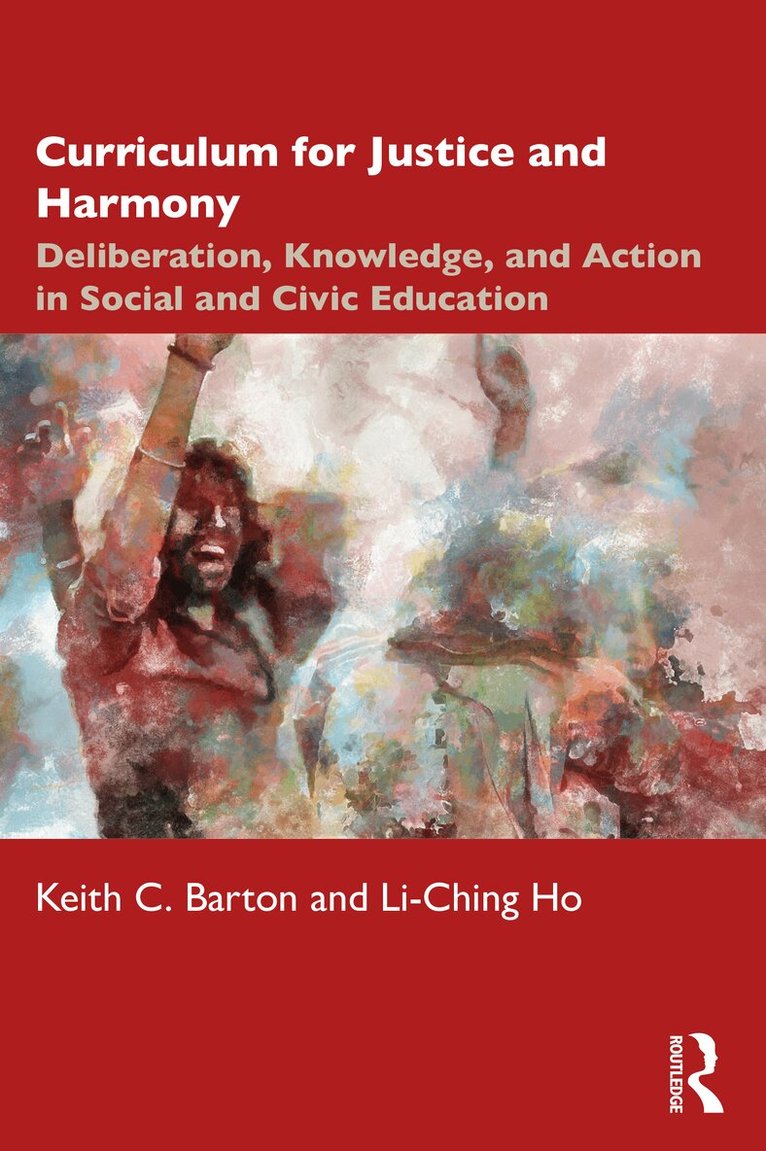
Curriculum for Justice and Harmony
Deliberation, Knowledge, and Action in Social and Civic Education
Häftad, Engelska, 2021
567 kr
Skickas inom 10-15 vardagar
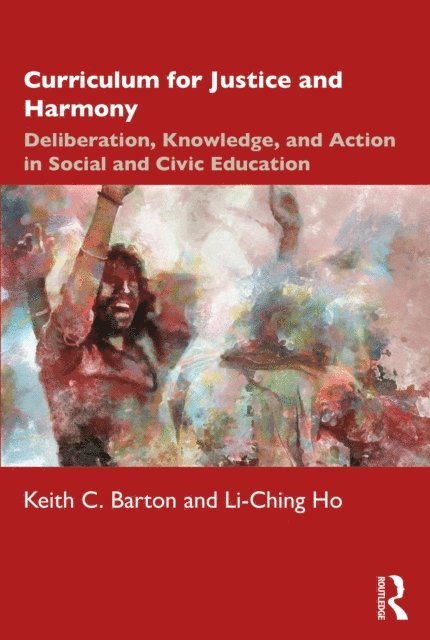
Barton and Ho present a global vision of social and civic education, one that reorients the field toward justice and harmony. Drawing from diverse philosophical and cultural traditions, as well as empirical research, they introduce curriculum principles designed to motivate and inform students’ thoughtful and compassionate deliberation of public issues. This book argues that the curriculum must prepare young people to take action on issues of justice and harmony—societal ideals that are central to all communities. Effective action depends on deliberation characterized by emotional commitment, collaborative problem-solving, and engagement with diverse perspectives and forms of expression. Deliberation for public action also requires knowledge—of people’s lives and experiences, their insights into social issues, and strategies for advancing justice and harmony. These curriculum principles are illustrated through case studies of public housing, food insecurity, climate change, gender bias, public health, exploitation of domestic workers, incarceration of racialized minorities, the impact of development and environmental change on Indigenous communities, and other pressing global concerns. For additional resources and related information, please visit the authors’ website, www.justiceandharmony.com.
Curriculum for Justice and Harmony
Deliberation, Knowledge, and Action in Social and Civic Education
Inbunden, Engelska, 2021
2 074 kr
Skickas inom 10-15 vardagar
Barton and Ho present a global vision of social and civic education, one that reorients the field toward justice and harmony. Drawing from diverse philosophical and cultural traditions, as well as empirical research, they introduce curriculum principles designed to motivate and inform students’ thoughtful and compassionate deliberation of public issues. This book argues that the curriculum must prepare young people to take action on issues of justice and harmony—societal ideals that are central to all communities. Effective action depends on deliberation characterized by emotional commitment, collaborative problem-solving, and engagement with diverse perspectives and forms of expression. Deliberation for public action also requires knowledge—of people’s lives and experiences, their insights into social issues, and strategies for advancing justice and harmony. These curriculum principles are illustrated through case studies of public housing, food insecurity, climate change, gender bias, public health, exploitation of domestic workers, incarceration of racialized minorities, the impact of development and environmental change on Indigenous communities, and other pressing global concerns. For additional resources and related information, please visit the authors’ website, www.justiceandharmony.com.
2 141 kr
Skickas inom 10-15 vardagar
Dilemmas surrounding the role for religious beliefs and experiences permeate the school lives of teachers and teacher educators. Inspired by the need for teachers and students to more fully understand such dilemmas, this book examines the relationship between religion and teaching/learning in a democratic society. Written for pre-service and in-service teachers, it will engage readers in thinking about how their own religious backgrounds affect their teaching; how students’ religious backgrounds influence their learning; how common experiences of school and classroom life privilege some religions at the expense of others; and how students can better understand diverse religious beliefs and interact with people from other backgrounds. The focus is specifically on classroom issues related to religious understandings and experiences of teachers and students, and the implications of those for developing democratic citizens. Grounded in both research and personal experience, each chapter provides thought-provoking evidence related to the role of religion in schools and society and asks readers to consider the consequences of varied ways of responding to the dilemmas posed.
564 kr
Skickas inom 10-15 vardagar
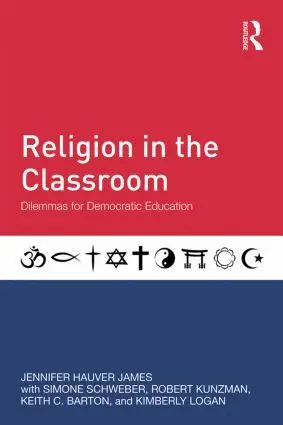
Dilemmas surrounding the role for religious beliefs and experiences permeate the school lives of teachers and teacher educators. Inspired by the need for teachers and students to more fully understand such dilemmas, this book examines the relationship between religion and teaching/learning in a democratic society. Written for pre-service and in-service teachers, it will engage readers in thinking about how their own religious backgrounds affect their teaching; how students’ religious backgrounds influence their learning; how common experiences of school and classroom life privilege some religions at the expense of others; and how students can better understand diverse religious beliefs and interact with people from other backgrounds. The focus is specifically on classroom issues related to religious understandings and experiences of teachers and students, and the implications of those for developing democratic citizens. Grounded in both research and personal experience, each chapter provides thought-provoking evidence related to the role of religion in schools and society and asks readers to consider the consequences of varied ways of responding to the dilemmas posed.
2 064 kr
Skickas inom 10-15 vardagar
In Teaching History for the Common Good, Barton and Levstik present a clear overview of competing ideas among educators, historians, politicians, and the public about the nature and purpose of teaching history, and they evaluate these debates in light of current research on students' historical thinking. In many cases, disagreements about what should be taught to the nation's children and how it should be presented reflect fundamental differences that will not easily be resolved. A central premise of this book, though, is that systematic theory and research can play an important role in such debates by providing evidence of how students think, how their ideas interact with the information they encounter both in school and out, and how these ideas differ across contexts. Such evidence is needed as an alternative to the untested assumptions that plague so many discussions of history education. The authors review research on students' historical thinking and set it in the theoretical context of mediated action--an approach that calls attention to the concrete actions that people undertake, the human agents responsible for such actions, the cultural tools that aid and constrain them, their purposes, and their social contexts. They explain how this theory allows educators to address the breadth of practices, settings, purposes, and tools that influence students' developing understanding of the past, as well as how it provides an alternative to the academic discipline of history as a way of making decisions about teaching and learning the subject in schools. Beyond simply describing the factors that influence students' thinking, Barton and Levstik evaluate their implications for historical understanding and civic engagement. They base these evaluations not on the disciplinary study of history, but on the purpose of social education--preparing students for participation in a pluralist democracy. Their ultimate concern is how history can help citizens engage in collaboration toward the common good. In Teaching History for the Common Good, Barton and Levstik:*discuss the contribution of theory and research, explain the theory of mediated action and how it guides their analysis, and describe research on children's (and adults') knowledge of and interest in history; *lay out a vision of pluralist, participatory democracy and its relationship to the humanistic study of history as a basis for evaluating the perspectives on the past that influence students' learning; *explore four principal "stances" toward history (identification, analysis, moral response, and exhibition), review research on the extent to which children and adolescents understand and accept each of these, and examine how the stances might contribute to--or detract from--participation in a pluralist democracy; *address six of the principal "tools" of history (narrative structure, stories of individual achievement and motivation, national narratives, inquiry, empathy as perspective-taking, and empathy as caring); and *review research and conventional wisdom on teachers' knowledge and practice, and argue that for teachers to embrace investigative, multi-perspectival approaches to history they need more than knowledge of content and pedagogy, they need a guiding purpose that can be fulfilled only by these approaches--and preparation for participatory democracy provides such purpose. Teaching History for the Common Good is essential reading for history and social studies professionals, researchers, teacher educators, and students, as well as for policymakers, parents, and members of the general public who are interested in history education or in students' thinking and learning about the subject.
697 kr
Skickas inom 10-15 vardagar
In Teaching History for the Common Good, Barton and Levstik present a clear overview of competing ideas among educators, historians, politicians, and the public about the nature and purpose of teaching history, and they evaluate these debates in light of current research on students' historical thinking. In many cases, disagreements about what should be taught to the nation's children and how it should be presented reflect fundamental differences that will not easily be resolved. A central premise of this book, though, is that systematic theory and research can play an important role in such debates by providing evidence of how students think, how their ideas interact with the information they encounter both in school and out, and how these ideas differ across contexts. Such evidence is needed as an alternative to the untested assumptions that plague so many discussions of history education. The authors review research on students' historical thinking and set it in the theoretical context of mediated action--an approach that calls attention to the concrete actions that people undertake, the human agents responsible for such actions, the cultural tools that aid and constrain them, their purposes, and their social contexts. They explain how this theory allows educators to address the breadth of practices, settings, purposes, and tools that influence students' developing understanding of the past, as well as how it provides an alternative to the academic discipline of history as a way of making decisions about teaching and learning the subject in schools. Beyond simply describing the factors that influence students' thinking, Barton and Levstik evaluate their implications for historical understanding and civic engagement. They base these evaluations not on the disciplinary study of history, but on the purpose of social education--preparing students for participation in a pluralist democracy. Their ultimate concern is how history can help citizens engage in collaboration toward the common good. In Teaching History for the Common Good, Barton and Levstik:*discuss the contribution of theory and research, explain the theory of mediated action and how it guides their analysis, and describe research on children's (and adults') knowledge of and interest in history; *lay out a vision of pluralist, participatory democracy and its relationship to the humanistic study of history as a basis for evaluating the perspectives on the past that influence students' learning; *explore four principal "stances" toward history (identification, analysis, moral response, and exhibition), review research on the extent to which children and adolescents understand and accept each of these, and examine how the stances might contribute to--or detract from--participation in a pluralist democracy; *address six of the principal "tools" of history (narrative structure, stories of individual achievement and motivation, national narratives, inquiry, empathy as perspective-taking, and empathy as caring); and *review research and conventional wisdom on teachers' knowledge and practice, and argue that for teachers to embrace investigative, multi-perspectival approaches to history they need more than knowledge of content and pedagogy, they need a guiding purpose that can be fulfilled only by these approaches--and preparation for participatory democracy provides such purpose. Teaching History for the Common Good is essential reading for history and social studies professionals, researchers, teacher educators, and students, as well as for policymakers, parents, and members of the general public who are interested in history education or in students' thinking and learning about the subject.
2 529 kr
Skickas inom 10-15 vardagar
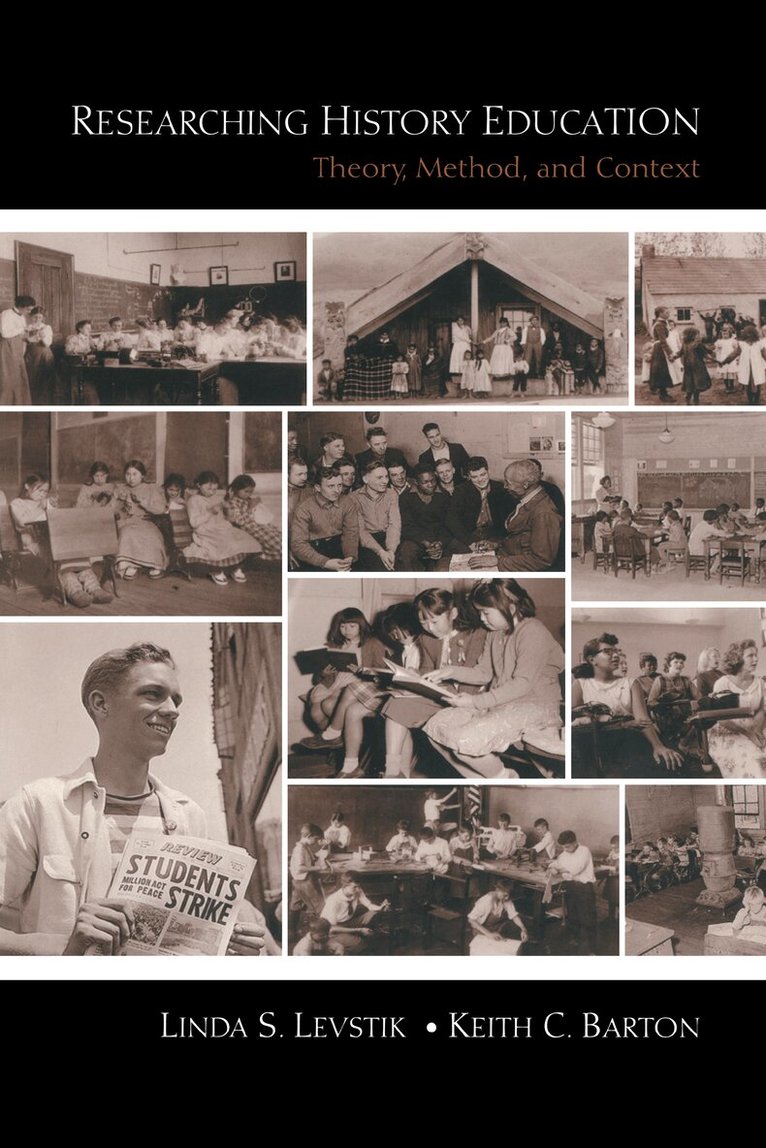
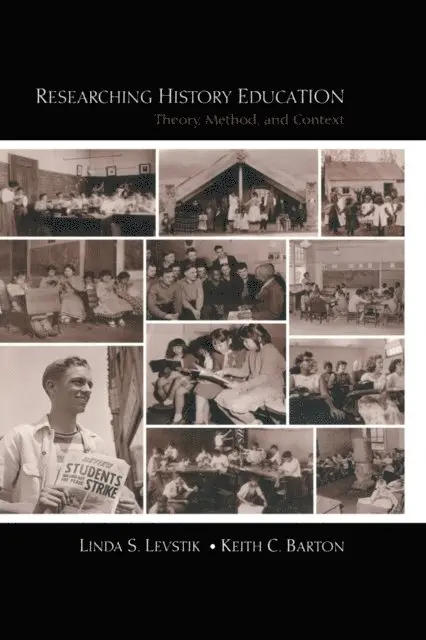
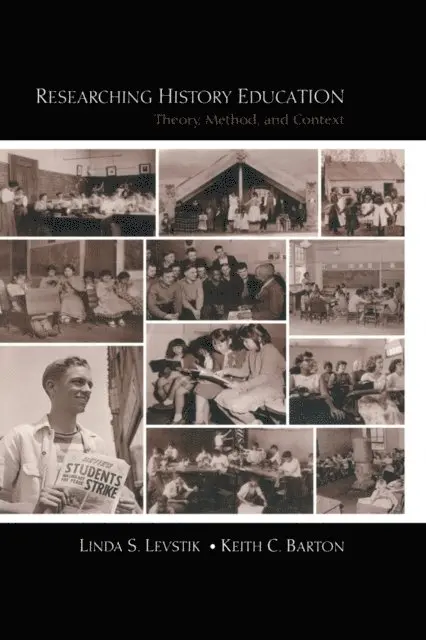
"The authors’ research is well known and among the most important American works being done on how children learn history. It is thus a great idea to gather this pivotal research in one place. The volume offers a new perspective through the authors’ reflections on the research process. It is profound without pomposity, ideal for the intended audience; the tone is just right. There really isn’t another book that does what this one does."Stephen J. Thornton, University of South FloridaResearching History Education combines a selection of Linda Levstik’s and Keith Barton’s previous work on teaching and learning history with their reflections on the process of research. These studies address students’ ideas about time, evidence, significance, and agency, as well as classroom contexts of history education and broader social influences on students’ and teacher’s thinking. These pieces—widely cited in history and social studies education and typically required reading for students in the area—were chosen to illustrate major themes in the authors’ own work and trends in recent research on history education. In a series of new chapters written especially for this volume, the authors introduce and reflect on their empirical studies and address three issues suggested in the title of the volume: theory, method, and context. Although research on children’s and adolescents’ historical understanding has been the most active area of scholarship in social studies in recent years, as yet there is little in-depth attention to research methodologies or to the perspectives on children, history, and historical thinking that these methodologies represent. This book fills that need. The authors’ hope is that it will help scholars draw from the existing body of literature in order to participate in more meaningful conversations about the teaching and learning of history.Researching History Education provides a needed resource for novice and experienced researchers and will be especially useful in research methodology courses, both in social studies and more generally, because of its emphasis on techniques for interviewing children, the impact of theory on research, and the importance of cross-cultural comparisons.
830 kr
Skickas inom 10-15 vardagar
"The authors’ research is well known and among the most important American works being done on how children learn history. It is thus a great idea to gather this pivotal research in one place. The volume offers a new perspective through the authors’ reflections on the research process. It is profound without pomposity, ideal for the intended audience; the tone is just right. There really isn’t another book that does what this one does."Stephen J. Thornton, University of South FloridaResearching History Education combines a selection of Linda Levstik’s and Keith Barton’s previous work on teaching and learning history with their reflections on the process of research. These studies address students’ ideas about time, evidence, significance, and agency, as well as classroom contexts of history education and broader social influences on students’ and teacher’s thinking. These pieces—widely cited in history and social studies education and typically required reading for students in the area—were chosen to illustrate major themes in the authors’ own work and trends in recent research on history education. In a series of new chapters written especially for this volume, the authors introduce and reflect on their empirical studies and address three issues suggested in the title of the volume: theory, method, and context. Although research on children’s and adolescents’ historical understanding has been the most active area of scholarship in social studies in recent years, as yet there is little in-depth attention to research methodologies or to the perspectives on children, history, and historical thinking that these methodologies represent. This book fills that need. The authors’ hope is that it will help scholars draw from the existing body of literature in order to participate in more meaningful conversations about the teaching and learning of history.Researching History Education provides a needed resource for novice and experienced researchers and will be especially useful in research methodology courses, both in social studies and more generally, because of its emphasis on techniques for interviewing children, the impact of theory on research, and the importance of cross-cultural comparisons.
989 kr
Skickas inom 10-15 vardagar
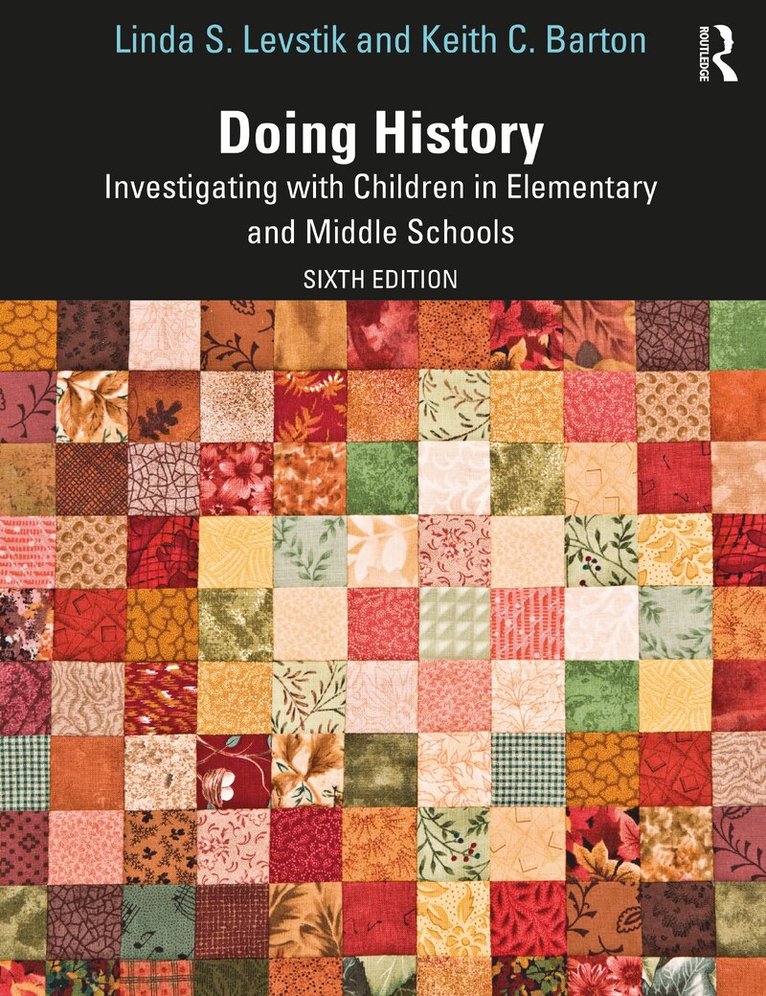
Now in its sixth edition, Doing History offers a unique perspective on teaching and learning history in the elementary and middle grades. Through case studies of teachers and students in diverse classrooms and from diverse backgrounds, it shows children engaging in authentic historical investigations, often in the context of an integrated social studies curriculum. The book is grounded in the view that children can engage in valid forms of historical inquiry—asking questions, collecting and analyzing evidence, examining the varied perspectives and experiences of people in the past, and creating evidence-based historical accounts and interpretations. Grounded in contemporary sociocultural theory and research, the text features vignettes in each chapter showing communities of teachers and students doing history in environments rich in literature, art, writing, and discussion. The authors explain how these classrooms reflect contemporary principles of teaching and learning, and thus, the descriptions not only provide specific examples of successful activities but also place them in a context that allows teachers to adapt and apply them in a wide range of settings. Doing History emphasizes diversity in two ways: Readers encounter students from a variety of backgrounds and see how their diverse experiences can form the foundation for learning, and they also see examples of how teachers can engage students with diverse experiences and perspectives in the past, including those that led to conflict and oppression. The book also discusses principles for working with English learners and newcomers, and it provides guidance in using multiple forms of assessment to evaluate the specifically historical aspects of children’s learning. Updates to this edition include updated historical and instructional examples to ensure currency, new suggestions for children’s literature to support good teaching, expanded attention to teaching about oppressed groups in history, and greater attention to when historical perspective taking is and is not appropriate.
2 064 kr
Skickas inom 10-15 vardagar
Now in its sixth edition, Doing History offers a unique perspective on teaching and learning history in the elementary and middle grades. Through case studies of teachers and students in diverse classrooms and from diverse backgrounds, it shows children engaging in authentic historical investigations, often in the context of an integrated social studies curriculum. The book is grounded in the view that children can engage in valid forms of historical inquiry—asking questions, collecting and analyzing evidence, examining the varied perspectives and experiences of people in the past, and creating evidence-based historical accounts and interpretations. Grounded in contemporary sociocultural theory and research, the text features vignettes in each chapter showing communities of teachers and students doing history in environments rich in literature, art, writing, and discussion. The authors explain how these classrooms reflect contemporary principles of teaching and learning, and thus, the descriptions not only provide specific examples of successful activities but also place them in a context that allows teachers to adapt and apply them in a wide range of settings. Doing History emphasizes diversity in two ways: Readers encounter students from a variety of backgrounds and see how their diverse experiences can form the foundation for learning, and they also see examples of how teachers can engage students with diverse experiences and perspectives in the past, including those that led to conflict and oppression. The book also discusses principles for working with English learners and newcomers, and it provides guidance in using multiple forms of assessment to evaluate the specifically historical aspects of children’s learning. Updates to this edition include updated historical and instructional examples to ensure currency, new suggestions for children’s literature to support good teaching, expanded attention to teaching about oppressed groups in history, and greater attention to when historical perspective taking is and is not appropriate.
564 kr
Skickas inom 10-15 vardagar
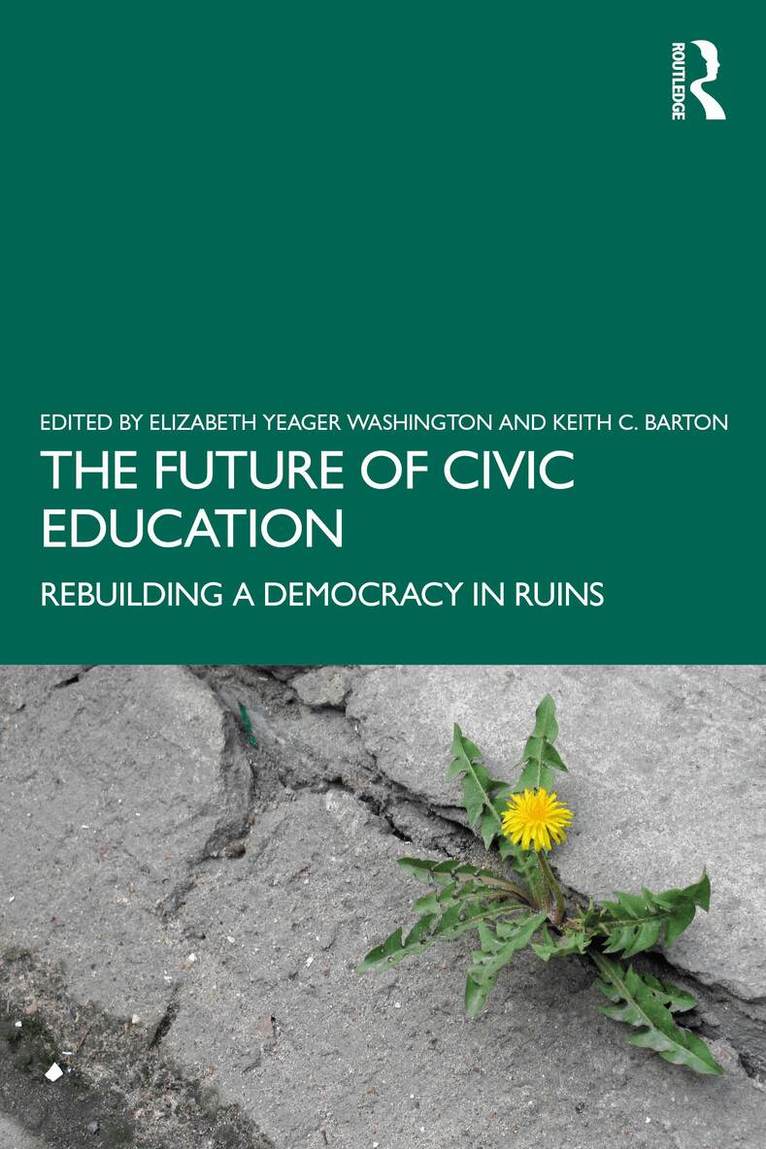
Speaking to the need to move beyond traditional formulations, this textbook presents radical visions for transforming civic education in the United States.Drawing on the experience of educators and scholars—including those rooted in feminist, queer, abolitionist, global, and race-conscious perspectives—this work offers new, practical ideas for civic education reform. Responding to recent political crises, many scholars, educators, and public commentators have called for a rebirth of civic education, but these all are grounded in the premise that the goal of civic education should be to teach students about the U.S. Constitutional system and how to operate within it. This book argues that the U.S. governmental system, including the Constitution, is infused with racist and anti-democratic premises and procedures. It asks: How can we seek a new path—one that is more democratic, more equitable, and more humane? A diverse range of leading civic educators, who are willing not just to push the boundaries of civic education but to operate outside its assumptions altogether, explore what future possibilities for civic education might look like and how these innovative ideas could be implemented in the classroom.Combining theory with practice, The Future of Civic Education will be important reading for those studying or researching in social studies methods, social studies issues, citizenship, and civic education. It will also be beneficial to social studies teachers at elementary and secondary levels, as well as policymakers and non-governmental organizations (NGOs).
2 131 kr
Skickas inom 10-15 vardagar
Speaking to the need to move beyond traditional formulations, this textbook presents radical visions for transforming civic education in the United States.Drawing on the experience of educators and scholars—including those rooted in feminist, queer, abolitionist, global, and race-conscious perspectives—this work offers new, practical ideas for civic education reform. Responding to recent political crises, many scholars, educators, and public commentators have called for a rebirth of civic education, but these all are grounded in the premise that the goal of civic education should be to teach students about the U.S. Constitutional system and how to operate within it. This book argues that the U.S. governmental system, including the Constitution, is infused with racist and anti-democratic premises and procedures. It asks: How can we seek a new path—one that is more democratic, more equitable, and more humane? A diverse range of leading civic educators, who are willing not just to push the boundaries of civic education but to operate outside its assumptions altogether, explore what future possibilities for civic education might look like and how these innovative ideas could be implemented in the classroom.Combining theory with practice, The Future of Civic Education will be important reading for those studying or researching in social studies methods, social studies issues, citizenship, and civic education. It will also be beneficial to social studies teachers at elementary and secondary levels, as well as policymakers and non-governmental organizations (NGOs).
Research Methods in Social Studies Education
Contemporary Issues and Perspectives
Häftad, Engelska, 2006
586 kr
Skickas inom 5-8 vardagar
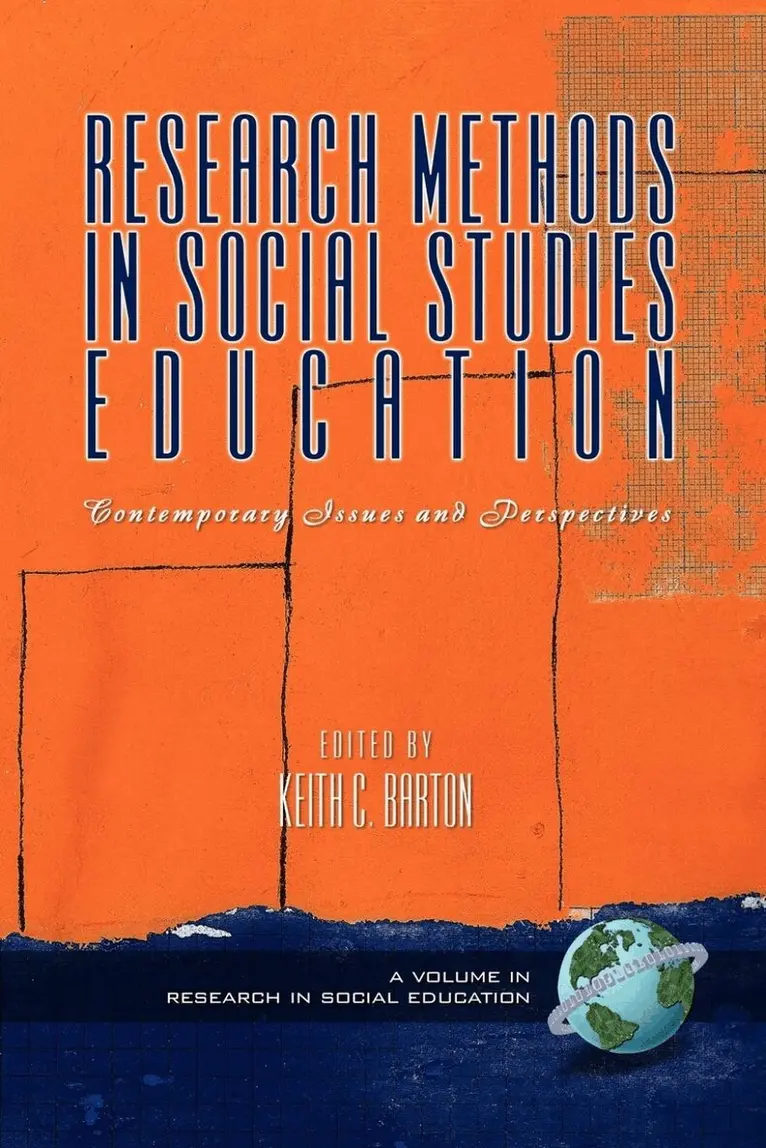
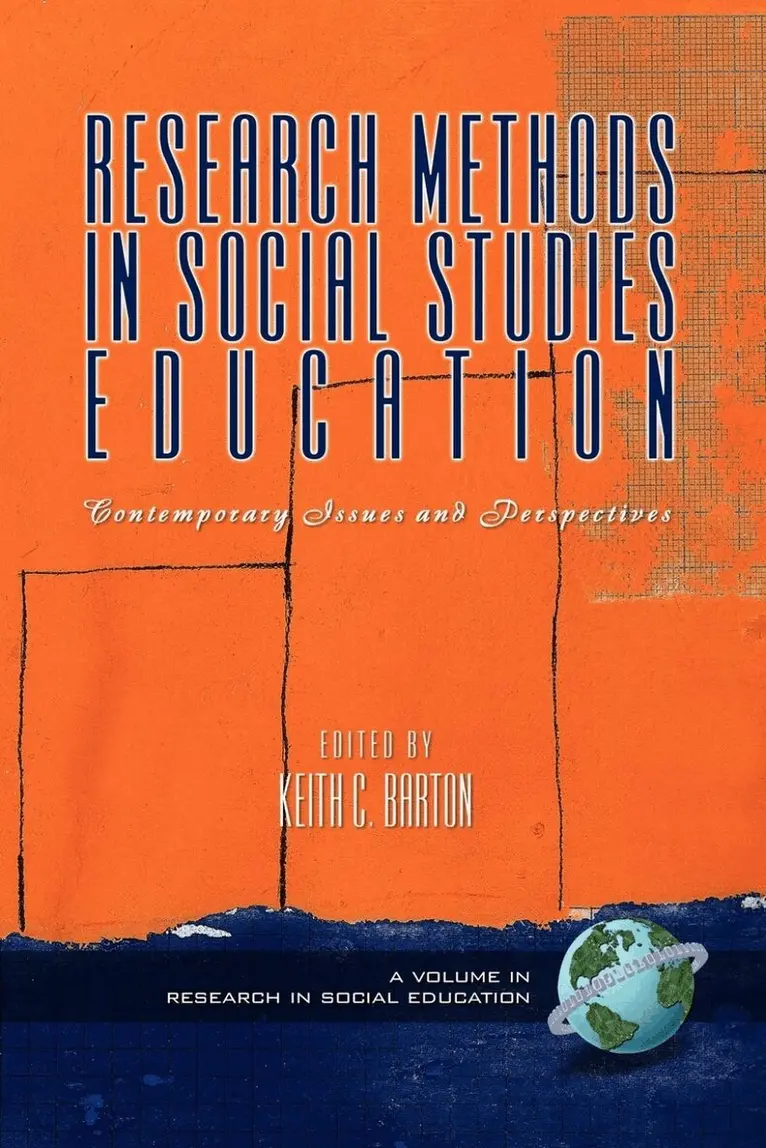
This volume fills a significant gap in the scholarship on social studies education by providing thoughtful reflections on research methods in the field. It is not a “how to” guide but an exploration of key issues related to the design and implementation of empirical studies. The authors are active researchers who use varied methods in diverse settings—including historical research, international comparative studies, survey research, interviews with students and teachers, classroom observations, self-studies and action research, and emancipatory methodologies. They use their own experiences to examine such topics as the conceptualization of research questions, relationships with participants, researchers’ identities, and elicitation of students’ and teachers’ thinking. This collection should become indispensable for both beginning and experienced scholars in social studies.
Research Methods in Social Studies Education
Contemporary Issues and Perspectives
Inbunden, Engelska, 2006
1 037 kr
Skickas inom 5-8 vardagar
This volume fills a significant gap in the scholarship on social studies education by providing thoughtful reflections on research methods in the field. It is not a “how to” guide but an exploration of key issues related to the design and implementation of empirical studies. The authors are active researchers who use varied methods in diverse settings—including historical research, international comparative studies, survey research, interviews with students and teachers, classroom observations, self-studies and action research, and emancipatory methodologies. They use their own experiences to examine such topics as the conceptualization of research questions, relationships with participants, researchers’ identities, and elicitation of students’ and teachers’ thinking. This collection should become indispensable for both beginning and experienced scholars in social studies.