Keith Gregory Logan - Böcker
Visar alla böcker från författaren Keith Gregory Logan. Handla med fri frakt och snabb leverans.
4 produkter
4 produkter
2 096 kr
Skickas inom 10-15 vardagar
This book introduces students to the dynamic and complex enterprise that is homeland security. Using a broad lens, the authors explore key operational and content areas, as well as the practices and policies that are part of an effective homeland security program. With original essays from academics and practitioners, the book encapsulates the brea
748 kr
Skickas inom 10-15 vardagar
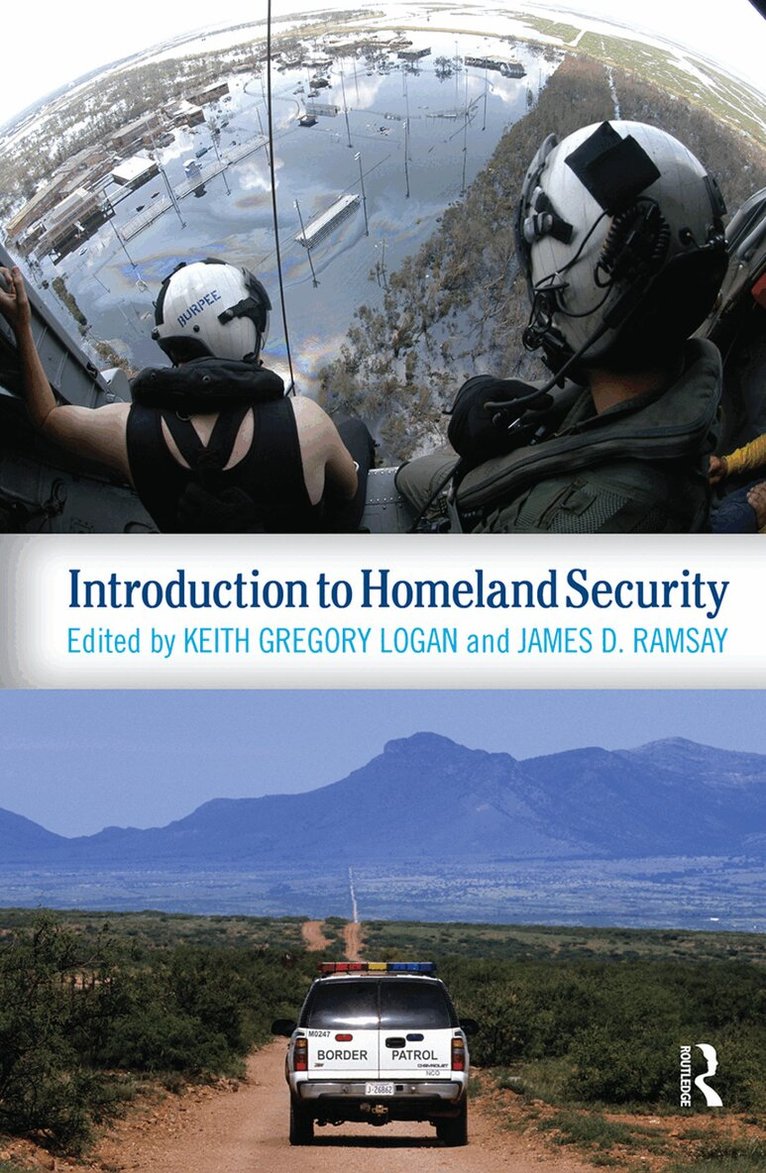
This book introduces students to the dynamic and complex enterprise that is homeland security. Using a broad lens, the authors explore key operational and content areas, as well as the practices and policies that are part of an effective homeland security program. With original essays from academics and practitioners, the book encapsulates the breadth of homeland security as it exists today. Topical coverage includes: administration, intelligence, critical infrastructure protection, emergency management, terrorism and counterterrorism, law and policy, technology and systems, strategic planning, strategic communication, civil-military affairs, private sector involvement, environmental security, and public health. Accessible, engaging, and comprehensive, this is an essential resource for courses on homeland security.
568 kr
Skickas inom 10-15 vardagar
Now updated and expanded for its second edition, this book investigates the role intelligence plays in maintaining homeland security and emphasizes that effective intelligence collection and analysis are central to reliable homeland security.The first edition of Homeland Security and Intelligence was the go-to text for a comprehensive and clear introduction to U.S intelligence and homeland security issues, covering all major aspects including analysis, military intelligence, terrorism, emergency response, oversight, and domestic intelligence. This fully revised and updated edition adds eight new chapters to expand the coverage to topics such as recent developments in cyber security, drones, lone wolf radicalization, whistleblowers, the U.S. Coast Guard, border security, private security firms, and the role of first responders in homeland security.This volume offers contributions from a range of scholars and professionals from organizations such as the Department of Homeland Security, the Center for Homeland Defense and Security at the Naval Postgraduate School, the National Intelligence University, the Air Force Academy, and the Counterterrorism Division at the Federal Law Enforcement Training Center. This breadth of unique and informed perspectives brings a broad range of experience to the topic, enabling readers to gain a critical understanding of the intelligence process as a whole and to grasp what needs to happen to strengthen these various systems.The book presents a brief history of intelligence in the United States that addresses past and current structures of the intelligence community. Recent efforts to improve information-sharing among the federal, state, local, and private sectors are considered, and the critical concern regarding whether the intelligence community is working as intended—and whether there is an effective system of checks and balances to govern it—is raised. The book concludes by identifying the issues that should be addressed in order to better safeguard our nation in the future.
942 kr
Skickas inom 10-15 vardagar
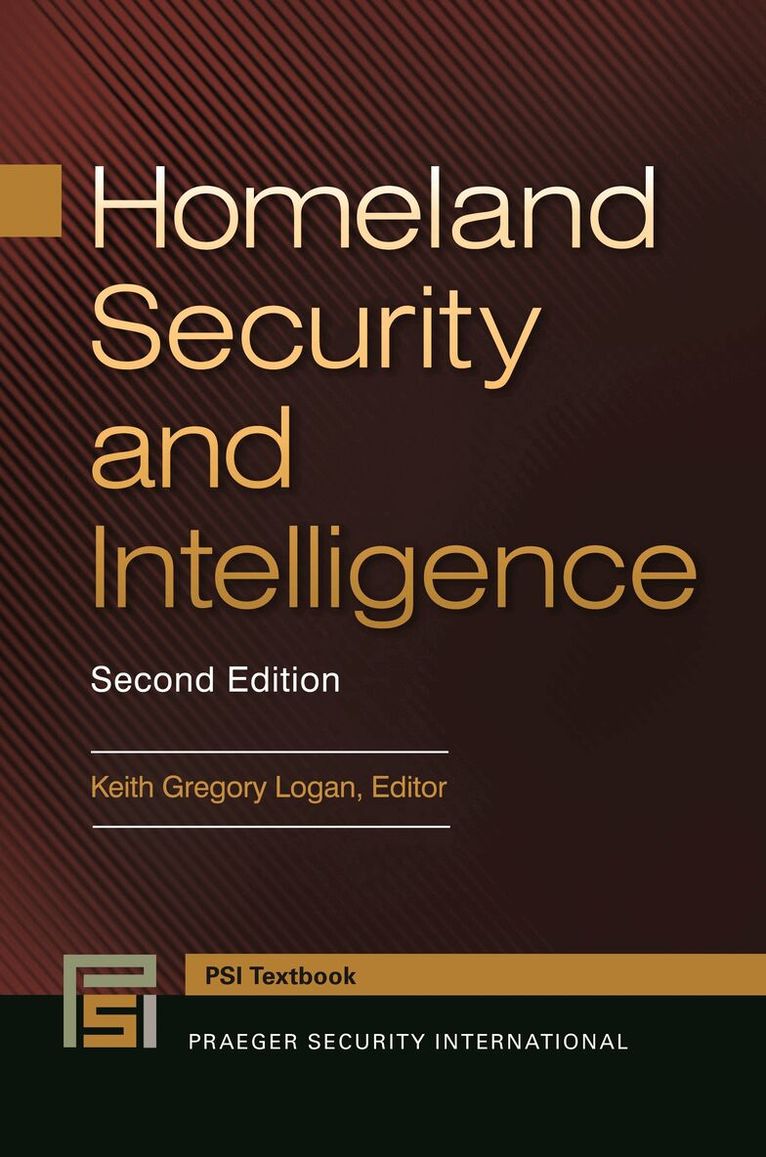
Now updated and expanded for its second edition, this book investigates the role intelligence plays in maintaining homeland security and emphasizes that effective intelligence collection and analysis are central to reliable homeland security.The first edition of Homeland Security and Intelligence was the go-to text for a comprehensive and clear introduction to U.S intelligence and homeland security issues, covering all major aspects including analysis, military intelligence, terrorism, emergency response, oversight, and domestic intelligence. This fully revised and updated edition adds eight new chapters to expand the coverage to topics such as recent developments in cyber security, drones, lone wolf radicalization, whistleblowers, the U.S. Coast Guard, border security, private security firms, and the role of first responders in homeland security.This volume offers contributions from a range of scholars and professionals from organizations such as the Department of Homeland Security, the Center for Homeland Defense and Security at the Naval Postgraduate School, the National Intelligence University, the Air Force Academy, and the Counterterrorism Division at the Federal Law Enforcement Training Center. This breadth of unique and informed perspectives brings a broad range of experience to the topic, enabling readers to gain a critical understanding of the intelligence process as a whole and to grasp what needs to happen to strengthen these various systems.The book presents a brief history of intelligence in the United States that addresses past and current structures of the intelligence community. Recent efforts to improve information-sharing among the federal, state, local, and private sectors are considered, and the critical concern regarding whether the intelligence community is working as intended—and whether there is an effective system of checks and balances to govern it—is raised. The book concludes by identifying the issues that should be addressed in order to better safeguard our nation in the future.