Keith Manchester - Böcker
Visar alla böcker från författaren Keith Manchester. Handla med fri frakt och snabb leverans.
5 produkter
5 produkter
266 kr
Skickas
The Archaeology of Disease shows how the latest scientific and archaeological techniques can be used to identify the common illnesses and injuries that humans suffered from in antiquity. In order to give a vivid picture of ancient disease and trauma the authors present the results of the latest scientific research and incorporate information gathered from documents, from other areas of archaeology and from art and ethnography. This comprehensive approach to the subject throws fresh light on the health of our ancestors and on the conditions in which they lived, and it gives us an intriguing insight into the ways in which they coped with the pain and discomfort of their existence.
684 kr
Skickas inom 3-6 vardagar
The Archaeology of Disease shows how the latest scientific and archaeological techniques can be used to identify the common illnesses and injuries from which humans suffered in antiquity. Charlotte Roberts and Keith Manchester offer a vivid picture of ancient disease and trauma by combining the results of scientific research with information gathered from documents, other areas of archaeology, art, and ethnography. The book contains information on congenital, infectious, dental, joint, endocrine, and metabolic diseases. The authors provide a clinical context for specific ailments and accidents and consider the relevance of ancient demography, basic bone biology, funerary practices, and prehistoric medicine. This fully revised third edition has been updated to and encompasses rapidly developing research methods of in this fascinating field.
1 626 kr
Kommande
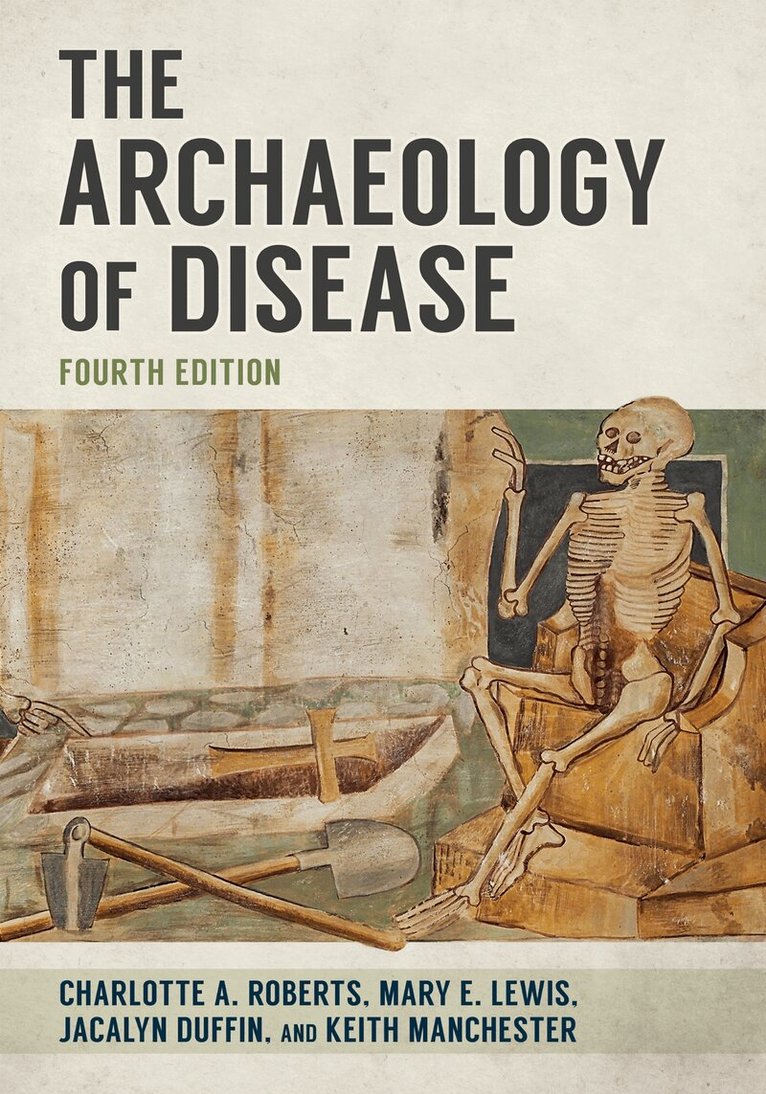
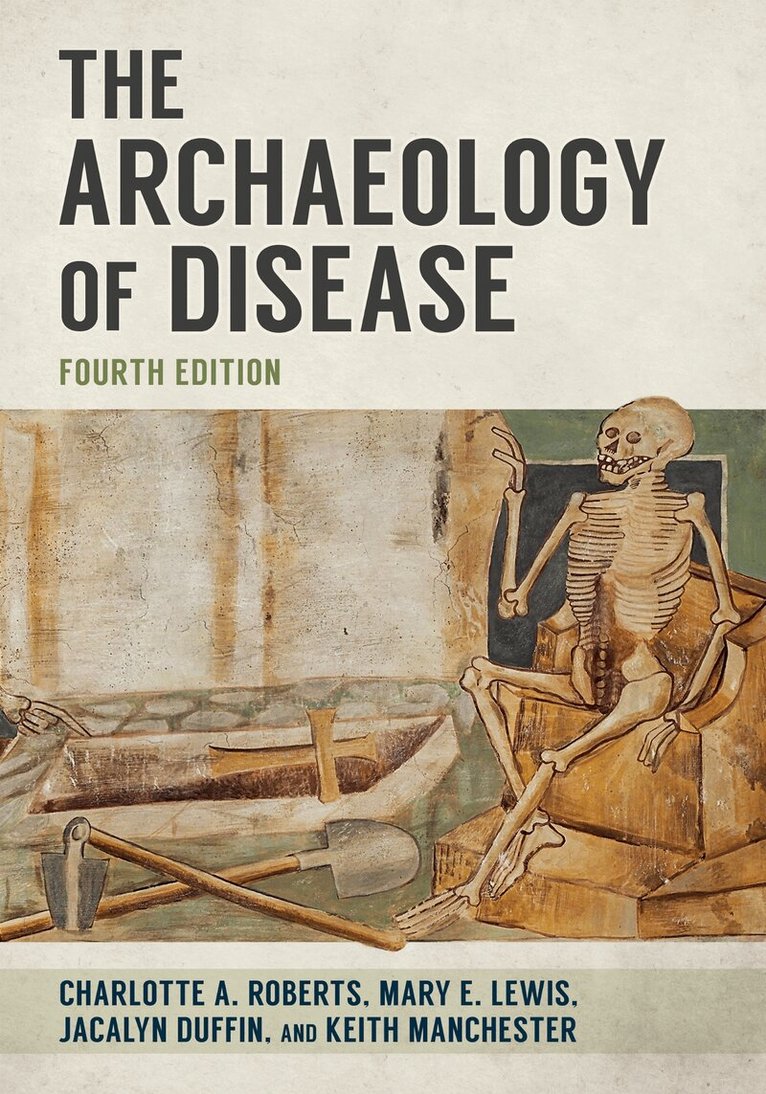
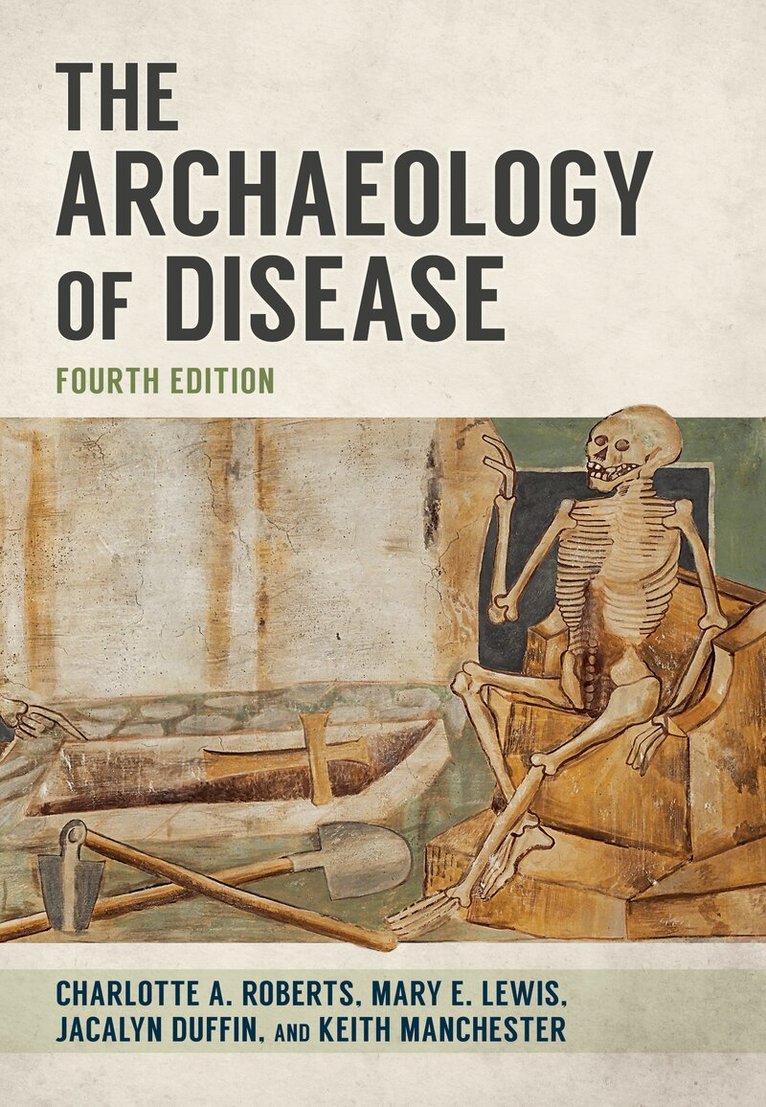
This revised fourth edition of The Archaeology of Disease focuses on reconstructing the origin, evolution, and history of disease as seen mainly through human skeletons from archaeological sites. In addition, this edition addresses new concepts in medicine and explores the challenges faced by individuals and populations, including their children. Integrating conceptual frameworks from bioarchaeology, medical history, and clinical health, the authors take a long view of disease over thousands of years to examine how frequencies of disease have changed over time in relation to epidemiological transitions. They further investigate the risk of disease in populations at specific time periods and geographic locations. As a result, they provide a better understanding of the impact of health problems on our ancestors and present ethical considerations for palaeopathologists around the world when working with human remains using both archaeological and historical evidence.
461 kr
Kommande
This revised fourth edition of The Archaeology of Disease focuses on reconstructing the origin, evolution, and history of disease as seen mainly through human skeletons from archaeological sites. In addition, this edition addresses new concepts in medicine and explores the challenges faced by individuals and populations, including their children. Integrating conceptual frameworks from bioarchaeology, medical history, and clinical health, the authors take a long view of disease over thousands of years to examine how frequencies of disease have changed over time in relation to epidemiological transitions. They further investigate the risk of disease in populations at specific time periods and geographic locations. As a result, they provide a better understanding of the impact of health problems on our ancestors and present ethical considerations for palaeopathologists around the world when working with human remains using both archaeological and historical evidence.
266 kr
Kommande
The Archaeology of Disease shows how the latest scientific and archaeological techniques can be used to identify the common illnesses and injuries that humans suffered from in antiquity. In order to give a vivid picture of ancient disease and trauma the authors present the results of the latest scientific research and incorporate information gathered from documents, from other areas of archaeology and from art and ethnography. This comprehensive approach to the subject throws fresh light on the health of our ancestors and on the conditions in which they lived, and it gives us an intriguing insight into the ways in which they coped with the pain and discomfort of their existence.