Keith Neilson – författare
Visar alla böcker från författaren Keith Neilson. Handla med fri frakt och snabb leverans.
36 produkter
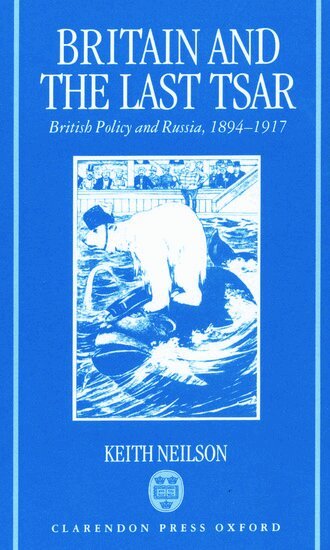
Britain and the Last Tsar
British Policy and Russia, 1894-1917
Inbunden, 1995
4074 kr
Lägg i varukorg
Britain and the Last Tsar is a fundamental re-interpretation of British foreign and defence policy before the First World War. The current orthodoxy asserts that the rise of an aggressive and powerful Germany forced Britain - a declining power - to abandon her traditional policy of avoiding …
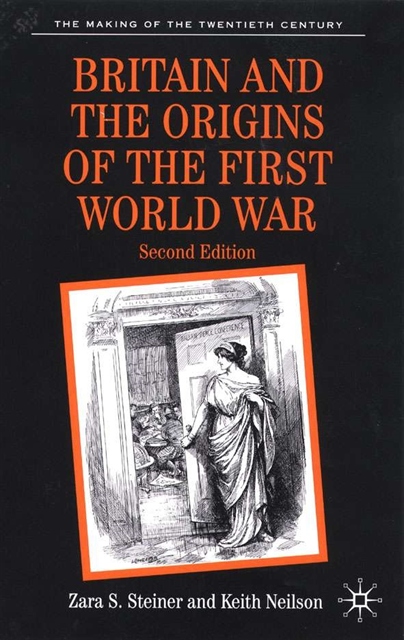
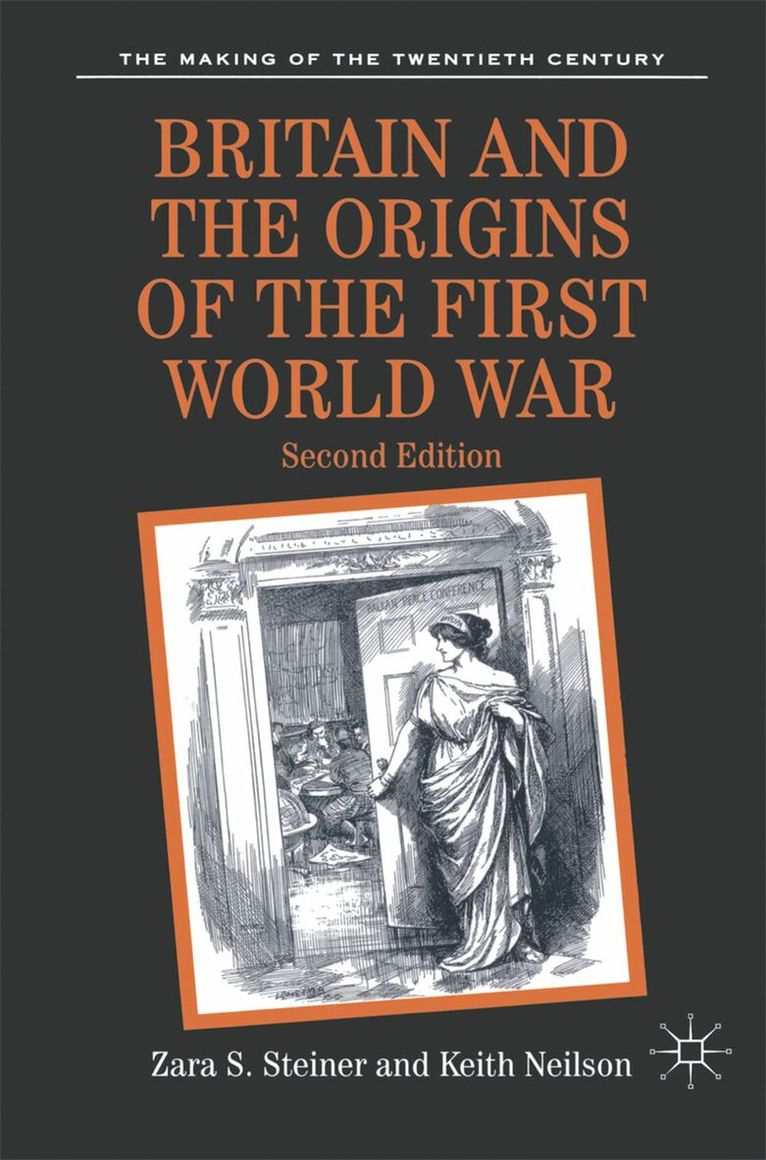
Britain and the Origins of the First World War
Av Zara S. Steiner, Keith Neilson
E-bok, 2017
626 kr
Lägg i varukorg
How and why did Britain become involved in the First World War? Taking into account the scholarship of the last twenty-five years, this second edition of Zara S. Steiner''s classic study, thoroughly revised with Keith Neilson, explores a subject which is as highly contentious as ever. While …
Cold War and Defense
Av Keith Neilson, Ronald G. Haycock
Inbunden, 1990
1066 kr
Lägg i varukorg
Written by an international group of distinguished historians, this volume offers both a more balanced and more particularized approach to the Cold War than has yet been available. The contributors seek to present the Cold War as a historical event, free from the heretofore widespread tendency to …
Go Spy the Land
Military Intelligence in History
Av Keith Neilson, B.J.C. Mckercher
Inbunden, 1992
854 kr
Lägg i varukorg
For too long military history has ignored the role of intelligence. As a result, many people do not realize that military intelligence has played a significant role in history. However, intelligence gathering, evaluation, and analysis has always been part of war. Lack of knowledge of how …
Elite Military Formations in War and Peace
Av A. Hamish Ion, Roch Legault m. fl.
Inbunden, 1996
880 kr
Lägg i varukorg
From Thermopylae to Belfast, elite military formations have been deployed against conventional or irregular forces. This study offers a superb analysis of elites in military history. A collection of brilliant studies by distinguished scholars, it illuminates, through a combination of overview and …
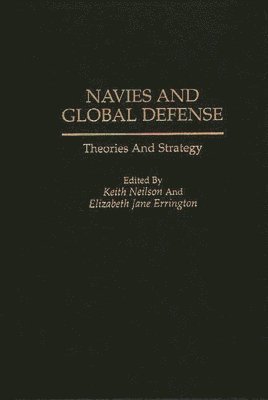
Navies and Global Defense
Theories and Strategy
Av Roch Legault, Keith Neilson m. fl.
Inbunden, 1995
1098 kr
Lägg i varukorg
These essays explore the link between the naval strength and global power of Great Britain and the United States from 1815 to the present. The British Way of Warfare assumed that the country with control of the sea could ensure safe and rapid communications for its commerce. The American theory of …
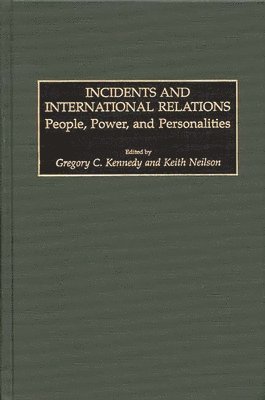
Incidents and International Relations
People, Power, and Personalities
Av Gregory C. Kennedy, Keith Neilson
Inbunden, 2002
1098 kr
Lägg i varukorg
Historians often ignore, treat cursorily, or relegate to footnotes specific incidents in international relations in order to facilitate the construction of a larger narrative. The contributors to this volume argue that researchers do so to their peril, as individual or seemingly isolated incidents …
Military Education
Past, Present, and Future
Av Gregory C. Kennedy, Keith Neilson
Inbunden, 2002
1098 kr
Lägg i varukorg
Often the only time a nation evaluates the education of its armed forces is during the aftermath of a great military disaster. Even in the light of an overwhelming victory, such as the Gulf War, questions about how well military education was addressing the study of asymmetric warfare, the …
Incidents and International Relations
People, Power, and Personalities
Av Gregory C. Kennedy, Keith Neilson
E-bok, 2002
1144 kr
Lägg i varukorg
Historians often ignore, treat cursorily, or relegate to footnotes specific incidents in international relations in order to facilitate the construction of a larger narrative. The contributors to this volume argue that researchers do so to their peril, as individual or seemingly isolated incidents …
Britain and the Origins of the First World War
Av Zara S. Steiner, Keith Neilson
Häftad, 2003
574 kr
Lägg i varukorg
How and why did Britain become involved in the First World War? Taking into account the scholarship of the last twenty-five years, this second edition of Zara S. Steiner's classic study, thoroughly revised with Keith Neilson, explores a subject which is as highly contentious as ever.While retaining …
Railways and International Politics
Paths of Empire, 1848-1945
Inbunden, 2006
3154 kr
Lägg i varukorg
This new study brings together leading experts to show how the modern world began with the coming of the railway. They clearly explain why it had a greater impact than any other technical or industrial innovation before and completely redefined the limits of the civilized world. While the effect of …
Permanent Under-Secretary for Foreign Affairs, 1854-1946
Inbunden, 2008
2585 kr
Lägg i varukorg
Chief among the personnel at the Foreign Office is the Permanent Under-secretary, the senior civil servant who oversees the department and advises the Foreign Secretary. This book is a study of the twelve men who held this Office from 1854–1946.
Permanent Under-Secretary for Foreign Affairs, 1854-1946
Häftad, 2012
741 kr
Lägg i varukorg
Chief among the personnel at the Foreign Office is the Permanent Under-secretary, the senior civil servant who oversees the department and advises the Foreign Secretary. This book is a study of the twelve men who held this Office from 1854–1946.
Railways and International Politics
Paths of Empire, 1848-1945
Häftad, 2012
876 kr
Lägg i varukorg
This new study brings together leading experts to show how the modern world began with the coming of the railway. They clearly explain why it had a greater impact than any other technical or industrial innovation before and completely redefined the limits of the civilized world. While the effect of …
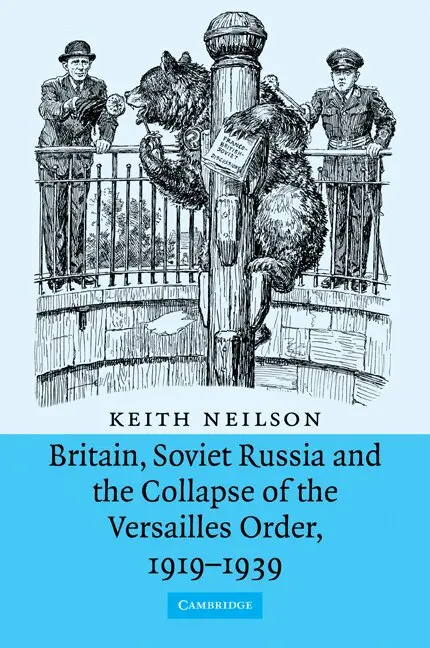
Britain, Soviet Russia and the Collapse of the Versailles Order, 1919-1939
Häftad, 2009
821 kr
Lägg i varukorg
A major re-interpretation of international relations in the period from 1919 to 1939. Avoiding such simplistic explanations as appeasement and British decline, Keith Neilson demonstrates that the underlying cause of the Second World War was the intellectual failure to find an effective means of …
Britain, Soviet Russia and the Collapse of the Versailles Order, 1919-1939
Inbunden, 2005
1123 kr
Lägg i varukorg
A major re-interpretation of international relations in the period from 1919 to 1939. Avoiding such simplistic explanations as appeasement and British decline, Keith Neilson demonstrates that the underlying cause of the Second World War was the intellectual failure to find an effective means of …
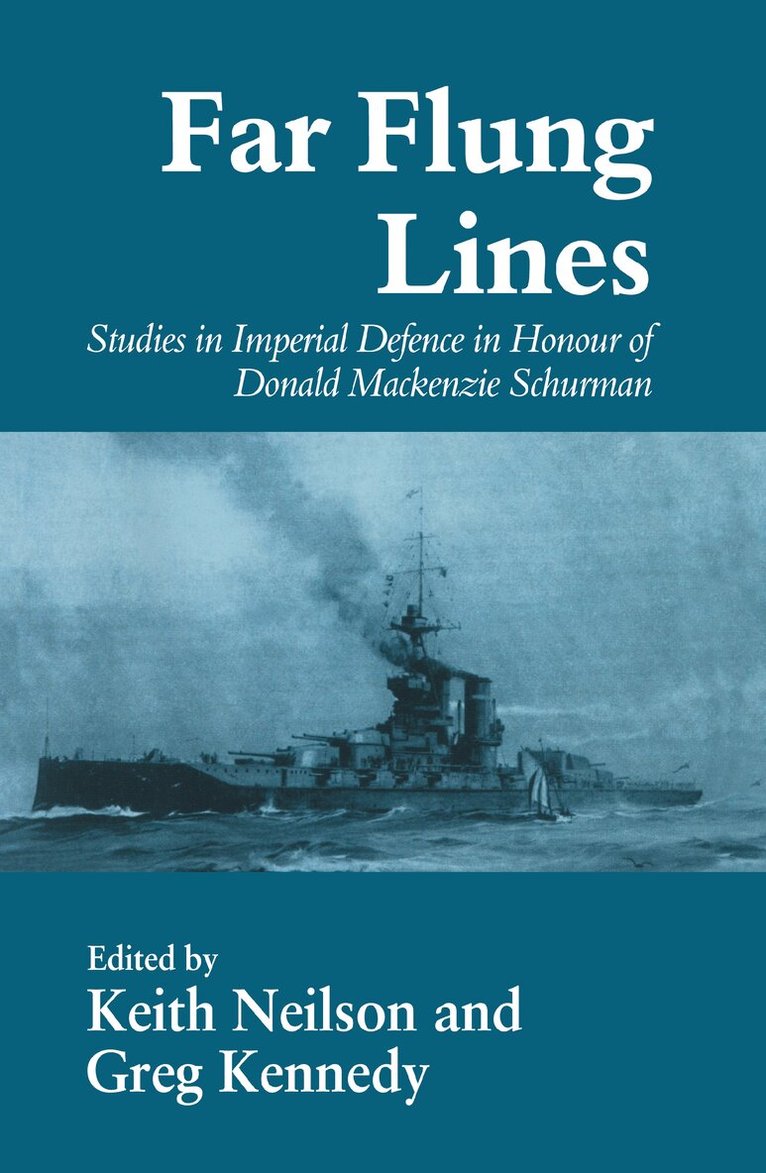
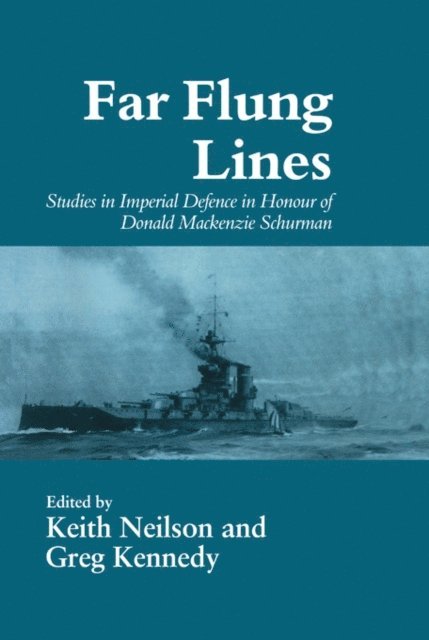
Far-flung Lines
Studies in Imperial Defence in Honour of Donald Mackenzie Schurman
Av Greg Kennedy, Keith Neilson
Häftad, 1996
1041 kr
Lägg i varukorg
These studies show how the British Empire used its maritime supremacy to construct and maintain a worldwide defence for its imperial interests. They rebut the idea that British defence policy in the late 19th and early 20th centuries was primarily concerned with the balance of power in Europe.
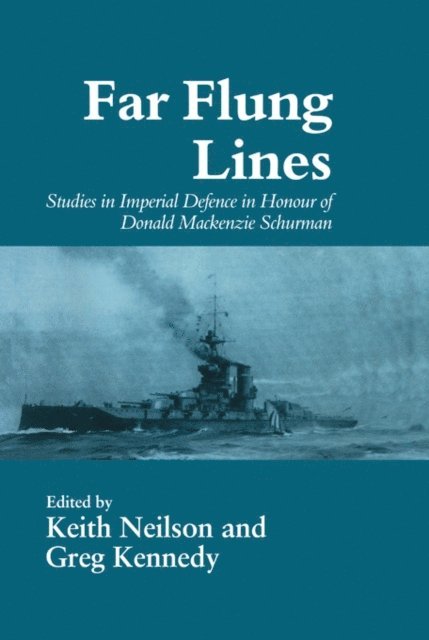
Far-flung Lines
Studies in Imperial Defence in Honour of Donald Mackenzie Schurman
Av Greg Kennedy, Keith Neilson
Inbunden, 1996
3262 kr
Lägg i varukorg
These studies show how the British Empire used its maritime supremacy to construct and maintain a worldwide defence for its imperial interests. They rebut the idea that British defence policy in the late 19th and early 20th centuries was primarily concerned with the balance of power in Europe.
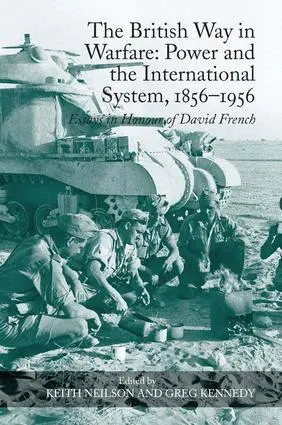
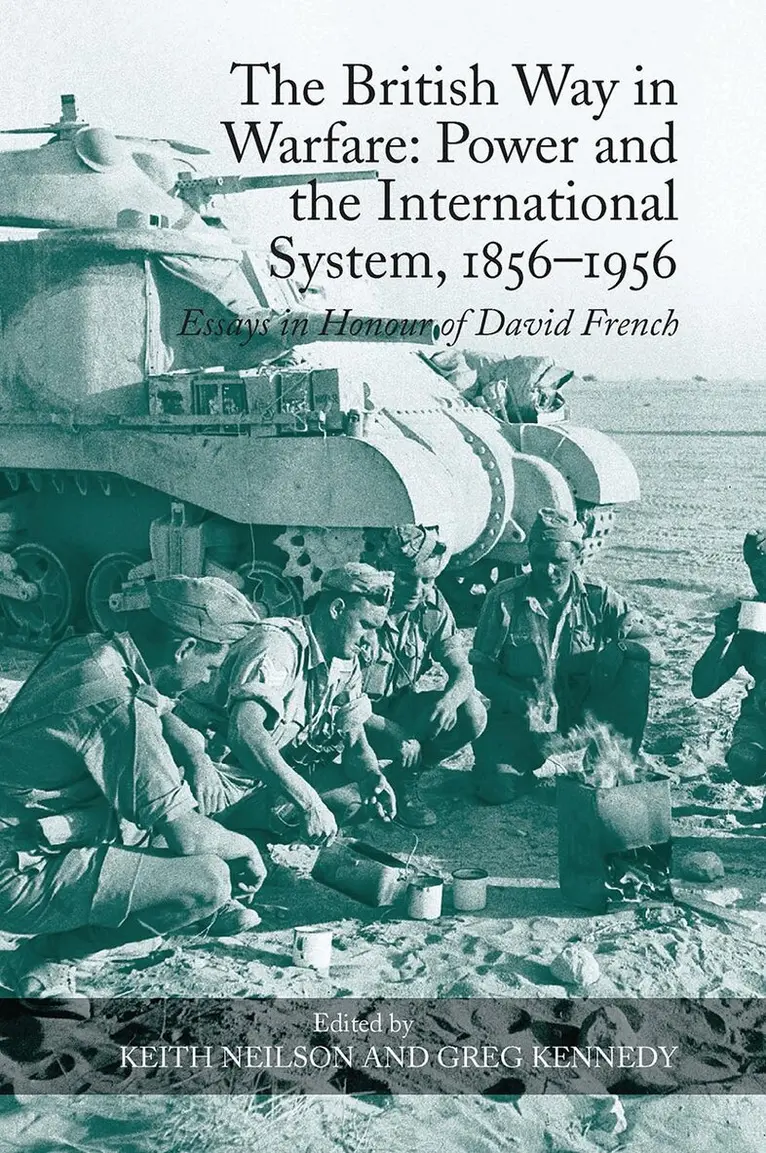
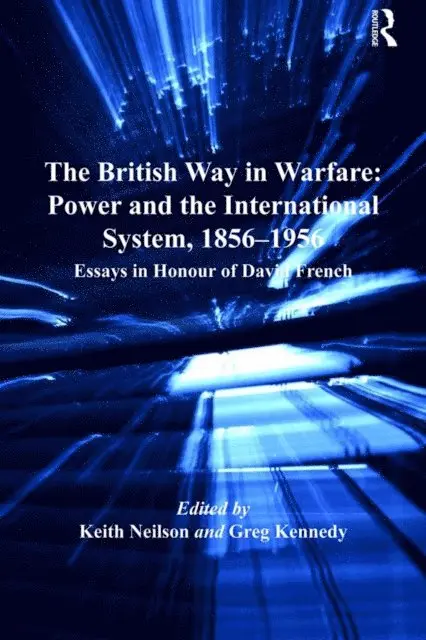
British Way in Warfare: Power and the International System, 1856–1956
Essays in Honour of David French
Av Keith Neilson, Greg Kennedy
Inbunden, 2010
3262 kr
Lägg i varukorg
In his groundbreaking book The British Way in Warfare (Routledge, 1990), David French outlined the skillful combination of maritime, economic and diplomatic power employed by Britain to achieve its international goals. Almost two decades later, this collection offers a reassessment of French's …
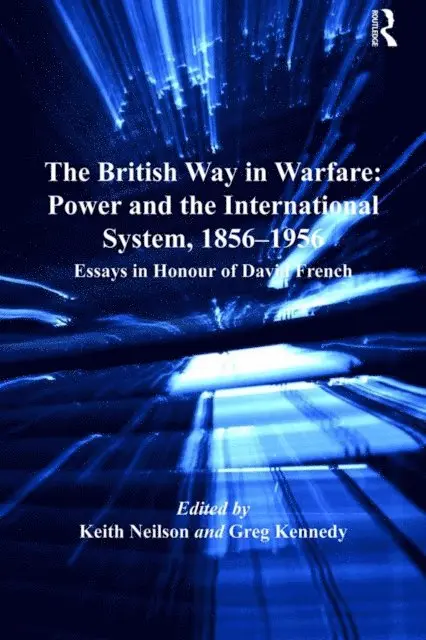
British Way in Warfare: Power and the International System, 1856–1956
Essays in Honour of David French
Av Keith Neilson, Greg Kennedy
Häftad, 2024
667 kr
Lägg i varukorg
In his groundbreaking book The British Way in Warfare (Routledge, 1990), David French outlined the skillful combination of maritime, economic and diplomatic power employed by Britain to achieve its international goals. Almost two decades later, this collection offers a reassessment of French's …
Permanent Under-Secretary for Foreign Affairs, 1854-1946
E-bok, 2008
874 kr
Lägg i varukorg
Chief among the personnel at the Foreign Office is the Permanent Under-secretary, the senior civil servant who oversees the department and advises the Foreign Secretary. This book is a study of the twelve men who held this Office from 1854–1946.
Permanent Under-Secretary for Foreign Affairs, 1854-1946
E-bok, 2008
874 kr
Lägg i varukorg
Chief among the personnel at the Foreign Office is the Permanent Under-secretary, the senior civil servant who oversees the department and advises the Foreign Secretary. This book is a study of the twelve men who held this Office from 1854–1946.
Railways and International Politics
Paths of Empire, 1848-1945
E-bok, 2012
1034 kr
Lägg i varukorg
This new study brings together leading experts to show how the modern world began with the coming of the railway. They clearly explain why it had a greater impact than any other technical or industrial innovation before and completely redefined the limits of the civilized world. While the effect of …
Railways and International Politics
Paths of Empire, 1848-1945
E-bok, 2012
1034 kr
Lägg i varukorg
This new study brings together leading experts to show how the modern world began with the coming of the railway. They clearly explain why it had a greater impact than any other technical or industrial innovation before and completely redefined the limits of the civilized world. While the effect of …
Far-flung Lines
Studies in Imperial Defence in Honour of Donald Mackenzie Schurman
Av Keith Neilson, Greg Kennedy
E-bok, 2013
1231 kr
Lägg i varukorg
These studies show how the British Empire used its maritime supremacy to construct and maintain a worldwide defence for its imperial interests. They rebut the idea that British defence policy in the late 19th and early 20th centuries was primarily concerned with the balance of power in Europe.
Far-flung Lines
Studies in Imperial Defence in Honour of Donald Mackenzie Schurman
Av Keith Neilson, Greg Kennedy
E-bok, 2013
1231 kr
Lägg i varukorg
These studies show how the British Empire used its maritime supremacy to construct and maintain a worldwide defence for its imperial interests. They rebut the idea that British defence policy in the late 19th and early 20th centuries was primarily concerned with the balance of power in Europe.
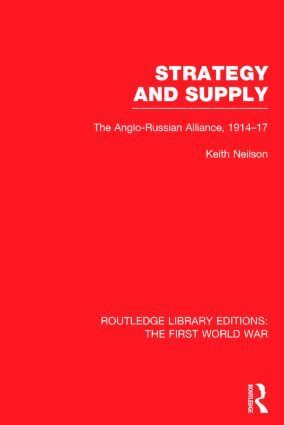
Strategy and Supply (RLE The First World War)
The Anglo-Russian Alliance 1914-1917
Inbunden, 2014
2585 kr
Lägg i varukorg
Based on a wide range of primary sources, this book shows the way in which diplomacy, economics, finance and strategy became intertwined during the First World War. The author examines the diplomatic, economic, financial and military relations between Britain and Russia and argues that the key to …
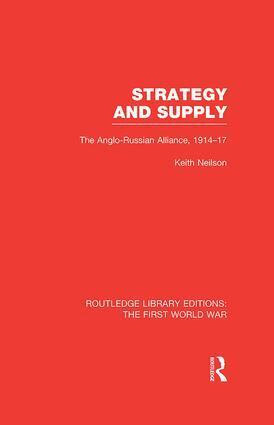
Strategy and Supply (RLE The First World War)
The Anglo-Russian Alliance 1914-1917
Häftad, 2015
771 kr
Lägg i varukorg
Based on a wide range of primary sources, this book shows the way in which diplomacy, economics, finance and strategy became intertwined during the First World War. The author examines the diplomatic, economic, financial and military relations between Britain and Russia and argues that the key to …
British Way in Warfare: Power and the International System, 1856,1956
Essays in Honour of David French
Av Keith Neilson, Greg Kennedy
E-bok, 2016
785 kr
Lägg i varukorg
In his groundbreaking book The British Way in Warfare (Routledge, 1990), David French outlined the skillful combination of maritime, economic and diplomatic power employed by Britain to achieve its international goals. Almost two decades later, this collection offers a reassessment of French''s …
British Way in Warfare: Power and the International System, 1856,1956
Essays in Honour of David French
Av Keith Neilson, Greg Kennedy
E-bok, 2016
785 kr
Lägg i varukorg
In his groundbreaking book The British Way in Warfare (Routledge, 1990), David French outlined the skillful combination of maritime, economic and diplomatic power employed by Britain to achieve its international goals. Almost two decades later, this collection offers a reassessment of French''s …