Keith Waters – författare
Visar alla böcker från författaren Keith Waters. Handla med fri frakt och snabb leverans.
19 produkter
The Studio Recordings of the Miles Davis Quintet, 1965-68
Av Keith Waters
Häftad, 2011
503 kr
Lägg i varukorg
The influence of Miles Davis's "second great quintet," consisting of Davis (trumpet), Wayne Shorter (tenor saxophone), Herbie Hancock (piano), Ron Carter (bass), and Tony Williams (drums) continues to resonate. Jazz musicians, historians, and critics have celebrated the group for its …
Postbop Jazz in the 1960s
The Compositions of Wayne Shorter, Herbie Hancock, and Chick Corea
Av Keith Waters
Inbunden, 2019
502 kr
Lägg i varukorg
Innovations in postbop jazz compositions of the 1960s occurred in several dimensions, including harmony, form, and melody. Postbop jazz composers such as Wayne Shorter, Herbie Hancock, and Chick Corea broke with earlier tonal jazz traditions. Their compositions marked a departure from the …
Postbop Jazz in the 1960s
The Compositions of Wayne Shorter, Herbie Hancock, and Chick Corea
Av Keith Waters
E-bok, 2019
252 kr
Lägg i varukorg
Innovations in postbop jazz compositions of the 1960s occurred in several dimensions, including harmony, form, and melody. Postbop jazz composers such as Wayne Shorter, Herbie Hancock, and Chick Corea broke with earlier tonal jazz traditions. Their compositions marked a departure from the …
Postbop Jazz in the 1960s
The Compositions of Wayne Shorter, Herbie Hancock, and Chick Corea
Av Keith Waters
E-bok, 2019
252 kr
Lägg i varukorg
Innovations in postbop jazz compositions of the 1960s occurred in several dimensions, including harmony, form, and melody. Postbop jazz composers such as Wayne Shorter, Herbie Hancock, and Chick Corea broke with earlier tonal jazz traditions. Their compositions marked a departure from the …
The Studio Recordings of the Miles Davis Quintet, 1965–68
Av Keith Waters
Inbunden, 2011
2375 kr
Lägg i varukorg
The influence of Miles Davis's "second great quintet," consisting of Davis (trumpet), Wayne Shorter (tenor saxophone), Herbie Hancock (piano), Ron Carter (bass), and Tony Williams (drums) continues to resonate. Jazz musicians, historians, and critics have celebrated the group for its …
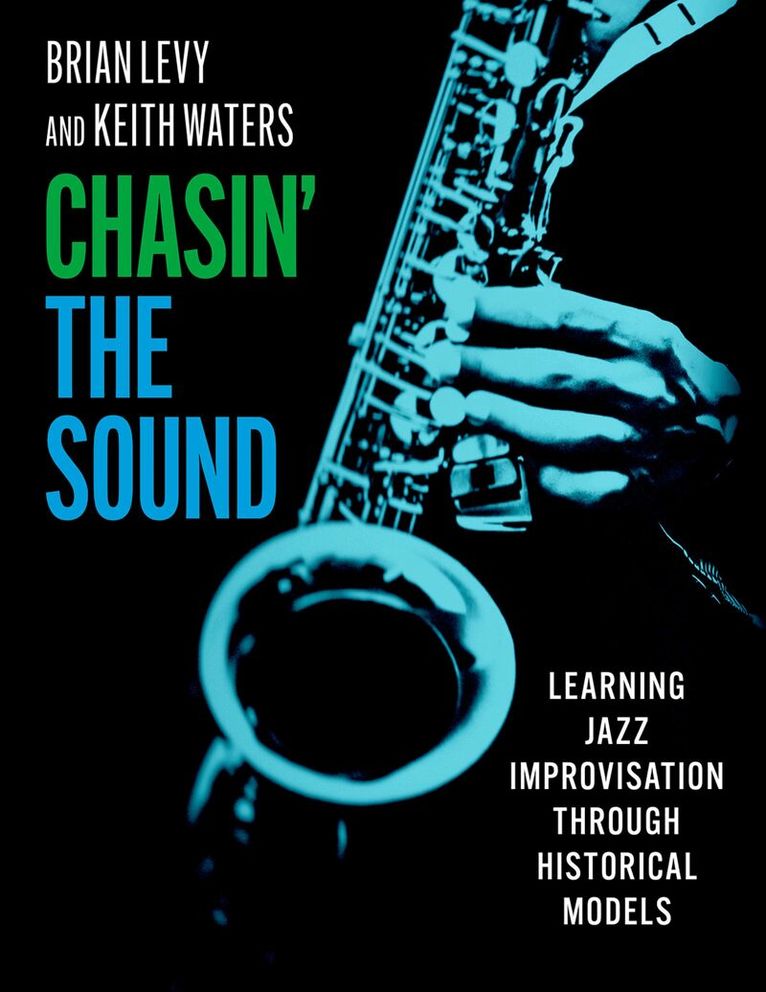
Chasin' the Sound
Learning Jazz Improvisation through Historical Models
Inbunden, 2025
1381 kr
Lägg i varukorg
In Chasin' the Sound: Learning Jazz Improvisation through Historical Models, authors Brian Levy and Keith Waters use solos by famous jazz musicians to outline a melodic and rhythmic vocabulary of jazz improvisation. In contrast to mainstream approaches based on rote memorization and generic …
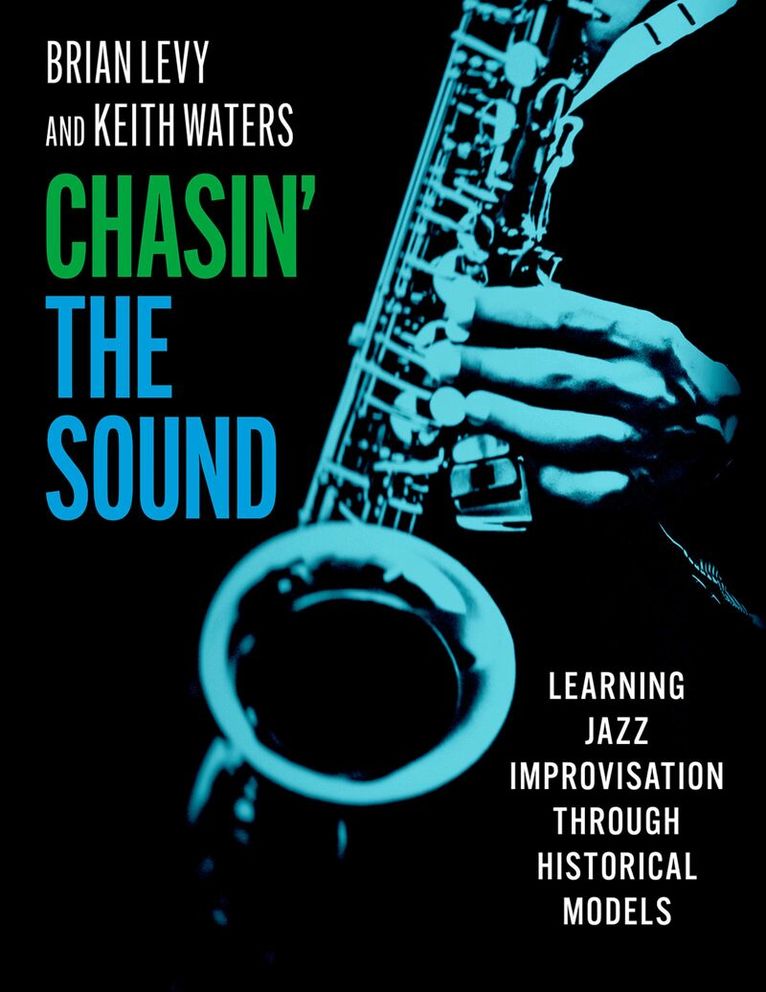
Chasin' the Sound
Learning Jazz Improvisation through Historical Models
Häftad, 2025
375 kr
Lägg i varukorg
In Chasin' the Sound: Learning Jazz Improvisation through Historical Models, authors Brian Levy and Keith Waters use solos by famous jazz musicians to outline a melodic and rhythmic vocabulary of jazz improvisation. In contrast to mainstream approaches based on rote memorization and generic …
Chasin' the Sound
Learning Jazz Improvisation through Historical Models
E-bok, 2025
356 kr
Lägg i varukorg
In Chasin' the Sound: Learning Jazz Improvisation through Historical Models, authors Brian Levy and Keith Waters use solos by famous jazz musicians to outline a melodic and rhythmic vocabulary of jazz improvisation. In contrast to mainstream approaches based on rote memorization and generic …
Chasin' the Sound
Learning Jazz Improvisation through Historical Models
E-bok, 2025
364 kr
Lägg i varukorg
In Chasin' the Sound: Learning Jazz Improvisation through Historical Models, authors Brian Levy and Keith Waters use solos by famous jazz musicians to outline a melodic and rhythmic vocabulary of jazz improvisation. In contrast to mainstream approaches based on rote memorization and generic …
Studio Recordings of the Miles Davis Quintet, 1965-68
Av Keith Waters
E-bok, 2011
397 kr
Lägg i varukorg
The "Second Quintet" -- the Miles Davis Quintet of the mid-1960s -- was one of the most innovative and influential groups in the history of the genre. Each of the musicians who performed with Davis--saxophonist Wayne Shorter, pianist Herbie Hancock, bassist Ron Carter, and drummer Tony …
Studio Recordings of the Miles Davis Quintet, 1965-68
Av Keith Waters
E-bok, 2011
397 kr
Lägg i varukorg
The "Second Quintet" -- the Miles Davis Quintet of the mid-1960s -- was one of the most innovative and influential groups in the history of the genre. Each of the musicians who performed with Davis--saxophonist Wayne Shorter, pianist Herbie Hancock, bassist Ron Carter, and drummer Tony …
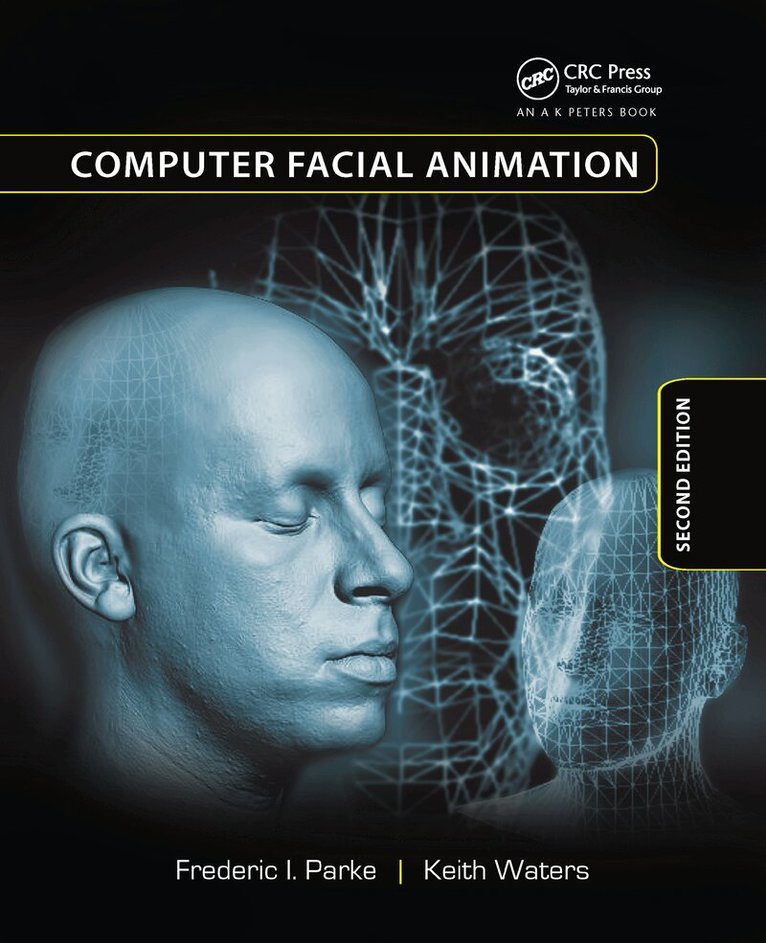
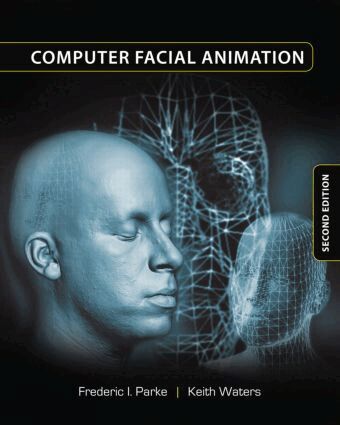
Computer Facial Animation
Av Frederic I. Parke, Keith Waters
Häftad, 2020
755 kr
Lägg i varukorg
This comprehensive work provides the fundamentals of computer facial animation and brings into sharper focus techniques that are becoming mainstream in the industry. Over the past decade, since the publication of the first edition, there have been significant developments by academic research …
Computer Facial Animation
Av Keith Waters, Frederic I. Parke
E-bok, 2008
892 kr
Lägg i varukorg
This comprehensive work provides the fundamentals of computer facial animation and brings into sharper focus techniques that are becoming mainstream in the industry. Over the past decade, since the publication of the first edition, there have been significant developments by academic research …
Rhythmic and Contrapuntal Structures in the Music of Arthur Honegger
Av Keith Waters
Häftad, 2020
559 kr
Lägg i varukorg
This title was first published in 2002. Through analyses of a number of Honegger's compositions, including extended analyses of two of Honegger's orchestral works, "Mouvement symphonique No. 2 (Rugby)" and "Symphonie pour cordes", Keith Waters examines the principles of musical organization in …
Rhythmic and Contrapuntal Structures in the Music of Arthur Honegger
Av Keith Waters
Inbunden, 2019
1821 kr
Lägg i varukorg
This title was first published in 2002. Through analyses of a number of Honegger's compositions, including extended analyses of two of Honegger's orchestral works, "Mouvement symphonique No. 2 (Rugby)" and "Symphonie pour cordes", Keith Waters examines the principles of musical organization in …
Rhythmic and Contrapuntal Structures in the Music of Arthur Honegger
Av Keith Waters
E-bok, 2019
658 kr
Lägg i varukorg
This title was first published in 2002. Through analyses of a number of Honegger''s compositions, including extended analyses of two of Honegger''s orchestral works, "Mouvement symphonique No. 2 (Rugby)" and "Symphonie pour cordes", Keith Waters examines the principles of musical organization in …
Rhythmic and Contrapuntal Structures in the Music of Arthur Honegger
Av Keith Waters
E-bok, 2019
658 kr
Lägg i varukorg
This title was first published in 2002. Through analyses of a number of Honegger''s compositions, including extended analyses of two of Honegger''s orchestral works, "Mouvement symphonique No. 2 (Rugby)" and "Symphonie pour cordes", Keith Waters examines the principles of musical organization in …
Computer Facial Animation
Av Keith Waters, Frederic I. Parke
E-bok, 2008
892 kr
Lägg i varukorg
This comprehensive work provides the fundamentals of computer facial animation and brings into sharper focus techniques that are becoming mainstream in the industry. Over the past decade, since the publication of the first edition, there have been significant developments by academic research …
Computer Facial Animation
Av Frederic I. Parke, Keith Waters
Inbunden, 2008
2190 kr
Lägg i varukorg
This comprehensive work provides the fundamentals of computer facial animation and brings into sharper focus techniques that are becoming mainstream in the industry. Over the past decade, since the publication of the first edition, there have been significant developments by academic research …