Kelley Helmstutler Di Dio – författare
704 kr
Skickas inom 10-15 vardagar
831 kr
Läs direkt efter köp
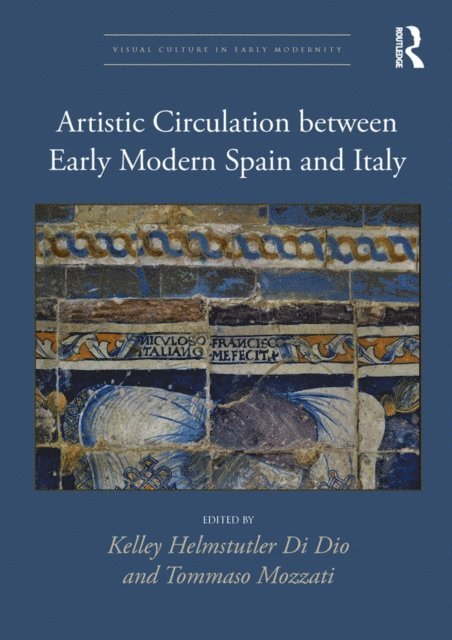
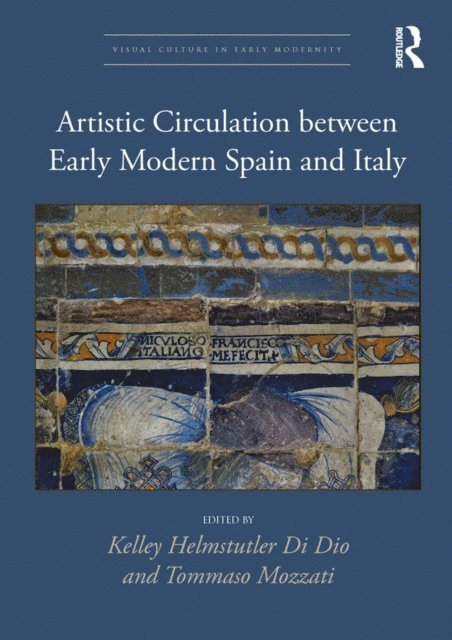
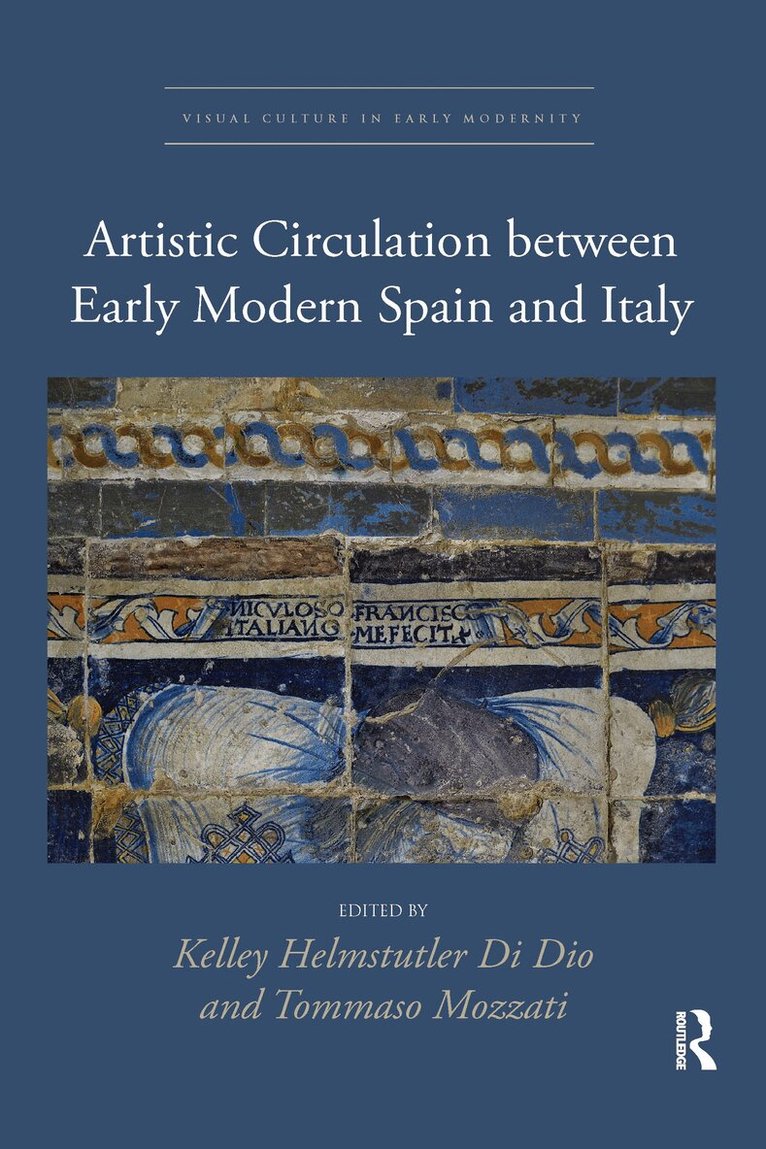
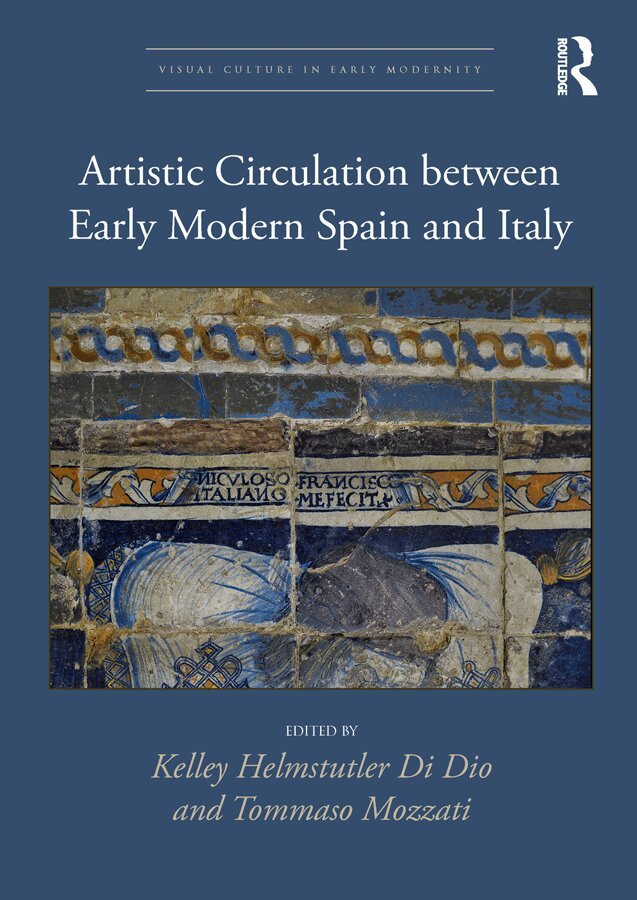
This collection of essays by major scholars in the field explores how the rich intersections between Italy and Spain during the early modern period resulted in a confluence of cultural ideals. Various means of exchange and convergence are explored through two main catalysts: humans—their trips or resettlements—and objects—such as books, paintings, sculptures, and prints. The visual and textual evidence of the transmission of ideas, iconographies and styles are examined, such as triumphal ephemera, treatises on painting, the social status of the artist, collections and their display, church decoration, and funerary monuments, providing a more nuanced understanding of the exchanges of styles, forms and ideals across southern Europe.
831 kr
Läs direkt efter köp
This collection of essays by major scholars in the field explores how the rich intersections between Italy and Spain during the early modern period resulted in a confluence of cultural ideals. Various means of exchange and convergence are explored through two main catalysts: humans—their trips or resettlements—and objects—such as books, paintings, sculptures, and prints. The visual and textual evidence of the transmission of ideas, iconographies and styles are examined, such as triumphal ephemera, treatises on painting, the social status of the artist, collections and their display, church decoration, and funerary monuments, providing a more nuanced understanding of the exchanges of styles, forms and ideals across southern Europe.
2 508 kr
Skickas inom 10-15 vardagar
704 kr
Skickas inom 10-15 vardagar
530 kr
Skickas inom 10-15 vardagar
921 kr
Skickas inom 10-15 vardagar
2 126 kr
Skickas inom 10-15 vardagar
624 kr
Läs direkt efter köp
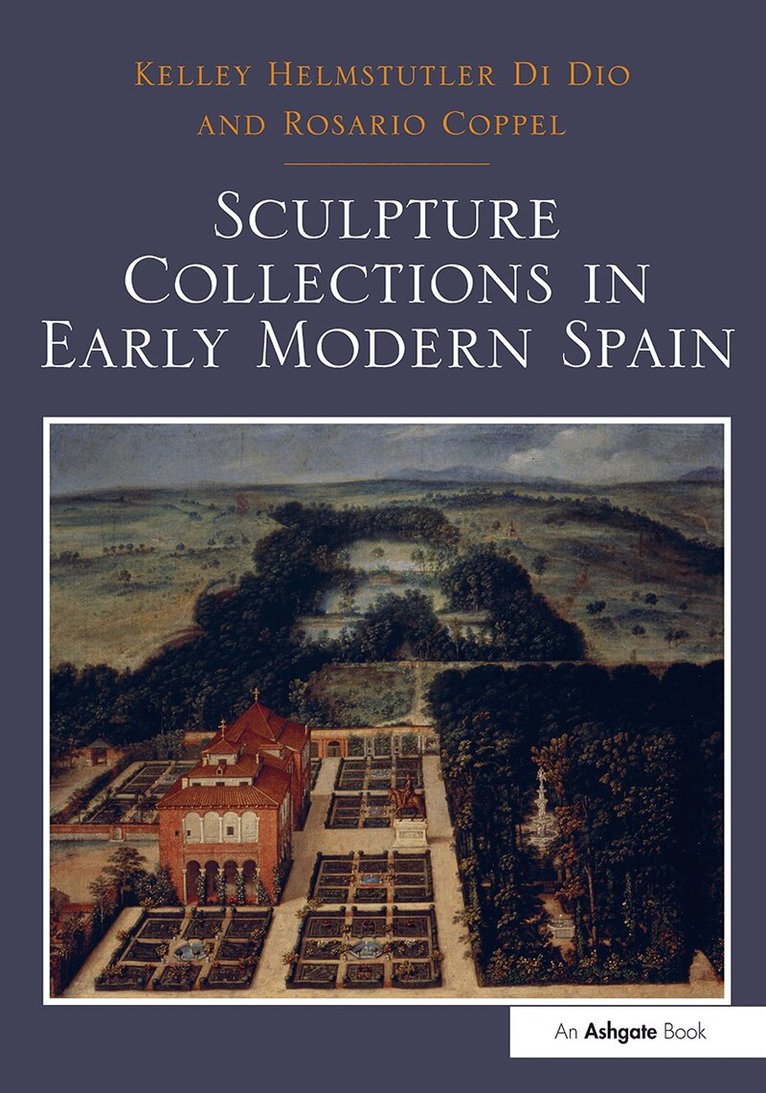
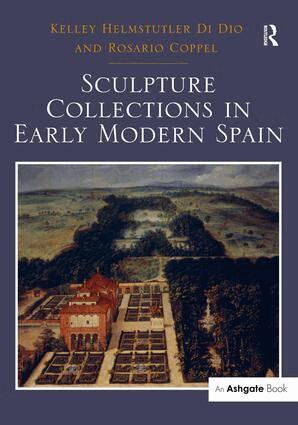
In the past decade, there has been a surge of Anglophone scholarship regarding Spain in the sixteenth and seventeenth centuries, which has led to a reframing of the discourses around Spanish culture of this period. Despite this new interest-in which painting, in particular, has been singled out for treatment-a comprehensive study of sculpture collections and the status of sculpture in Spain has yet to be produced. Sculpture Collections in Early Modern Spain is the first book to assess the phenomenon of sculpture collecting and in doing so, it alters the previously held notion that Spanish society placed little value in this art form. Di Dio and Coppel reveal that, due to the problems and expense of their transport from Italy, sculptures were in fact status symbols in the culture. Thus they were an important component of the collections formed by the royal family, cultivated noble collectors, humanists, and artists who had pretensions of high status. This book is especially useful to specialists for its discussion of the typologies of collections and objects, and of the mechanics of state gifts, transport, and collection display in this period. An appendix presents extensive archival documentation, most of which has never before been published. The authors have uncovered hundreds of new documents about sculpture in Spain; and new documentary evidence allows them to propose several new identifications and attributions. Firmly grounded in extensive archival research, Sculpture Collections in Early Modern Spain redefines the socio-political and art historical importance of sculpture in early modern Spain. Most importantly, it entirely transforms our knowledge regarding the presence of sculpture in a wide range of Spanish collections of the period, which until now has been erroneously characterized as close to non-existent.
624 kr
Läs direkt efter köp
In the past decade, there has been a surge of Anglophone scholarship regarding Spain in the sixteenth and seventeenth centuries, which has led to a reframing of the discourses around Spanish culture of this period. Despite this new interest-in which painting, in particular, has been singled out for treatment-a comprehensive study of sculpture collections and the status of sculpture in Spain has yet to be produced. Sculpture Collections in Early Modern Spain is the first book to assess the phenomenon of sculpture collecting and in doing so, it alters the previously held notion that Spanish society placed little value in this art form. Di Dio and Coppel reveal that, due to the problems and expense of their transport from Italy, sculptures were in fact status symbols in the culture. Thus they were an important component of the collections formed by the royal family, cultivated noble collectors, humanists, and artists who had pretensions of high status. This book is especially useful to specialists for its discussion of the typologies of collections and objects, and of the mechanics of state gifts, transport, and collection display in this period. An appendix presents extensive archival documentation, most of which has never before been published. The authors have uncovered hundreds of new documents about sculpture in Spain; and new documentary evidence allows them to propose several new identifications and attributions. Firmly grounded in extensive archival research, Sculpture Collections in Early Modern Spain redefines the socio-political and art historical importance of sculpture in early modern Spain. Most importantly, it entirely transforms our knowledge regarding the presence of sculpture in a wide range of Spanish collections of the period, which until now has been erroneously characterized as close to non-existent.
2 503 kr
Skickas inom 10-15 vardagar
2 503 kr
Skickas inom 5-8 vardagar
1 916 kr
Skickas inom 3-6 vardagar