Kenneth A. Dodge - Böcker
Visar alla böcker från författaren Kenneth A. Dodge. Handla med fri frakt och snabb leverans.
9 produkter
9 produkter
493 kr
Skickas inom 7-10 vardagar
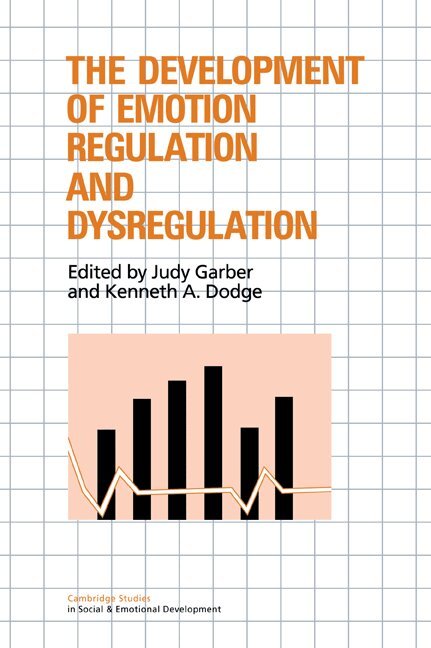
This volume provides a developmental perspective of the regulation and dysregulation of emotion, in particular, how children learn about feelings and how they learn to deal with both positive and negative feelings. Emotion regulation involves the interaction of physical, behavioural and cognitive processes in response to changes in one's emotional state. The changes can be brought on by factors internal to the individual (e.g. biological) or external (e.g. other people). Featuring contributions from leading researchers in developmental psychopathology, the volume concentrates on theories and data concerning the development of emotion regulation with an emphasis on both intrapersonal and interpersonal processes. Original conceptualizations of the reciprocal influences among the various response systems - neurophysiological-biochemical, behavioral-expressive, and subjective-experiential - are provided, and the individual chapters address both normal and psychopathological forms of emotion regulation, particularly depression and aggression, from infancy through adolescence. This book will appeal to specialists in developmental, clinical and social psychology, psychiatry, education, and others interested in understanding the developmental processes involved in the regulation of emotion over the course of childhood.
1 606 kr
Skickas inom 7-10 vardagar
This volume provides a developmental perspective of the regulation and dysregulation of emotion, in particular, how children learn about feelings and how they learn to deal with both positive and negative feelings. Emotion regulation involves the interaction of physical, behavioural and cognitive processes in response to changes in one's emotional state. The changes can be brought on by factors internal to the individual (e.g. biological) or external (e.g. other people). Featuring contributions from leading researchers in developmental psychopathology, the volume concentrates on theories and data concerning the development of emotion regulation with an emphasis on both intrapersonal and interpersonal processes. Original conceptualizations of the reciprocal influences among the various response systems - neurophysiological-biochemical, behavioral-expressive, and subjective-experiential - are provided, and the individual chapters address both normal and psychopathological forms of emotion regulation, particularly depression and aggression, from infancy through adolescence. This book will appeal to specialists in developmental, clinical and social psychology, psychiatry, education, and others interested in understanding the developmental processes involved in the regulation of emotion over the course of childhood.
241 kr
Skickas inom 7-10 vardagar
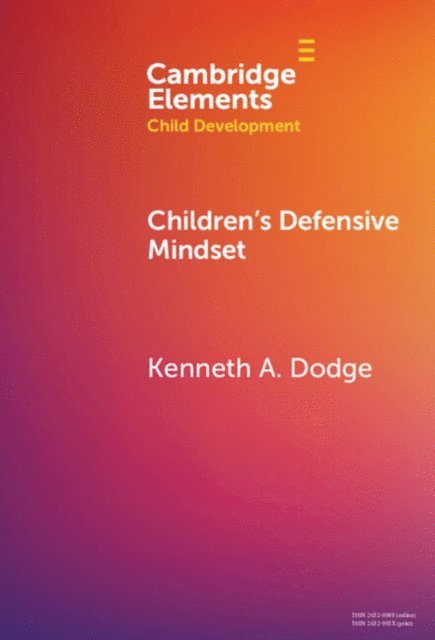
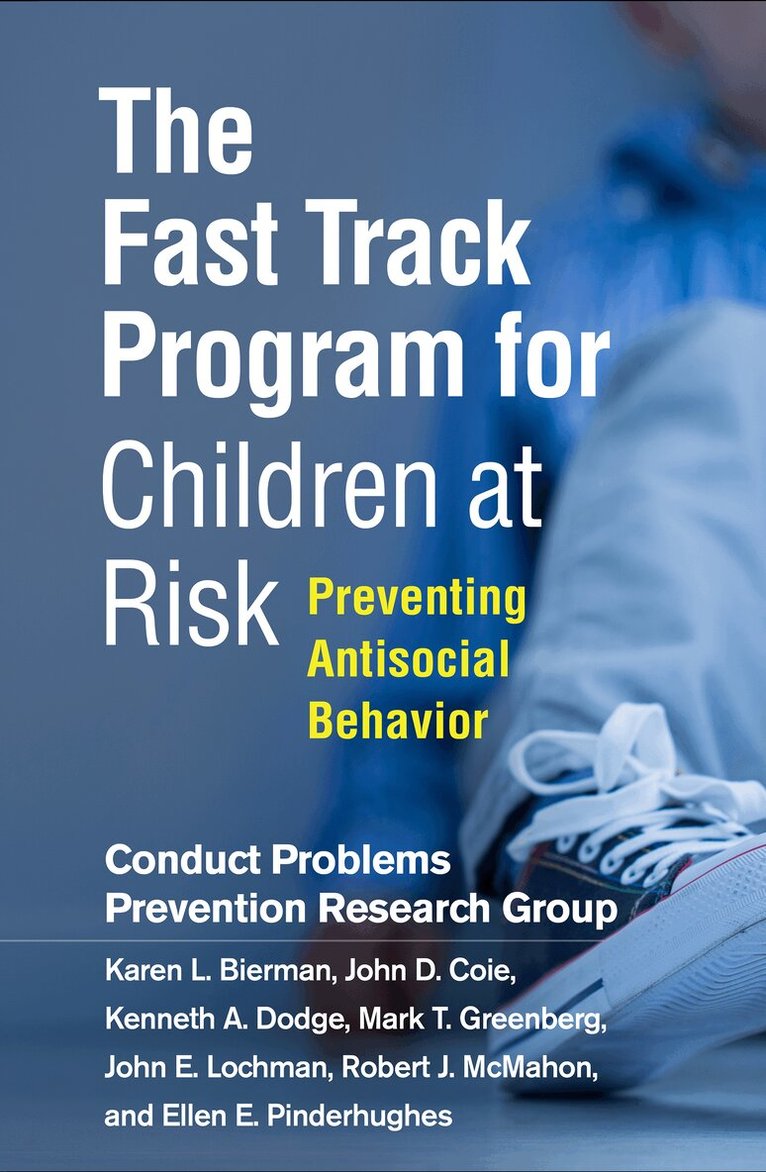
The primary psychological process leading aggressive children to grow into dysfunctional adults is a defensive mindset, which encompasses a pattern of deviant social information processing steps, including hypervigilance to threat; hostile attributional biases; psychophysiological reactivity, experience of rage and testosterone release (in males); aggressive problem-solving styles; aggressogenic decision-making biases; and deficient behavioral skills. These processes are acquired in childhood and predict adult maladjustment outcomes, including incarceration and premature death. The antecedents of defensive mindset lie in early childhood experiences of trauma and threat. The Fast Track (FT) intervention was designed to improve social competence in aggressive children. A randomized controlled trial demonstrated that FT is effective in preventing externalizing psychopathology; the primary mediating factor is the reduction of defensive mindset processes. This Element concludes with insights that defensive mindset might also explain dysfunction in other realms, including school culture, parenting, marriage, the workplace, intergroup relationships, politics, and international relations.
775 kr
Skickas inom 7-10 vardagar
The primary psychological process leading aggressive children to grow into dysfunctional adults is a defensive mindset, which encompasses a pattern of deviant social information processing steps, including hypervigilance to threat; hostile attributional biases; psychophysiological reactivity, experience of rage and testosterone release (in males); aggressive problem-solving styles; aggressogenic decision-making biases; and deficient behavioral skills. These processes are acquired in childhood and predict adult maladjustment outcomes, including incarceration and premature death. The antecedents of defensive mindset lie in early childhood experiences of trauma and threat. The Fast Track (FT) intervention was designed to improve social competence in aggressive children. A randomized controlled trial demonstrated that FT is effective in preventing externalizing psychopathology; the primary mediating factor is the reduction of defensive mindset processes. This Element concludes with insights that defensive mindset might also explain dysfunction in other realms, including school culture, parenting, marriage, the workplace, intergroup relationships, politics, and international relations.
552 kr
Skickas inom 7-10 vardagar
The book offers an extensive exploration of the childhood factors that can lead to substance abuse. Puts forward a dynamic cascade model of the development of adolescent substance-use onsetModel is based on broad sampling of children from prekindergarten through to Grade 12The results offer practical suggestions for interventions, public policies, and economics of substance-use and future inquiry
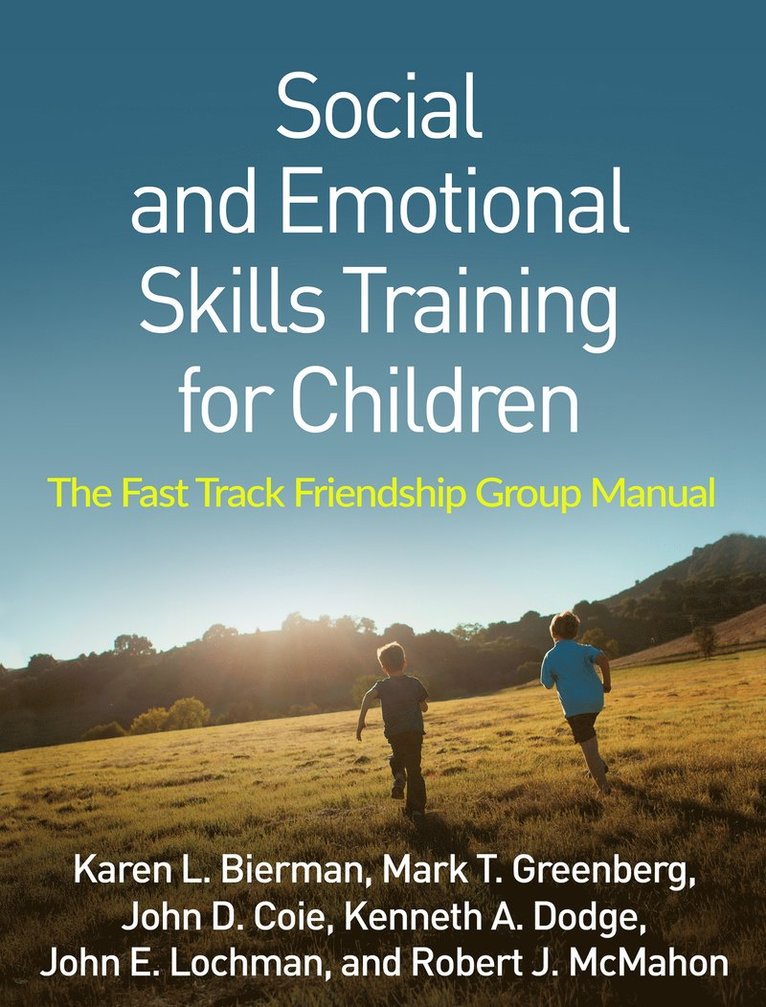
Social and Emotional Skills Training for Children
The Fast Track Friendship Group Manual
Häftad, Engelska, 2017
635 kr
Skickas inom 10-15 vardagar
From leading authorities, this volume presents a unique evidence-based group intervention for the 10–15% of children who are challenged by peer difficulties in elementary school. The book features 145 engaging full-color reproducible handouts, posters, and other tools. In addition to teaching core social skills (participation, communication, cooperation, good sportsmanship, conflict resolution), Friendship Group promotes emotional understanding and empathy, self-control, and effective coping with social stressors. Two complete sets of sessions are provided (grades K-2 and 3–5), including step-by-step implementation guidelines. The large-size format facilitates photocopying; purchasers also get access to a Web page where they can download and print the reproducible materials.See also the authors' Fast Track Program for Children at Risk: Preventing Antisocial Behavior, which describes the landmark study that used Friendship Group in tandem with other school- and family-based interventions.
454 kr
Skickas inom 10-15 vardagar
This unique volume reports on the largest long-term preventive intervention study ever conducted with children at risk for serious violence and poor life outcomes. From first through 10th grade, Fast Track provided multicomponent interventions to support children, families, and schools in achieving positive social, emotional, and academic outcomes. The book explores the developmental processes associated with early aggression, describes how each component of FastTrack was developed and implemented, and summarizes outcomes up to 20 years later. Vivid case studies track the impact of comprehensive school- and family-based programming on children's pathways through the elementary and high school years. The concluding chapter offers recommendations for using Fast Track components in future violence prevention initiatives.See also the authors' Social and Emotional Skills Training for Children: The Fast Track Friendship Group Manual, a step-by-step guide to implementing one of the core components of Fast Track.
728 kr
Skickas inom 7-10 vardagar
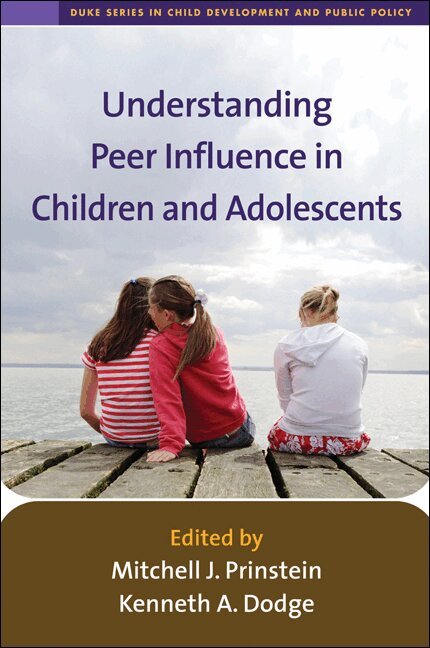
Scientists, educators, and parents of teens have long recognized the potency of peer influences on children and youth, but until recently, questions of how and why adolescents emulate their peers were largely overlooked. This book presents a comprehensive framework for understanding the processes by which peers shape each other's attitudes and behavior, and explores implications for intervention and prevention. Leading authorities share compelling findings on such topics as how drug use, risky sexual behavior, and other deviant behaviors catch on among certain peer groups or cliques; the social, cognitive, developmental, and contextual factors that strengthen or weaken the power of peer influence; and the nature of positive peer influences and how to support them.
479 kr
Skickas inom 7-10 vardagar
Scientists, educators, and parents of teens have long recognized the potency of peer influences on children and youth, but until recently, questions of how and why adolescents emulate their peers were largely overlooked. This book presents a comprehensive framework for understanding the processes by which peers shape each other's attitudes and behavior, and explores implications for intervention and prevention. Leading authorities share compelling findings on such topics as how drug use, risky sexual behavior, and other deviant behaviors catch on among certain peer groups or cliques; the social, cognitive, developmental, and contextual factors that strengthen or weaken the power of peer influence; and the nature of positive peer influences and how to support them.