Kenneth Kalu – författare
661 kr
Skickas inom 10-15 vardagar
757 kr
Läs direkt efter köp
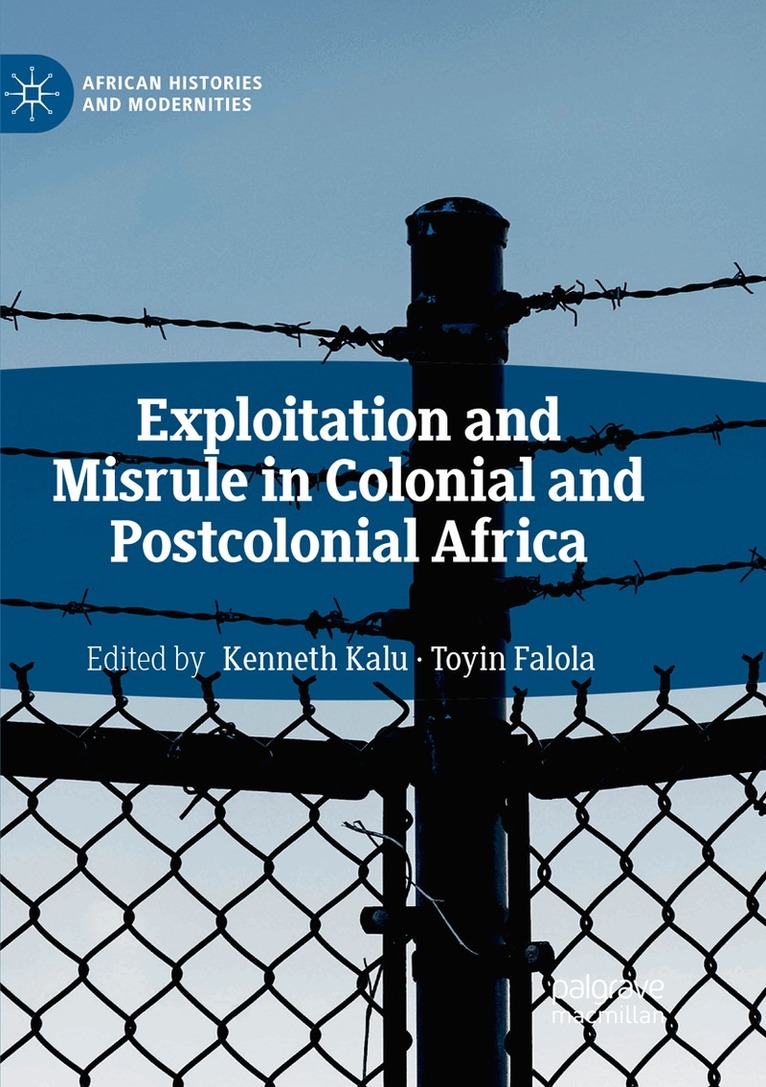
Africa’s modern history is replete with different forms of encounters and conflicts. From the fifteenth century when millions of Africans were forcefully taken away as slaves during the infamous Atlantic slave trade; to the colonial conquests of the nineteenth century where European countries conquered and subsequently balkanized Africa and shared the continent to European powers; and to the postcolonial era where many African leaders have maintained several instruments of exploitation, the continent has seen different forms of encounters, exploitations and oppressions. These encounters and exploitations have equally been met with resistance in different forms and at different times. The mode of Africa’s encounters with the rest of the world have in several ways, shaped and continue to shape the continent’s social, political and economic development trajectories. Essays in this volume have addressed different aspects of these phases of encounters and resistance by Africa and the African Diaspora.
While the volume document different phases of oppression and conflict, it also contains some accounts of Africa’s resistance to external and internal oppressions and exploitations. From the physical guerilla resistance of the Mau Mau group against British colonial exploitation in Kenya and its aftermath, to efforts of the Kayble group to preserve their language and culture in modern Algeria; and from the innovative ways in which the Tuareg are using guitar and music as forms of expression and resistance, to the modern ways in which contemporary African immigrants in North America are coping with oppressive structures and racism, the chapters in this volume have examined different phases of oppressions and suppressions of Africa and its people, as well as acts of resistance put up by Africans.
757 kr
Läs direkt efter köp
Africa’s modern history is replete with different forms of encounters and conflicts. From the fifteenth century when millions of Africans were forcefully taken away as slaves during the infamous Atlantic slave trade; to the colonial conquests of the nineteenth century where European countries conquered and subsequently balkanized Africa and shared the continent to European powers; and to the postcolonial era where many African leaders have maintained several instruments of exploitation, the continent has seen different forms of encounters, exploitations and oppressions. These encounters and exploitations have equally been met with resistance in different forms and at different times. The mode of Africa’s encounters with the rest of the world have in several ways, shaped and continue to shape the continent’s social, political and economic development trajectories. Essays in this volume have addressed different aspects of these phases of encounters and resistance by Africa and the African Diaspora.
While the volume document different phases of oppression and conflict, it also contains some accounts of Africa’s resistance to external and internal oppressions and exploitations. From the physical guerilla resistance of the Mau Mau group against British colonial exploitation in Kenya and its aftermath, to efforts of the Kayble group to preserve their language and culture in modern Algeria; and from the innovative ways in which the Tuareg are using guitar and music as forms of expression and resistance, to the modern ways in which contemporary African immigrants in North America are coping with oppressive structures and racism, the chapters in this volume have examined different phases of oppressions and suppressions of Africa and its people, as well as acts of resistance put up by Africans.
2 195 kr
Skickas inom 10-15 vardagar
586 kr
Skickas inom 10-15 vardagar
2 261 kr
Skickas inom 10-15 vardagar
665 kr
Läs direkt efter köp
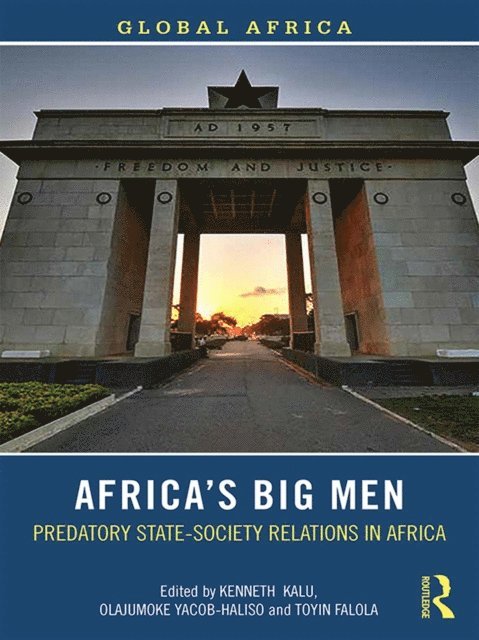
This book spotlights, analyzes and explains varying forms and patterns of state-society relations on the African continent, taking as point of departure the complexities created by the emergence, proliferation and complicated interactions of so-called ‘big men’ across Africa''s fifty-four states. The contributors interrogate the evolution of Africa’s big men; the role of the big men in Africa’s political and economic development; and the relationship between the state, the big men and the citizens.
Throughout the chapters the contributors engage with a number of questions from different disciplinary and methodological orientations. How did these states evolve to exhibit various deformities in their composition, functioning and in their relations with the societies that they govern? What roles did Atlantic and other slavery and European colonialism play in creating states that are unable to display the right and good relationships with citizens in civil society? Why did these forms of predatory state-society relations continue to thrive in Africa after the end of Atlantic slave trade and subsequent colonialism? Why did the emerging African leaders at independence fail to effectively dismantle the structures of exploitation and expropriation that were the defining features of slavery and colonialism? Who are Africa’s ‘big men’, and what are their trajectories?
This book is essential reading for all students and scholars of African politics, public policy and administration, political economy, and democratisation.
690 kr
Läs direkt efter köp
This book spotlights, analyzes and explains varying forms and patterns of state-society relations on the African continent, taking as point of departure the complexities created by the emergence, proliferation and complicated interactions of so-called ‘big men’ across Africa''s fifty-four states. The contributors interrogate the evolution of Africa’s big men; the role of the big men in Africa’s political and economic development; and the relationship between the state, the big men and the citizens.
Throughout the chapters the contributors engage with a number of questions from different disciplinary and methodological orientations. How did these states evolve to exhibit various deformities in their composition, functioning and in their relations with the societies that they govern? What roles did Atlantic and other slavery and European colonialism play in creating states that are unable to display the right and good relationships with citizens in civil society? Why did these forms of predatory state-society relations continue to thrive in Africa after the end of Atlantic slave trade and subsequent colonialism? Why did the emerging African leaders at independence fail to effectively dismantle the structures of exploitation and expropriation that were the defining features of slavery and colonialism? Who are Africa’s ‘big men’, and what are their trajectories?
This book is essential reading for all students and scholars of African politics, public policy and administration, political economy, and democratisation.
1 674 kr
Skickas inom 10-15 vardagar
1 185 kr
Skickas inom 10-15 vardagar
1 116 kr
Skickas inom 10-15 vardagar
1 448 kr
Skickas inom 10-15 vardagar
1 447 kr
Skickas inom 10-15 vardagar
1 733 kr
Läs direkt efter köp
1 116 kr
Skickas inom 10-15 vardagar
1 416 kr
Läs direkt efter köp
1 187 kr
Skickas inom 10-15 vardagar
1 551 kr
Läs direkt efter köp