Kenneth Kasha – författare
Visar alla böcker från författaren Kenneth Kasha. Handla med fri frakt och snabb leverans.
6 produkter
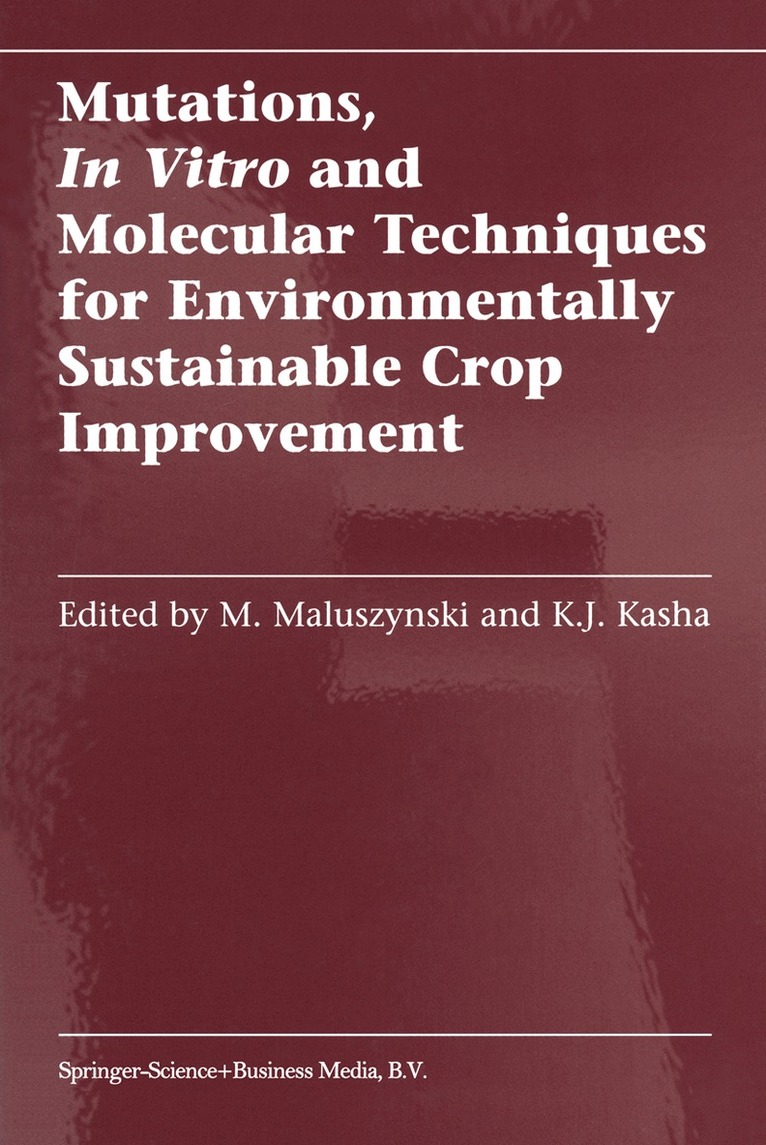
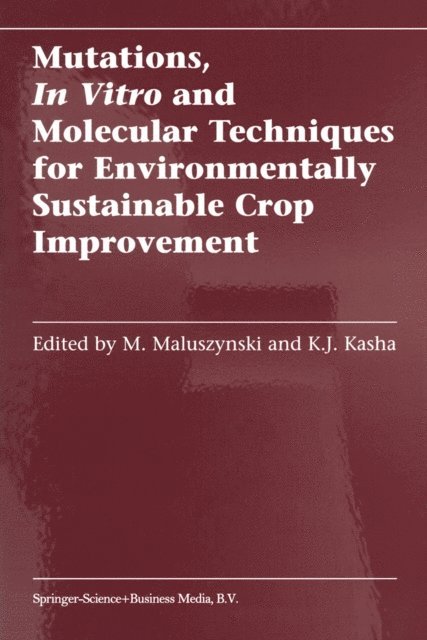
Mutations, In Vitro and Molecular Techniques for Environmentally Sustainable Crop Improvement
Av M. Maluszynski, Kenneth Kasha
Inbunden, 2002
1639 kr
Lägg i varukorg
This publication contains the results of an FAO/IAEA co-ordinated research project (CRP) on radiation induced mutations and other advanced technologies for the production of crop mutants suitable for environmentally sustainable agriculture. Induced mutation techniques and other biotechnological …
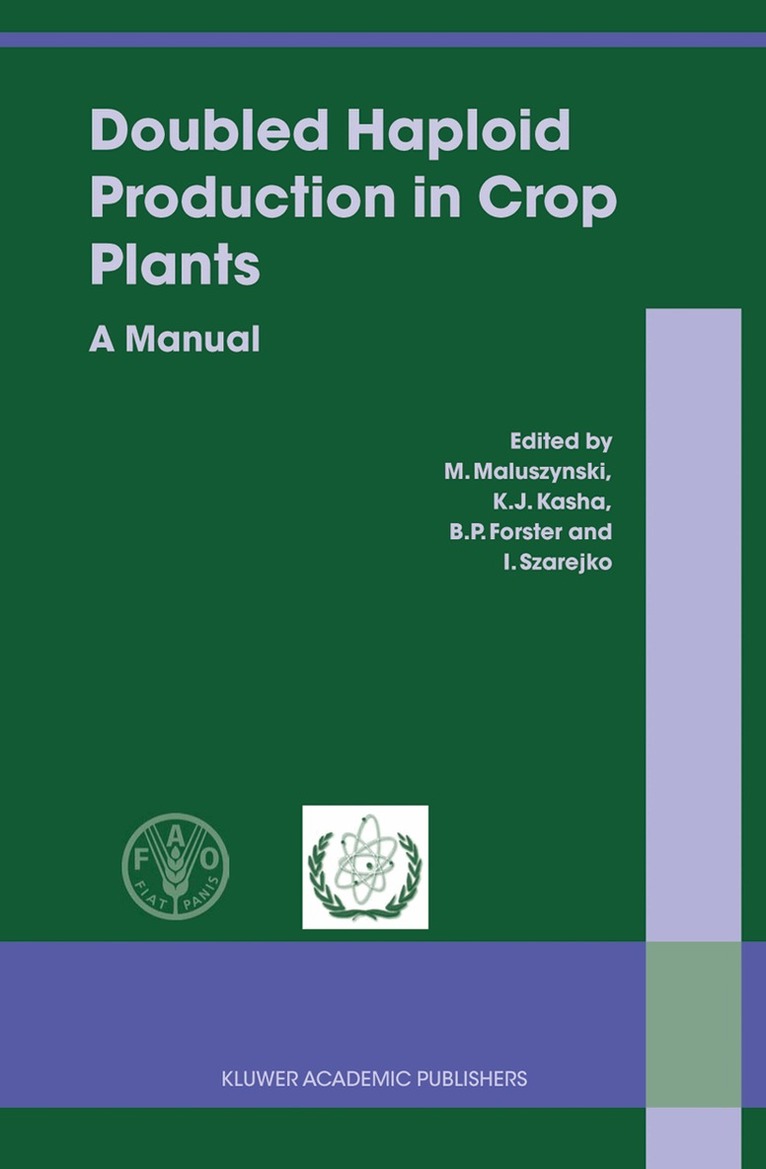
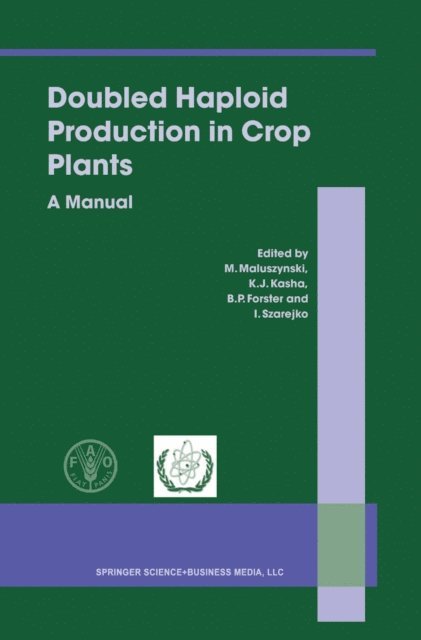
Doubled Haploid Production in Crop Plants
A Manual
Av K. J. Kasha, B. P. Forster m. fl.
Inbunden, 2003
2183 kr
Lägg i varukorg
The production of doubled haploids has become a necessary tool in advanced plant breeding institutes and commercial companies for breeding many crop species. However, the development of new, more efficient and cheaper large scale production protocols has meant that doubled haploids are also …
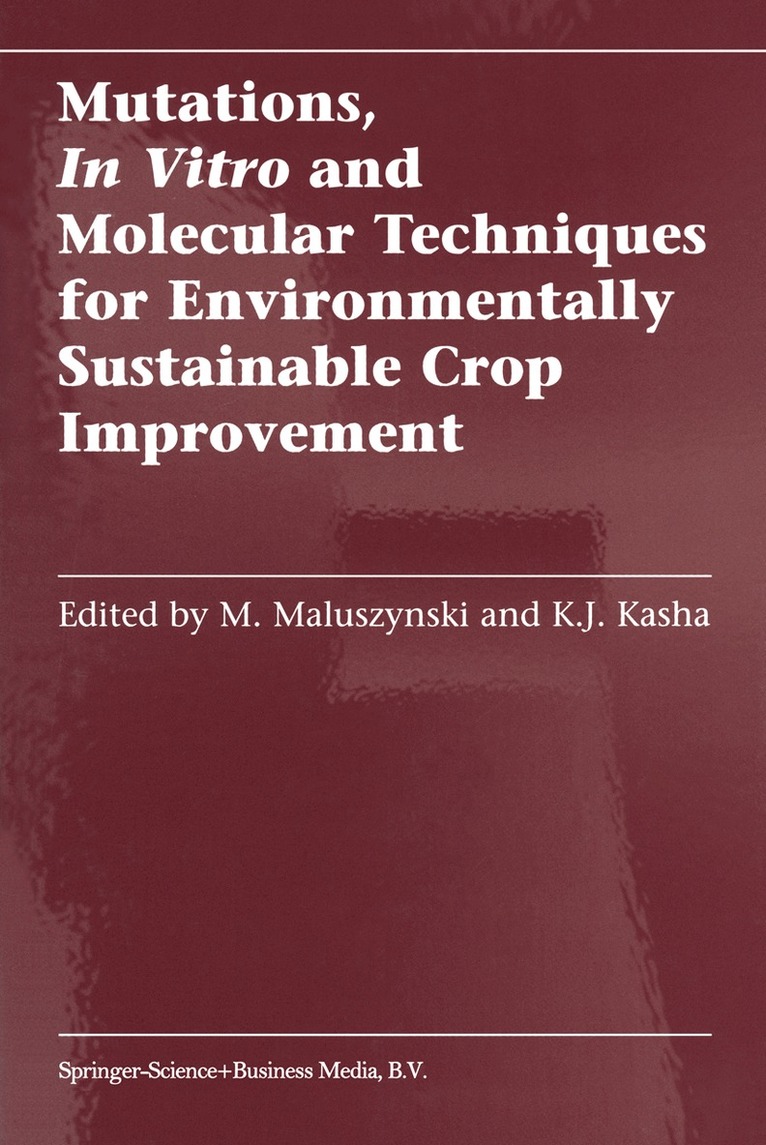
Mutations, In Vitro and Molecular Techniques for Environmentally Sustainable Crop Improvement
Av M. Maluszynski, Kenneth Kasha
Häftad, 2010
1639 kr
Lägg i varukorg
During the last thirty years, most increases in agricultural production were achieved through high input agrieulture in areas with fertile soils and sufficient water. Intensive methods of production with high levels of nitrogen fertilizer and pesticides were often accompanied by environmental …
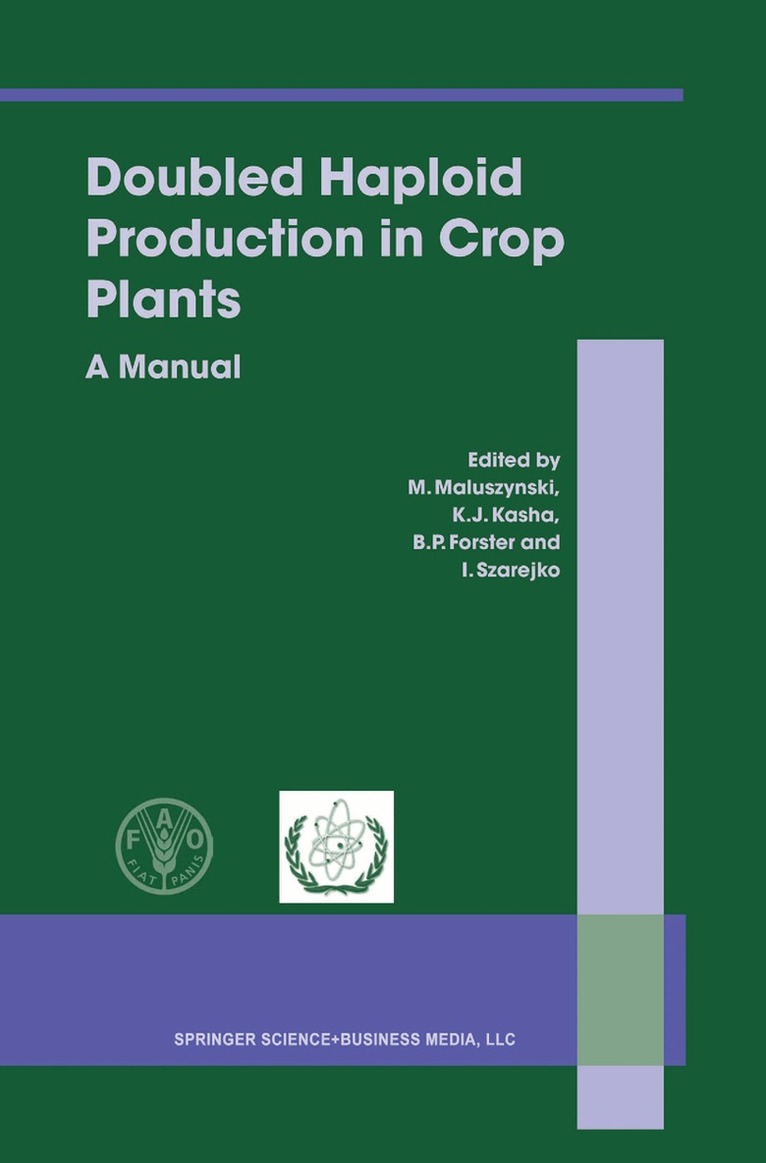
Doubled Haploid Production in Crop Plants
A Manual
Av M. Maluszynski, Kenneth Kasha m. fl.
Häftad, 2011
2183 kr
Lägg i varukorg
The production of doubled haploids has become a necessary tool in advanced plant breeding institutes and commercial companies for breeding many crop species. However, the development of new, more efficient and cheaper large scale production protocols has meant that doubled haploids are also …
Mutations, In Vitro and Molecular Techniques for Environmentally Sustainable Crop Improvement
Av Kenneth Kasha, M. Maluszynski
E-bok, 2013
2111 kr
Lägg i varukorg
During the last thirty years, most increases in agricultural production were achieved through high input agrieulture in areas with fertile soils and sufficient water. Intensive methods of production with high levels of nitrogen fertilizer and pesticides were often accompanied by environmental …
Doubled Haploid Production in Crop Plants
A Manual
Av I. Szarejko, B.P. Forster m. fl.
E-bok, 2013
2925 kr
Lägg i varukorg
The production of doubled haploids has become a necessary tool in advanced plant breeding institutes and commercial companies for breeding many crop species. However, the development of new, more efficient and cheaper large scale production protocols has meant that doubled haploids are also …