Kenneth Mølbjerg Jørgensen – Författare
Visar alla böcker från författaren Kenneth Mølbjerg Jørgensen. Handla med fri frakt och snabb leverans.
5 produkter
5 produkter
2 113 kr
Skickas inom 10-15 vardagar
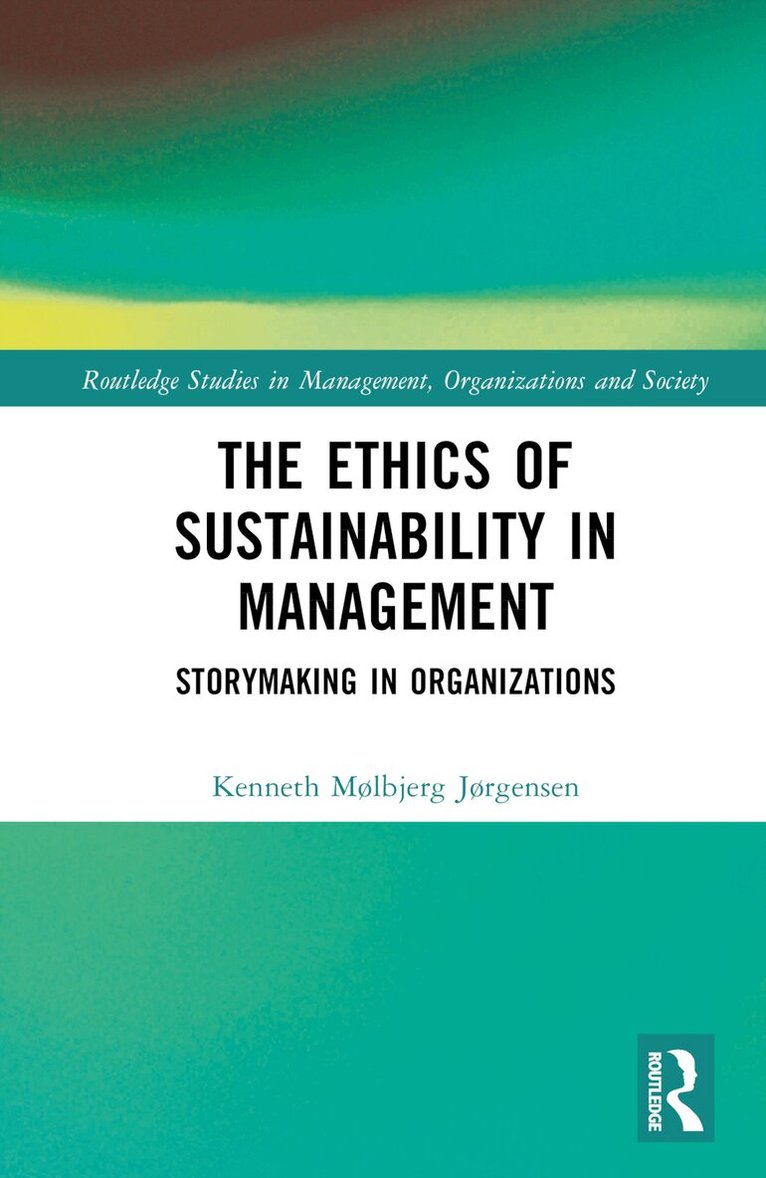
Organizational storytelling has been taught for many years in many different places as part of organizational development, organizational change, organizational learning, and business ethics. There has not been any comprehensive framework that addresses sustainability in organizations and so this book develops a new ethics of sustainability for management and organizations. A terrestrial ethics of storymaking is proposed, which responds to Latour’s claim that the Terrestrial has become a new decisive political actor in politics. The Terrestrial is born from Gaia, a metaphor for a new look on life on Earth. Gaia situates life in the thin layer of matter that is the surface of the Earth. It entails the view that nature is a process that humans are part of. Storymaking is constructed from Arendt’s political philosophy, which is rooted ontologically in the principle of natality: rebirth of life. The term ‘storymaking’ is developed from Arendt’s understanding of storytelling as political action to emphasize not only that stories are spatial, embodied and material practices that are tied to a specific time and space but also that technology is an important dimension in making stories. Stories are thus human practices that apart from meaning making and politics involve the use and manipulation of material and objects, and which are crucial for how a human world is shaped. This human world is furthermore shaped by the rhythms of life embedded in the complex landscapes that humans move through. Storymaking is developed through rethinking the links between the central categories of labor, work, action, and thinking in Arendt’s writings. Implications for business ethics are drawn out and a comprehensive ethics framework is constructed that connects the biological and physical with the social, economic, and political regarding how organizations work. Finally, a storymaking philosophy of management is constructed, making this book especially relevant to researchers, academics, managers, and students in the fields of business ethics, management studies, leadership, organizational studies, and international business.
632 kr
Skickas inom 10-15 vardagar
Organizational storytelling has been taught for many years in many different places as part of organizational development, organizational change, organizational learning, and business ethics. There has not been any comprehensive framework that addresses sustainability in organizations and so this book develops a new ethics of sustainability for management and organizations. A terrestrial ethics of storymaking is proposed, which responds to Latour’s claim that the Terrestrial has become a new decisive political actor in politics. The Terrestrial is born from Gaia, a metaphor for a new look on life on Earth. Gaia situates life in the thin layer of matter that is the surface of the Earth. It entails the view that nature is a process that humans are part of. Storymaking is constructed from Arendt’s political philosophy, which is rooted ontologically in the principle of natality: rebirth of life. The term ‘storymaking’ is developed from Arendt’s understanding of storytelling as political action to emphasize not only that stories are spatial, embodied and material practices that are tied to a specific time and space but also that technology is an important dimension in making stories. Stories are thus human practices that apart from meaning making and politics involve the use and manipulation of material and objects, and which are crucial for how a human world is shaped. This human world is furthermore shaped by the rhythms of life embedded in the complex landscapes that humans move through. Storymaking is developed through rethinking the links between the central categories of labor, work, action, and thinking in Arendt’s writings. Implications for business ethics are drawn out and a comprehensive ethics framework is constructed that connects the biological and physical with the social, economic, and political regarding how organizations work. Finally, a storymaking philosophy of management is constructed, making this book especially relevant to researchers, academics, managers, and students in the fields of business ethics, management studies, leadership, organizational studies, and international business.
2 043 kr
Skickas inom 7-10 vardagar
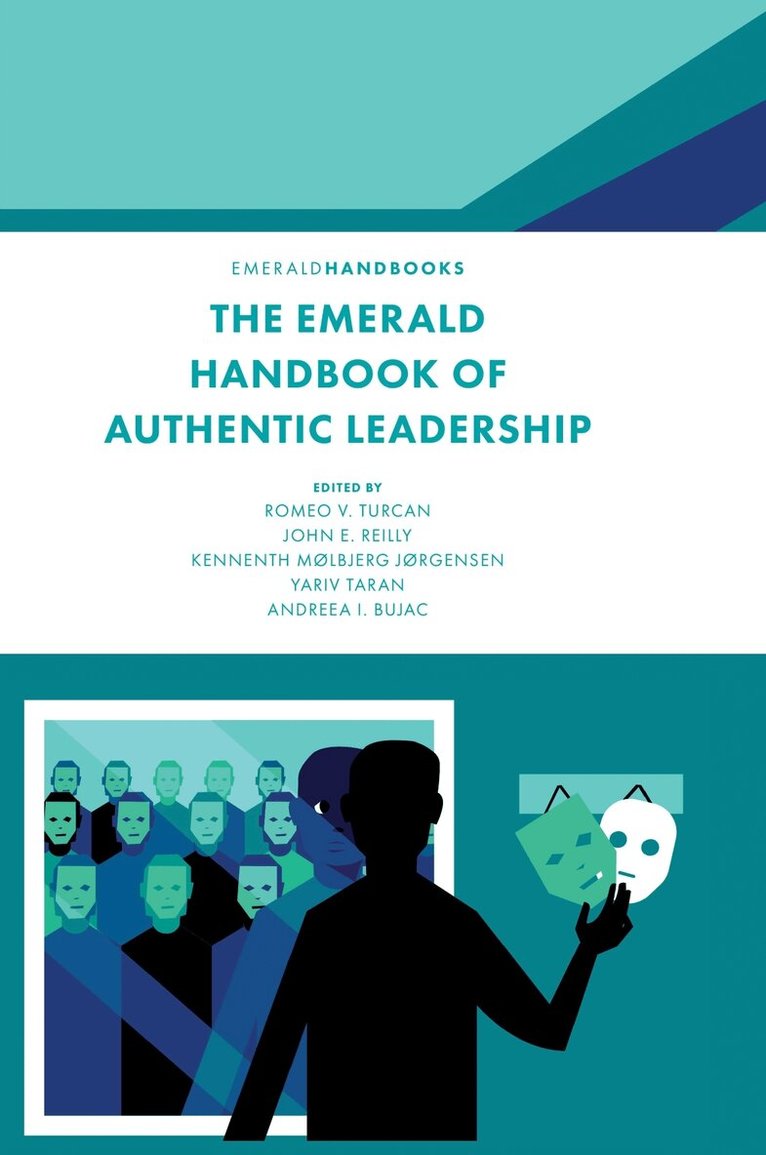
The Emerald Handbook of Authentic Leadership is a ground-breaking interdisciplinary collection, opening the black box of leadership authenticity to advance understanding of theory and practice. It presents a wide-ranging, diverse source of new concepts, theories, insights, applications to advance thinking and practice in leadership and leadership authenticity.The first publication of its kind, the contributors – leading scholars, researchers, business and NGO leaders, policy makers – explore differing, contrasting perspectives on the evolving, fluid subject of authentic leadership. The thematic sections examine ‘The Search for Authenticity from Theory to Practice’, ‘The Search for Authenticity from Practice to Theory’, and ‘Developing Authentic Leadership Values, Understanding and Practice’.The Emerald Handbook of Authentic Leadership is a quest for interdisciplinary insights arising out of theory and practice. It is intended for a wide readership interested in leadership and leadership authenticity in the contemporary world.
1 963 kr
Skickas inom 10-15 vardagar
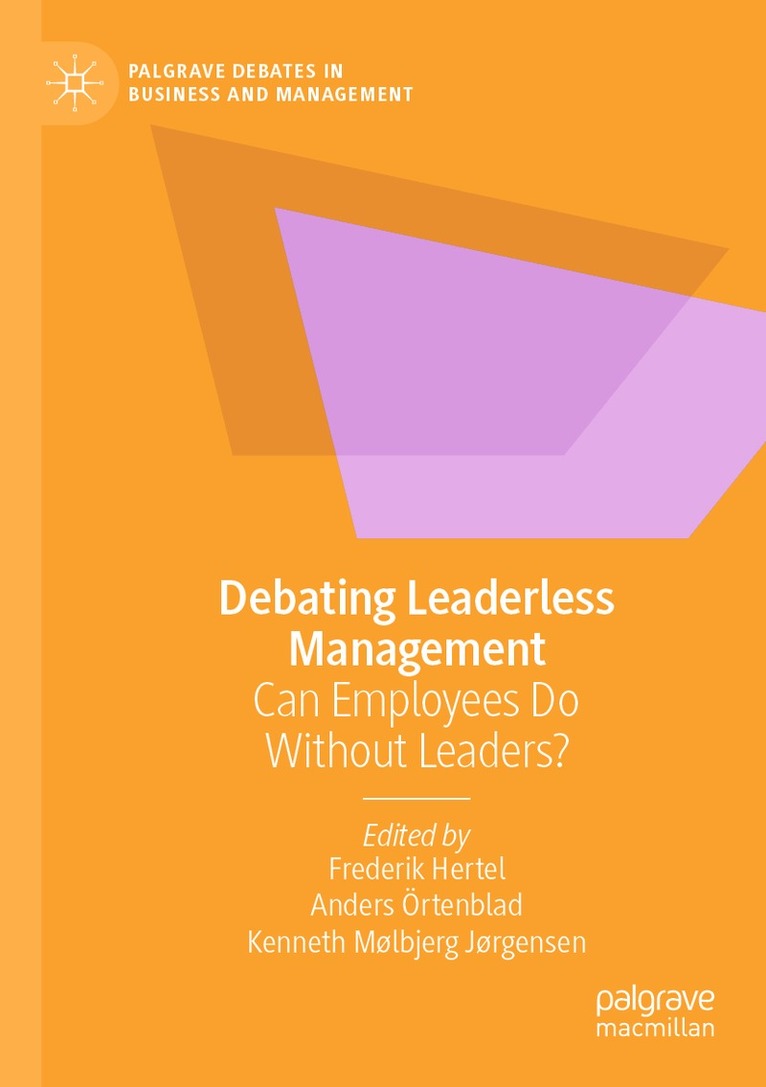
Management research has traditionally assumed that leaders play an essential role in both public and private organizations and are required for a business to run smoothly.
1 963 kr
Skickas inom 10-15 vardagar
Management research has traditionally assumed that leaders play an essential role in both public and private organizations and are required for a business to run smoothly.