Kerem Öktem – författare
Visar alla böcker från författaren Kerem Öktem. Handla med fri frakt och snabb leverans.
13 produkter
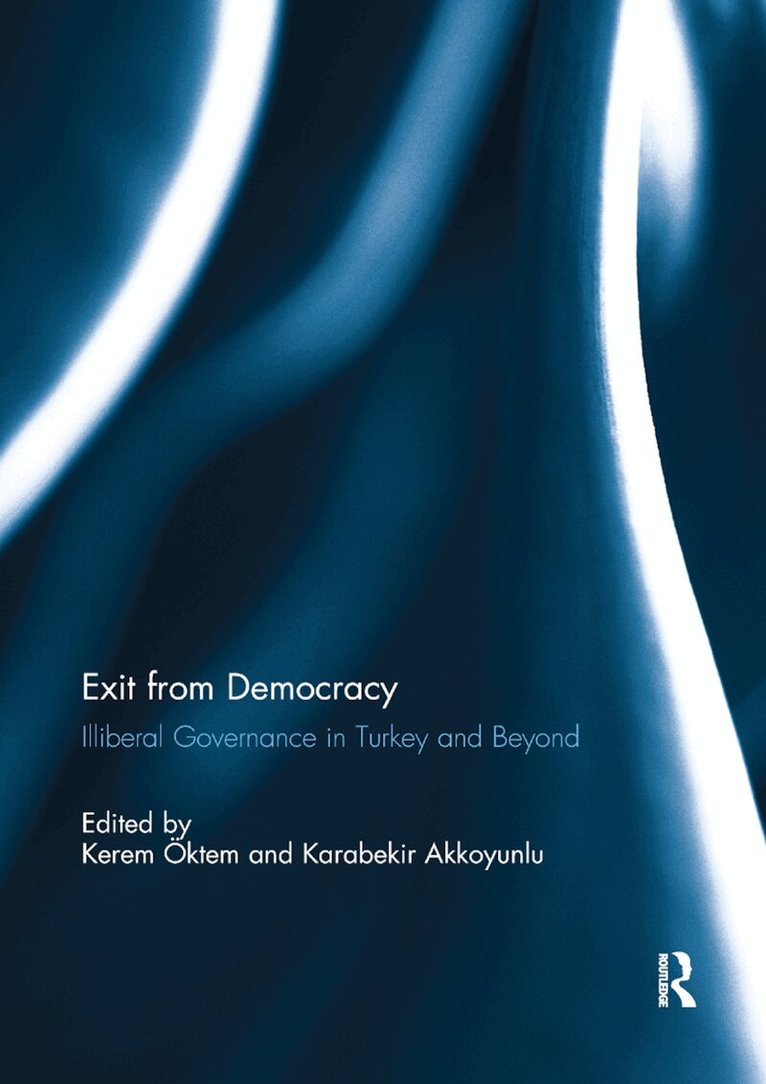
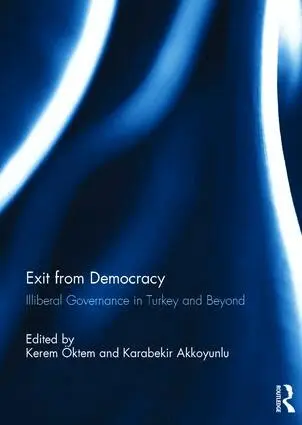
Exit from Democracy
Illiberal Governance in Turkey and Beyond
Av Kerem Öktem, Karabekir Akkoyunlu
Häftad, 2019
691 kr
Lägg i varukorg
Democratic government is facing unprecedented challenges at a global scale. Yet, Turkey's descent into conflict, crisis and autocracy is exceptional. Only a few years ago, the country was praised as a successful Muslim-majority democracy and a promising example of sustainable growth. In Turkey’s …
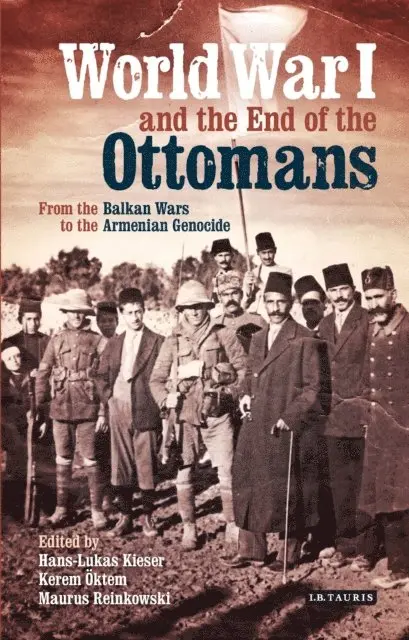
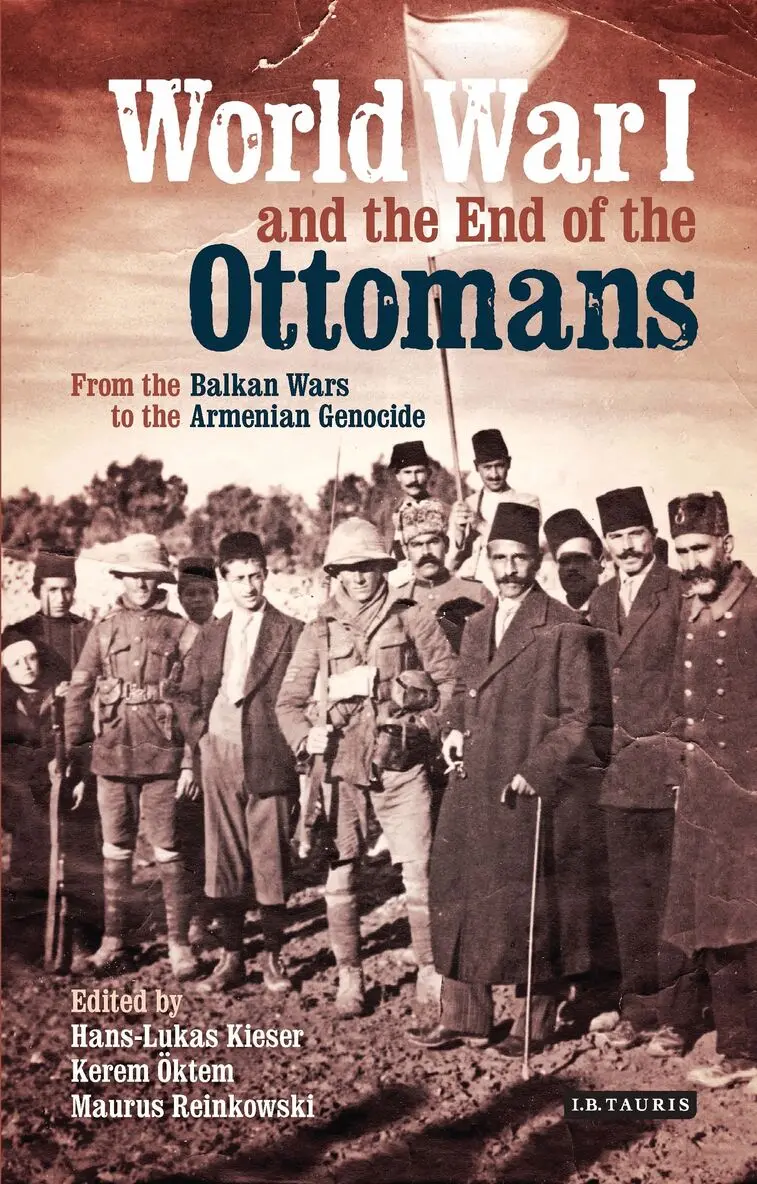
World War I and the End of the Ottomans
From the Balkan Wars to the Armenian Genocide
Av Hans-Lukas Kieser, Kerem Öktem m. fl.
E-bok, 2015
2247 kr
Lägg i varukorg
With the end of the First World War, the centuries-old social fabric of the Ottoman world an entangled space of religious co-existence throughout the Balkans and the Middle East came to its definitive end. In this new study, Hans-Lukas Kieser argues that while the Ottoman Empire officially ended in …
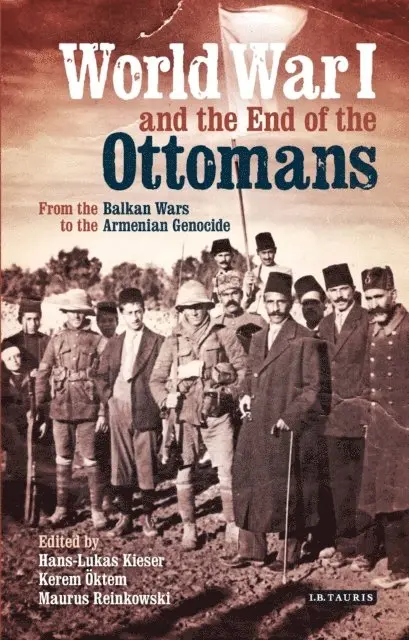
World War I and the End of the Ottomans
From the Balkan Wars to the Armenian Genocide
Av Hans-Lukas Kieser, Kerem Öktem m. fl.
E-bok, 2015
2198 kr
Lägg i varukorg
With the end of the First World War, the centuries-old social fabric of the Ottoman world an entangled space of religious co-existence throughout the Balkans and the Middle East came to its definitive end. In this new study, Hans-Lukas Kieser argues that while the Ottoman Empire officially ended in …
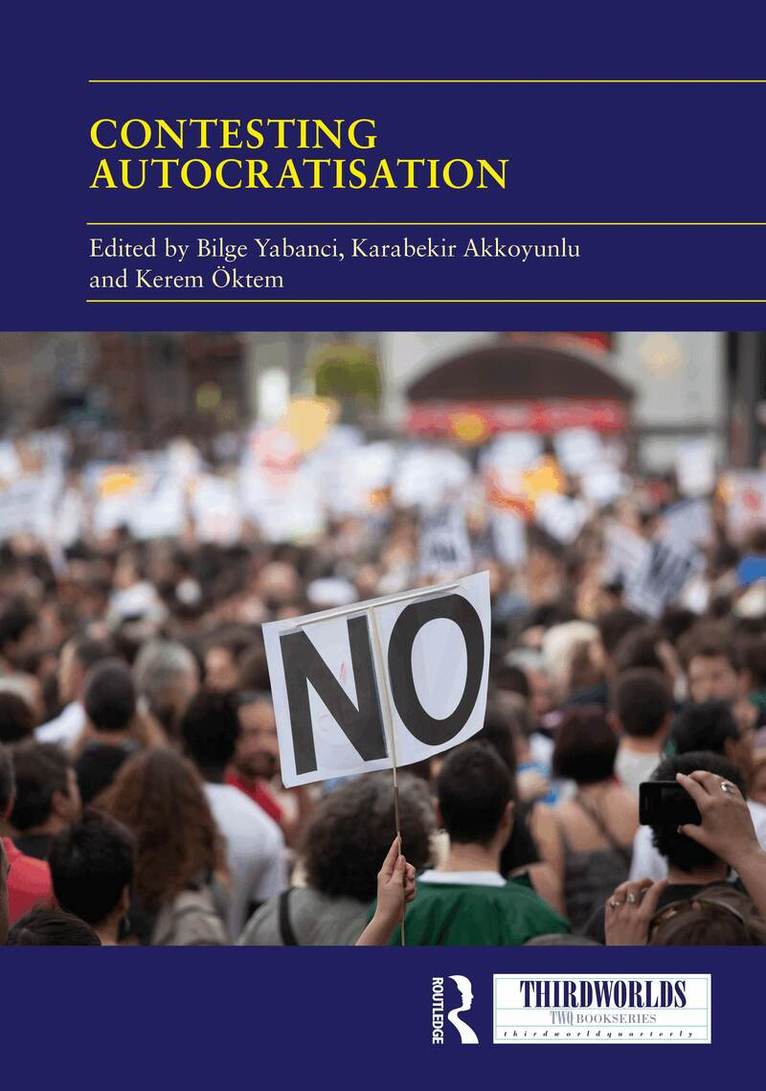
Contesting Autocratisation
Actors and Institutions of Democratic Resistance in a Global Perspective
Av Bilge Yabanci, Karabekir Akkoyunlu m. fl.
Inbunden, 2025
2512 kr
Lägg i varukorg
While authoritarianism continues to gain ground globally, this book offers a global and nuanced perspective into how, when, and where autocratisation may be contested and sometimes reversed. Drawing on rich case studies from across Africa, Asia, Latin America, and Southeastern Europe, the chapters …
Exit from Democracy
Illiberal Governance in Turkey and Beyond
Av Kerem Öktem, Karabekir Akkoyunlu
Inbunden, 2017
2512 kr
Lägg i varukorg
Democratic government is facing unprecedented challenges at a global scale. Yet, Turkey's descent into conflict, crisis and autocracy is exceptional. Only a few years ago, the country was praised as a successful Muslim-majority democracy and a promising example of sustainable growth. In Turkey’s …
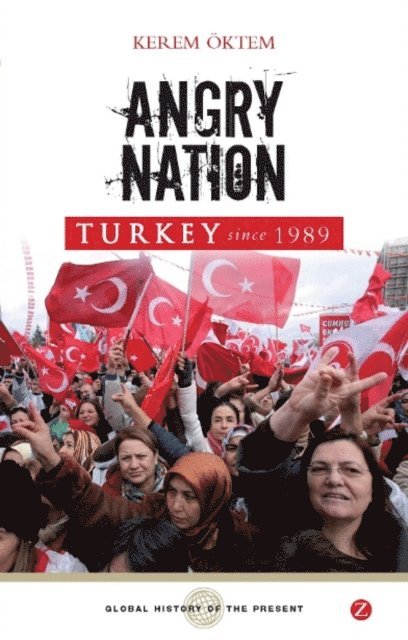
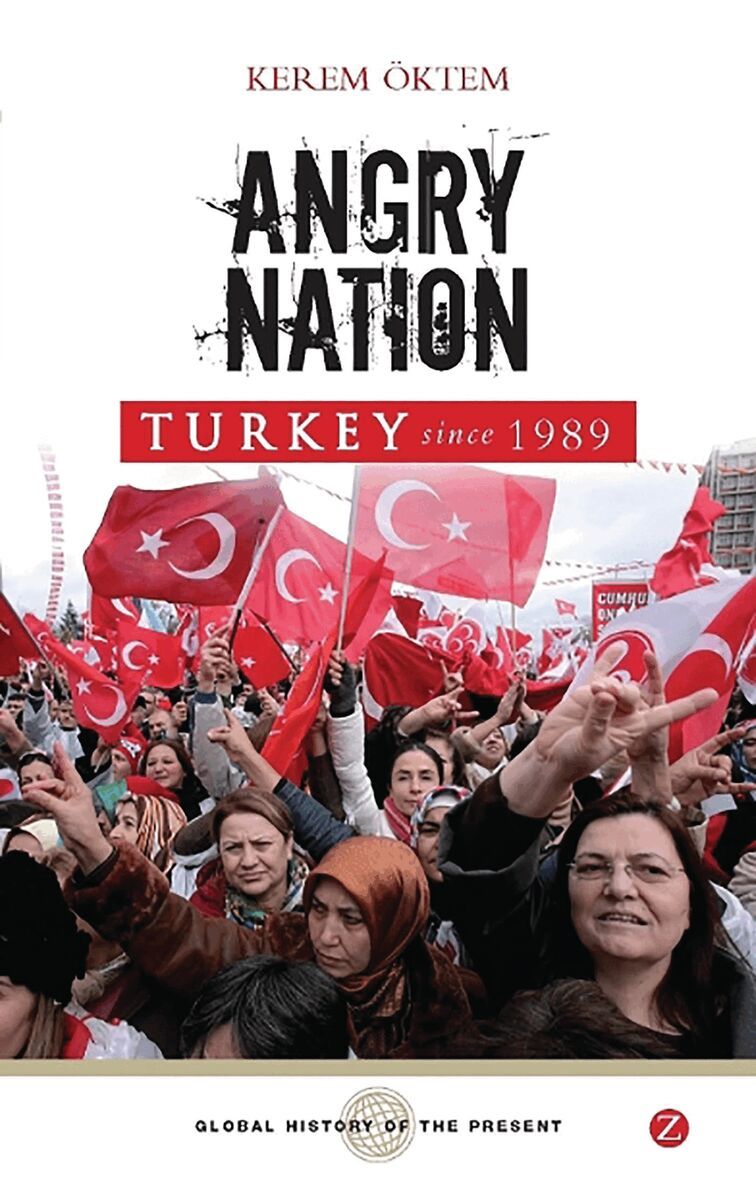
Angry Nation
Turkey Since 1989
Av Kerem Öktem
E-bok, 2012
401 kr
Lägg i varukorg
Since its re-emergence as nation-state in 1923, Turkey has often looked like an odd appendix to the West situated in the borderlands of Europe and the Middle East, economically backward, inward looking, marred by political violence, yet a staunch NATO ally, it has been eyed with suspicion by both …
World War I and the End of the Ottomans
From the Balkan Wars to the Armenian Genocide
Av Hans-Lukas Kieser, Kerem Öktem m. fl.
Inbunden, 2015
2051 kr
Lägg i varukorg
With the end of the First World War, the centuries-old social fabric of the Ottoman world an entangled space of religious co-existence throughout the Balkans and the Middle East came to its definitive end. In this new study, Hans-Lukas Kieser argues that while the Ottoman Empire officially ended in …
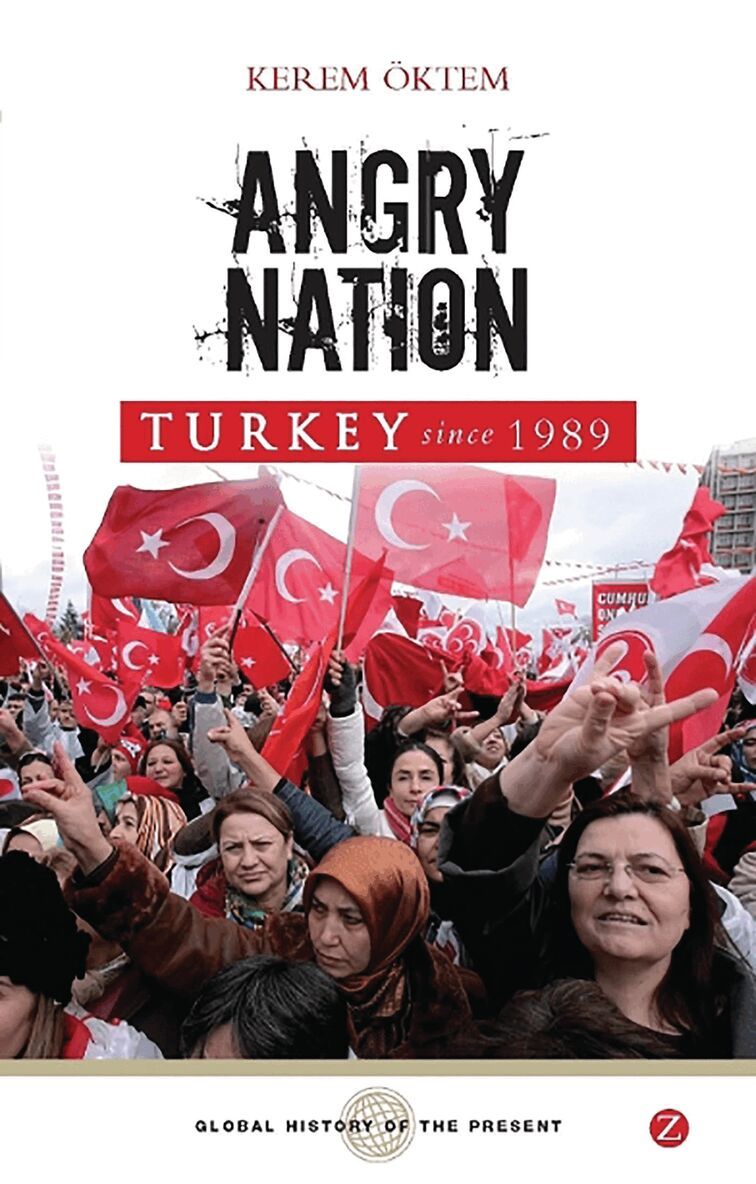
Angry Nation
Turkey since 1989
Av Kerem Öktem, Nicholas Guyatt
Inbunden, 2011
1321 kr
Lägg i varukorg
Since its re-emergence as nation-state in 1923, Turkey has often looked like an odd appendix to the West situated in the borderlands of Europe and the Middle East, economically backward, inward looking, marred by political violence, yet a staunch NATO ally, it has been eyed with suspicion by both …
Angry Nation
Turkey since 1989
Av Kerem Öktem, Nicholas Guyatt
Häftad, 2011
372 kr
Lägg i varukorg
Since its re-emergence as nation-state in 1923, Turkey has often looked like an odd appendix to the West situated in the borderlands of Europe and the Middle East, economically backward, inward looking, marred by political violence, yet a staunch NATO ally, it has been eyed with suspicion by both …
Angry Nation
Turkey Since 1989
Av Kerem Öktem
E-bok, 2011
393 kr
Lägg i varukorg
Since its re-emergence as nation-state in 1923, Turkey has often looked like an odd appendix to the West situated in the borderlands of Europe and the Middle East, economically backward, inward looking, marred by political violence, yet a staunch NATO ally, it has been eyed with suspicion by both …
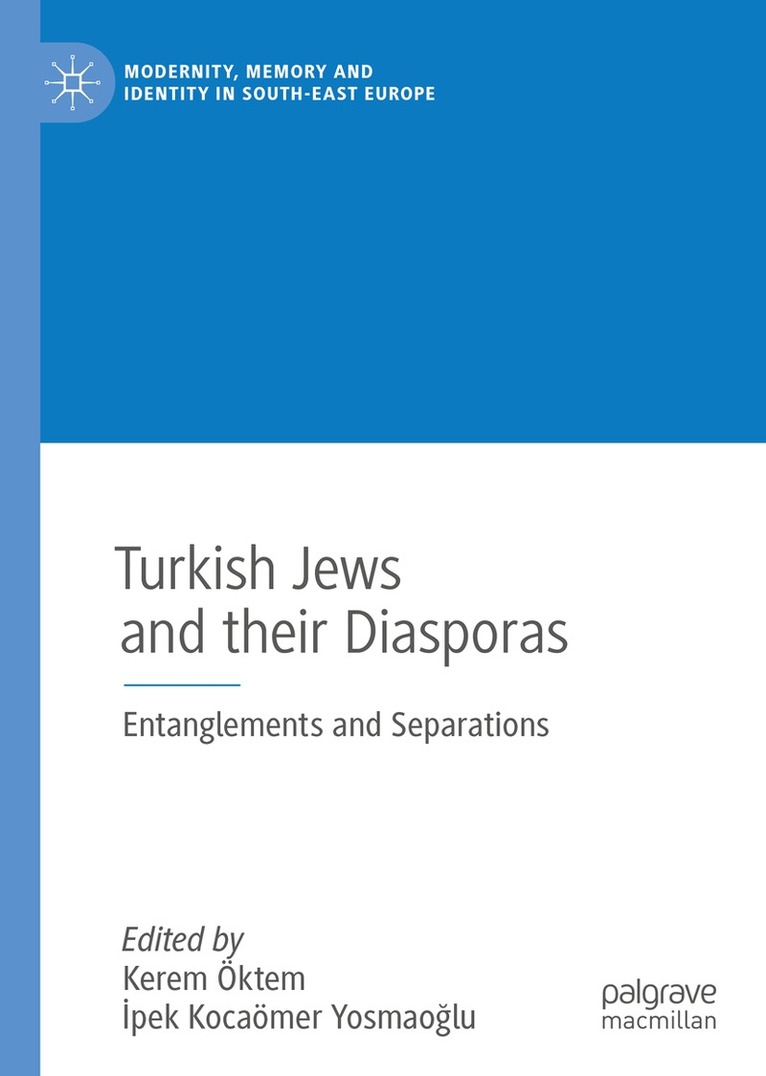
Turkish Jews and their Diasporas
Entanglements and Separations
Av Kerem Öktem, Ipek Kocaömer Yosmaoğlu
Inbunden, 2022
1699 kr
Lägg i varukorg
This book introduces the reader to the past and present of Jewish life in Turkey and to Turkish Jewish diaspora communities in Israel, Europe, Latin America and the United States. It surveys the history of Jews in the Ottoman Empire and the Turkish Republic, examining the survival of Jewish …
Turkish Jews and their Diasporas
Entanglements and Separations
Av Kerem Öktem, Ipek Kocaömer Yosmaoğlu
Häftad, 2023
1699 kr
Lägg i varukorg
This book introduces the reader to the past and present of Jewish life in Turkey and to Turkish Jewish diaspora communities in Israel, Europe, Latin America and the United States. It surveys the history of Jews in the Ottoman Empire and the Turkish Republic, examining the survival of Jewish …
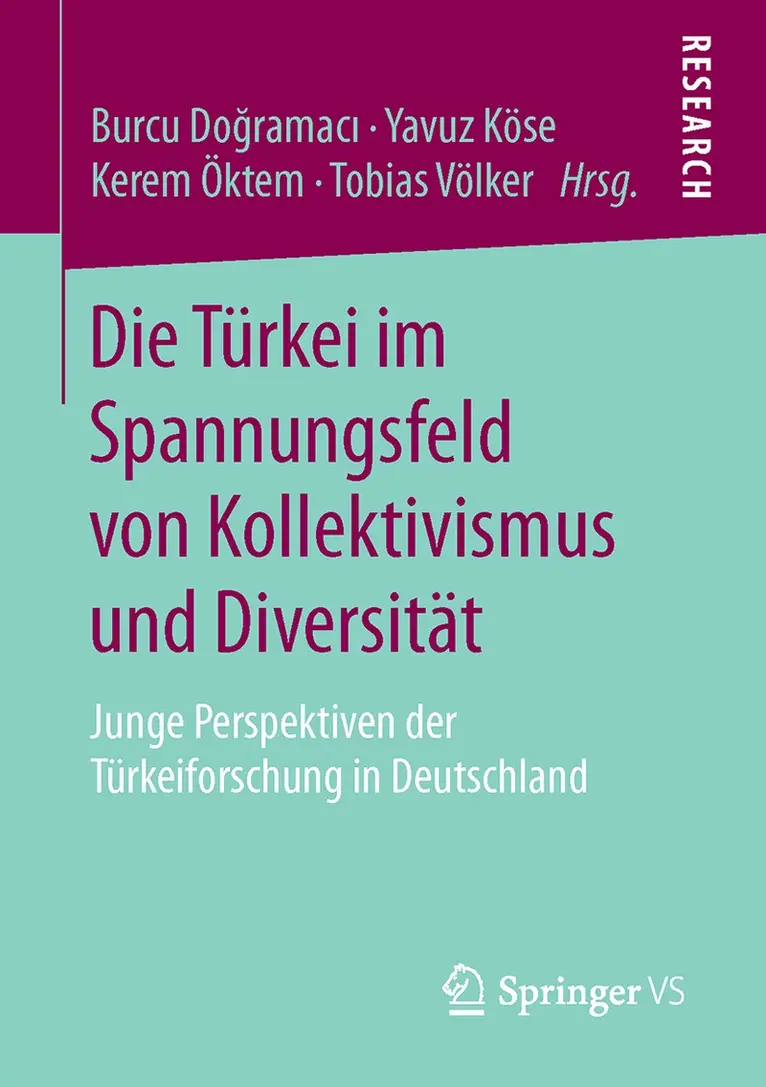
Die Türkei im Spannungsfeld von Kollektivismus und Diversität
Junge Perspektiven der Türkeiforschung in Deutschland
Av Burcu Doğramacı, Yavuz Köse m. fl.
Häftad, 2016
517 kr
Lägg i varukorg
Der Band präsentiert einen Querschnitt einer jungen, gegenwartsbezogenen Türkeiforschung. Im Zentrum steht dabei die Spannung zwischen repressiver Staatsideologie und kultureller und gesellschaftlicher Vielfalt, zwischen der Verfestigung autoritärer, neopatrimonialer Strukturen während der …