Keri Iyall Smith – författare
Visar alla böcker från författaren Keri Iyall Smith. Handla med fri frakt och snabb leverans.
16 produkter
Sociology for Human Rights
Approaches for Applying Theories and Methods
Av David Brunsma, Keri Iyall Smith m. fl.
Inbunden, 2019
2749 kr
Lägg i varukorg
As sociologists deepen their examinations of human rights in their teaching, research, and thinking, it is essential that such work is conducted in a manner that is both mindful and critical of the knowledge we are building upon in sociology and human rights. As the authors of this volume reveal, …
Sociology for Human Rights
Approaches for Applying Theories and Methods
Av David Brunsma, Keri Iyall Smith m. fl.
Häftad, 2019
634 kr
Lägg i varukorg
As sociologists deepen their examinations of human rights in their teaching, research, and thinking, it is essential that such work is conducted in a manner that is both mindful and critical of the knowledge we are building upon in sociology and human rights. As the authors of this volume reveal, …
Sociology for Human Rights
Approaches for Applying Theories and Methods
Av Brian Gran, Keri Iyall Smith m. fl.
E-bok, 2019
745 kr
Lägg i varukorg
As sociologists deepen their examinations of human rights in their teaching, research, and thinking, it is essential that such work is conducted in a manner that is both mindful and critical of the knowledge we are building upon in sociology and human rights. As the authors of this volume reveal, …
Sociology for Human Rights
Approaches for Applying Theories and Methods
Av Brian Gran, Keri Iyall Smith m. fl.
E-bok, 2019
745 kr
Lägg i varukorg
As sociologists deepen their examinations of human rights in their teaching, research, and thinking, it is essential that such work is conducted in a manner that is both mindful and critical of the knowledge we are building upon in sociology and human rights. As the authors of this volume reveal, …
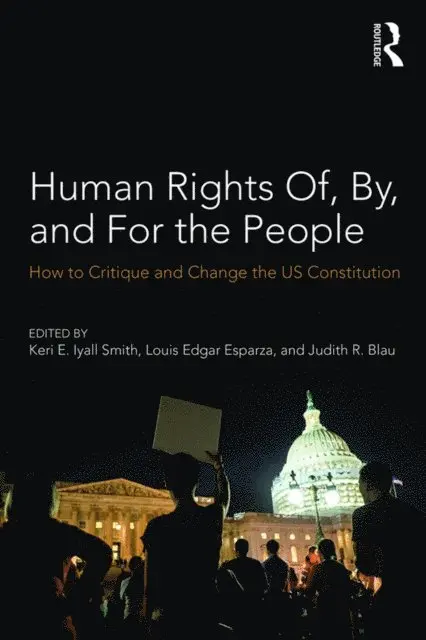
Human Rights Of, By, and For the People
How to Critique and Change the US Constitution
Av Keri Iyall Smith, Louis Edgar Esparza m. fl.
Inbunden, 2017
2529 kr
Lägg i varukorg
Together, the US Constitution and the Bill of Rights comprise the constitutional foundation of the United States. These—the oldest governing documents still in use in the world—urgently need an update, just as the constitutions of other countries have been updated and revised. Human Rights Of, By, …
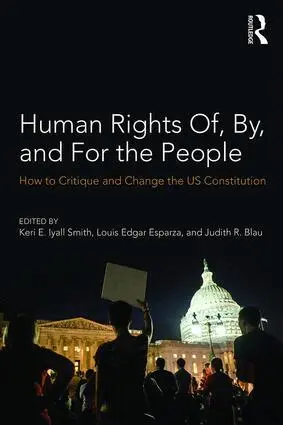
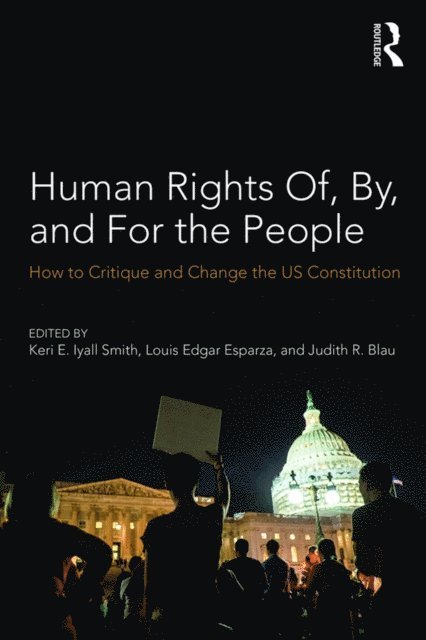
Human Rights Of, By, and For the People
How to Critique and Change the US Constitution
Av Keri Iyall Smith, Louis Edgar Esparza m. fl.
Häftad, 2017
583 kr
Lägg i varukorg
Together, the US Constitution and the Bill of Rights comprise the constitutional foundation of the United States. These—the oldest governing documents still in use in the world—urgently need an update, just as the constitutions of other countries have been updated and revised. Human Rights Of, By, …
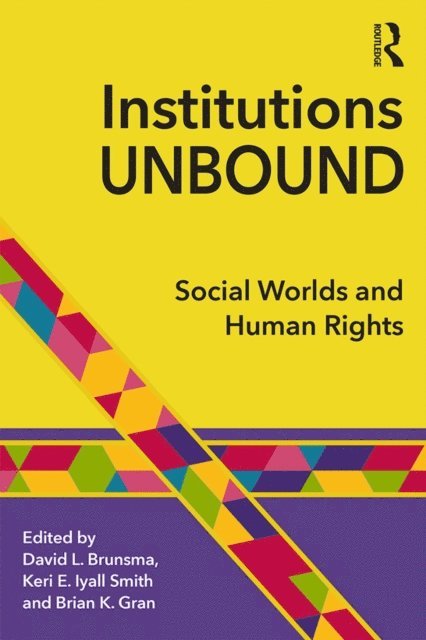
Institutions Unbound
Social Worlds and Human Rights
Av David Brunsma, Keri Iyall Smith m. fl.
Inbunden, 2016
2831 kr
Lägg i varukorg
Institutions--like education, family, medicine, culture, and law--, are powerful social structures shaping how we live together. As members of society we daily express our adherence to norms and values of institutions as we consciously and unconsciously reject and challenge them. Our everyday …
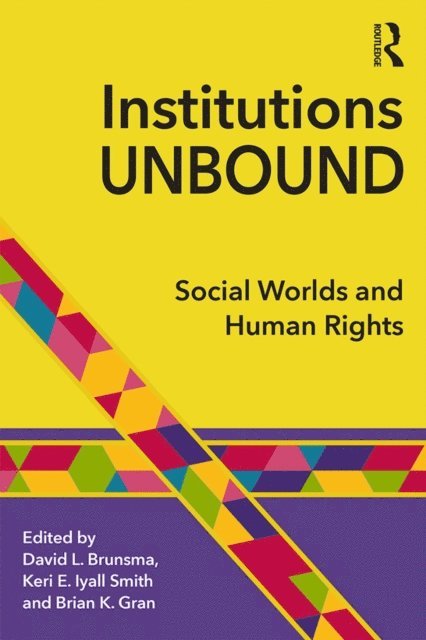
Institutions Unbound
Social Worlds and Human Rights
Av David Brunsma, Keri Iyall Smith m. fl.
Häftad, 2016
653 kr
Lägg i varukorg
Institutions--like education, family, medicine, culture, and law--, are powerful social structures shaping how we live together. As members of society we daily express our adherence to norms and values of institutions as we consciously and unconsciously reject and challenge them. Our everyday …
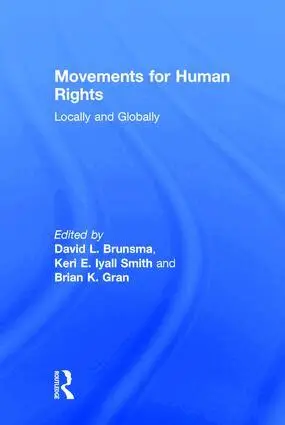
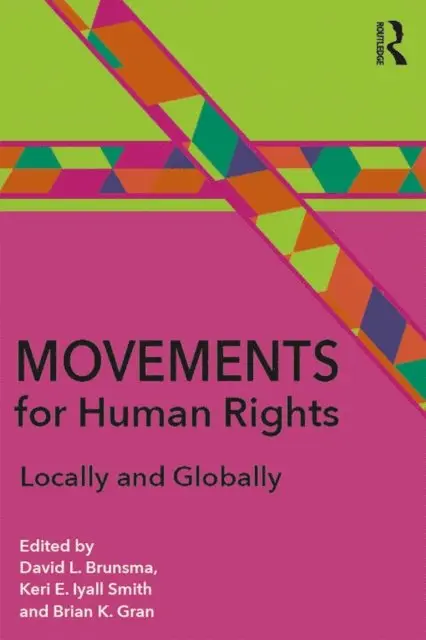
Movements for Human Rights
Locally and Globally
Av David L. Brunsma, Keri Iyall Smith m. fl.
Inbunden, 2016
2749 kr
Lägg i varukorg
How do people work together to advance human rights? Do people form groups to prevent human rights from being enforced? Why? In what ways do circumstances matter to the work of individuals collectively working to shape human rights practices?Human society is made of individuals within …
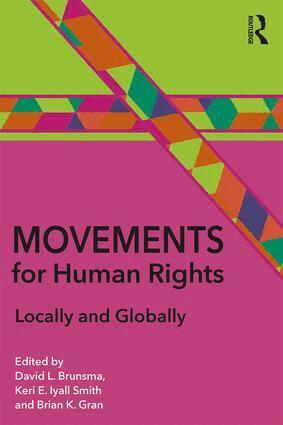
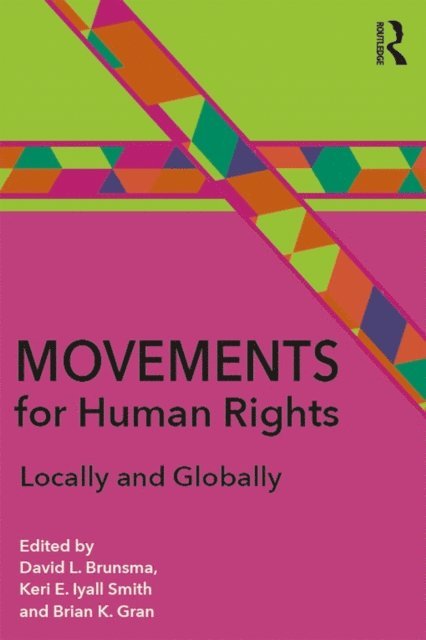
Movements for Human Rights
Locally and Globally
Av David L. Brunsma, Keri Iyall Smith m. fl.
Häftad, 2016
620 kr
Lägg i varukorg
How do people work together to advance human rights? Do people form groups to prevent human rights from being enforced? Why? In what ways do circumstances matter to the work of individuals collectively working to shape human rights practices?Human society is made of individuals within …
Human Rights Of, By, and For the People
How to Critique and Change the US Constitution
Av Judith Blau, Louis Edgar Esparza m. fl.
E-bok, 2017
670 kr
Lägg i varukorg
Together, the US Constitution and the Bill of Rights comprise the constitutional foundation of the United States. These—the oldest governing documents still in use in the world—urgently need an update, just as the constitutions of other countries have been updated and revised. Human Rights Of, …
Human Rights Of, By, and For the People
How to Critique and Change the US Constitution
Av Judith Blau, Louis Edgar Esparza m. fl.
E-bok, 2017
685 kr
Lägg i varukorg
Together, the US Constitution and the Bill of Rights comprise the constitutional foundation of the United States. These—the oldest governing documents still in use in the world—urgently need an update, just as the constitutions of other countries have been updated and revised. Human Rights Of, …
Movements for Human Rights
Locally and Globally
Av Brian Gran, Keri Iyall Smith m. fl.
E-bok, 2016
669 kr
Lägg i varukorg
How do people work together to advance human rights? Do people form groups to prevent human rights from being enforced? Why? In what ways do circumstances matter to the work of individuals collectively working to shape human rights practices? Human society is made of individuals within …
Movements for Human Rights
Locally and Globally
Av Brian Gran, Keri Iyall Smith m. fl.
E-bok, 2016
669 kr
Lägg i varukorg
How do people work together to advance human rights? Do people form groups to prevent human rights from being enforced? Why? In what ways do circumstances matter to the work of individuals collectively working to shape human rights practices? Human society is made of individuals within …
Institutions Unbound
Social Worlds and Human Rights
Av Brian Gran, Keri Iyall Smith m. fl.
E-bok, 2016
685 kr
Lägg i varukorg
Institutions--like education, family, medicine, culture, and law--, are powerful social structures shaping how we live together. As members of society we daily express our adherence to norms and values of institutions as we consciously and unconsciously reject and challenge them. Our everyday …
Institutions Unbound
Social Worlds and Human Rights
Av Brian Gran, Keri Iyall Smith m. fl.
E-bok, 2016
685 kr
Lägg i varukorg
Institutions--like education, family, medicine, culture, and law--, are powerful social structures shaping how we live together. As members of society we daily express our adherence to norms and values of institutions as we consciously and unconsciously reject and challenge them. Our everyday …