Kersten Reich – författare
Visar alla böcker från författaren Kersten Reich. Handla med fri frakt och snabb leverans.
21 produkter
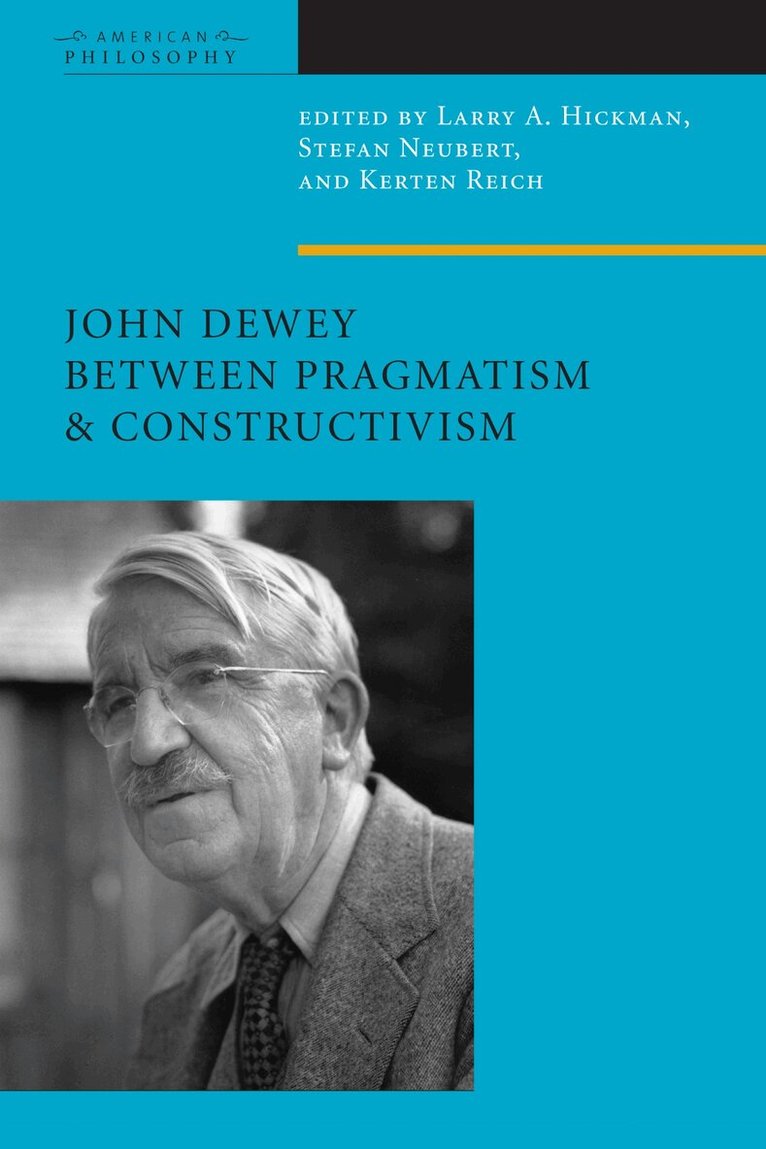
John Dewey Between Pragmatism and Constructivism
Av Larry A. Hickman, Stefan Neubert m. fl.
Inbunden, 2009
954 kr
Lägg i varukorg
Many contemporary constructivists are particularly attuned to Dewey's penetrating criticism of traditional epistemology, which offers rich alternatives for understanding processes of learning and education, knowledge and truth, and experience and culture. This book, the result of cooperation …
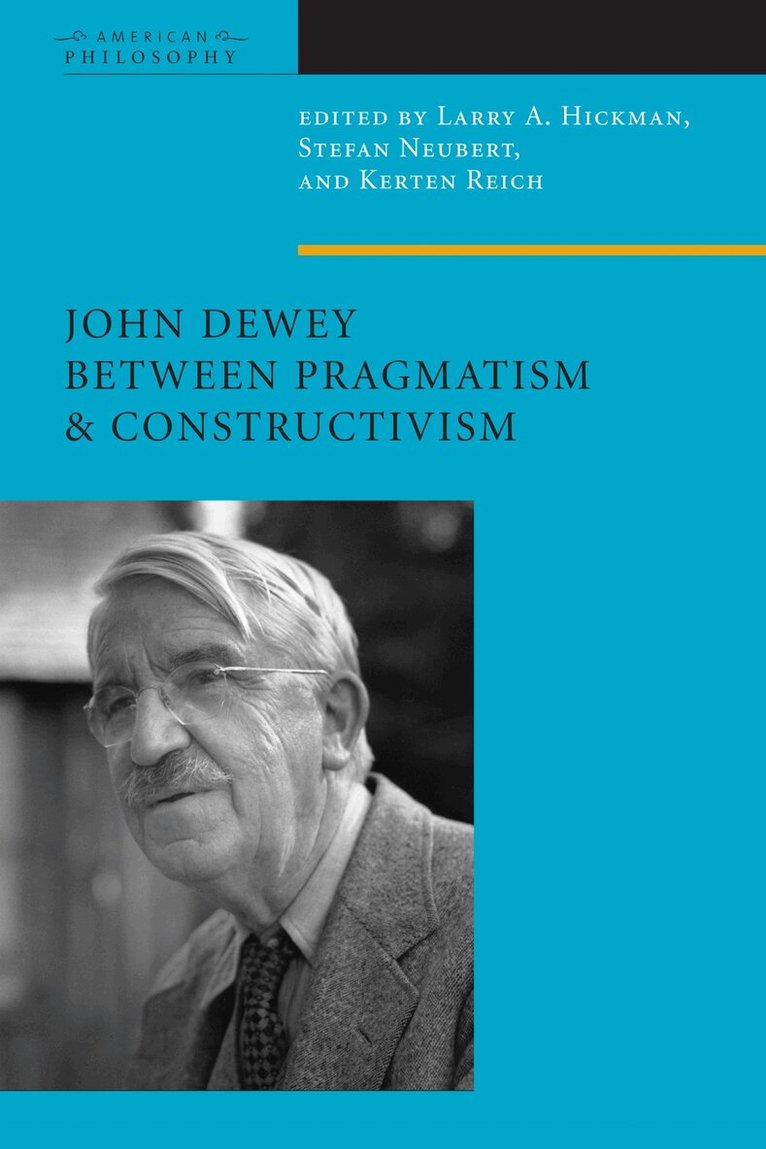
John Dewey Between Pragmatism and Constructivism
Av Larry A. Hickman, Stefan Neubert m. fl.
Häftad, 2013
346 kr
Lägg i varukorg
Many contemporary constructivists are particularly attuned to Dewey's penetrating criticism of traditional epistemology, which offers rich alternatives for understanding processes of learning and education, knowledge and truth, and experience and culture. This book, the result of cooperation …
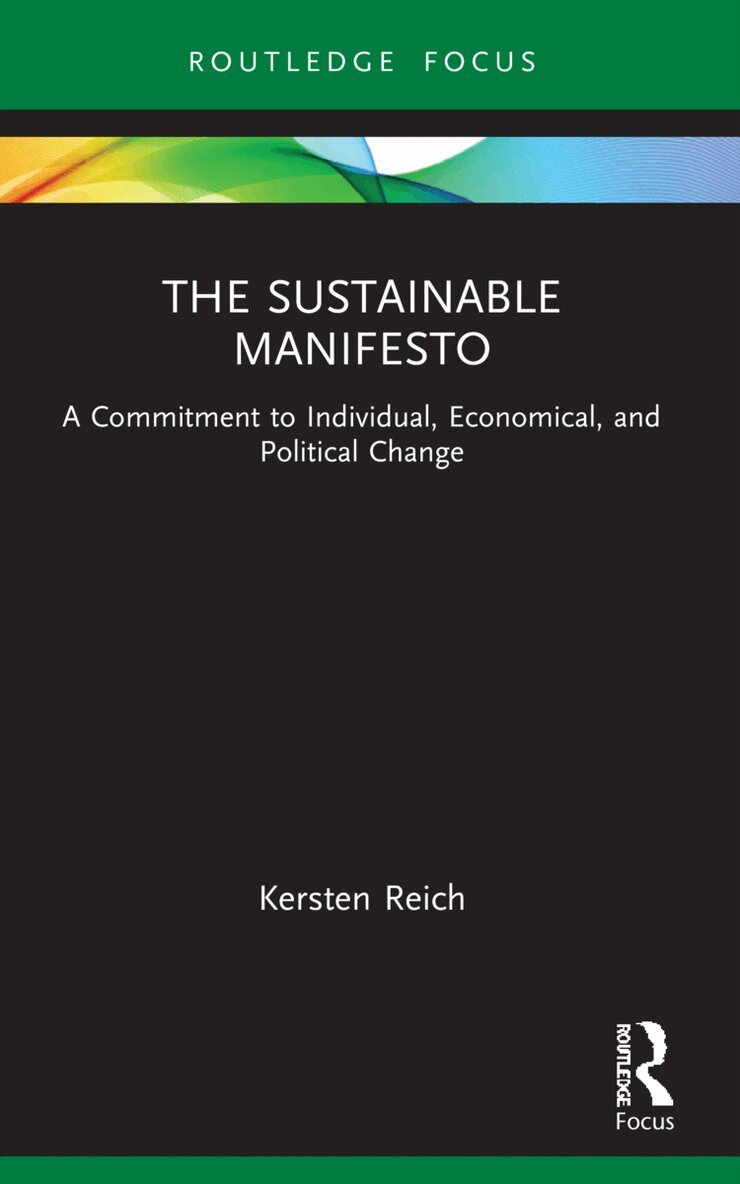
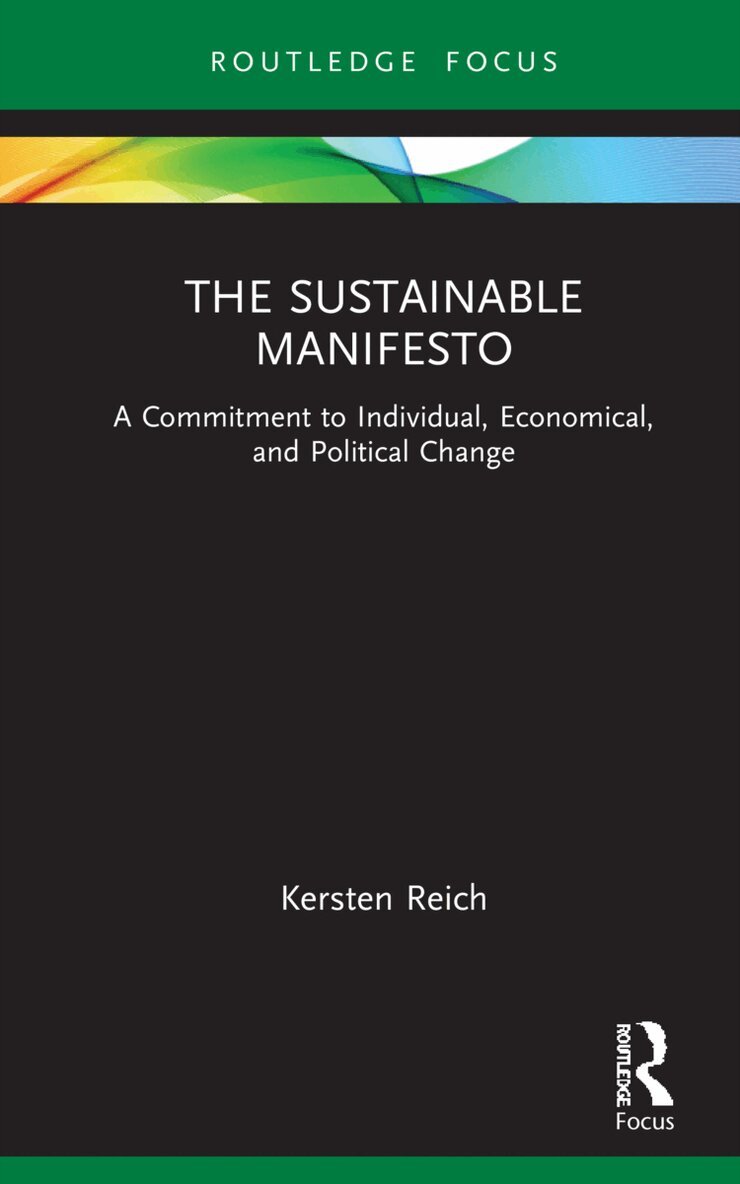
Sustainable Manifesto
A Commitment to Individual, Economical, and Political Change
E-bok, 2022
433 kr
Lägg i varukorg
In The Sustainable Manifesto , Kersten Reich describes in a concise and memorable way the necessary actions that humans need to take to live sustainably and combat climate change. Are we sufficiently capable of changing our behaviour towards sustainability? What do we have to do in a more …
Sustainable Manifesto
A Commitment to Individual, Economical, and Political Change
E-bok, 2022
424 kr
Lägg i varukorg
In The Sustainable Manifesto , Kersten Reich describes in a concise and memorable way the necessary actions that humans need to take to live sustainably and combat climate change. Are we sufficiently capable of changing our behaviour towards sustainability? What do we have to do in a more …
Sustainable Manifesto
A Commitment to Individual, Economical, and Political Change
Häftad, 2022
371 kr
Lägg i varukorg
In The Sustainable Manifesto, Kersten Reich describes in a concise and memorable way the necessary actions that humans need to take to live sustainably and combat climate change. Are we sufficiently capable of changing our behaviour towards sustainability? What do we have to do in a more …
Sustainable Manifesto
A Commitment to Individual, Economical, and Political Change
Inbunden, 2022
997 kr
Lägg i varukorg
In The Sustainable Manifesto, Kersten Reich describes in a concise and memorable way the necessary actions that humans need to take to live sustainably and combat climate change. Are we sufficiently capable of changing our behaviour towards sustainability? What do we have to do in a more …
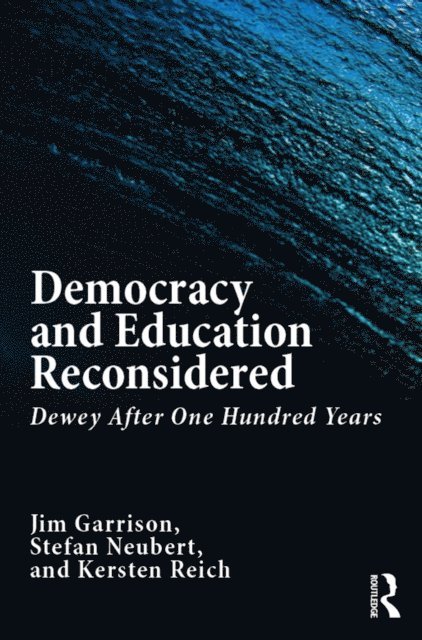
Democracy and Education Reconsidered
Dewey After One Hundred Years
Av Jim Garrison, Stefan Neubert m. fl.
Inbunden, 2016
2441 kr
Lägg i varukorg
Democracy and Education Reconsidered highlights the continued relevance of John Dewey’s Democracy and Education while also examining the need to reconstruct and re-contextualize Dewey’s educational philosophy for our time. The authors propose ways of revising Dewey’s thought in light of the …
Democracy and Education Reconsidered
Dewey After One Hundred Years
Av Jim Garrison, Stefan Neubert m. fl.
Häftad, 2015
743 kr
Lägg i varukorg
Democracy and Education Reconsidered highlights the continued relevance of John Dewey’s Democracy and Education while also examining the need to reconstruct and re-contextualize Dewey’s educational philosophy for our time. The authors propose ways of revising Dewey’s thought in light of the …
Democracy and Education Reconsidered
Dewey After One Hundred Years
Av Kersten Reich, Stefan Neubert m. fl.
E-bok, 2015
856 kr
Lägg i varukorg
Democracy and Education Reconsidered highlights the continued relevance of John Dewey’s Democracy and Education while also examining the need to reconstruct and re-contextualize Dewey’s educational philosophy for our time. The authors propose ways of revising Dewey’s thought in light of the …
Democracy and Education Reconsidered
Dewey After One Hundred Years
Av Kersten Reich, Stefan Neubert m. fl.
E-bok, 2015
856 kr
Lägg i varukorg
Democracy and Education Reconsidered highlights the continued relevance of John Dewey’s Democracy and Education while also examining the need to reconstruct and re-contextualize Dewey’s educational philosophy for our time. The authors propose ways of revising Dewey’s thought in light of the …
Chancengerechtigkeit und Kapitalformen
Gesellschaftliche und individuelle Chancen in Zeiten zunehmender Kapitalisierung
Häftad, 2012
394 kr
Lägg i varukorg
In dem Buch wird grundlegend erörtert, welche Auswirkungen die Kapitalformen, d. h. ökonomisches, soziales, kulturelles, Körper- und Lernkapital, auf die Chancengerechtigkeit heute haben. In Theorie und Praxis werden vier Formen der Mehrwertbildung für alle Kapitalformen begründet. Damit wird die …
Chancengerechtigkeit und Kapitalformen
Gesellschaftliche und individuelle Chancen in Zeiten zunehmender Kapitalisierung
E-bok, 2012
266 kr
Lägg i varukorg
In dem Buch wird grundlegend erörtert, welche Auswirkungen die Kapitalformen, d. h. ökonomisches, soziales, kulturelles, Körper- und Lernkapital, auf die Chancengerechtigkeit heute haben. In Theorie und Praxis werden vier Formen der Mehrwertbildung für alle Kapitalformen begründet. Damit wird die …
Der entgrenzte Mensch und die Grenzen der Erde Band 1
Wie Erziehung und Verhalten die Nachhaltigkeit erschweren
E-bok, 2021
262 kr
Lägg i varukorg
Hochwasser des Überflusses: Wie der Mensch die Erde überschwemmtObwohl der rasante Wandel unseres Klimas, die stetig anwachsende Armut und der dramatische Ressourcenschwund allseits bekannt sind und unsere Welt tagtäglich verändern, möchten wir weiterhin glauben, dass sie sich in gewohnter Weise …
Der entgrenzte Mensch und die Grenzen der Erde - Band 2
Wie Ökonomie und Politik die Nachhaltigkeit verhindern
E-bok, 2021
236 kr
Lägg i varukorg
System der Unnachhaltigkeit: Wie Ökonomie und Politik Nachhaltigkeit verhindernEs sind vor allem unsere eigenen Verhaltens- und Denkmuster, die nachhaltiges Neudenken und Handeln verhindern. Der grassierende Klimawandel, die steigende Armut und der Ressourcenverzehr - um nur drei der größten …
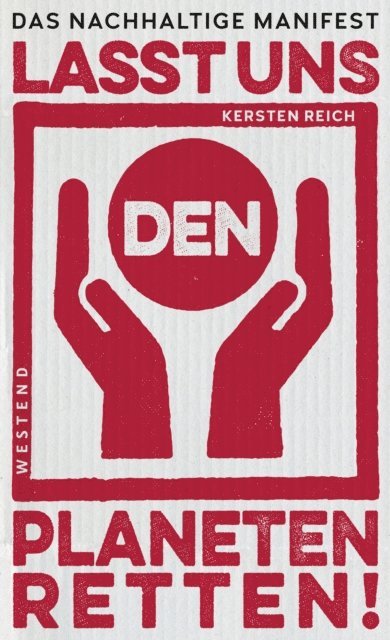
Lasst uns den Planeten retten!
Das nachhaltige Manifest
E-bok, 2021
107 kr
Lägg i varukorg
Die Lösungen, die wir heute für die sich bedrohlich nähernde Klimakatastrophe finden, werden für unser Überleben entscheidend sein. Ein "Weiter so" mit einer Wirtschaft, die auf Gewinnmaximierung orientiert ist, mit einer Politik, die ständiges Wachstum predigt und einem Konsum, der den Eigennutz …