Clint Eastwood has forged a remarkable career as a movie star, director, producer and composer. These newly discovered conversations with legendary journalist Paul Nelson return us to a point when, still acting in other people''s films, Eastwood was honing his directorial craft on a series of inexpensive films that he brought in under budget and ahead of schedule. Operating largely beneath the critical radar, he made his movies swiftly and inexpensively. Few of his critics then could have predicted that Eastwood the actor and director would ever be taken as seriously as he is today. But Paul Nelson did. The interviews were conducted from 1979 through 1983. Eastwood talks openly and without illusions about his early career as an actor, old Hollywood, and his formative years as a director, his influence and what he learned along the way as an actor-lessons that helped him become the director he is today. Conversations with Clint provides a fresh and vivid perspective on the life and work of this most American of movie icons.
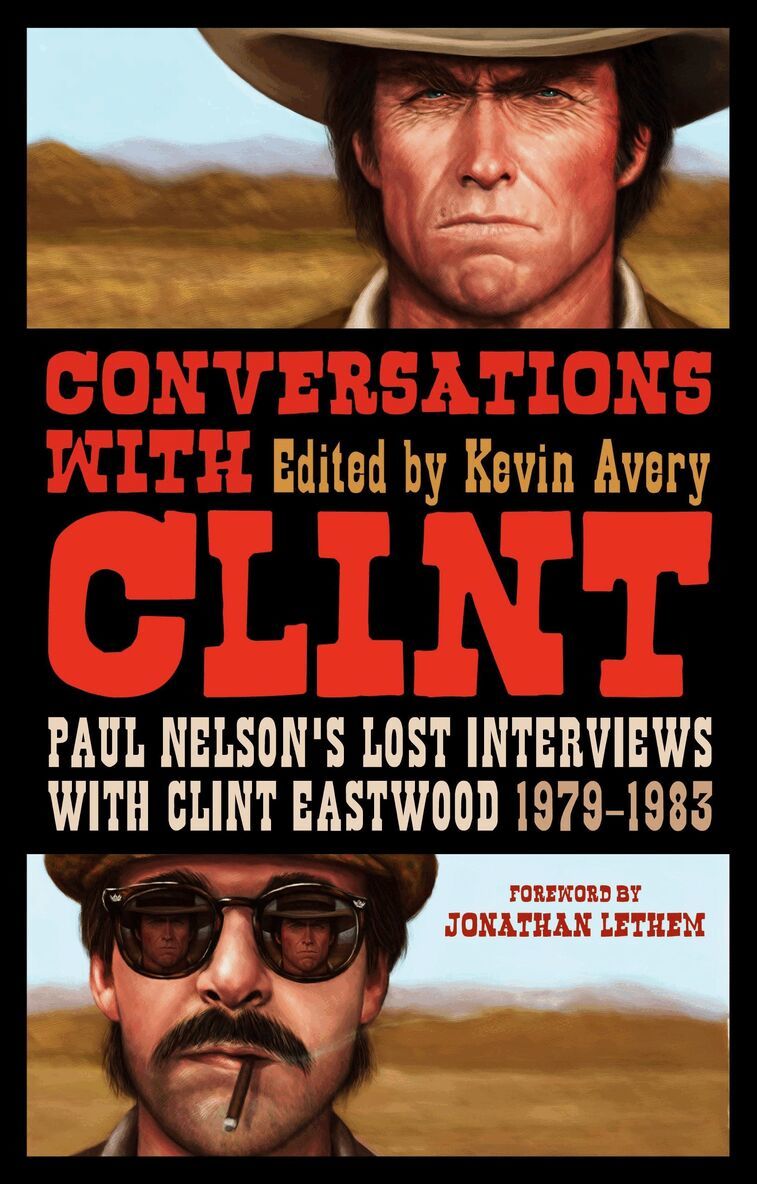
Long considered lost, these extensive interviews between legendary "Rolling Stone" journalist Paul Nelson and Clint Eastwood were discovered after Nelson's death in 2006. Clint Eastwood has forged a remarkable career as a movie star, director, producer and composer. These newly discovered conversations with legendary journalist Paul Nelson return us to a point when, still acting in other people's films, Eastwood was honing his directorial craft on a series of inexpensive films that he brought in under budget and ahead of schedule. Operating largely beneath the critical radar, he made his movies swiftly and inexpensively. Few of his critics then could have predicted that Eastwood the actor and director would ever be taken as seriously as he is today. But Paul Nelson did. The interviews were conducted from 1979 through 1983. Eastwood talks openly and without illusions about his early career as an actor, old Hollywood, and his formative years as a director, his influence and what he learned along the way as an actor - lessons that helped him become the director he is today."Conversations with Clint" provides a fresh and vivid perspective on the life and work of this most American of movie icons.
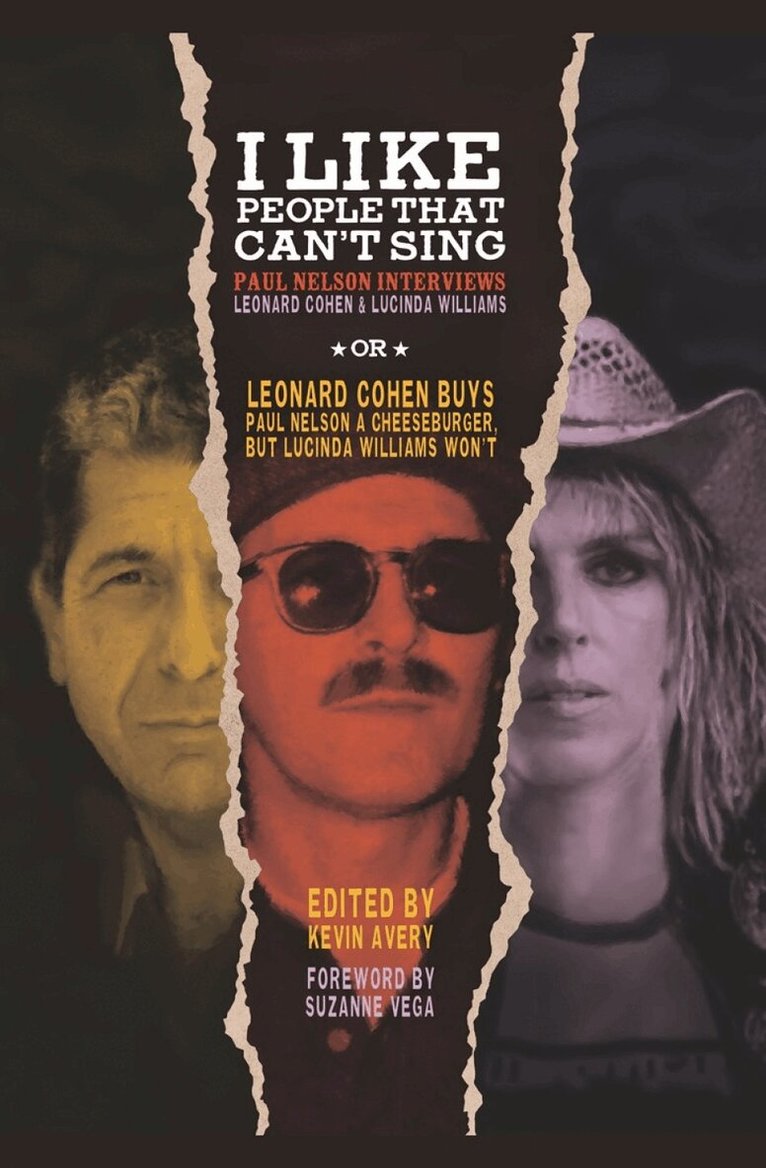
In 1991, legendary but down-and-out rock critic Paul Nelson was making a comeback and landed his dream assignment: fly from New York to Los Angeles and, separately, interview two of the most disparate popular music talents imaginable - Leonard Cohen and Lucinda Williams. Nelson reaches them at a time in their careers when both of them struggle with their respective record companies to be better understood and to be taken seriously. Nelson treats them as they deserve to be treated - as artists whose reputations as singer-songwriters are nonpareil. Over several days each, he burns over five and a half hours of tape talking with Williams and another ten and a half with Cohen, exploring their childhoods and upbringing, loves and losses, musical influences, and more. Neither of these journalistic treasures had seen the light of day by the time of Nelson's death in 2006. I Like People That Can't Sing, in addition to making these interviews available for the first time anywhere, takes a hard look at the reasons behind Nelson's inability to bring them and other landmark interviews to fruition.