Khandakar R. Islam – författare
Visar alla böcker från författaren Khandakar R. Islam. Handla med fri frakt och snabb leverans.
3 produkter
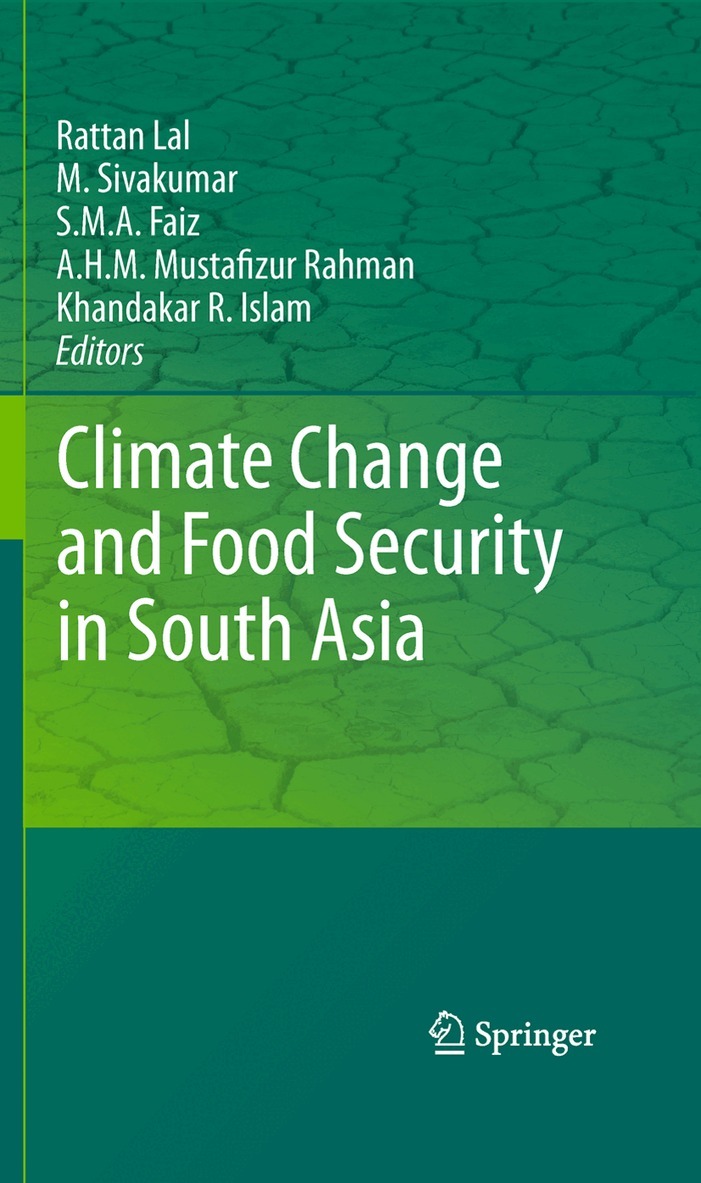
Climate Change and Food Security in South Asia
Av Rattan Lal, Mannava VK Sivakumar m. fl.
Inbunden, 2010
2179 kr
Lägg i varukorg
This book addresses an important topic of food security in South Asia with specific reference to climate change. Of the 1 billion food insecure people in the world, more than 30% are in South Asia. The problem of food insecurity may be exacerbated by the projected climate change especially because …
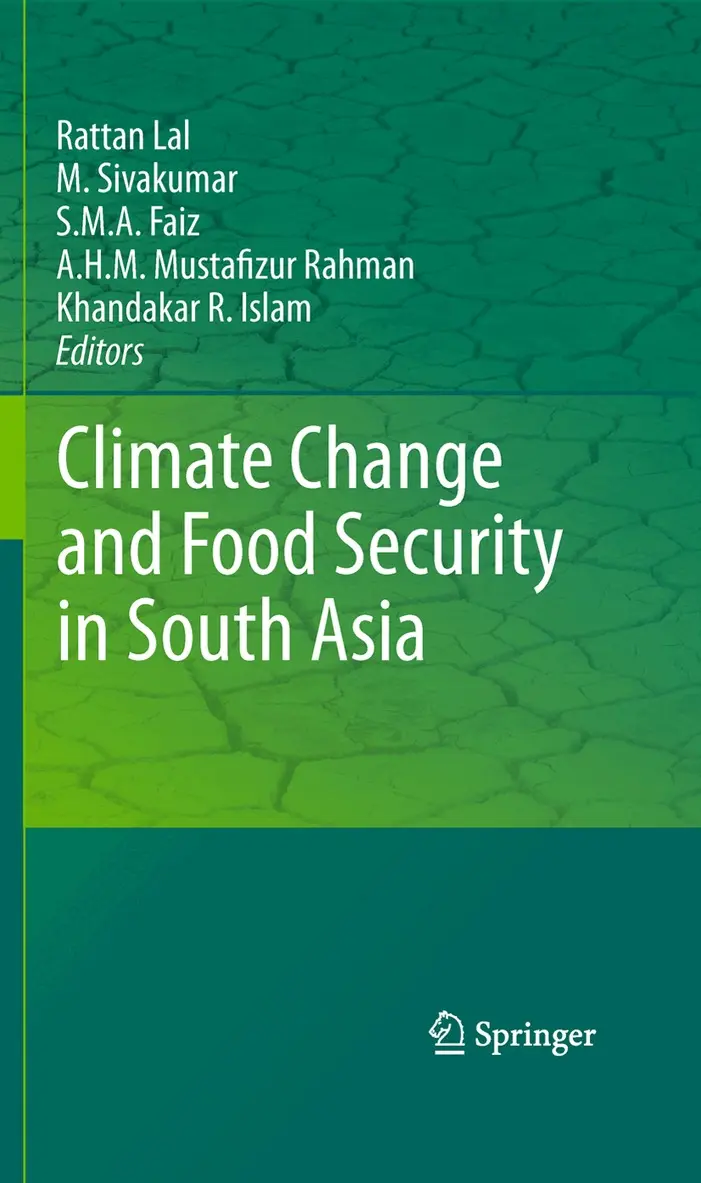
Climate Change and Food Security in South Asia
Av Khandakar R. Islam, A.H.M. Mustafizur Rahman m. fl.
E-bok, 2010
2925 kr
Lägg i varukorg
This book addresses an important topic of food security in South Asia with specific reference to climate change. Of the 1 billion food insecure people in the world, more than 30% are in South Asia. The problem of food insecurity may be exacerbated by the projected climate change especially because …
Climate Change and Food Security in South Asia
Av Rattan Lal, Mannava VK Sivakumar m. fl.
Häftad, 2014
2179 kr
Lägg i varukorg
This book addresses an important topic of food security in South Asia with specific reference to climate change. Of the 1 billion food insecure people in the world, more than 30% are in South Asia. The problem of food insecurity may be exacerbated by the projected climate change especially because …