Khatchig Mouradian – författare
Visar alla böcker från författaren Khatchig Mouradian. Handla med fri frakt och snabb leverans.
8 produkter
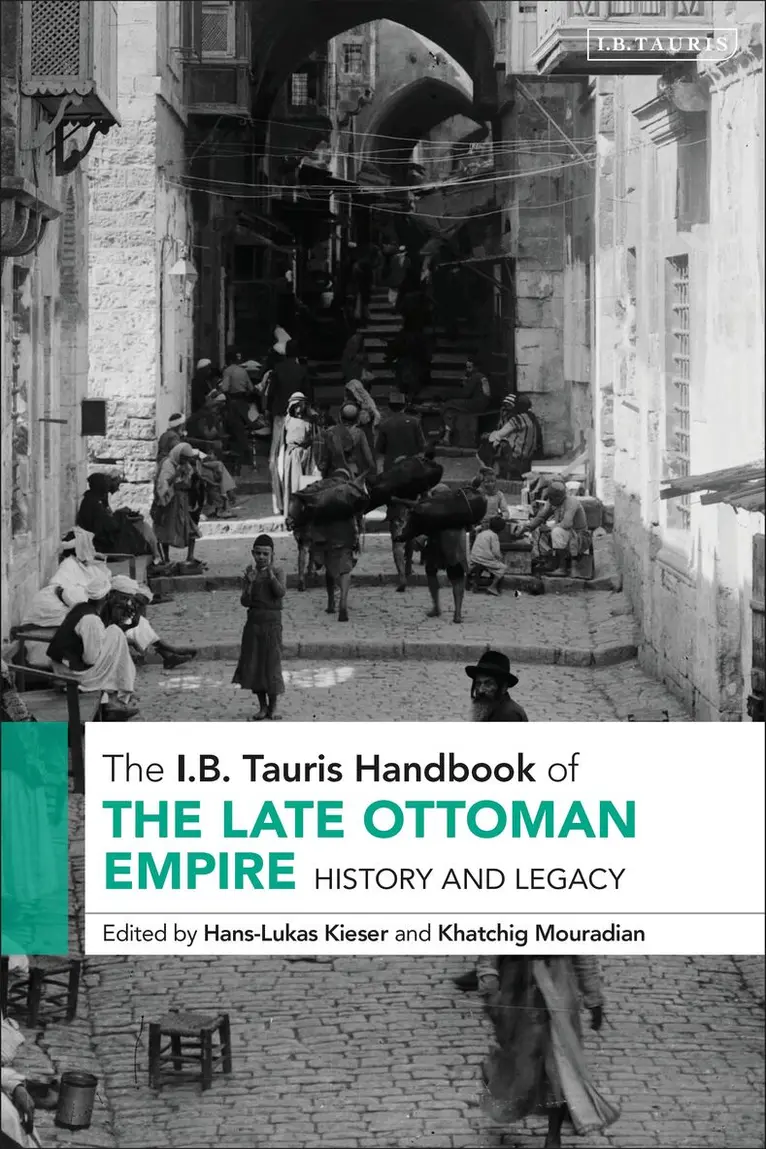
I.B. Tauris Handbook of the Late Ottoman Empire
History and Legacy
Av Hans-Lukas Kieser, Khatchig Mouradian
Inbunden, 2025
2190 kr
Lägg i varukorg
Drawing on contributions from fifty established and emerging academics, The I.B. Tauris Handbook of the Late Ottoman Empire explores the scholarship that has emerged in recent decades on the Late Ottoman period and its legacies.Seven chronological sections, featuring thirty-four chapters and eight …
I.B. Tauris Handbook of the Late Ottoman Empire
History and Legacy
Av Hans-Lukas Kieser, Khatchig Mouradian
E-bok, 2025
2078 kr
Lägg i varukorg
Drawing on contributions from fifty established and emerging academics, The I.B. Tauris Handbook of the Late Ottoman Empire explores the scholarship that has emerged in recent decades on the Late Ottoman period and its legacies.Seven chronological sections, featuring thirty-four chapters and eight …
I.B. Tauris Handbook of the Late Ottoman Empire
History and Legacy
Av Hans-Lukas Kieser, Khatchig Mouradian
E-bok, 2025
2078 kr
Lägg i varukorg
Drawing on contributions from fifty established and emerging academics, The I.B. Tauris Handbook of the Late Ottoman Empire explores the scholarship that has emerged in recent decades on the Late Ottoman period and its legacies.Seven chronological sections, featuring thirty-four chapters and eight …
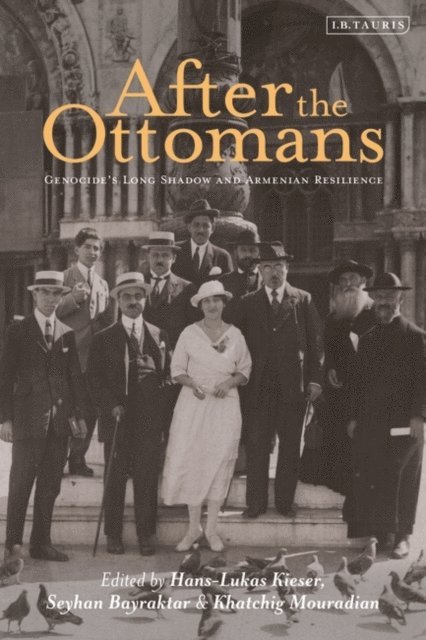
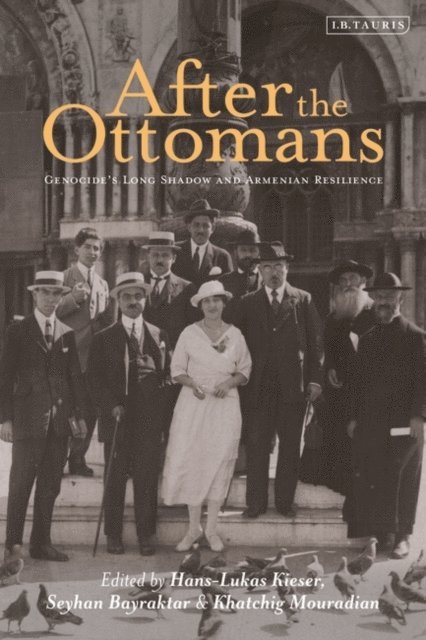
After the Ottomans
Genocide'S Long Shadow and Armenian Resilience
Av Hans-Lukas Kieser, Khatchig Mouradian m. fl.
E-bok, 2023
466 kr
Lägg i varukorg
This book deals with the lasting impact and the formative legacy of removal, dispossession and the politics of genocide in the last decade of the Ottoman Empire. For understanding contemporary Turkey and the neighboring region, it is important to revisit the massive transformation of the …
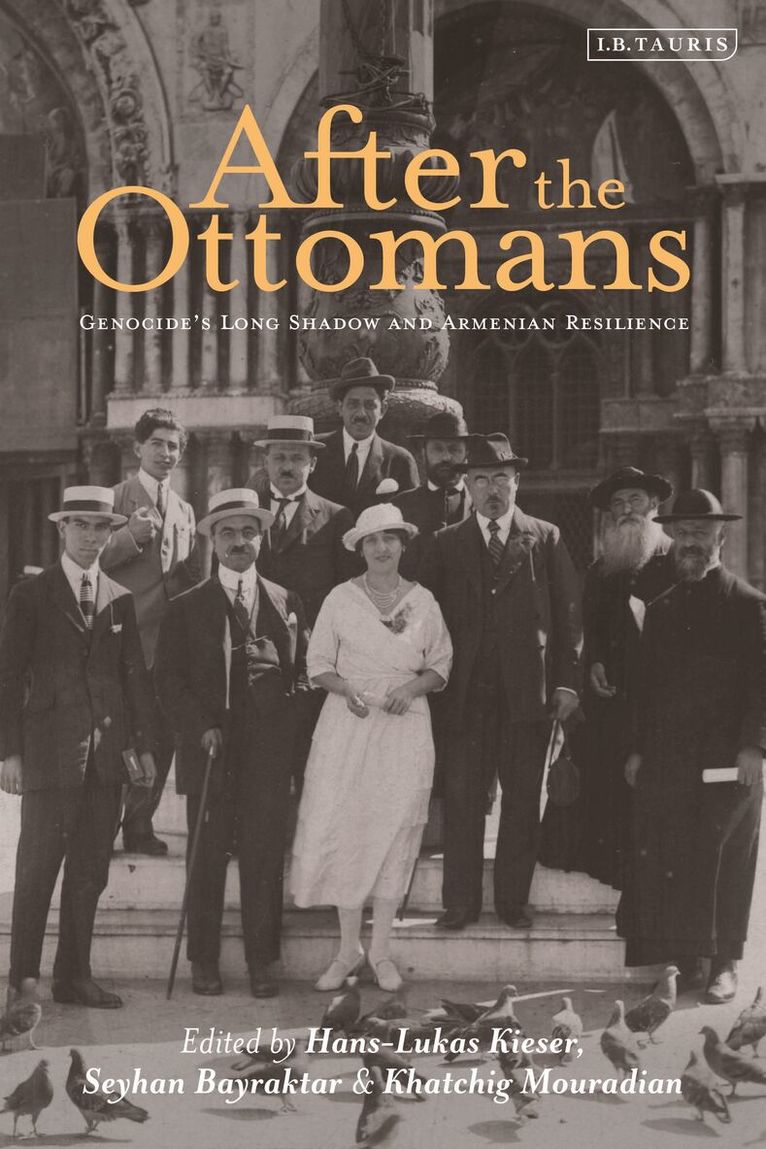
After the Ottomans
Genocide'S Long Shadow and Armenian Resilience
Av Hans-Lukas Kieser, Khatchig Mouradian m. fl.
E-bok, 2023
466 kr
Lägg i varukorg
This book deals with the lasting impact and the formative legacy of removal, dispossession and the politics of genocide in the last decade of the Ottoman Empire. For understanding contemporary Turkey and the neighboring region, it is important to revisit the massive transformation of the …
After the Ottomans
Genocide's Long Shadow and Armenian Resilience
Av Hans-Lukas Kieser, Khatchig Mouradian m. fl.
Häftad, 2025
429 kr
Lägg i varukorg
This book deals with the lasting impact and the formative legacy of removal, dispossession and the politics of genocide in the last decade of the Ottoman Empire. For understanding contemporary Turkey and the neighboring region, it is important to revisit the massive transformation of the …
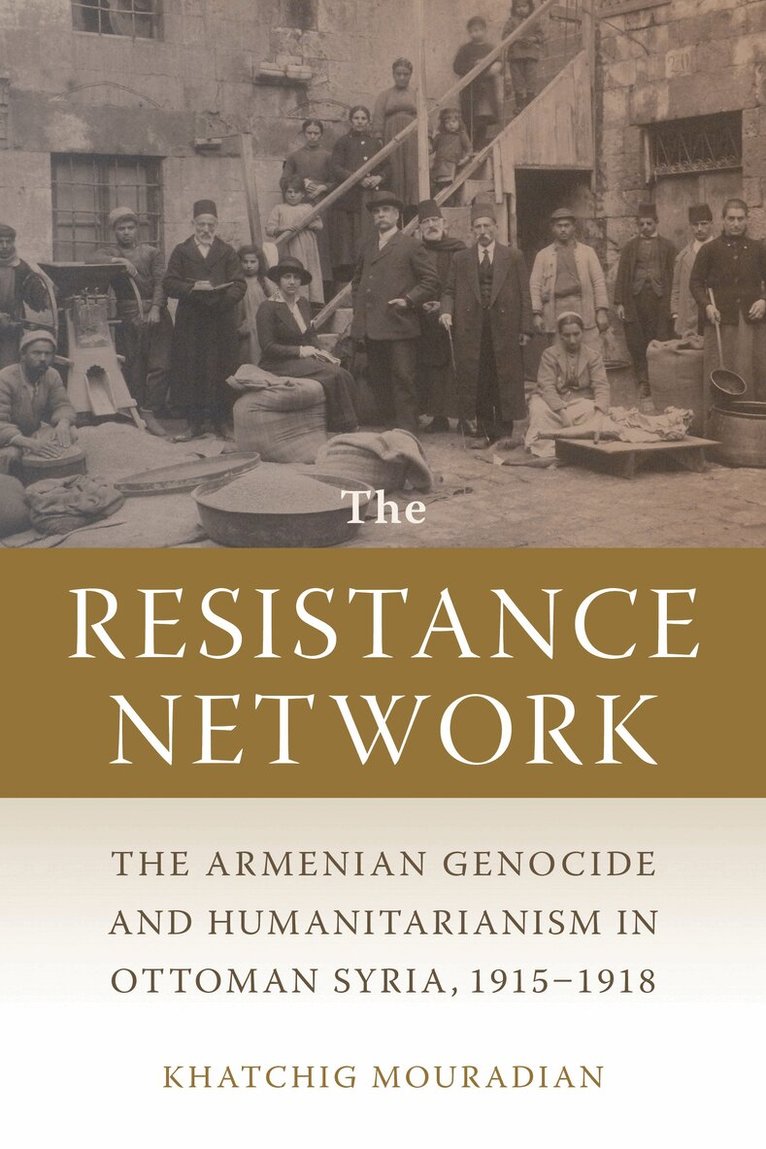
Resistance Network
The Armenian Genocide and Humanitarianism in Ottoman Syria, 1915–1918
Häftad, 2021
659 kr
Lägg i varukorg
The Resistance Network is the history of an underground network of humanitarians, missionaries, and diplomats in Ottoman Syria who helped save the lives of thousands during the Armenian Genocide. Khatchig Mouradian challenges depictions of Armenians as passive victims of violence and subjects of …
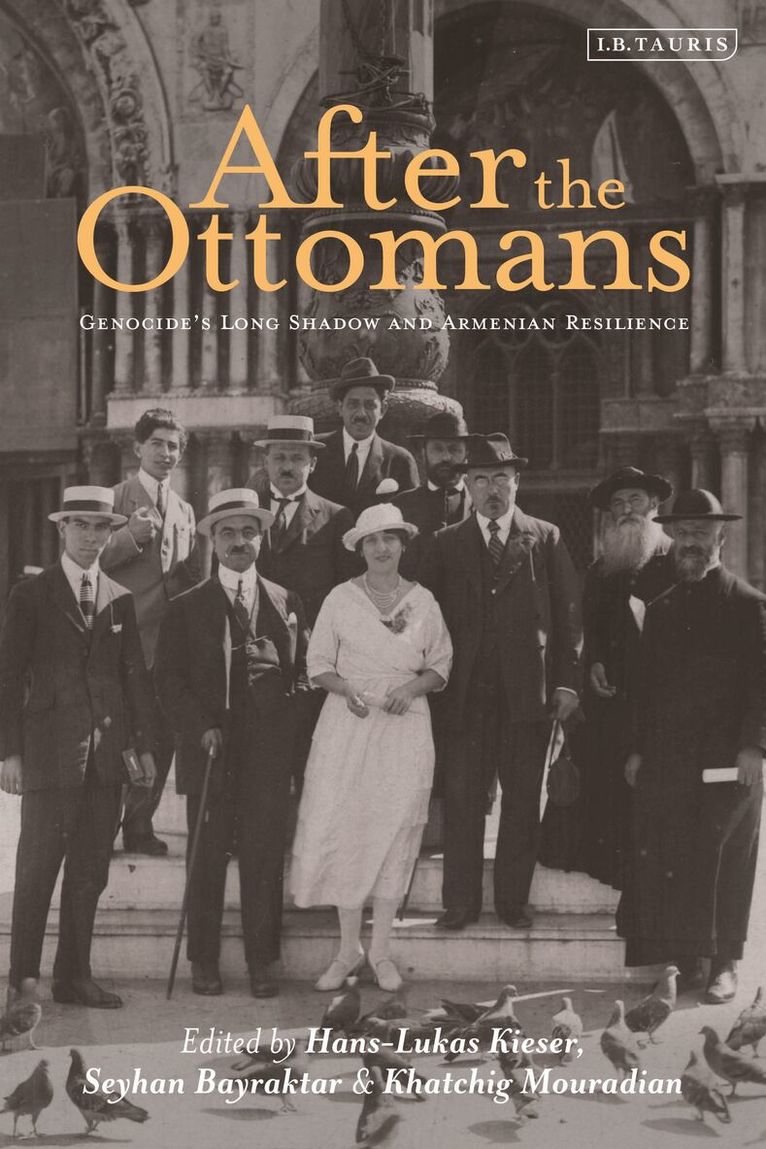
After the Ottomans
Genocide's Long Shadow and Armenian Resilience
Av Hans-Lukas Kieser, Khatchig Mouradian m. fl.
Inbunden, 2023
1385 kr
Lägg i varukorg
This book deals with the lasting impact and the formative legacy of removal, dispossession and the politics of genocide in the last decade of the Ottoman Empire. For understanding contemporary Turkey and the neighboring region, it is important to revisit the massive transformation of the …