Kimberly B. Stratton - Böcker
Visar alla böcker från författaren Kimberly B. Stratton. Handla med fri frakt och snabb leverans.
4 produkter
4 produkter
1 801 kr
Skickas inom 5-8 vardagar
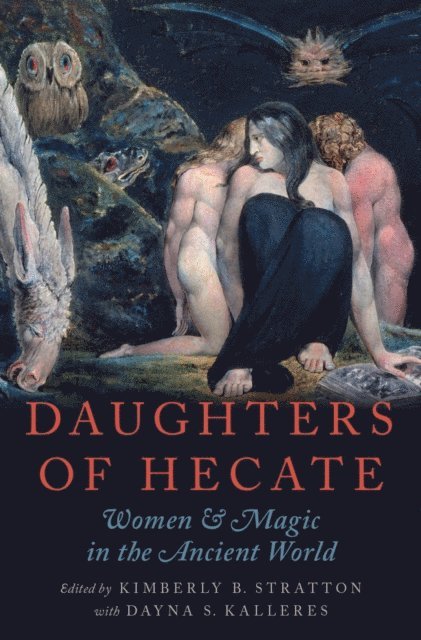
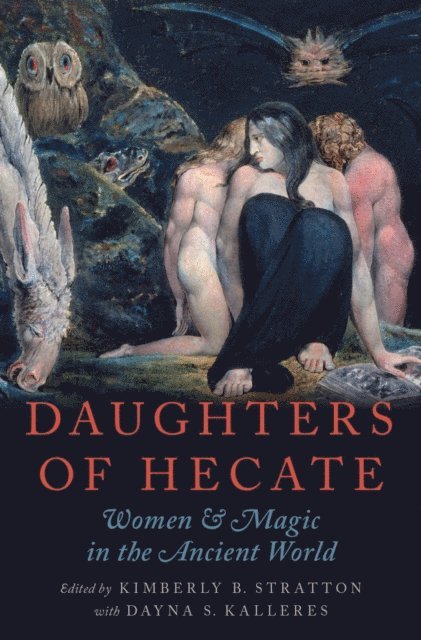
Daughters of Hecate unites for the first time research on the problem of gender and magic in three ancient Mediterranean societies: early Judaism, Christianity, and Graeco-Roman culture. The book illuminates the gendering of ancient magic by approaching the topic from three distinct disciplinary perspectives: literary stereotyping, the social application of magic discourse, and material culture.The volume challenges presumed associations of women and magic by probing the foundations of, processes, and motivations behind gendered stereotypes, beginning with Western culture's earliest associations of women and magic in the Bible and Homer's Odyssey. Daughters of Hecate provides a nuanced exploration of the topic while avoiding reductive approaches. In fact, the essays in this volume uncover complexities and counter-discourses that challenge, rather than reaffirm, many gendered stereotypes taken for granted and reified by most modern scholarship.By combining critical theoretical methods with research into literary and material evidence, Daughters of Hecate interrogates gendered stereotypes that are as relevant now as for understanding antiquity or the early modern witch hunts.
642 kr
Skickas inom 5-8 vardagar
Daughters of Hecate unites for the first time research on the problem of gender and magic in three ancient Mediterranean societies: early Judaism, Christianity, and Graeco-Roman culture. The book illuminates the gendering of ancient magic by approaching the topic from three distinct disciplinary perspectives: literary stereotyping, the social application of magic discourse, and material culture. The authors probe the foundations of, processes, and motivations behind gendered stereotypes, beginning with Western culture's earliest associations of women and magic in the Bible and Homer's Odyssey. Daughters of Hecate provides a nuanced exploration of the topic while avoiding reductive approaches. In fact, the essays in this volume uncover complexities and counter-discourses that challenge, rather than reaffirm, many gendered stereotypes taken for granted and reified by most modern scholarship. By combining critical theoretical methods with research into literary and material evidence, Daughters of Hecate interrogates a false association that has persisted from antiquity, to early modern witch hunts, to the present day.
2 127 kr
Skickas inom 3-6 vardagar
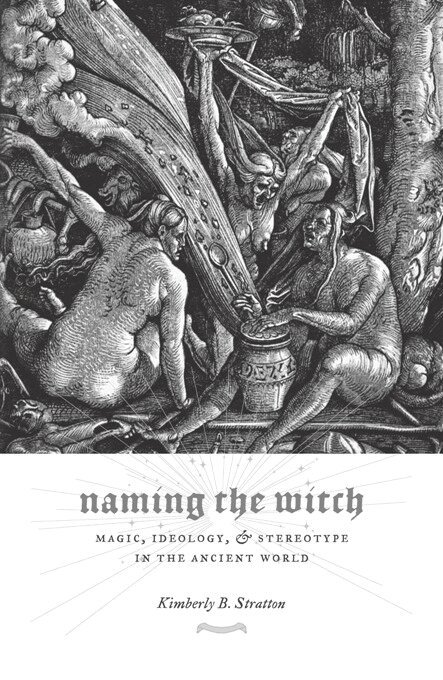
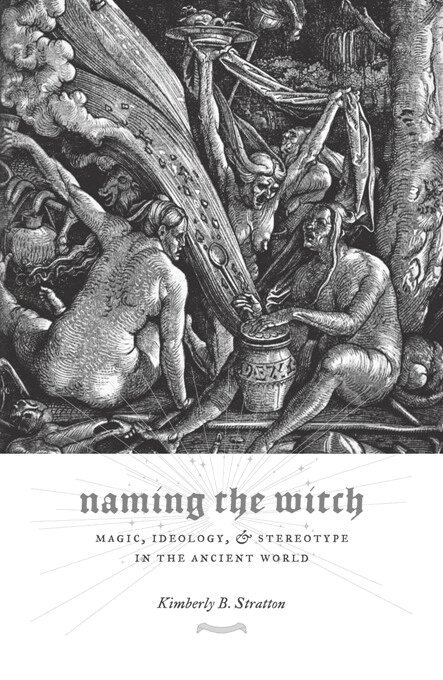
Kimberly B. Stratton investigates the cultural and ideological motivations behind early imaginings of the magician, the sorceress, and the witch in the ancient world. Accusations of magic could carry the death penalty or, at the very least, marginalize the person or group they targeted. But Stratton moves beyond the popular view of these accusations as mere slander. In her view, representations and accusations of sorcery mirror the complex struggle of ancient societies to define authority, legitimacy, and Otherness. Stratton argues that the concept "magic" first emerged as a discourse in ancient Athens where it operated part and parcel of the struggle to define Greek identity in opposition to the uncivilized "barbarian" following the Persian Wars. The idea of magic then spread throughout the Hellenized world and Rome, reflecting and adapting to political forces, values, and social concerns in each society. Stratton considers the portrayal of witches and magicians in the literature of four related periods and cultures: classical Athens, early imperial Rome, pre-Constantine Christianity, and rabbinic Judaism.She compares patterns in their representations of magic and analyzes the relationship between these stereotypes and the social factors that shaped them. Stratton's comparative approach illuminates the degree to which magic was (and still is) a cultural construct that depended upon and reflected particular social contexts. Unlike most previous studies of magic, which treated the classical world separately from antique Judaism, Naming the Witch highlights the degree to which these ancient cultures shared ideas about power and legitimate authority, even while constructing and deploying those ideas in different ways. The book also interrogates the common association of women with magic, denaturalizing the gendered stereotype in the process. Drawing on Michel Foucault's notion of discourse as well as the work of other contemporary theorists, such as Homi K. Bhabha and Bruce Lincoln, Stratton's bewitching study presents a more nuanced, ideologically sensitive approach to understanding the witch in Western history.
282 kr
Skickas inom 7-10 vardagar
Kimberly B. Stratton investigates the cultural and ideological motivations behind early imaginings of the magician, the sorceress, and the witch in the ancient world. Accusations of magic could carry the death penalty or, at the very least, marginalize the person or group they targeted. But Stratton moves beyond the popular view of these accusations as mere slander. In her view, representations and accusations of sorcery mirror the complex struggle of ancient societies to define authority, legitimacy, and Otherness.Stratton argues that the concept "magic" first emerged as a discourse in ancient Athens where it operated part and parcel of the struggle to define Greek identity in opposition to the uncivilized "barbarian" following the Persian Wars. The idea of magic then spread throughout the Hellenized world and Rome, reflecting and adapting to political forces, values, and social concerns in each society. Stratton considers the portrayal of witches and magicians in the literature of four related periods and cultures: classical Athens, early imperial Rome, pre-Constantine Christianity, and rabbinic Judaism. She compares patterns in their representations of magic and analyzes the relationship between these stereotypes and the social factors that shaped them.Stratton's comparative approach illuminates the degree to which magic was (and still is) a cultural construct that depended upon and reflected particular social contexts. Unlike most previous studies of magic, which treated the classical world separately from antique Judaism, Naming the Witch highlights the degree to which these ancient cultures shared ideas about power and legitimate authority, even while constructing and deploying those ideas in different ways. The book also interrogates the common association of women with magic, denaturalizing the gendered stereotype in the process. Drawing on Michel Foucault's notion of discourse as well as the work of other contemporary theorists, such as Homi K. Bhabha and Bruce Lincoln, Stratton's bewitching study presents a more nuanced, ideologically sensitive approach to understanding the witch in Western history.