Kishan Gopal Ramawat – författare
3 244 kr
Läs direkt efter köp
2 773 kr
Skickas inom 10-15 vardagar
3 273 kr
Läs direkt efter köp
2 773 kr
Skickas inom 10-15 vardagar
3 244 kr
Läs direkt efter köp
6 648 kr
Skickas inom 10-15 vardagar
8 724 kr
Läs direkt efter köp
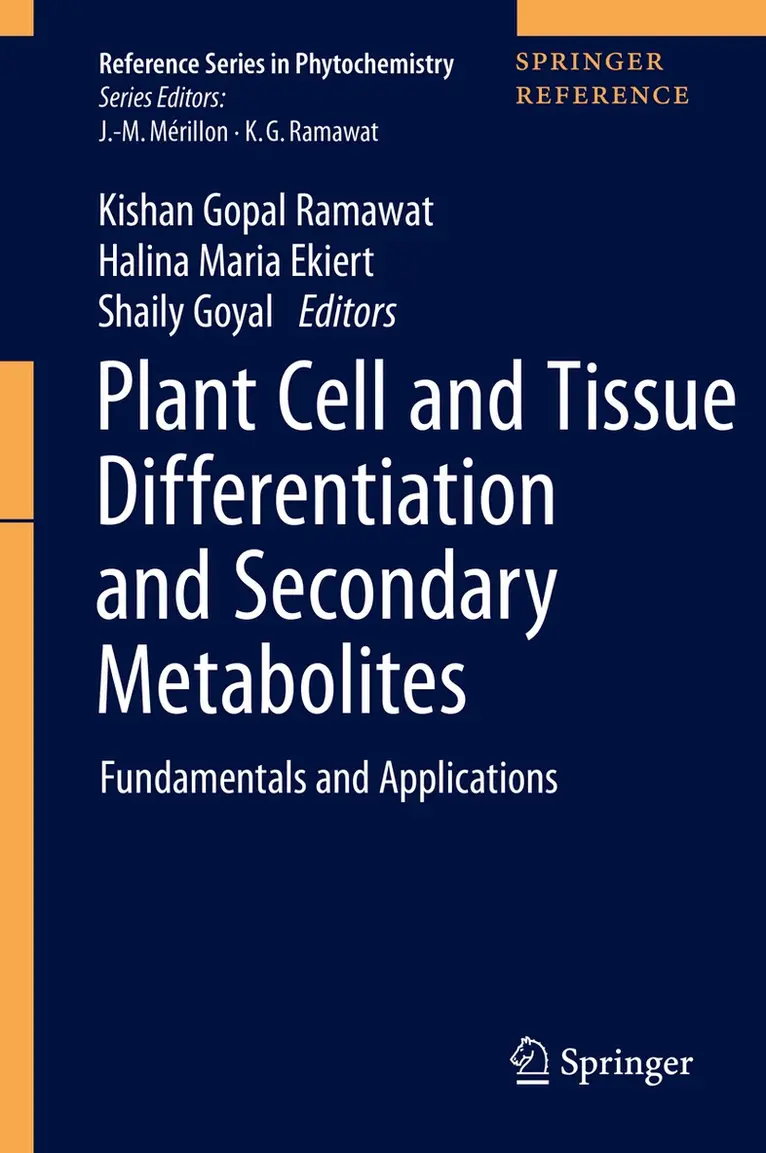
This reference work provides a comprehensive review of cell and tissue differentiation and its role in the formation of specific secondary metabolites. Divided into five sections, this book covers the main cellular processes involved in the biosynthesis of secondary metabolites. Chapters from expert contributors offer specific case studies of cell and tissue differentiation, examines secondary metabolites in shoot and root cultures, and present new scientific insights and original technologies with applications in medicinal plants and in plant biotechnology.
Students, scholars and researchers with an interest in the fields of botany, agriculture, pharmacy, biotechnology and phytochemistry will find this book an important account. This book will also engage professionals working in plant-based industry.
1 619 kr
Skickas inom 10-15 vardagar
1 977 kr
Läs direkt efter köp
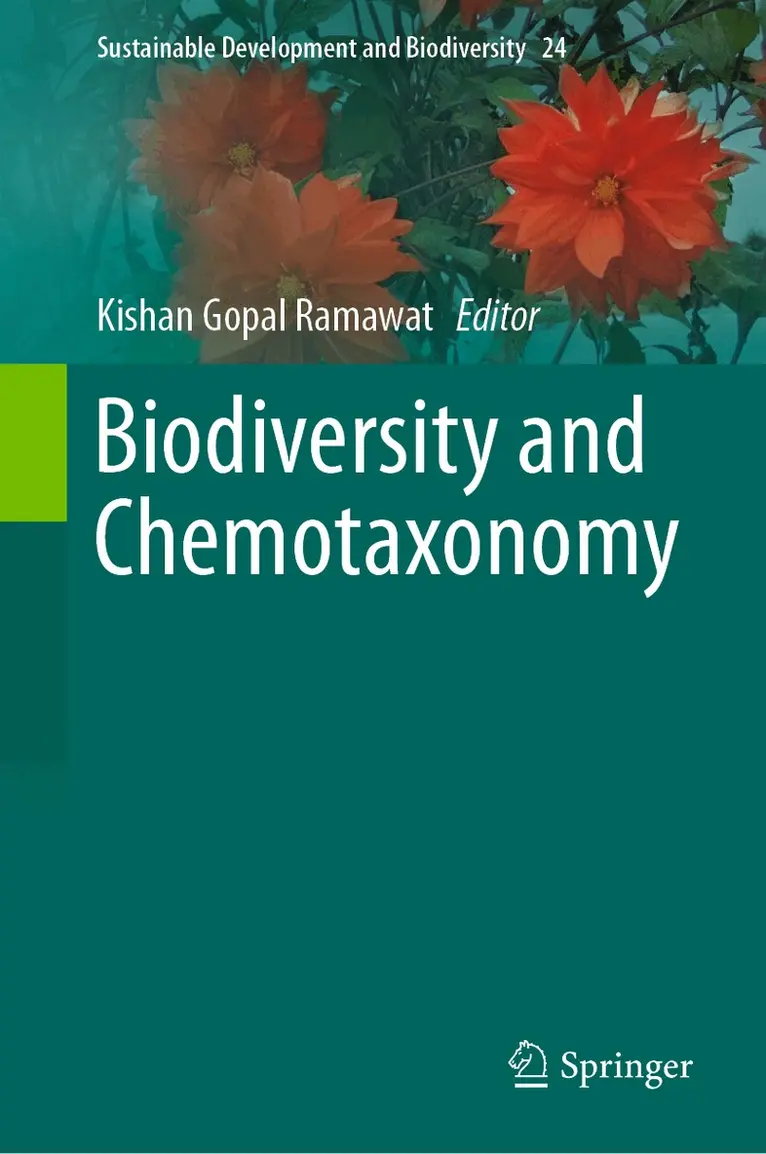
Plant classifications are based on morphological characters and it is difficult, particularly in small plants and grasses, to identify these below generic level on the basis of these characters using a dissecting microscope. Plant species have intra- and inter-specific variation in secondary metabolites which can be utilized as marker compounds for identification and classification of plants. Secondary metabolites are produced as a result of primary metabolism and the production of these compounds not only involves several genes but also it is an energy dependent process. Hence these products cannot be considered as insignificant for the plant and the environment. Modern tools of molecular biology and secondary metabolites present in them can definitively decide about classification of plants. Absence of correct identification of plant is associated to many problems of resource utilization. Due to wide availability of these tools, interest has revived in systematics and correct classification of plants based on these parameters for their sustainable utilization and resource management.
The purpose of this book is to assess the potential of phytochemical and molecular tools in the systematic and classification of plants. The topics covered include species concept, barcoding and phylogenetic analysis, chemotaxonomy use of polyketides, carotenes, cuticular wax, volatile oils, biodiversity of corals, metazoans, Ruta and Echinocereus.
It provides comprehensive and broad subject-based reviews, useful for students, teachers, researchers, and all others interested in the field. The field has been kept wide and general to accommodate the wide-ranging topics. This book will be useful to agriculturists, chemists, botanists, industrialists, and those involved in planning of crop plants.
1 619 kr
Skickas inom 10-15 vardagar
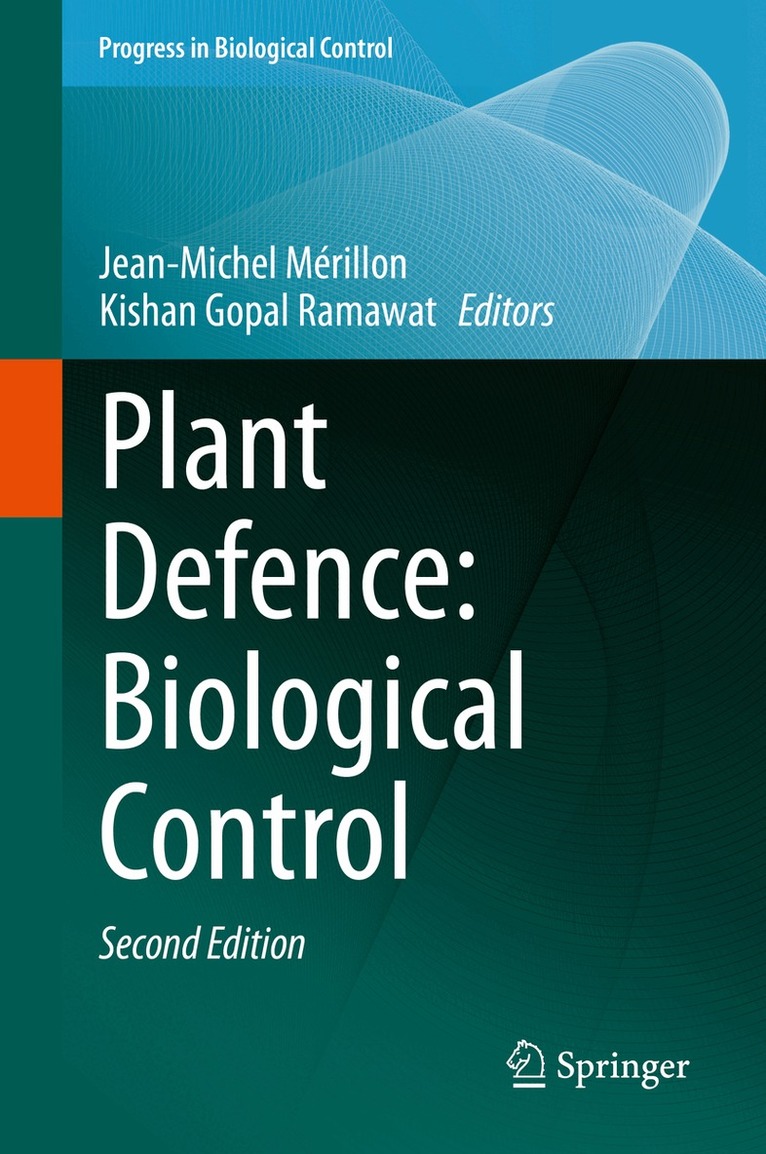
Plant Defence: Biological Control
1 941 kr
Skickas inom 10-15 vardagar
2 435 kr
Läs direkt efter köp
Plant Defence: Biological Control
1 941 kr
Skickas inom 10-15 vardagar
Medicinal Plants
Domestication, Biotechnology and Regional Importance
3 016 kr
Skickas inom 10-15 vardagar
3 809 kr
Läs direkt efter köp
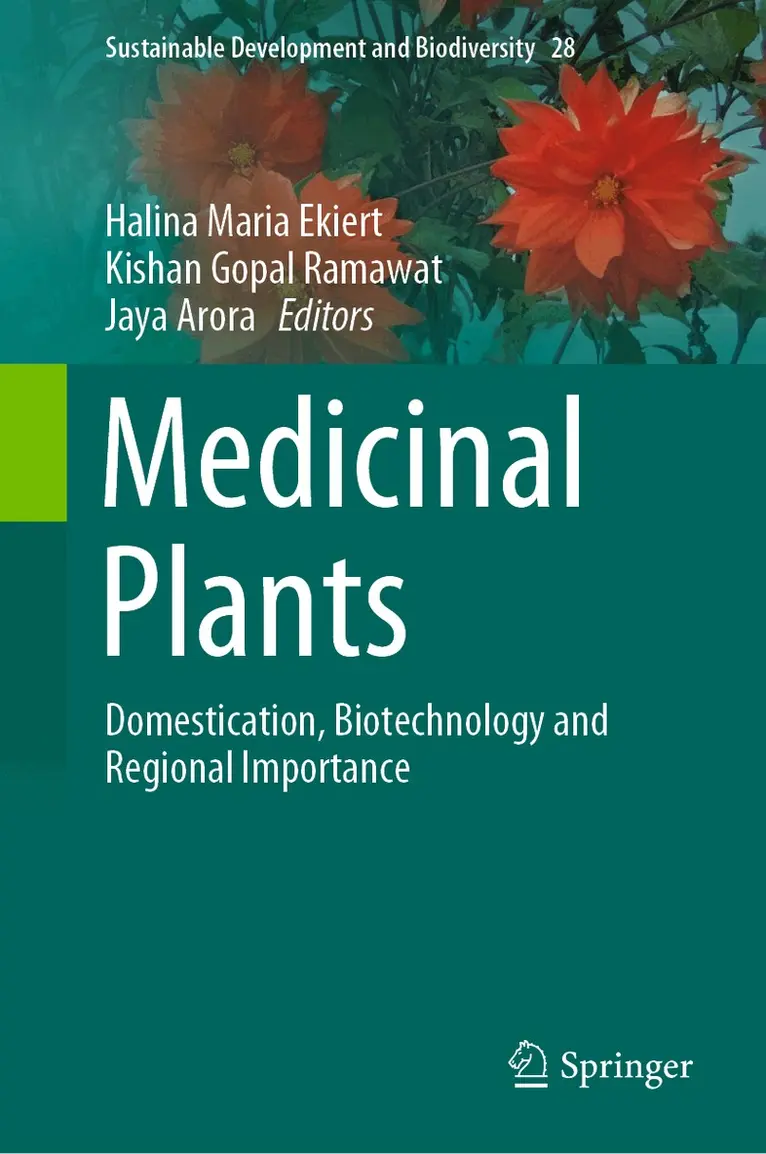
Medicinal plant research is an evergreen subject. There is a tremendous increase in popularity of herbal medicine in traditional medicine, ethnomedicine, modern medicine and as over the counter food supplements. Even after this increased demand, supply is neither uniform nor assured as most of these plants are collected from wild. In developing countries of tropical and subtropical regions where majority of herbal drugs are produced, this is not organised sector making it vulnerable to several malpractices, hence standardization of all aspects required. This has also negative impact on biodiversity and conservation of plants as well as supply of uniform material.
This book is aimed to provide up to date information about sustainable use of selected medicinal plants, their active ingredients and efforts made to domesticate them to ensured uniform supply. Development of agrotechnology, biotechnology and cultivation practices using conventional and non-conventional methods arepresented. Where these efforts will lead the medicinal plant research and future perspective are discussed.
The chapters are written by well recognised group leaders in working in the field. The book contains topics on general biology of medicinal plants, their sustainable use and, cultivation and domestication efforts. A uniform chapter structure has been designed to keep consistency. The book will be useful for academicians, agriculturists, biotechnologists and researcher, and industries involved in manufacturing herbal drugs and supplementary products.
Medicinal Plants
Domestication, Biotechnology and Regional Importance
3 016 kr
Skickas inom 10-15 vardagar
6 095 kr
Skickas inom 10-15 vardagar
7 861 kr
Läs direkt efter köp
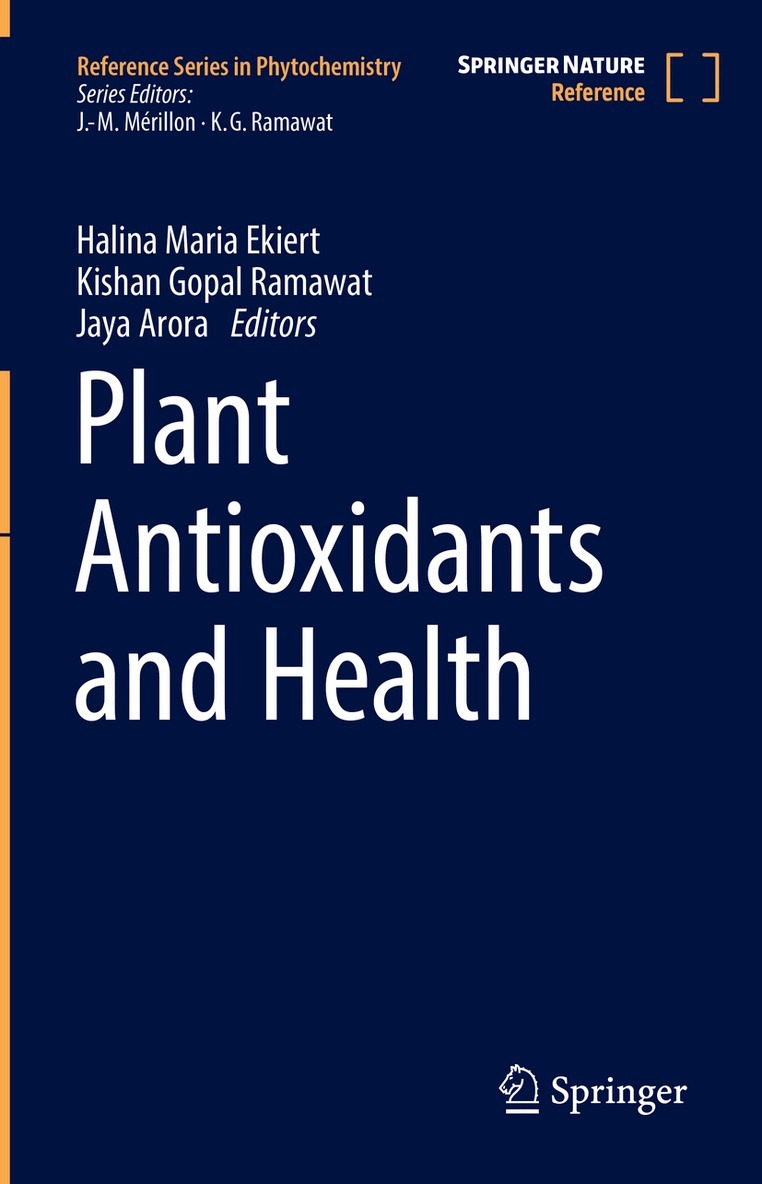
This book provides a comprehensive reference guide to plant-derived antioxidants, their beneficial effects, mechanisms of action, and role in disease prevention and improving general health (anti-ageing effect).
The content is divided into three main parts, the first of which covers various antioxidants (such as polyphenols, carotenoids, tocopherols, tocotrienols, glutathione, ascorbic acid), their origins, plant biochemistry and industrial utilization. In turn, the book’s second, main part focuses on antioxidants’ beneficial health effects, explains biochemical fundamentals such as the free radical theory and oxidative stress, and discusses antioxidants’ role in e.g. cancer, cardiovascular diseases, inflammation, degenerative diseases and ageing. The third part reviews general laboratory methods for antioxidant screening, preservation and determination.
Written by an international team of experts, this highly interdisciplinary book will benefit a broad range of health professionals and researchers working in biochemistry, biotechnology, nutrition, plant science and food chemistry. It offers an indispensable, up-to-date guide for anyone interested in antioxidants and the role of a plant-based diet in disease prevention and control5 711 kr
Skickas inom 10-15 vardagar
6 289 kr
Läs direkt efter köp
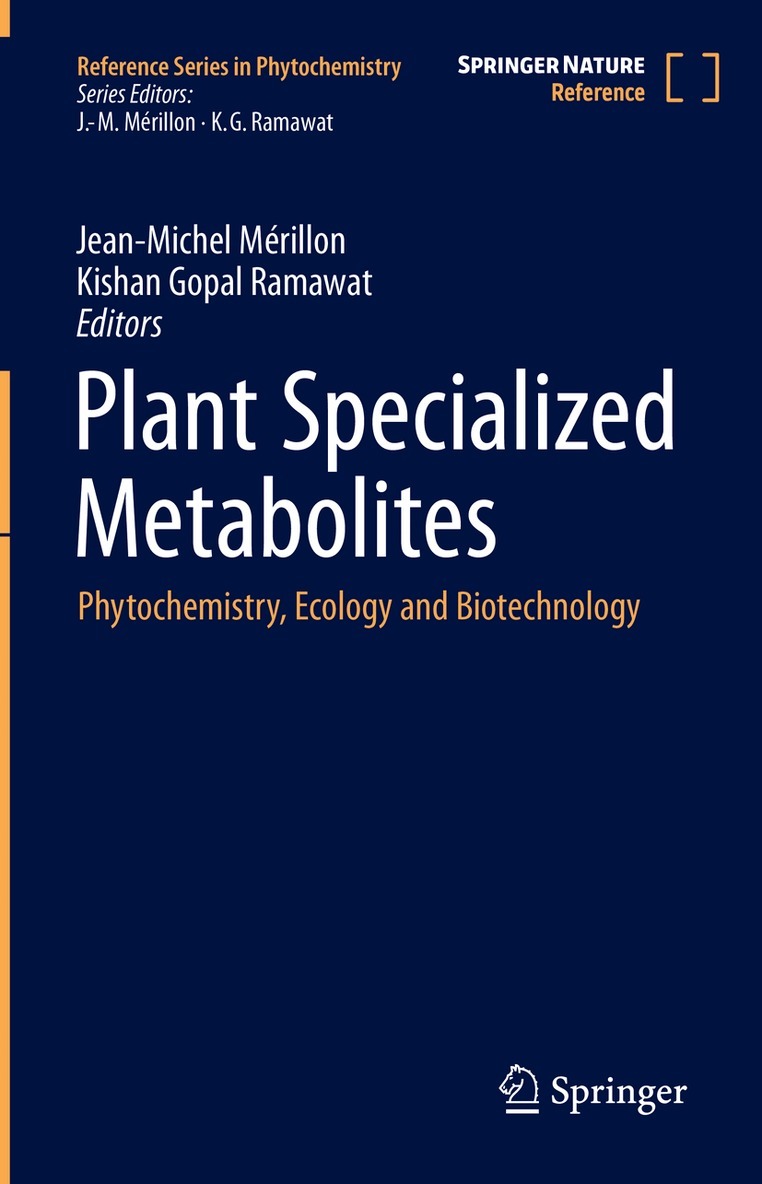
This book offers a comprehensive and authoritative review of the biological and ecological roles played by specialized metabolites (secondary metabolites) in the life cycle of plants, and it also covers the latest biotechnological advances in metabolite production and various industrial applications.
Divided into three parts, the book starts with an outline of the diverse biological effects of specialized metabolites on plant-microbe and plant-insect interactions, soil health, reproduction, and human welfare. In this first part, readers will find topics such as the Importance of Plant Secondary Metabolites in modern therapy, melatonin and inflammatory and immune-modulated diseases, antimicrobial and antiprotozoal potential of specialized metabolites, the use of plant specialized metabolites in aromatherapy, the role of tannins in cardiovascular diseases, a pharmacological perspective on isoflavones and noncommunicable diseases, algal secondary metabolites, and plant specialized metabolites used as aphrodisiacs. In Part II, chapters present an overview of the ecological roles played by plant specialized metabolites in pollination, plant defence, agriculture and weed management, among others. In the third and final part of this book, readers will discover the latest biotechnological approaches for bioactive compound production and identification, including the discovery of bioactive specialized metabolites based on metabolomic approaches, and a perspective on the industrial applications of plant specialized metabolites.
Given its breadth, this book is of interest to botanists, biotechnologists, phytochemists, industrialists, environmentalists, biologists and all those involved in the production and use of secondary/specialized metabolites.
6 345 kr
Skickas inom 10-15 vardagar
7 138 kr
Läs direkt efter köp
6 993 kr
Skickas inom 10-15 vardagar
8 396 kr
Läs direkt efter köp
3 554 kr
Skickas inom 10-15 vardagar
4 402 kr
Läs direkt efter köp
3 881 kr
Skickas inom 10-15 vardagar
3 616 kr
Läs direkt efter köp
6 534 kr
Skickas inom 10-15 vardagar
7 075 kr
Läs direkt efter köp
This reference work provides comprehensive information about the bioactive molecules presented in our daily food and their effect on the physical and mental state of our body. Although the concept of functional food is new, the consumption of selected food to attain a specific effect existed already in ancient civilizations, namely of China and India. Consumers are now more attentive to food quality, safety and health benefits, and the food industry is led to develop processed- and packaged-food, particularly in terms of calories, quality, nutritional value and bioactive molecules.
This book covers the entire range of bioactive molecules presented in daily food, such as carbohydrates, proteins, lipids, isoflavonoids, carotenoids, vitamin C, polyphenols, bioactive molecules presented in wine, beer and cider. Concepts like French paradox, Mediterranean diet, healthy diet of eating fruits and vegetables, vegan and vegetarian diet, functional foods are described with suitable casestudies. Readers will also discover a very timely compilation of methods for bioactive molecules analysis.Written by highly renowned scientists of the field, this reference work appeals to a wide readership, from graduate students, scholars, researchers in the field of botany, agriculture, pharmacy, biotechnology and food industry to those involved in manufacturing, processing and marketing of value-added food products.