Kishwar Rizvi – författare
Visar alla böcker från författaren Kishwar Rizvi. Handla med fri frakt och snabb leverans.
9 produkter
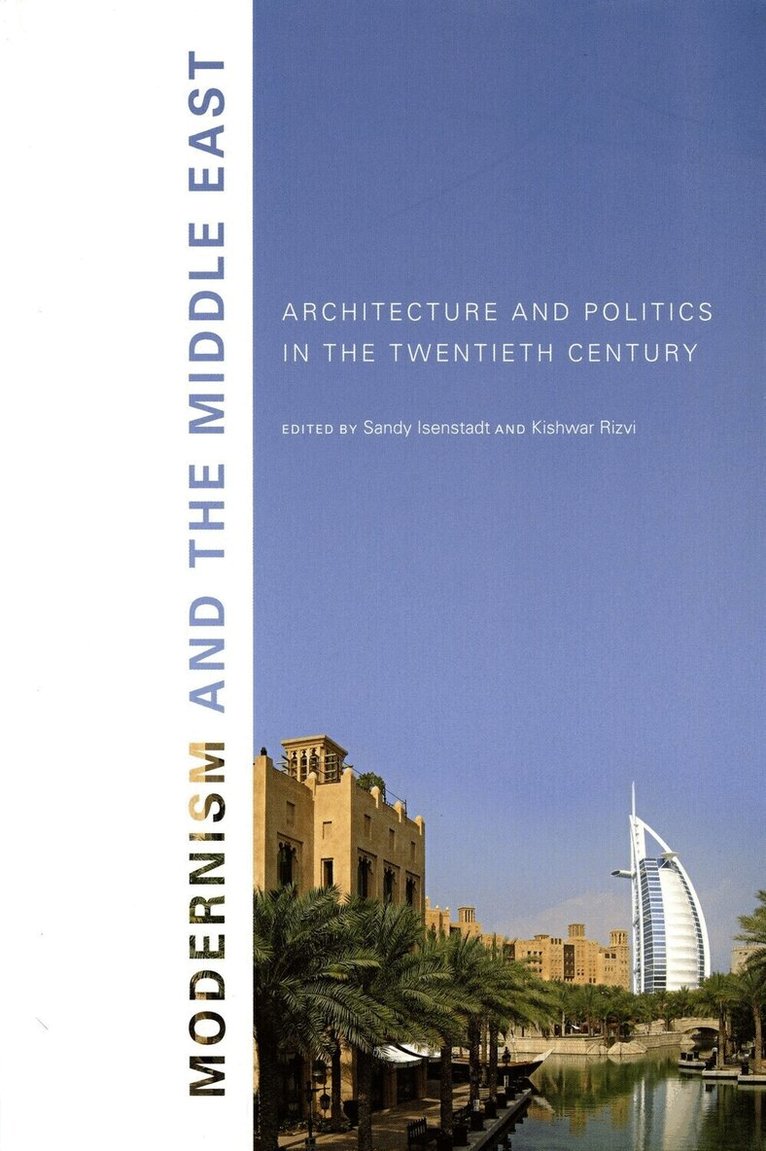
Modernism and the Middle East
Architecture and Politics in the Twentieth Century
Av Sandy Isenstadt, Kishwar Rizvi
Häftad, 2008
608 kr
Lägg i varukorg
This provocative collection of essays is the first book-length treatment of the development of modern architecture in the Middle East. Ranging from Jerusalem at the turn of the twentieth century to Libya under Italian colonial rule, postwar Turkey, and on to present-day Iraq, the essays cohere …
Modernism and the Middle East
Architecture and Politics in the Twentieth Century
Av Sandy Isenstadt, Kishwar Rizvi
Inbunden, 2008
1819 kr
Lägg i varukorg
This provocative collection of essays is the first book-length treatment of the development of modern architecture in the Middle East. Ranging from Jerusalem at the turn of the twentieth century to Libya under Italian colonial rule, postwar Turkey, and on to present-day Iraq, the essays cohere …
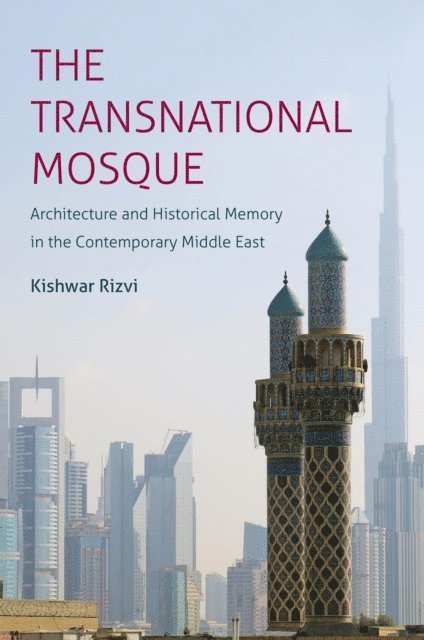
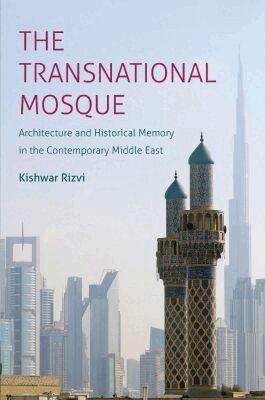
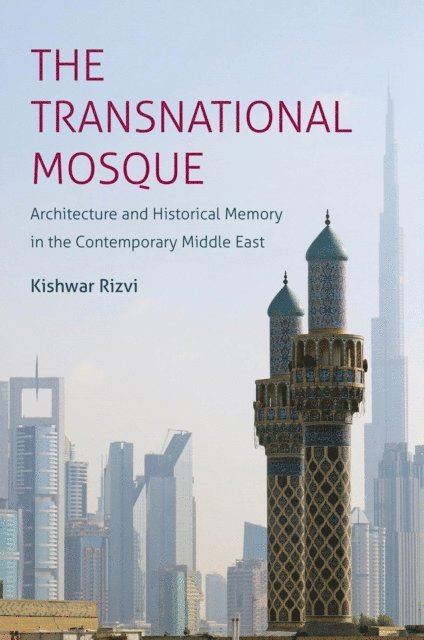
Transnational Mosque
Architecture and Historical Memory in the Contemporary Middle East
E-bok, 2015
416 kr
Lägg i varukorg
Kishwar Rizvi, drawing on the multifaceted history of the Middle East, offers a richly illustrated analysis of the role of transnational mosques in the construction of contemporary Muslim identity. As Rizvi explains, transnational mosques are structures built through the support of both government …
Transnational Mosque
Architecture and Historical Memory in the Contemporary Middle East
E-bok, 2015
1135 kr
Lägg i varukorg
Kishwar Rizvi, drawing on the multifaceted history of the Middle East, offers a richly illustrated analysis of the role of transnational mosques in the construction of contemporary Muslim identity. As Rizvi explains, transnational mosques are structures built through the support of both government …
Transnational Mosque
Architecture and Historical Memory in the Contemporary Middle East
Häftad, 2020
461 kr
Lägg i varukorg
Kishwar Rizvi, drawing on the multifaceted history of the Middle East, offers a richly illustrated analysis of the role of transnational mosques in the construction of contemporary Muslim identity. As Rizvi explains, transnational mosques are structures built through the support of both government …
Safavid Dynastic Shrine
Architecture, Religion and Power in Early Modern Iran
Inbunden, 2011
2044 kr
Lägg i varukorg
The Safavid period represents an immensely rich chapter in the history of Iranian architecture. In this discussion of Safavid architecture in the context of its political, social and religious milieu, Kishwar Rizvi gives special consideration to the shrine of Shaykh Safi, built in AD 1334, as an …
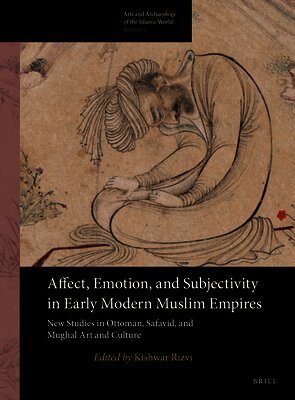
Affect, Emotion, and Subjectivity in Early Modern Muslim Empires: New Studies in Ottoman, Safavid, and Mughal Art and Culture
Inbunden, 2017
2429 kr
Lägg i varukorg
Affect, Emotion and Subjectivity in Early Modern Muslim Empires presents new approaches to Ottoman Safavid and Mughal art and culture. Taking artistic agency as a starting point, the authors consider the rise in status of architects, the self-fashioning of artists, the development of public spaces, …
Transnational Mosque
Architecture and Historical Memory in the Contemporary Middle East
E-bok, 2015
260 kr
Lägg i varukorg
Kishwar Rizvi, drawing on the multifaceted history of the Middle East, offers a richly illustrated analysis of the role of transnational mosques in the construction of contemporary Muslim identity. As Rizvi explains, transnational mosques are structures built through the support of both government …
Transnational Mosque
Architecture and Historical Memory in the Contemporary Middle East
E-bok, 2015
1169 kr
Lägg i varukorg
Kishwar Rizvi, drawing on the multifaceted history of the Middle East, offers a richly illustrated analysis of the role of transnational mosques in the construction of contemporary Muslim identity. As Rizvi explains, transnational mosques are structures built through the support of both government …