Kjetil Enstad - Böcker
Visar alla böcker från författaren Kjetil Enstad. Handla med fri frakt och snabb leverans.
3 produkter
3 produkter
1 953 kr
Skickas inom 10-15 vardagar
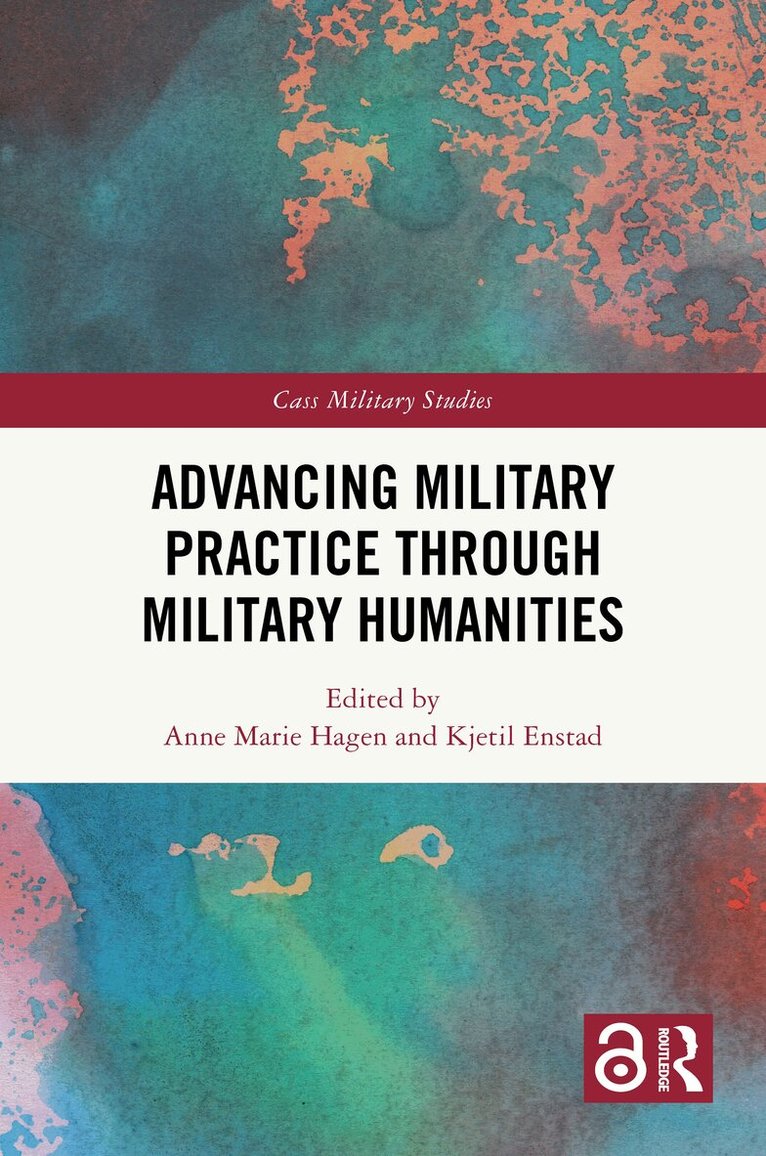
This book introduces military humanities (MILHUM) as a new field of inquiry to demonstrate the utility of the humanities for a critical understanding of the military and its practices, and as a tool for developing these practices.Modelled on the medical humanities, MILHUM aims to play an analogous role for military education and the military profession. This edited volume gathers contributions from authors based at both civilian and military higher education institutions, representing a wide range of humanities traditions – from linguistics, languages, and literature, to music, history, and philosophy. Throughout the chapters, the authors draw on the tools of their disciplines and others to present an anthology that spans both empirical and theoretical analyses and investigates militaries and war. The result is a volume that persuasively and cohesively argues for the value of the humanities for military practice and professionalism by offering insights that will inform the conduct of military operations, the provision of military education, and the development of professional ethos – all arrived at through humanities approaches.This book will prove a valuable resource to military academic communities, comprised of both civilian scholars and military scholar-practitioners at military academic institutions and civilian academic institutions with military education programmes. It will also engage scholars and advanced students in the fields of critical military studies, war studies, security studies, conflict studies, and civil-military relations.
1 343 kr
Skickas inom 10-15 vardagar
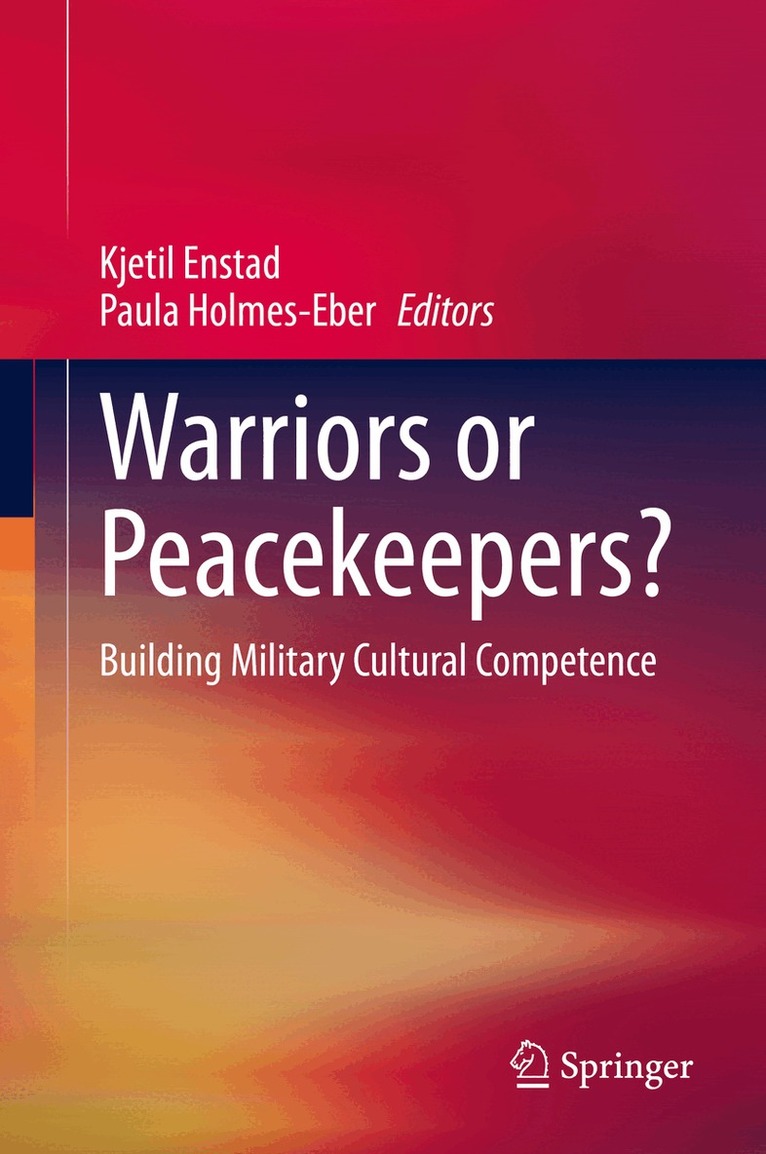
As the past two decades of war in Afghanistan, Syria, Iraq, Darfur and the Congo have revealed, war in the twenty-first century looks nothing like the traditional state-to-state conflicts of World Wars I and II which defined the previous century. Resolving today’s conflicts - typically based on complex ethnic, religious, economic and political dynamics - requires far more than mere military strength and technology. The military officer of today must simultaneously be a warrior and diplomat, combatant and humanitarian worker, soldier and peacekeeper. But how can today’s militaries prepare their leaders for such multifaceted roles?Warriors or Peacekeepers seeks to provide answers to this question, comparing and contrasting research on the successes and failures of military cultural education and training programs in seven different countries on three continents (U.S., Canada, Argentina Norway, Denmark, Germany and the Netherlands). This anthology consists of three main sections. The first addresses the theoretical issues of developing the warrior-peacekeeper: what constitutes cultural competence in the officer profession and the pedagogical challenges associated with developing such competence. The second compares teaching practices from various military educational institutions and provides insight into such issues as: how language training can build cultural awareness, helping officers navigate the ethical and moral challenges of dealing with gender in radically different cultures and the best didactic models to develop reflective skills in military leaders. The third section examines the structural and organizational conditions which historically have aided or impeded educational and organizational change in the military. This book will appeal to military academic communities, educational institutions, scholars in security studies, peacekeeping and conflict studies; and to decision-makers in governments and administration.
1 343 kr
Skickas inom 10-15 vardagar
As the past two decades of war in Afghanistan, Syria, Iraq, Darfur and the Congo have revealed, war in the twenty-first century looks nothing like the traditional state-to-state conflicts of World Wars I and II which defined the previous century. Resolving today’s conflicts - typically based on complex ethnic, religious, economic and political dynamics - requires far more than mere military strength and technology. The military officer of today must simultaneously be a warrior and diplomat, combatant and humanitarian worker, soldier and peacekeeper. But how can today’s militaries prepare their leaders for such multifaceted roles?Warriors or Peacekeepers seeks to provide answers to this question, comparing and contrasting research on the successes and failures of military cultural education and training programs in seven different countries on three continents (U.S., Canada, Argentina Norway, Denmark, Germany and the Netherlands). This anthology consists of three main sections. The first addresses the theoretical issues of developing the warrior-peacekeeper: what constitutes cultural competence in the officer profession and the pedagogical challenges associated with developing such competence. The second compares teaching practices from various military educational institutions and provides insight into such issues as: how language training can build cultural awareness, helping officers navigate the ethical and moral challenges of dealing with gender in radically different cultures and the best didactic models to develop reflective skills in military leaders. The third section examines the structural and organizational conditions which historically have aided or impeded educational and organizational change in the military. This book will appeal to military academic communities, educational institutions, scholars in security studies, peacekeeping and conflict studies; and to decision-makers in governments and administration.