K.T.S Sarao – författare
Visar alla böcker från författaren K.T.S Sarao. Handla med fri frakt och snabb leverans.
5 produkter
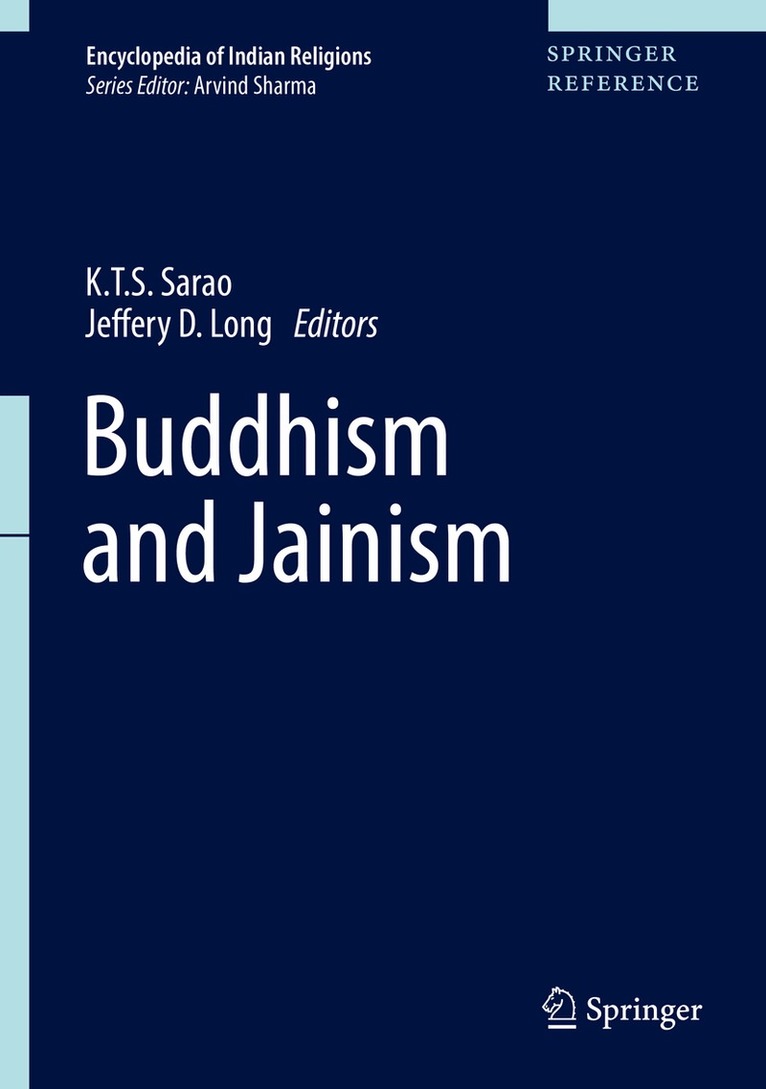
Buddhism and Jainism
Av K.T.S Sarao, Jeffery D. Long
2017
8978 kr
Lägg i varukorg
This volume focuses on Buddhism and Jainism, two religions which, together with Hinduism, constitute the three pillars of Indic religious tradition in its classical formulation. It explores their history and relates how the Vedic period in the history of Hinduism drew to a close around the sixth …
Buddhism and Jainism
Av Jeffery D. Long, K.T.S Sarao
E-bok, 2017
9777 kr
Lägg i varukorg
This volume focuses on Buddhism and Jainism, two religions which, together with Hinduism, constitute the three pillars of Indic religious tradition in its classical formulation. It explores their history and relates how the Vedic period in the history of Hinduism drew to a close around the sixth …
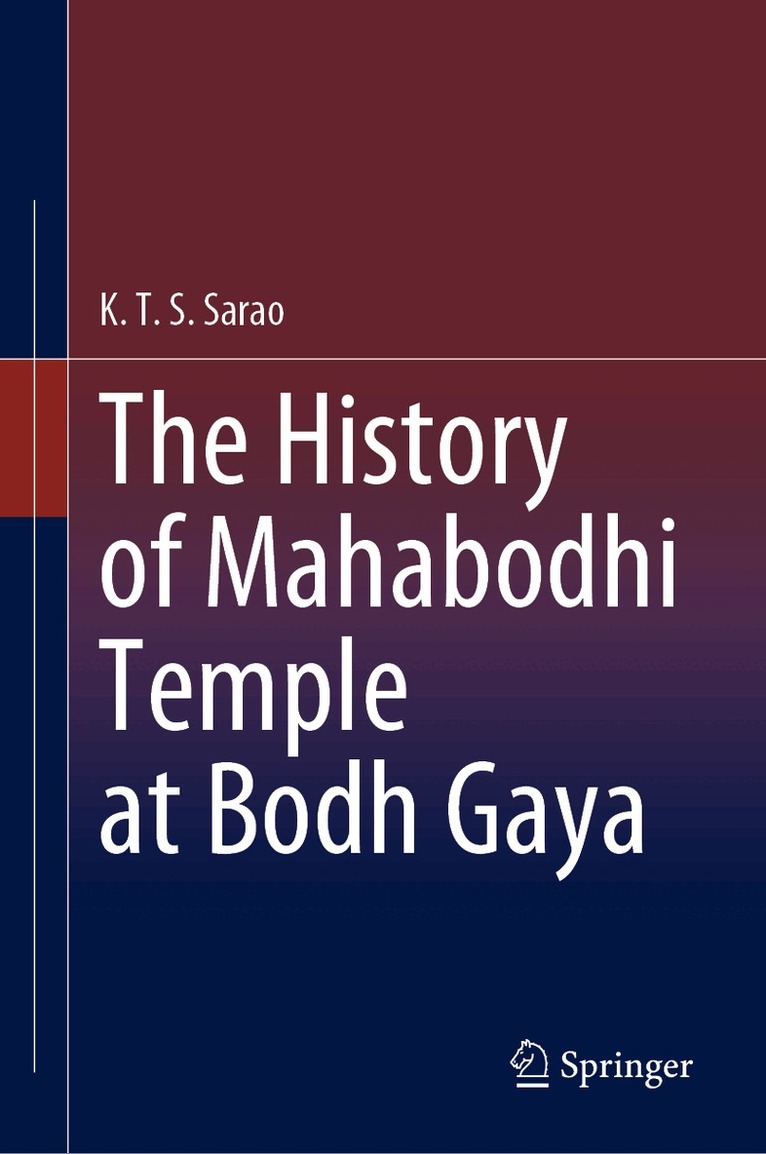
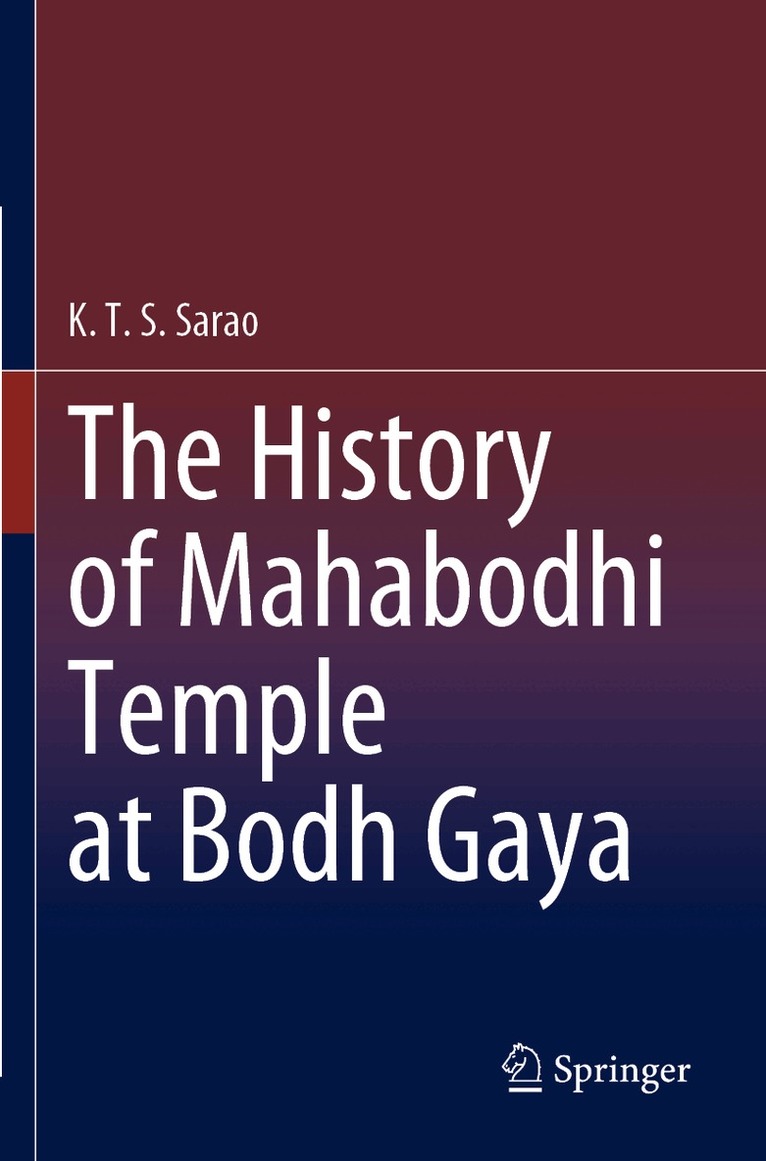
History of Mahabodhi Temple at Bodh Gaya
Av K.T.S. Sarao
Inbunden, 2020
1311 kr
Lägg i varukorg
This book offers an overview of the emergence of Bodh Gayā as a sacred site within Gayā Dharmakṣetra. It contextualizes the different encounters, incidents, and legends connected to the Buddha’s experiences shortly before and after he attained Bodhi – when, spiritually speaking, he was extremely …
History of Mahabodhi Temple at Bodh Gaya
Av K.T.S. Sarao
E-bok, 2020
1785 kr
Lägg i varukorg
This book offers an overview of the emergence of Bodh Gayā as a sacred site within Gayā Dharmakṣetra. It contextualizes the different encounters, incidents, and legends connected to the Buddha’s experiences shortly before and after he attained Bodhi – when, spiritually speaking, he was extremely …
History of Mahabodhi Temple at Bodh Gaya
Av K.T.S. Sarao
Häftad, 2021
1311 kr
Lägg i varukorg
This book offers an overview of the emergence of Bodh Gayā as a sacred site within Gayā Dharmakṣetra. It contextualizes the different encounters, incidents, and legends connected to the Buddha’s experiences shortly before and after he attained Bodhi – when, spiritually speaking, he was extremely …