L. Valadares Tavares – författare
Visar alla böcker från författaren L. Valadares Tavares. Handla med fri frakt och snabb leverans.
6 produkter
6 produkter
E-bok
PDF, Engelska, 20132 822 kr
Läs direkt efter köp
Del 16 - International Series in Operations Research & Management Science
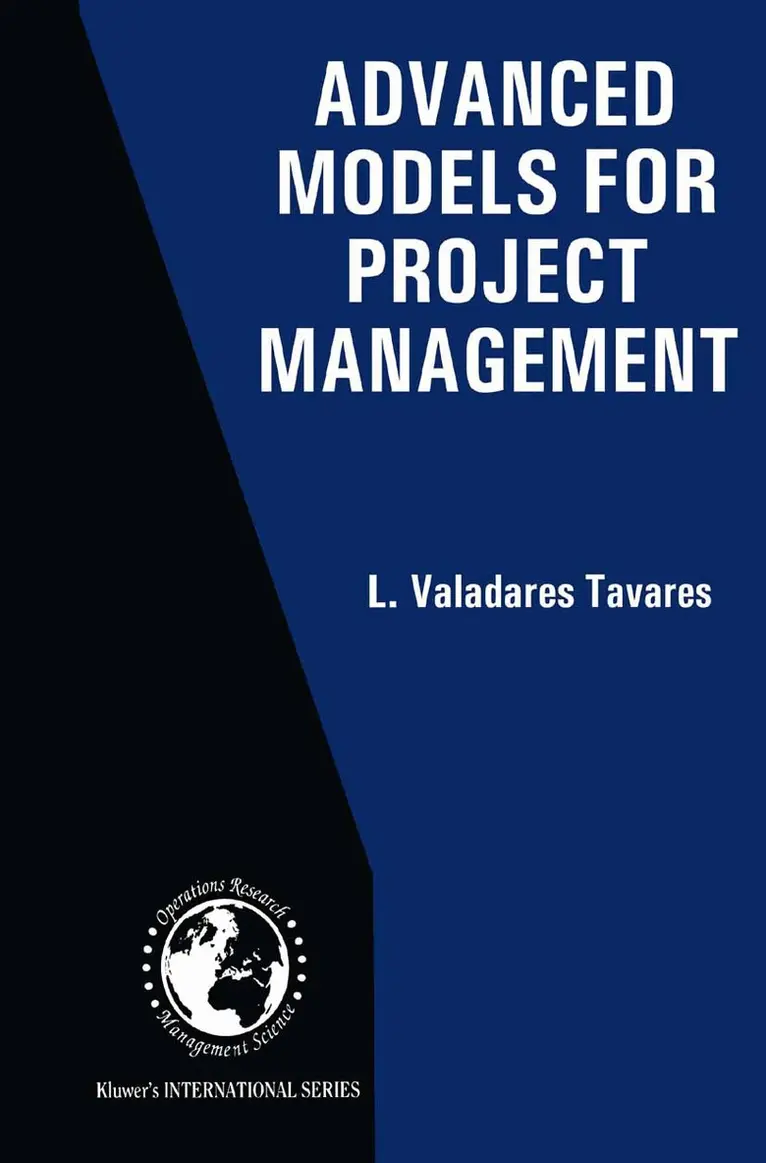
Advanced Models for Project Management
Inbunden, Engelska, 1998
2 239 kr
Skickas inom 10-15 vardagar
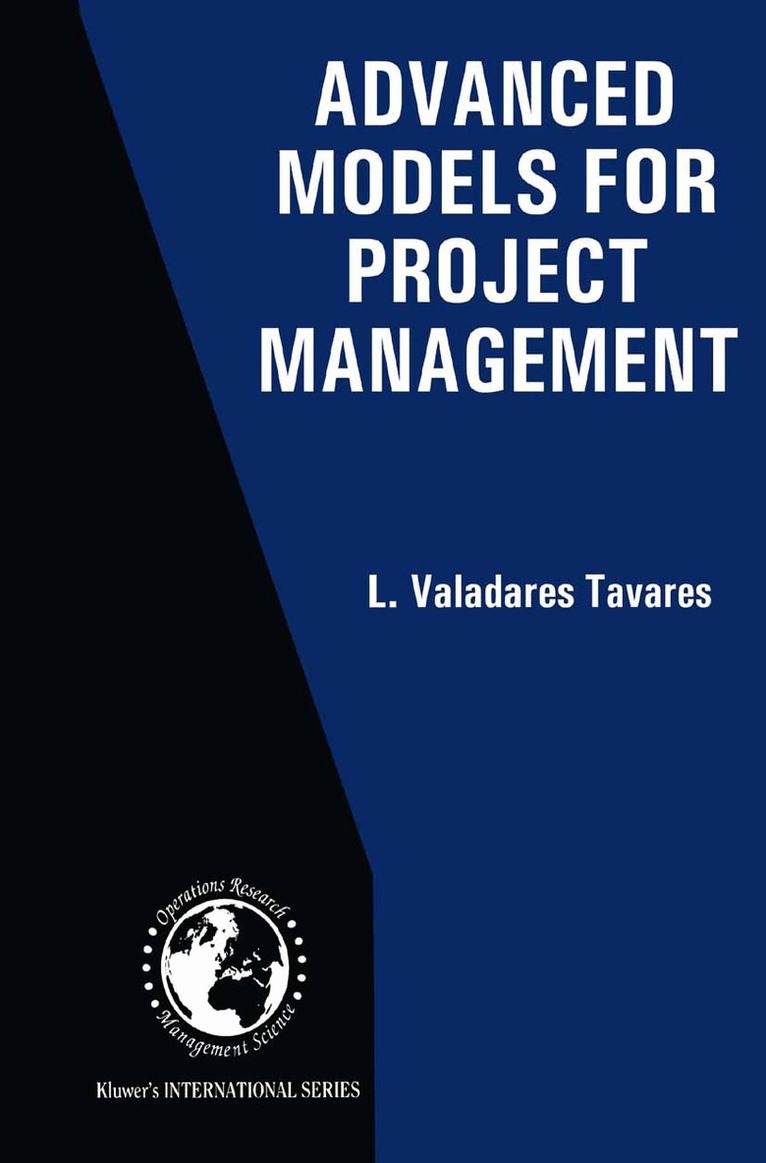
More than forty years have passed since the early attempts to model projects. A large domain of theoretical developments has grown producing a high number of analytical and numerical results, but it seems that the main model is still the same: the concept of project network. This concept has come to represent the two major features underlying the notion of a project: the sequential and the competitive nature of its components, the project's activities. Actually, the sequential property defines the structure of the project and the competitive nature stems from the use of common resources (facilities, goods, equipment, management, etc.) to carry out the different activities. However, significant advances have been achieved in project modelling, allowing the production of much more powerful results: A. the concept of precedence and the description of activities has been generalized to produce a wide range of realistic representation of projects. B. the stochastic study of the features of projects such as the duration and cost of their activities is carried out by several analytical and numerical models, allowing experimental and forecasting analyses. C. the allocation of resources can be now studied for more complex situations and restrictions. D. the financial description of projects is more accurately studied and its optimization is thoroughly pursued. E. the assessment and the evaluation of projects now can be studied within the framework of multicriteria decision theory considering multiple perspectives and supporting the project manager to select the most appropriate compromises between risk, time and expected gains.
Inbunden, Engelska, 2002
2 239 kr
Skickas inom 10-15 vardagar
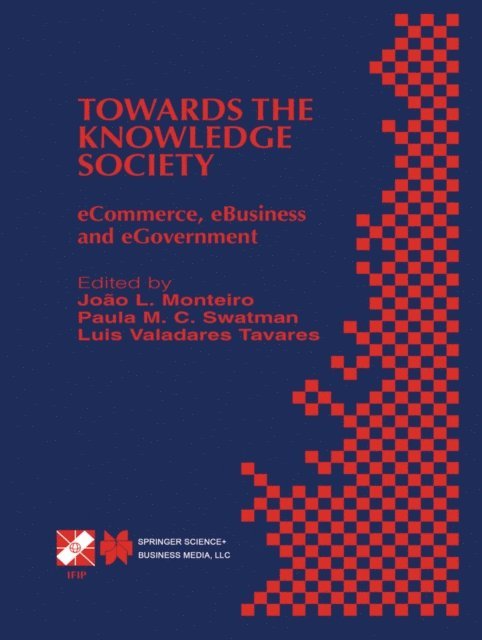
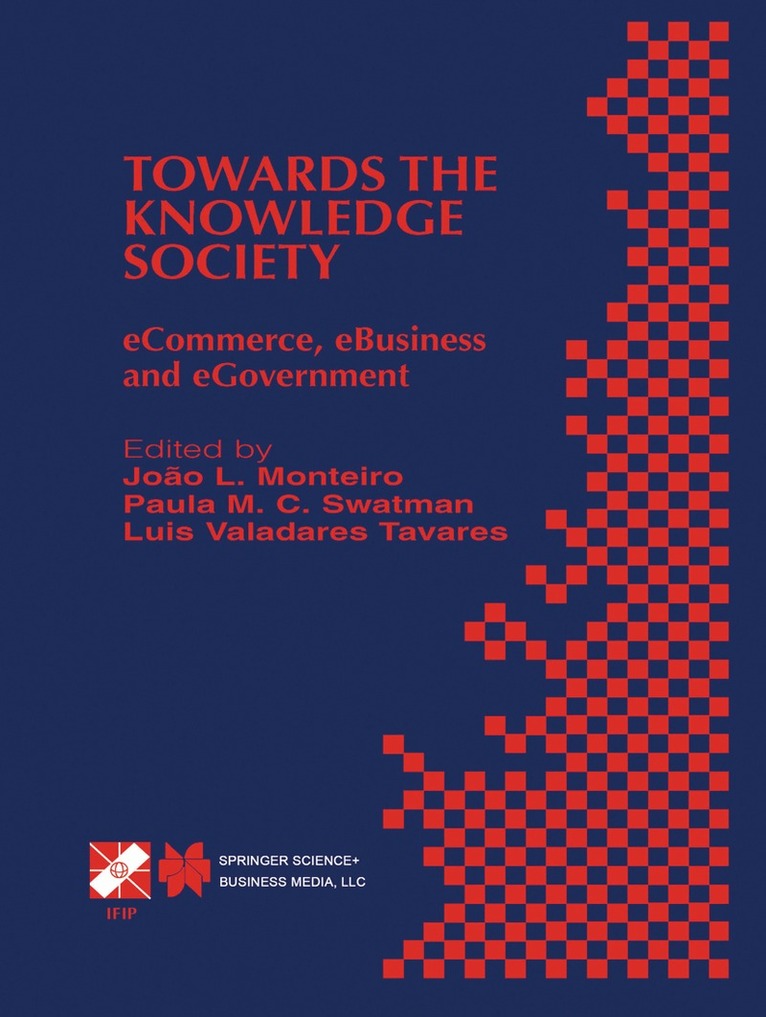
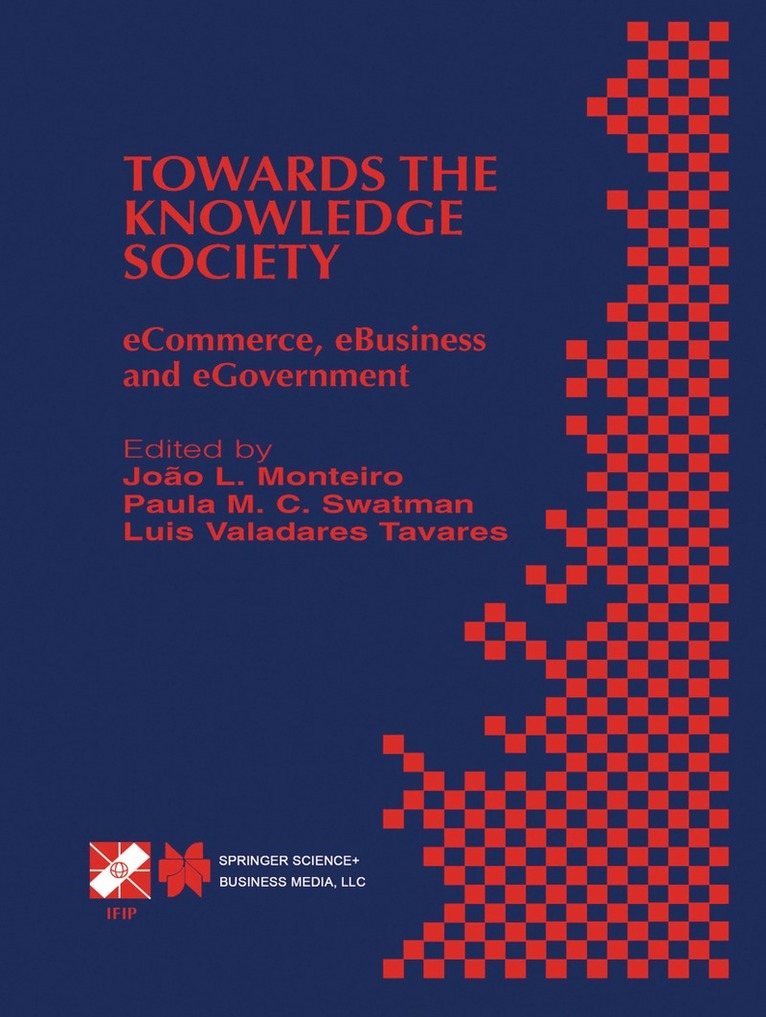
BE 2002 is the second in a series of conferences on eCommerce, eBusiness, and eGovemment organised by the three IFIP committees TC6, TC8, and TCll. As BE 2001 did last year in Zurich, BE 2002 continues to provide a forum for users, engineers, and researchers from academia, industry and government to present their latest findings in eCommerce, eBusiness, and eGovernment applications and the underlying technologies which support those applications. This year's conference comprises a main track with sessions on eGovernment, Trust, eMarkets, Fraud and Security, eBusiness (both B2B and B2C), the Design of systems, eLearning, Public and Health Systems, Web Design, and the Applications of and Procedures for eCommerce and eBusiness, as well as two associated Workshops (not included in these proceedings): eBusiness Models in the Digital Online Music and Online News Sectors; and eBusiness Standardisation - Challenges and Solutions for the Networked Economy. The 47 papers accepted for presentation in these sessions and published in this book of proceedings were selected from 80 submissions.They were rigorously reviewed (all papers were double-blind refereed) before being selected by the International Programme Committee. This rejection rate of almost 50% indicates just how seriously the Committee took its quality control activities.
E-bok
PDF, Engelska, 20122 822 kr
Läs direkt efter köp
More than forty years have passed since the early attempts to model projects. A large domain of theoretical developments has grown producing a high number of analytical and numerical results, but it seems that the main model is still the same: the concept of project network. This concept has come to represent the two major features underlying the notion of a project: the sequential and the competitive nature of its components, the project''s activities. Actually, the sequential property defines the structure of the project and the competitive nature stems from the use of common resources (facilities, goods, equipment, management, etc.) to carry out the different activities. However, significant advances have been achieved in project modelling, allowing the production of much more powerful results: A. the concept of precedence and the description of activities has been generalized to produce a wide range of realistic representation of projects. B. the stochastic study of the features of projects such as the duration and cost of their activities is carried out by several analytical and numerical models, allowing experimental and forecasting analyses. C. the allocation of resources can be now studied for more complex situations and restrictions. D. the financial description of projects is more accurately studied and its optimization is thoroughly pursued. E. the assessment and the evaluation of projects now can be studied within the framework of multicriteria decision theory considering multiple perspectives and supporting the project manager to select the most appropriate compromises between risk, time and expected gains.
Del 16 - International Series in Operations Research & Management Science
Advanced Models for Project Management
Häftad, Engelska, 2012
2 239 kr
Skickas inom 10-15 vardagar
More than forty years have passed since the early attempts to model projects. A large domain of theoretical developments has grown producing a high number of analytical and numerical results, but it seems that the main model is still the same: the concept of project network. This concept has come to represent the two major features underlying the notion of a project: the sequential and the competitive nature of its components, the project's activities. Actually, the sequential property defines the structure of the project and the competitive nature stems from the use of common resources (facilities, goods, equipment, management, etc.) to carry out the different activities. However, significant advances have been achieved in project modelling, allowing the production of much more powerful results: A. the concept of precedence and the description of activities has been generalized to produce a wide range of realistic representation of projects. B. the stochastic study of the features of projects such as the duration and cost of their activities is carried out by several analytical and numerical models, allowing experimental and forecasting analyses. C. the allocation of resources can be now studied for more complex situations and restrictions. D. the financial description of projects is more accurately studied and its optimization is thoroughly pursued. E. the assessment and the evaluation of projects now can be studied within the framework of multicriteria decision theory considering multiple perspectives and supporting the project manager to select the most appropriate compromises between risk, time and expected gains.
Häftad, Engelska, 2013
2 241 kr
Skickas inom 10-15 vardagar
BE 2002 is the second in a series of conferences on eCommerce, eBusiness, and eGovemment organised by the three IFIP committees TC6, TC8, and TCll. As BE 2001 did last year in Zurich, BE 2002 continues to provide a forum for users, engineers, and researchers from academia, industry and government to present their latest findings in eCommerce, eBusiness, and eGovernment applications and the underlying technologies which support those applications. This year's conference comprises a main track with sessions on eGovernment, Trust, eMarkets, Fraud and Security, eBusiness (both B2B and B2C), the Design of systems, eLearning, Public and Health Systems, Web Design, and the Applications of and Procedures for eCommerce and eBusiness, as well as two associated Workshops (not included in these proceedings): eBusiness Models in the Digital Online Music and Online News Sectors; and eBusiness Standardisation - Challenges and Solutions for the Networked Economy. The 47 papers accepted for presentation in these sessions and published in this book of proceedings were selected from 80 submissions.They were rigorously reviewed (all papers were double-blind refereed) before being selected by the International Programme Committee. This rejection rate of almost 50% indicates just how seriously the Committee took its quality control activities.