Laerke Recht – författare
Visar alla böcker från författaren Laerke Recht. Handla med fri frakt och snabb leverans.
15 produkter
Dynamics and Developments of Social Structures and Networks in Prehistoric and Protohistoric Cyprus
E-bok, 2023
838 kr
Lägg i varukorg
This volume substantiates the island of Cyprus as an important player in the history of the ancient Eastern Mediterranean and Near East, and presents new theoretical and analytical approaches. The Cypriot Neolithic, Chalcolithic, and Bronze Age are characterised by an increasing complexity of …
Dynamics and Developments of Social Structures and Networks in Prehistoric and Protohistoric Cyprus
E-bok, 2023
856 kr
Lägg i varukorg
This volume substantiates the island of Cyprus as an important player in the history of the ancient Eastern Mediterranean and Near East, and presents new theoretical and analytical approaches. The Cypriot Neolithic, Chalcolithic, and Bronze Age are characterised by an increasing complexity of …
Dynamics and Developments of Social Structures and Networks in Prehistoric and Protohistoric Cyprus
Inbunden, 2023
2586 kr
Lägg i varukorg
This volume substantiates the island of Cyprus as an important player in the history of the ancient Eastern Mediterranean and Near East, and presents new theoretical and analytical approaches.The Cypriot Neolithic, Chalcolithic, and Bronze Age are characterised by an increasing complexity of social …
Dynamics and Developments of Social Structures and Networks in Prehistoric and Protohistoric Cyprus
Häftad, 2025
727 kr
Lägg i varukorg
This volume substantiates the island of Cyprus as an important player in the history of the ancient Eastern Mediterranean and Near East, and presents new theoretical and analytical approaches.The Cypriot Neolithic, Chalcolithic, and Bronze Age are characterised by an increasing complexity of social …
Human Sacrifice
Archaeological Perspectives from around the World
Av Laerke Recht
E-bok, 2018
287 kr
Lägg i varukorg
Sacrifice is not simply an expression of religious beliefs. Its highly symbolic nature lends itself to various kinds of manipulation by those carrying it out, who may use the ritual in maintaining and negotiating power and identity in carefully staged ''performances''. This Element will examine …
Human Sacrifice
Archaeological Perspectives from around the World
Av Laerke Recht
E-bok, 2018
287 kr
Lägg i varukorg
Human Sacrifice
Archaeological Perspectives from around the World
Av Laerke Recht
Häftad, 2018
302 kr
Lägg i varukorg
Sacrifice is not simply an expression of religious beliefs. Its highly symbolic nature lends itself to various kinds of manipulation by those carrying it out, who may use the ritual in maintaining and negotiating power and identity in carefully staged 'performances'. This Element will examine some …
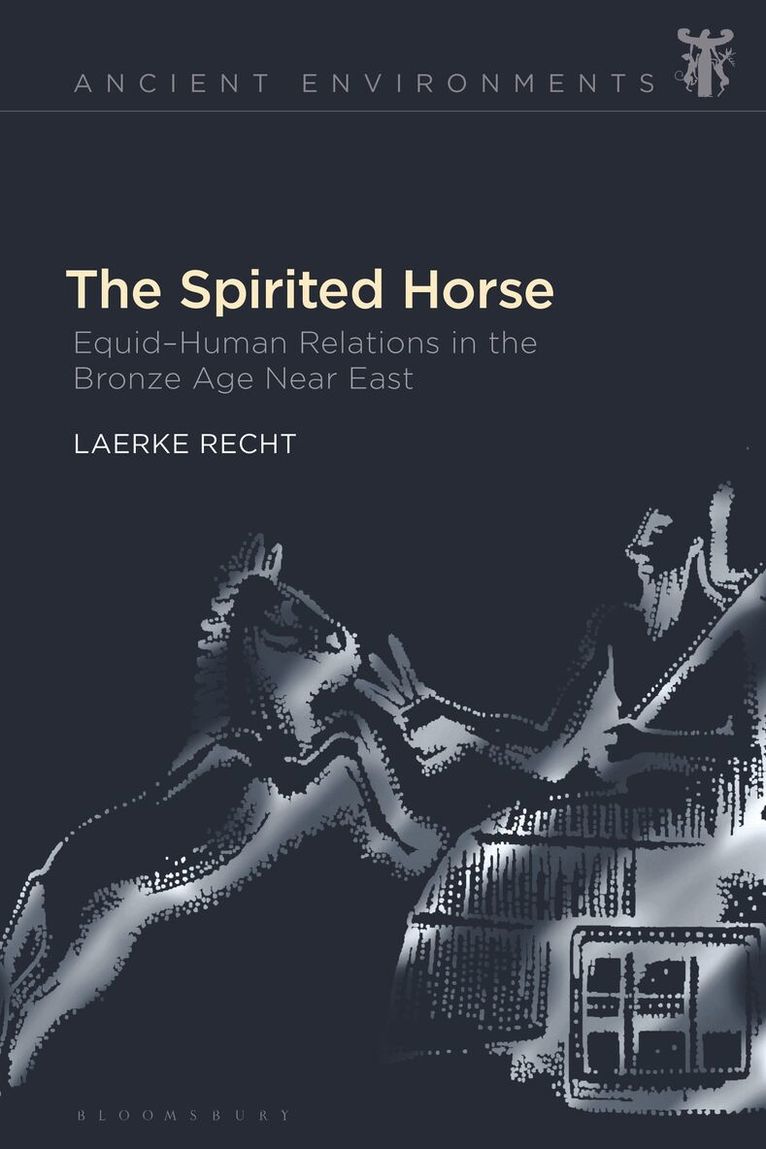
Spirited Horse
Equid–Human Relations in the Bronze Age Near East
Inbunden, 2022
1389 kr
Lägg i varukorg
Presenting a new perspective on human–animal relations in the ancient Near East, this volume considers how we should understand equids (horses, donkeys, onagers and various hybrids) as animals that are social actors. Recht brings together a wealth of new data, including Bronze Age Near Eastern …
Spirited Horse
Equid–Human Relations in the Bronze Age Near East
Av Laerke Recht
E-bok, 2022
482 kr
Lägg i varukorg
Presenting a new perspective on human – animal relations in the ancient Near East, this volume considers how we should understand equids (horses, donkeys, onagers and various hybrids) as animals that are social actors. Recht brings together a wealth of new data, including Bronze Age Near Eastern …
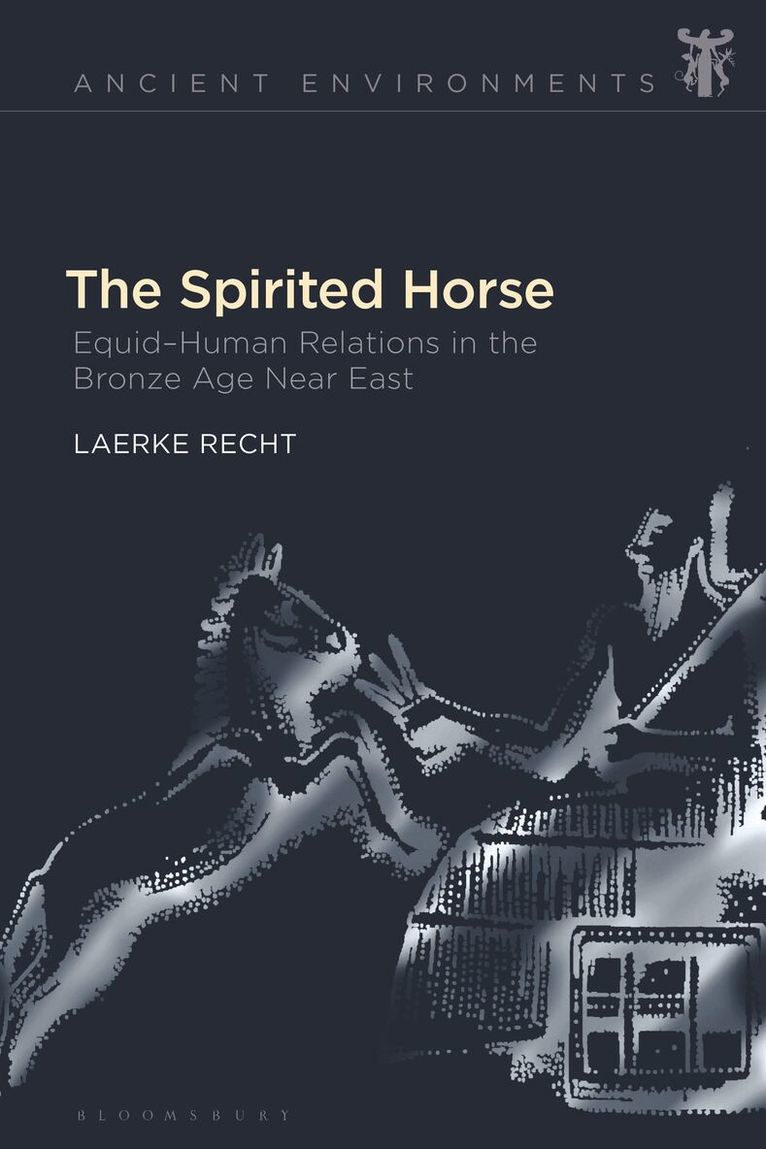
Spirited Horse
Equid–Human Relations in the Bronze Age Near East
Av Laerke Recht
E-bok, 2022
482 kr
Lägg i varukorg
Presenting a new perspective on human – animal relations in the ancient Near East, this volume considers how we should understand equids (horses, donkeys, onagers and various hybrids) as animals that are social actors. Recht brings together a wealth of new data, including Bronze Age Near Eastern …
Spirited Horse
Equid–Human Relations in the Bronze Age Near East
Häftad, 2023
444 kr
Lägg i varukorg
Presenting a new perspective on human–animal relations in the ancient Near East, this volume considers how we should understand equids (horses, donkeys, onagers and various hybrids) as animals that are social actors. Recht brings together a wealth of new data, including Bronze Age Near Eastern …
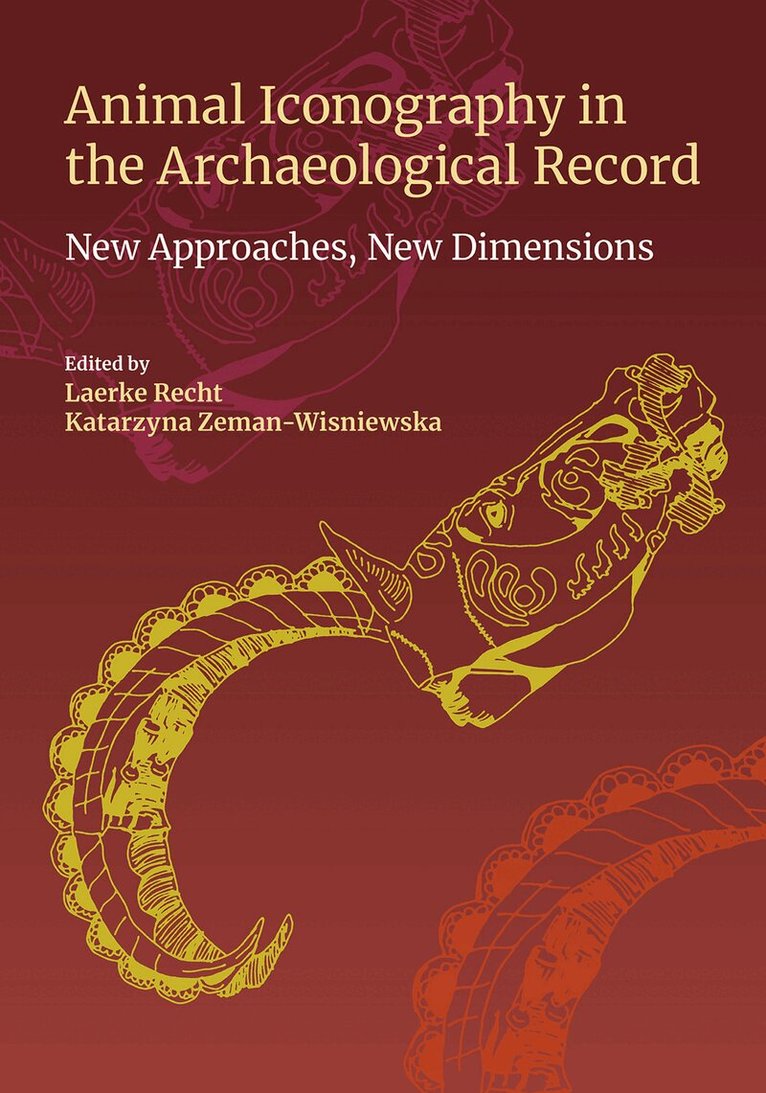
Animal Iconography in the Archaeological Record
New Approaches, New Dimensions
Av Laerke Recht, Katarzyna Zeman-Wisniewska
Inbunden, 2021
1442 kr
Lägg i varukorg
Animals pervade our lives, both today and in the past. From the smallest bug through pets and agricultural animals to elephants and blue whales, the animals themselves, animal-derived products and representations of animals can be found everywhere in our daily lives. This book focuses on the …
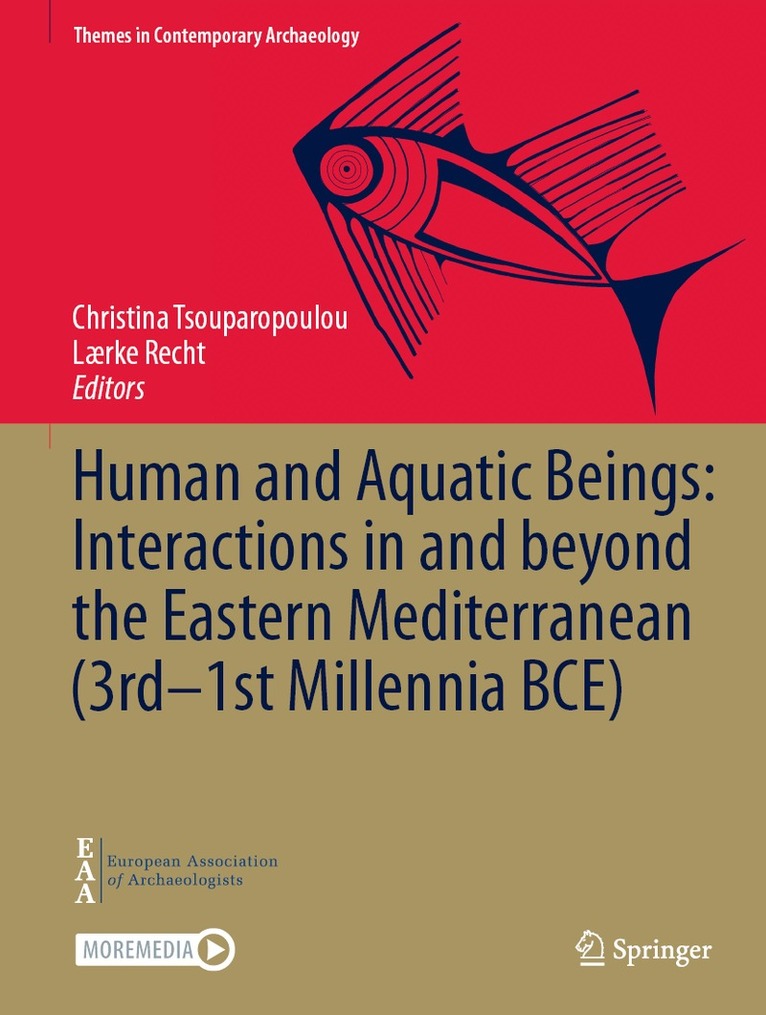
Human and Aquatic Beings: Interactions in and beyond the Eastern Mediterranean (3rd—1st Millennia BCE)
Av Christina Tsouparopoulou, Lærke Recht
Inbunden, 2025
1355 kr
Lägg i varukorg
This volume examines the role of fish and molluscs in everyday life as well as in terms of their impact on social structures, and as part of ideological and symbolic expression. Given the prevalence of anddependence on water in various forms in all regions of the Eastern Mediterranean, Egypt and …
Human and Aquatic Beings: Interactions in and beyond the Eastern Mediterranean (3rd-1st Millennia BCE)
Av Laerke Recht, Christina Tsouparopoulou
E-bok, 2025
1780 kr
Lägg i varukorg
This volume examines the role of fish and molluscs in everyday life as well as in terms of their impact on social structures, and as part of ideological and symbolic expression. Given the prevalence of anddependence on water in various forms in all regions of the Eastern Mediterranean, Egypt and …
Human and Aquatic Beings: Interactions in and beyond the Eastern Mediterranean (3rd—1st Millennia BCE)
Av Christina Tsouparopoulou, Lærke Recht
Häftad, 2026
1355 kr
Lägg i varukorg
This volume examines the role of fish and molluscs in everyday life as well as in terms of their impact on social structures, and as part of ideological and symbolic expression. Given the prevalence of anddependence on water in various forms in all regions of the Eastern Mediterranean, Egypt and …