Larry Ceplair – författare
Visar alla böcker från författaren Larry Ceplair. Handla med fri frakt och snabb leverans.
12 produkter
Under the Shadow of War
Fascism, Anti-Fascism, and Marxists, 1918–1939
Inbunden, 1987
1741 kr
Lägg i varukorg
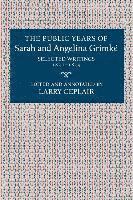
Public Years of Sarah and Angelina Grimké
Selected Writings, 1835-1839
Häftad, 1991
742 kr
Lägg i varukorg
Sarah Moore Grimke and Angelina Emily Grimke were the first women in America coming from a southern slave-holding family to speak publicly on behalf of the abolition of slavery. Creating a stir of controversy soon afterwards during the 1830s especially with the force of their testimony before the …
Charlotte Perkins Gilman
A Nonfiction Reader
Av Charlotte Perkins Gilman, Larry Ceplair
Häftad, 1991
745 kr
Lägg i varukorg
I have nothing to offer the world but what I think...I think that the thing that I am here to do is a big thing - the truth. I see deep basic truths; and that I have been given unusual powers of expression. I truly hope that my life will count for much good in the world. - letter to George Houghton …
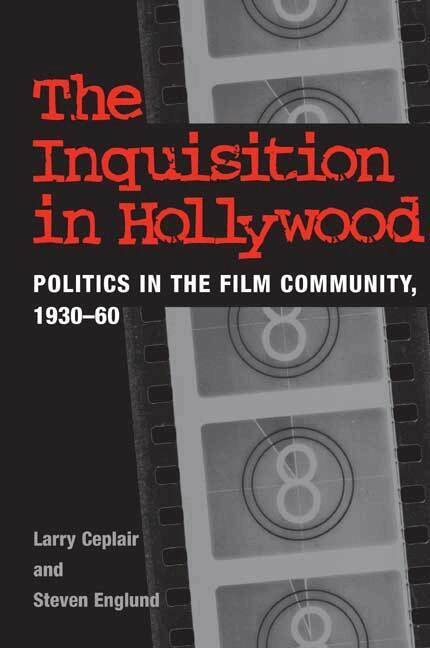
Inquisition in Hollywood
Politics in the Film Community, 1930-60
Av Larry Ceplair, Steven Englund
Häftad, 2003
412 kr
Lägg i varukorg
The definitive work on the Hollywood blacklist eraThe Inquisition in Hollywood examines the suppression of radical political activity in the film industry from the days of the Great Depression through the tumultuous House Un-American Activities Commission era to the waning days of the infamous …
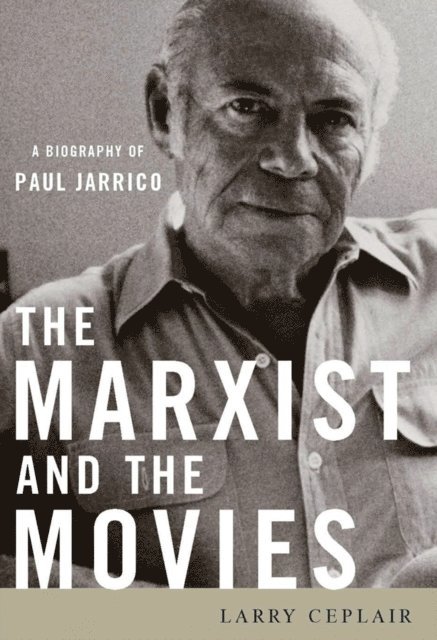
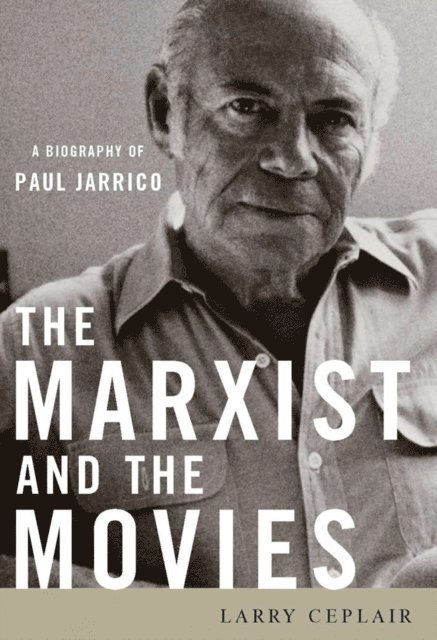
Marxist and the Movies
A Biography of Paul Jarrico
E-bok, 2007
486 kr
Lägg i varukorg
As part of its effort to expose Communist infiltration in the United States and eliminate Communist influence on movies, from 1947--1953 the House Committee on Un-American Activities subpoenaed hundreds of movie industry employees suspected of membership in the Communist Party. Most of them, …
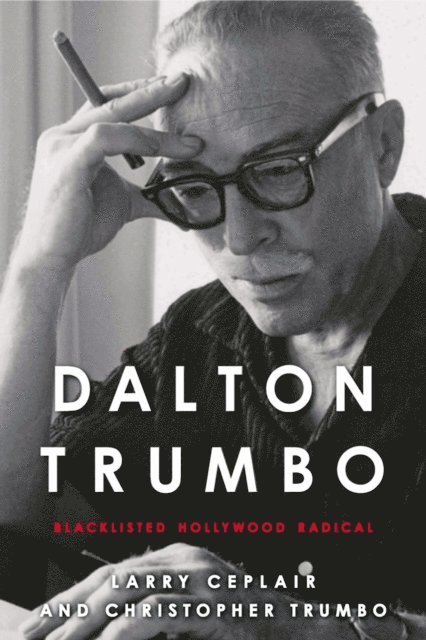
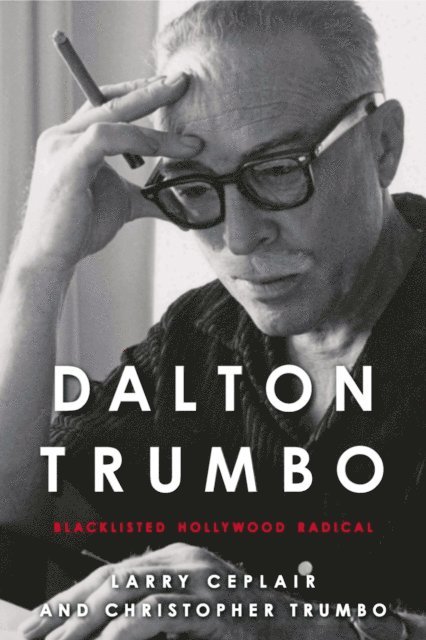
Dalton Trumbo
Blacklisted Hollywood Radical
Av Christopher Trumbo, Larry Ceplair
E-bok, 2015
227 kr
Lägg i varukorg
"Trumbo emerges from this well-rounded biography as a larger-than-life figure, not unlike the characters he scripted for the screen." —Publishers Weekly James Dalton Trumbo is widely recognized as a screenwriter, playwright, and author, but he is also remembered as one of the Hollywood Ten who …
Dalton Trumbo
Blacklisted Hollywood Radical
Av Christopher Trumbo, Larry Ceplair
E-bok, 2015
730 kr
Lägg i varukorg
James Dalton Trumbo (1905--1976) is widely recognized for his work as a screenwriter, playwright, and author, but he is also remembered as one of the Hollywood Ten who opposed the House Un-American Activities Committee. Refusing to answer questions about his prior involvement with the Communist …
Dalton Trumbo
Blacklisted Hollywood Radical
Av Larry Ceplair, Christopher Trumbo
Häftad, 2017
475 kr
Lägg i varukorg
James Dalton Trumbo (1905--1976) is widely recognized for his work as a screenwriter, playwright, and author, but he is also remembered as one of the Hollywood Ten who opposed the House Un-American Activities Committee. Refusing to answer questions about his prior involvement with the Communist …
Marxist and the Movies
A Biography of Paul Jarrico
E-bok, 2007
486 kr
Lägg i varukorg
As part of its effort to expose Communist infiltration in the United States and eliminate Communist influence on movies, from 1947--1953 the House Committee on Un-American Activities subpoenaed hundreds of movie industry employees suspected of membership in the Communist Party. Most of them, …
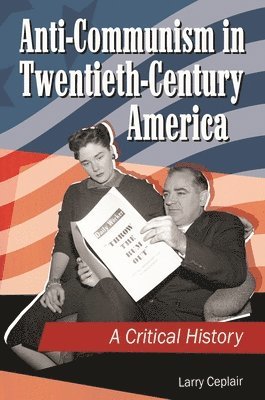
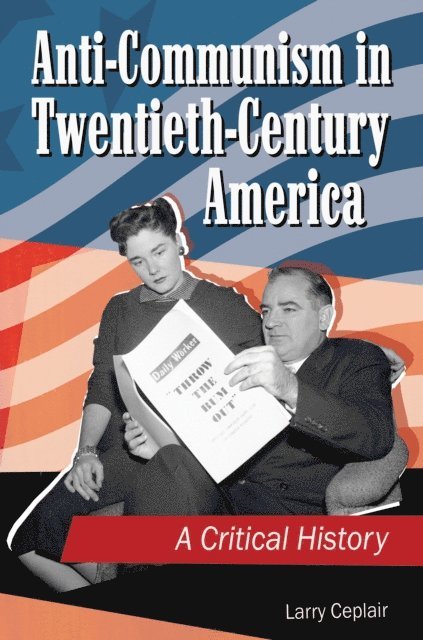
Anti-Communism in Twentieth-Century America
A Critical History
Inbunden, 2011
711 kr
Lägg i varukorg
This compelling, critical analysis of anti-communism illustrates the variety of anti-Communist styles and agendas, thereby making a persuasive case that the "threat" of domestic communism in Cold War America was vastly overblown.In the United States today, communism is an ideology or political …
Anti-Communism in Twentieth-Century America
A Critical History
E-bok, 2011
780 kr
Lägg i varukorg
This compelling, critical analysis of anti-communism illustrates the variety of anti-Communist styles and agendas, thereby making a persuasive case that the "threat" of domestic communism in Cold War America was vastly overblown. In the United States today, communism is an ideology or political …
Anti-Communism in Twentieth-Century America
A Critical History
E-bok, 2011
763 kr
Lägg i varukorg
This compelling, critical analysis of anti-communism illustrates the variety of anti-Communist styles and agendas, thereby making a persuasive case that the "threat" of domestic communism in Cold War America was vastly overblown. In the United States today, communism is an ideology or political …