Laura Cereta – författare
Visar alla böcker från författaren Laura Cereta. Handla med fri frakt och snabb leverans.
3 produkter
3 produkter
Inbunden, Engelska, 1997
876 kr
Skickas inom 5-8 vardagar
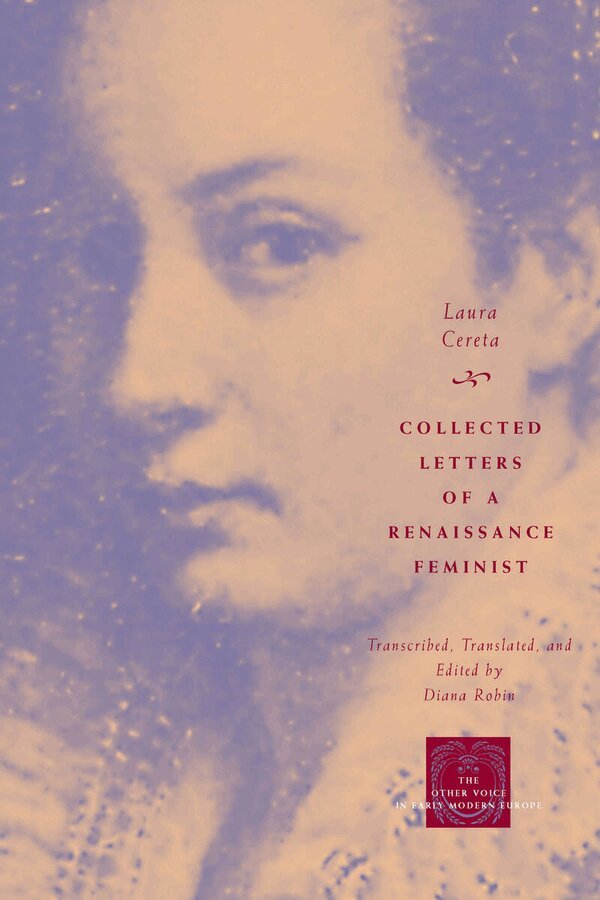
This is a collection of the letters of Laura Cereta (1469-1499), which present feminist issues in a predominantly male environment. Cereta's works circulated widely in Italy, and in them she explores the history of women's contributions to the intellectual and political life of Europe. Cereta argues against the slavery of women in marriage and for the rights of women to higher education, the same issues which have occupied women of later centuries. The letters also furnish a detailed portrait of an early modern woman's private experience, for Cereta addressed many letters to a close circle of family and friends, discussing highly personal concerns, such as her difficult relationships with her mother and husband. The letters provide a testament to an individual woman and to enduring feminist concerns.
Häftad, Engelska, 1997
367 kr
Skickas inom 5-8 vardagar
This is a collection of the letters of Laura Cereta (1469-1499), which present feminist issues in a predominantly male environment. Cereta's works circulated widely in Italy, and in them she explores the history of women's contributions to the intellectual and political life of Europe. Cereta argues against the slavery of women in marriage and for the rights of women to higher education, the same issues which have occupied women of later centuries. The letters also furnish a detailed portrait of an early modern woman's private experience, for Cereta addressed many letters to a close circle of family and friends, discussing highly personal concerns, such as her difficult relationships with her mother and husband. The letters provide a testament to an individual woman and to enduring feminist concerns.
E-bok
PDF, Engelska, 2007750 kr
Läs direkt efter köp
Renaissance writer Laura Cereta (1469–1499) presents feminist issues in a predominantly male venue—the humanist autobiography in the form of personal letters. Cereta''s works circulated widely in Italy during the early modern era, but her complete letters have never before been published in English. In her public lectures and essays, Cereta explores the history of women''s contributions to the intellectual and political life of Europe. She argues against the slavery of women in marriage and for the rights of women to higher education, the same issues that have occupied feminist thinkers of later centuries. Yet these letters also furnish a detailed portrait of an early modern woman’s private experience, for Cereta addressed many letters to a close circle of family and friends, discussing highly personal concerns such as her difficult relationships with her mother and her husband. Taken together, these letters are a testament both to an individual woman and to enduring feminist concerns.