Laura L. Carstensen – författare
Visar alla böcker från författaren Laura L. Carstensen. Handla med fri frakt och snabb leverans.
8 produkter
When I'm 64
Av and Adult Developmental Psychology Committee on Aging Frontiers in Social Psychology, Personality, and Sensory Sciences Board on Behavioral, Cognitive m. fl.
E-bok, 2006
981 kr
Lägg i varukorg
By 2030 there will be about 70 million people in the United States who are older than 64. Approximately 26 percent of these will be racial and ethnic minorities. Overall, the older population will be more diverse and better educated than their earlier cohorts. The range of late-life outcomes is …
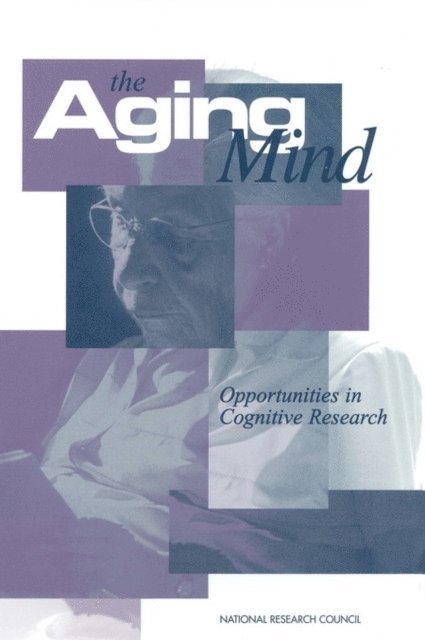
Aging Mind
Opportunities in Cognitive Research
Av Committee on Future Directions for Cognitive Research on Aging, and Sensory Sciences Board on Behavioral, Cognitive m. fl.
E-bok, 2000
785 kr
Lägg i varukorg
Possible new breakthroughs in understanding the aging mind that can be used to benefit older people are now emerging from research. This volume identifies the key scientific advances and the opportunities they bring. For example, science has learned that among older adults who do not suffer from …
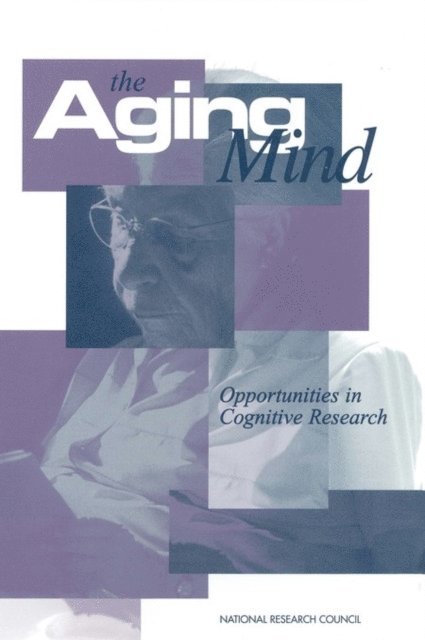
Aging Mind
Opportunities in Cognitive Research
Av Committee on Future Directions for Cognitive Research on Aging, and Sensory Sciences Board on Behavioral, Cognitive m. fl.
E-bok, 2000
509 kr
Lägg i varukorg
Possible new breakthroughs in understanding the aging mind that can be used to benefit older people are now emerging from research. This volume identifies the key scientific advances and the opportunities they bring. For example, science has learned that among older adults who do not suffer from …
When I'm 64
Av and Adult Developmental Psychology Committee on Aging Frontiers in Social Psychology, Personality, and Sensory Sciences Board on Behavioral, Cognitive m. fl.
E-bok, 2006
740 kr
Lägg i varukorg
By 2030 there will be about 70 million people in the United States who are older than 64. Approximately 26 percent of these will be racial and ethnic minorities. Overall, the older population will be more diverse and better educated than their earlier cohorts. The range of late-life outcomes is …
Practical Handbook of Clinical Gerontology
Av Laura L. Carstensen, Barry a. Edelstein m. fl.
Inbunden, 1996
3161 kr
Lägg i varukorg
Applied gerontology and geriatrics always entail a multidisciplinary perspective and usually demand an interdisciplinary treatment approach. Providing a unique combination of perspectives, treatment approaches, and expertise, The Practical Handbook of Clinical Gerontology explores issues relevant …
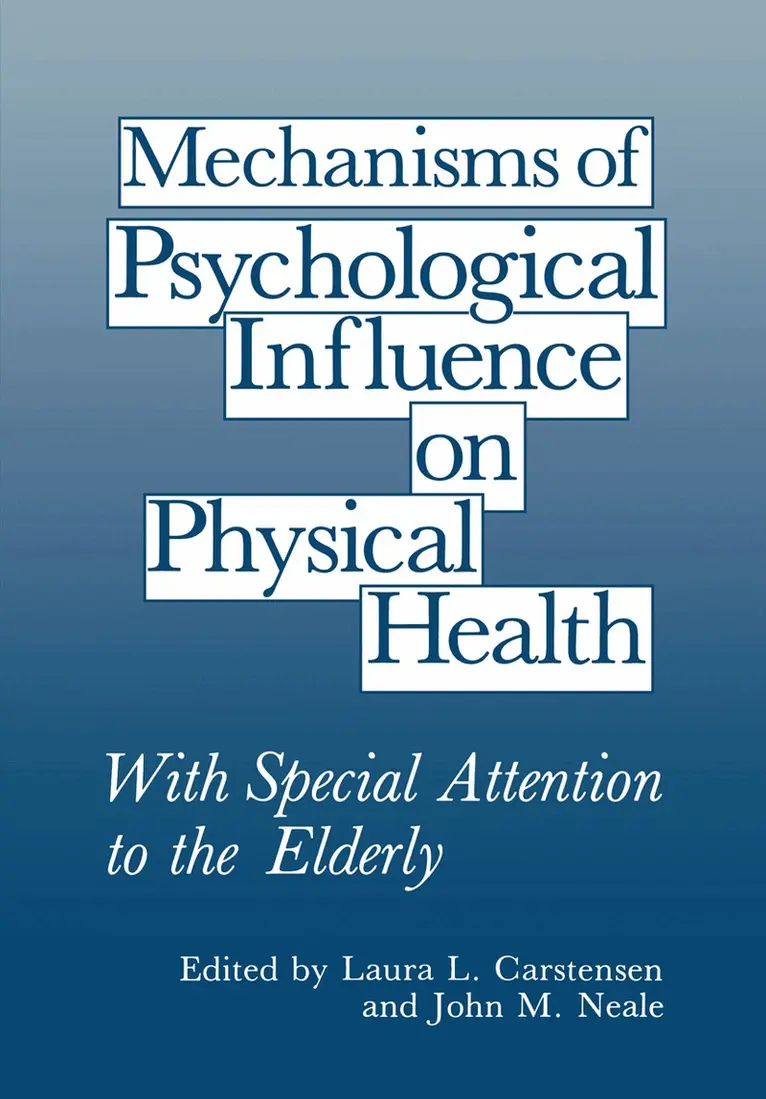
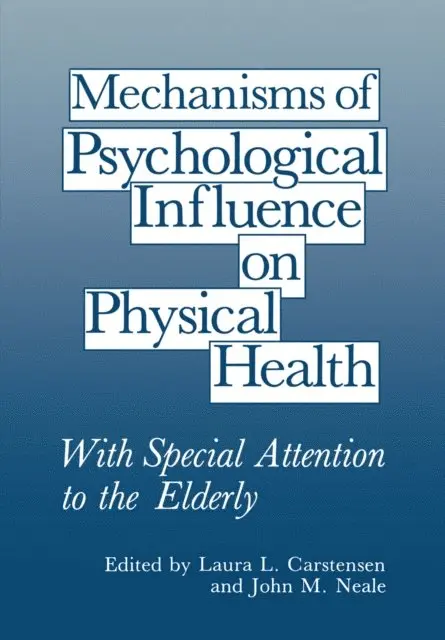
Mechanisms of Psychological Influence on Physical Health
With Special Attention to the Elderly
Häftad, 2011
566 kr
Lägg i varukorg
In recent years ideas about the influence of psychological status on physical health have been elevated from intuition and clinical lore to a legitimate area of scientific study. Mechanisms of influence are, indubitably, diverse. Some of this influence is indirect, accounted for simply by the …
Mechanisms of Psychological Influence on Physical Health
With Special Attention to the Elderly
E-bok, 2012
755 kr
Lägg i varukorg
In recent years ideas about the influence of psychological status on physical health have been elevated from intuition and clinical lore to a legitimate area of scientific study. Mechanisms of influence are, indubitably, diverse. Some of this influence is indirect, accounted for simply by the …
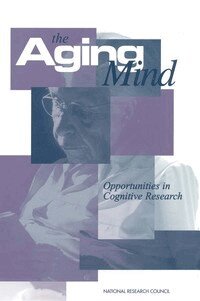
Aging Mind
Opportunities in Cognitive Research
Av National Research Council, Commission on Behavioral and Social Sciences and Education m. fl.
Häftad, 2000
1480 kr
Tillfälligt slut
Possible new breakthroughs in understanding the aging mind that can be used to benefit older people are now emerging from research. This volume identifies the key scientific advances and the opportunities they bring. For example, science has learned that among older adults who do not suffer from …