Laurajane Smith – författare
Visar alla böcker från författaren Laurajane Smith. Handla med fri frakt och snabb leverans.
48 produkter
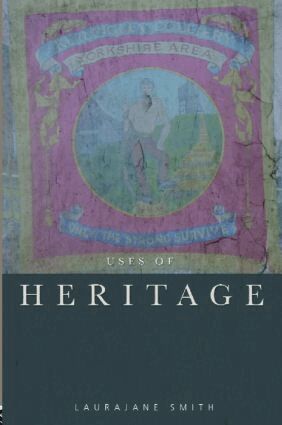
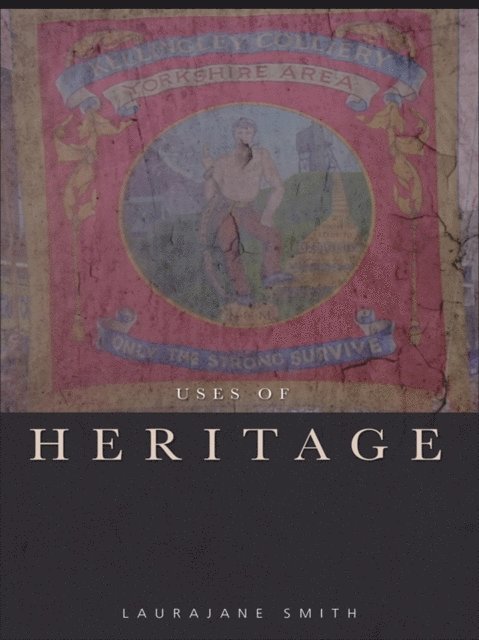
Uses of Heritage
Häftad, 2006
4,0 utav 5 stjärnor. Totalt antal röster: (1)
651 kr
Lägg i varukorg
Examining international case studies including USA, Asia, Australia and New Zealand, Laurajane Smith identifies and explores the use of heritage throughout the world.Challenging the idea that heritage value is self-evident, and that things must be preserved because they have an inherent importance, …
Uses of Heritage
Inbunden, 2006
2526 kr
Lägg i varukorg
Examining international case studies including USA, Asia, Australia and New Zealand, Laurajane Smith identifies and explores the use of heritage throughout the world.Challenging the idea that heritage value is self-evident, and that things must be preserved because they have an inherent importance, …
Routledge International Handbook of Heritage and Politics
Av Christopher Whitehead, Laurajane Smith m. fl.
E-bok, 2024
932 kr
Lägg i varukorg
The Routledge International Handbook of Heritage and Politics surveys the intersection of heritage and politics today and helps elucidate the political implications of heritage practices. It explicitly addresses the political and analyses tensions and struggles over the distribution of power. …
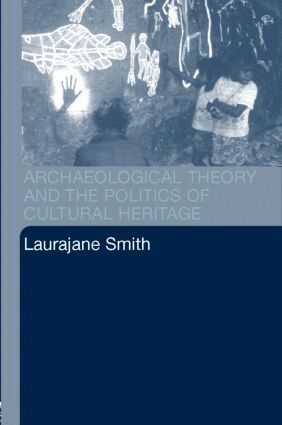
Archaeological Theory and the Politics of Cultural Heritage
Inbunden, 2004
2601 kr
Lägg i varukorg
This controversial book is a survey of how relationships between indigenous peoples and the archaeological establishment have got into difficulty, and a crucial pointer to how to move forward from this point.With lucid appraisals of key debates such as NAGPRA, Kennewick and the repatriation of …
Archaeological Theory and the Politics of Cultural Heritage
Häftad, 2004
671 kr
Lägg i varukorg
This controversial book is a survey of how relationships between indigenous peoples and the archaeological establishment have got into difficulty, and a crucial pointer to how to move forward from this point.With lucid appraisals of key debates such as NAGPRA, Kennewick and the repatriation of …
Cultural Heritage
Critical Concepts in Media and Cultural Studies
2006
15661 kr
Lägg i varukorg
Cultural Heritage is a new title in the Routledge Major Works series, Critical Concepts in Media and Cultural Studies. Edited by Laurajane Smith of the University of York, UK, this four-volume collection brings together the essential Anglophone literature of heritage studies. Encompassing both …
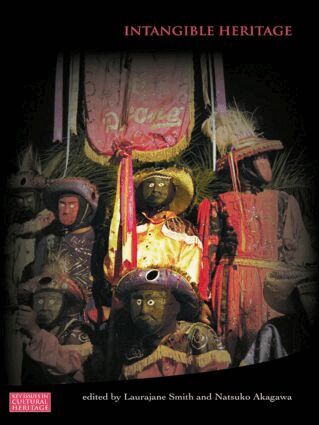
Intangible Heritage
Av Laurajane Smith, Natsuko Akagawa
Häftad, 2008
739 kr
Lägg i varukorg
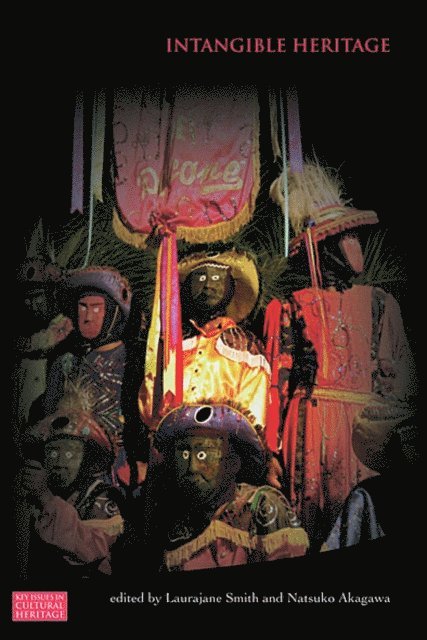
This volume examines the implications and consequences of the idea of ‘intangible heritage’ to current international academic and policy debates about the meaning and nature of cultural heritage and the management processes developed to protect it. It provides an accessible account of the different …
Intangible Heritage
Av Laurajane Smith, Natsuko Akagawa
Inbunden, 2008
2526 kr
Lägg i varukorg
This volume examines the implications and consequences of the idea of ‘intangible heritage’ to current international academic and policy debates about the meaning and nature of cultural heritage and the management processes developed to protect it. It provides an accessible account of the different …
Cultural Moment in Tourism
Av Laurajane Smith, Emma Waterton m. fl.
Inbunden, 2012
2526 kr
Lägg i varukorg
This book is a response to the burgeoning interest in cultural tourism and the associated need for a coherently theorized approach for understanding the practices that such an interest creates. Cultural tourism has become an important and popular aspect of contemporary tourism studies, as well as …
Heritage, Labour and the Working Classes
Av Laurajane Smith, Paul Shackel m. fl.
Inbunden, 2011
2601 kr
Lägg i varukorg
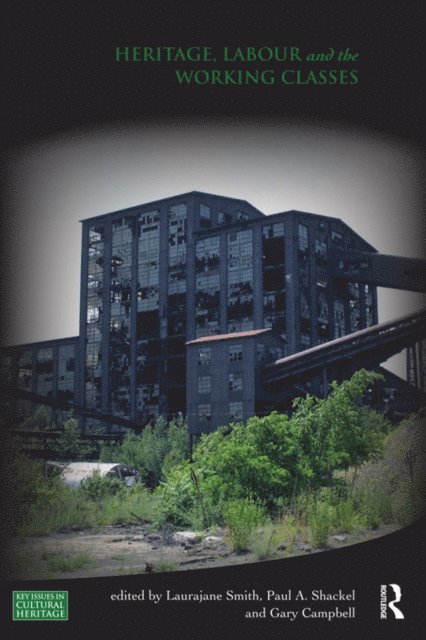
Heritage, Labour and the Working Classes is both a celebration and commemoration of working class culture. It contains sometimes inspiring accounts of working class communities and people telling their own stories, and weaves together examples of tangible and intangible heritage, place, history, …
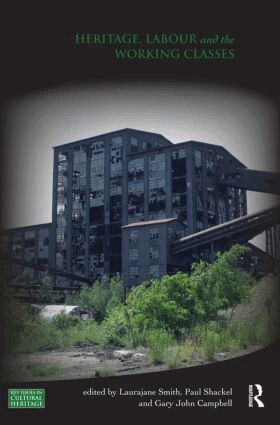
Heritage, Labour and the Working Classes
Av Laurajane Smith, Paul Shackel m. fl.
Häftad, 2011
761 kr
Lägg i varukorg
Heritage, Labour and the Working Classes is both a celebration and commemoration of working class culture. It contains sometimes inspiring accounts of working class communities and people telling their own stories, and weaves together examples of tangible and intangible heritage, place, history, …
Representing Enslavement and Abolition in Museums
Ambiguous Engagements
Av Laurajane Smith, Geoff Cubitt m. fl.
Inbunden, 2011
2601 kr
Lägg i varukorg
The year 2007 marked the bicentenary of the Act abolishing British participation in the slave trade. Representing Enslavement and Abolition on Museums- which uniquely draws together contributions from academic commentators, museum professionals, community activists and artists who had an …
Safeguarding Intangible Heritage
Practices and Politics
Av Laurajane Smith, Natsuko Akagawa
E-bok, 2018
751 kr
Lägg i varukorg
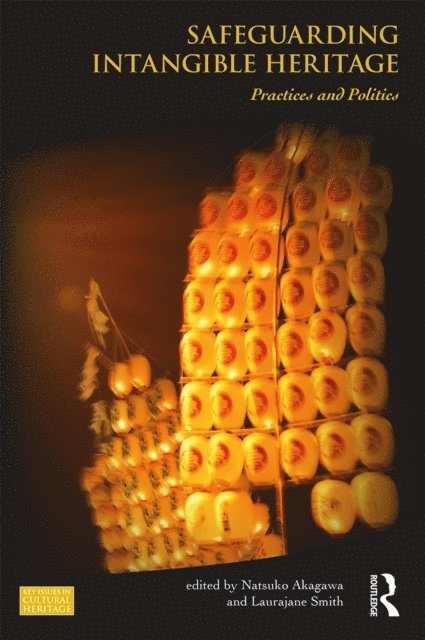
The UNESCO Convention for the Safeguarding of the Intangible Cultural Heritage came into force in 2006, framing the international and national practices and policies associated with intangible cultural heritage. This volume critically and reflexively examines these practices and policies, providing …
Safeguarding Intangible Heritage
Practices and Politics
Av Laurajane Smith, Natsuko Akagawa
E-bok, 2018
686 kr
Lägg i varukorg
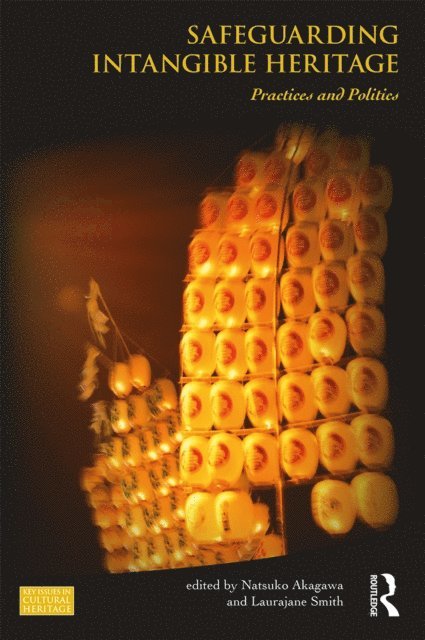
The UNESCO Convention for the Safeguarding of the Intangible Cultural Heritage came into force in 2006, framing the international and national practices and policies associated with intangible cultural heritage. This volume critically and reflexively examines these practices and policies, providing …
Heritage, Communities and Archaeology
Av Laurajane Smith, Emma Waterton m. fl.
Häftad, 2009
402 kr
Lägg i varukorg
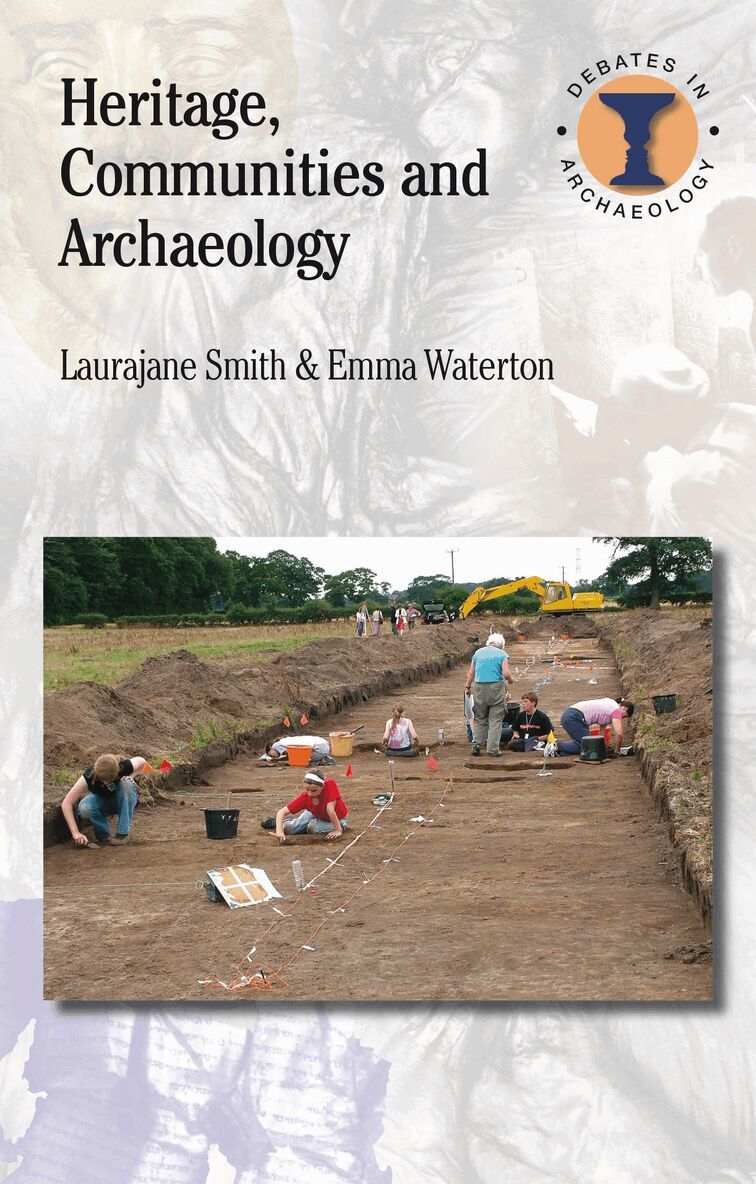
This book traces the development of 'community archaeology', identifying both its advantages and disadvantages by describing how and why tensions have arisen between archaeological and community understandings of the past. The focus of this book is the conceptual disjunction between heritage and …
Emotion, Affective Practices, and the Past in the Present
Av Laurajane Smith, Margaret Wetherell m. fl.
Inbunden, 2018
2455 kr
Lägg i varukorg
Emotion, Affective Practices, and the Past in the Present is a response to debates in the humanities and social sciences about the use of emotion. This timely and unique book explores the ways emotion is embroiled and used in contemporary engagements with the past, particularly in contexts such as …
Routledge International Handbook of Heritage and Politics
Av Gönül Bozoğlu, Gary Campbell m. fl.
Inbunden, 2024
3815 kr
Lägg i varukorg
The Routledge International Handbook of Heritage and Politics surveys the intersection of heritage and politics today and helps elucidate the political implications of heritage practices. It explicitly addresses the political and analyses tensions and struggles over the distribution of power. …
Routledge International Handbook of Heritage and Politics
Av Gönül Bozoğlu, Gary Campbell m. fl.
Häftad, 2026
798 kr
Lägg i varukorg
The Routledge International Handbook of Heritage and Politics surveys the intersection of heritage and politics today and helps elucidate the political implications of heritage practices. It explicitly addresses the political and analyses tensions and struggles over the distribution of power. …
Concise Introduction to Heritage Studies
E-bok, 2025
341 kr
Lägg i varukorg
Our Elgar Concise Introductions are inspiring and considered. They explain the key principles in business and are expertly written by some of the world's leading scholars. The aims of the series are two-fold: to pinpoint essential concepts and to offer insights that stimulate critical thinking.This …
Routledge International Handbook of Heritage and Politics
Av Christopher Whitehead, Laurajane Smith m. fl.
E-bok, 2024
953 kr
Lägg i varukorg
The Routledge International Handbook of Heritage and Politics surveys the intersection of heritage and politics today and helps elucidate the political implications of heritage practices. It explicitly addresses the political and analyses tensions and struggles over the distribution of power. …
Intangible Heritage
Av Natsuko Akagawa, Laurajane Smith
E-bok, 2008
780 kr
Lägg i varukorg
This volume examines the implications and consequences of the idea of ‘intangible heritage’ to current international academic and policy debates about the meaning and nature of cultural heritage and the management processes developed to protect it. It provides an accessible account of the different …
Intangible Heritage
Av Natsuko Akagawa, Laurajane Smith
E-bok, 2008
797 kr
Lägg i varukorg
This volume examines the implications and consequences of the idea of ‘intangible heritage’ to current international academic and policy debates about the meaning and nature of cultural heritage and the management processes developed to protect it. It provides an accessible account of the different …
Archaeological Theory and the Politics of Cultural Heritage
E-bok, 2004
701 kr
Lägg i varukorg
This controversial book is a survey of how relationships between indigenous peoples and the archaeological establishment have got into difficulty, and a crucial pointer to how to move forward from this point. With lucid appraisals of key debates such as NAGPRA, Kennewick and the repatriation of …
Archaeological Theory and the Politics of Cultural Heritage
E-bok, 2004
701 kr
Lägg i varukorg
This controversial book is a survey of how relationships between indigenous peoples and the archaeological establishment have got into difficulty, and a crucial pointer to how to move forward from this point. With lucid appraisals of key debates such as NAGPRA, Kennewick and the repatriation of …
Uses of Heritage
E-bok, 2006
676 kr
Lägg i varukorg
Examining international case studies including USA, Asia, Australia and New Zealand, Laurajane Smith identifies and explores the use of heritage throughout the world. Challenging the idea that heritage value is self-evident, and that things must be preserved because they have an inherent …
Uses of Heritage
E-bok, 2006
676 kr
Lägg i varukorg
Examining international case studies including USA, Asia, Australia and New Zealand, Laurajane Smith identifies and explores the use of heritage throughout the world. Challenging the idea that heritage value is self-evident, and that things must be preserved because they have an inherent …
Representing Enslavement and Abolition in Museums
Ambiguous Engagements
Av Laurajane Smith, Geoff Cubitt m. fl.
E-bok, 2014
1082 kr
Lägg i varukorg
The year 2007 marked the bicentenary of the Act abolishing British participation in the slave trade. Representing Enslavement and Abolition on Museums- which uniquely draws together contributions from academic commentators, museum professionals, community activists and artists who had an …
Representing Enslavement and Abolition in Museums
Ambiguous Engagements
Av Laurajane Smith, Geoff Cubitt m. fl.
E-bok, 2014
1106 kr
Lägg i varukorg
The year 2007 marked the bicentenary of the Act abolishing British participation in the slave trade. Representing Enslavement and Abolition on Museums- which uniquely draws together contributions from academic commentators, museum professionals, community activists and artists who had an …
Heritage, Labour and the Working Classes
Av Gary Campbell, Paul Shackel m. fl.
E-bok, 2012
892 kr
Lägg i varukorg
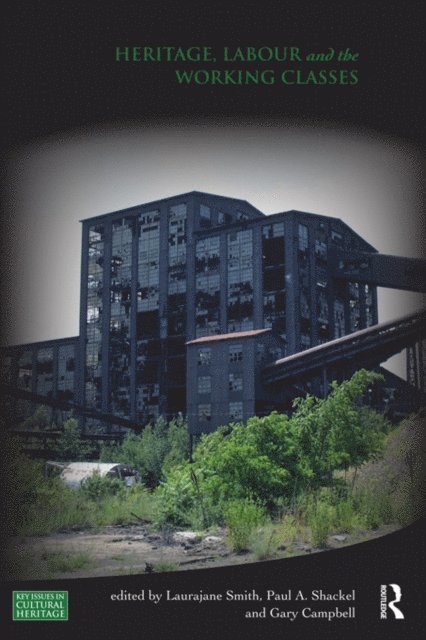
Heritage, Labour and the Working Classes is both a celebration and commemoration of working class culture. It contains sometimes inspiring accounts of working class communities and people telling their own stories, and weaves together examples of tangible and intangible heritage, place, history, …
Heritage, Labour and the Working Classes
Av Gary Campbell, Paul Shackel m. fl.
E-bok, 2012
892 kr
Lägg i varukorg
Heritage, Labour and the Working Classes is both a celebration and commemoration of working class culture. It contains sometimes inspiring accounts of working class communities and people telling their own stories, and weaves together examples of tangible and intangible heritage, place, history, …