Paul Shackel – författare
Visar alla böcker från författaren Paul Shackel. Handla med fri frakt och snabb leverans.
12 produkter
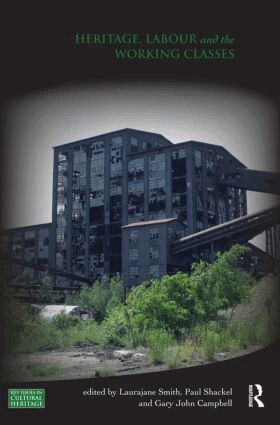
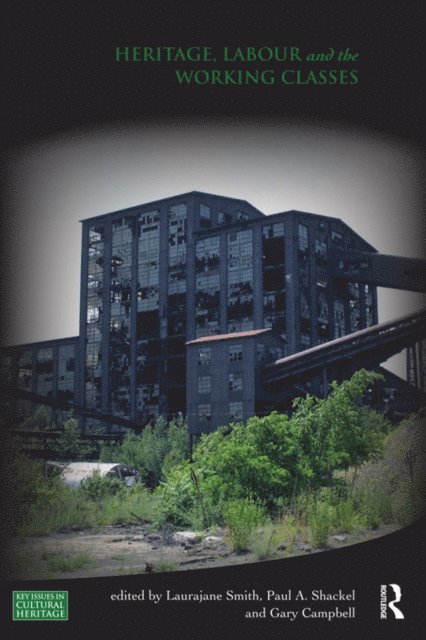
Heritage, Labour and the Working Classes
Av Laurajane Smith, Paul Shackel m. fl.
Inbunden, 2011
2601 kr
Lägg i varukorg
Heritage, Labour and the Working Classes is both a celebration and commemoration of working class culture. It contains sometimes inspiring accounts of working class communities and people telling their own stories, and weaves together examples of tangible and intangible heritage, place, history, …
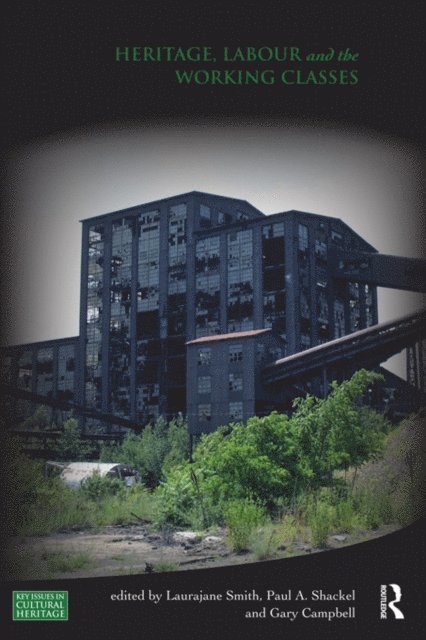
Heritage, Labour and the Working Classes
Av Laurajane Smith, Paul Shackel m. fl.
Häftad, 2011
761 kr
Lägg i varukorg
Heritage, Labour and the Working Classes is both a celebration and commemoration of working class culture. It contains sometimes inspiring accounts of working class communities and people telling their own stories, and weaves together examples of tangible and intangible heritage, place, history, …
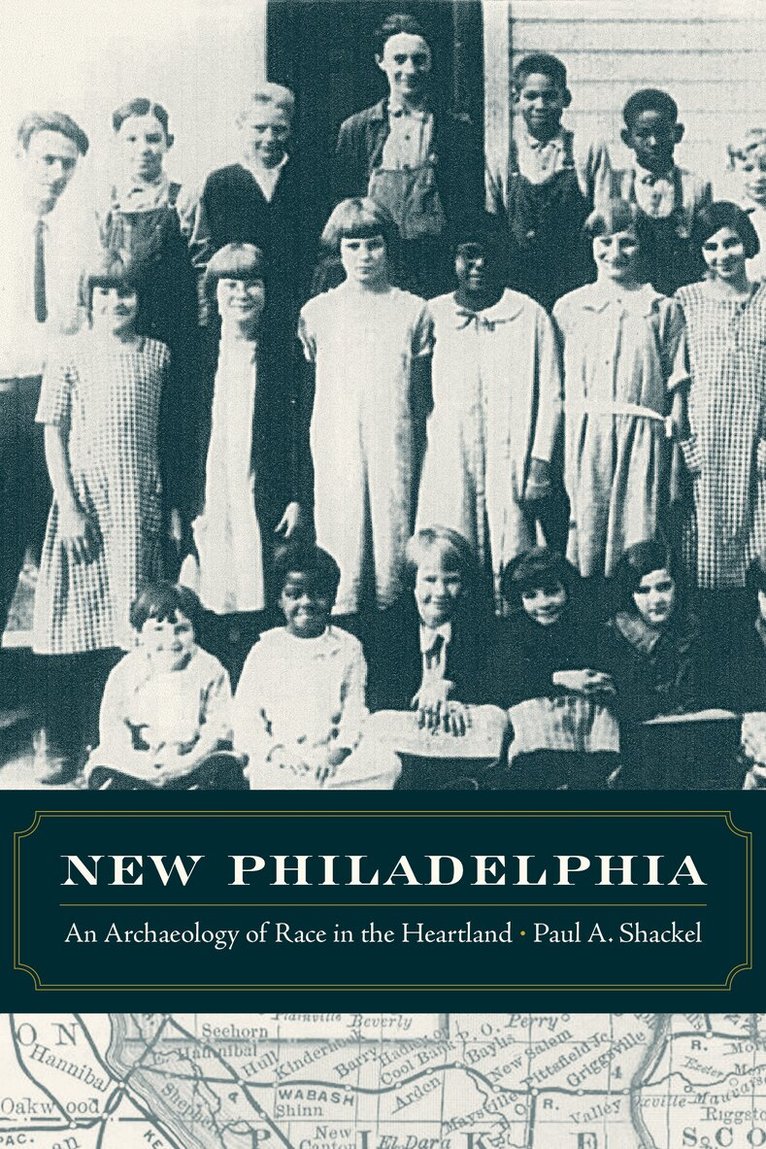
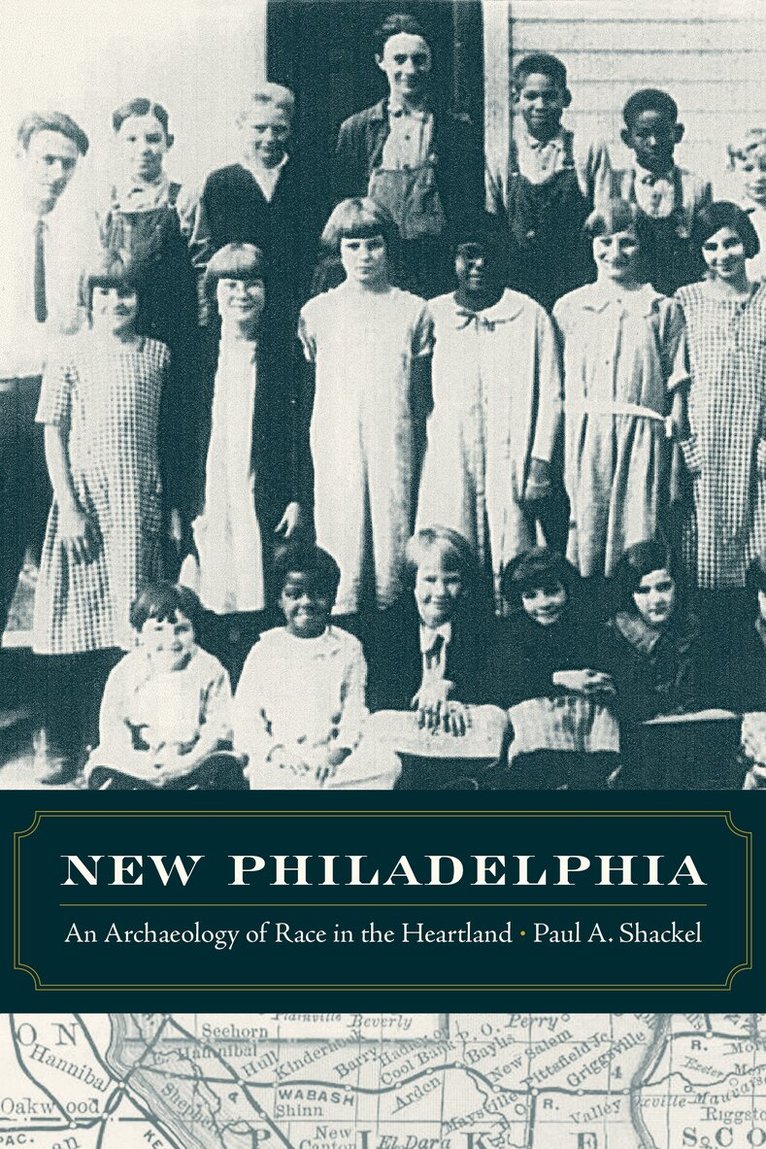
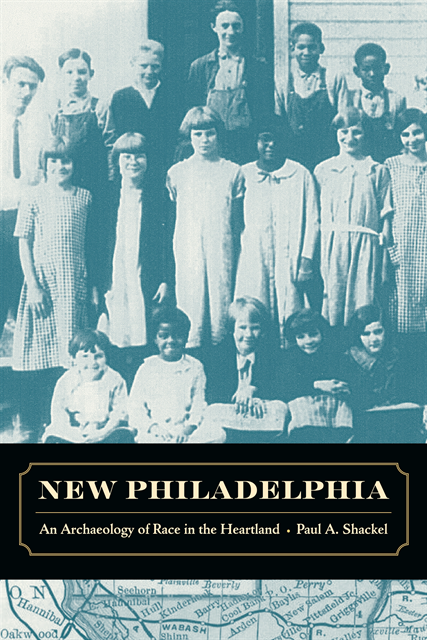
New Philadelphia
An Archaeology of Race in the Heartland
Av Paul Shackel
Inbunden, 2010
754 kr
Lägg i varukorg
New Philadelphia, Illinois, was founded in 1836 by Frank McWorter, a Kentucky slave who purchased his own freedom and then acquired land on the prairie for establishing a new—and integrated—community. McWorter sold property to other freed slaves and to whites, and used the proceeds to buy his …
New Philadelphia
An Archaeology of Race in the Heartland
Av Paul Shackel
Häftad, 2010
288 kr
Lägg i varukorg
New Philadelphia, Illinois, was founded in 1836 by Frank McWorter, a Kentucky slave who purchased his own freedom and then acquired land on the prairie for establishing a new—and integrated—community. McWorter sold property to other freed slaves and to whites, and used the proceeds to buy his …
New Philadelphia
An Archaeology of Race in the Heartland
Av Paul Shackel
E-bok, 2010
482 kr
Lägg i varukorg
New Philadelphia, Illinois, was founded in 1836 by Frank McWorter, a Kentucky slave who purchased his own freedom and then acquired land on the prairie for establishing a new—and integrated—community. McWorter sold property to other freed slaves and to whites, and used the proceeds to buy his …
Heritage, Labour and the Working Classes
Av Gary Campbell, Paul Shackel m. fl.
E-bok, 2012
892 kr
Lägg i varukorg
Heritage, Labour and the Working Classes is both a celebration and commemoration of working class culture. It contains sometimes inspiring accounts of working class communities and people telling their own stories, and weaves together examples of tangible and intangible heritage, place, history, …
Heritage, Labour and the Working Classes
Av Gary Campbell, Paul Shackel m. fl.
E-bok, 2012
892 kr
Lägg i varukorg
Heritage, Labour and the Working Classes is both a celebration and commemoration of working class culture. It contains sometimes inspiring accounts of working class communities and people telling their own stories, and weaves together examples of tangible and intangible heritage, place, history, …
Archaeology of Unchecked Capitalism
From the American Rust Belt to the Developing World
Av Paul Shackel
Inbunden, 2019
1752 kr
Lägg i varukorg
The racialization of immigrant labor and the labor strife in the coal and textile communities in northeastern Pennsylvania appears to be an isolated incident in history. Rather this history can serve as a touchstone, connecting the history of the exploited laborers to today's labor in the global …
Archaeology of Unchecked Capitalism
From the American Rust Belt to the Developing World
Av Paul Shackel
E-bok, 2019
268 kr
Lägg i varukorg
The racialization of immigrant labor and the labor strife in the coal and textile communities in northeastern Pennsylvania appears to be an isolated incident in history. Rather this history can serve as a touchstone, connecting the history of the exploited laborers to today’s labor in the global …
Archaeology of Unchecked Capitalism
From the American Rust Belt to the Developing World
Av Paul Shackel
Häftad, 2025
303 kr
Lägg i varukorg
The racialization of immigrant labor and the labor strife in the coal and textile communities in northeastern Pennsylvania appears to be an isolated incident in history. Rather this history can serve as a touchstone, connecting the history of the exploited laborers to today’s labor in the global …
They Worked Regular
Craft, Labor, and Family in the Industrial Community of Virginius Island
Av Matthew Palus, Paul Shackel
Inbunden, 2006
413 kr
Tillfälligt slut