Laureen Snider – författare
Visar alla böcker från författaren Laureen Snider. Handla med fri frakt och snabb leverans.
11 produkter
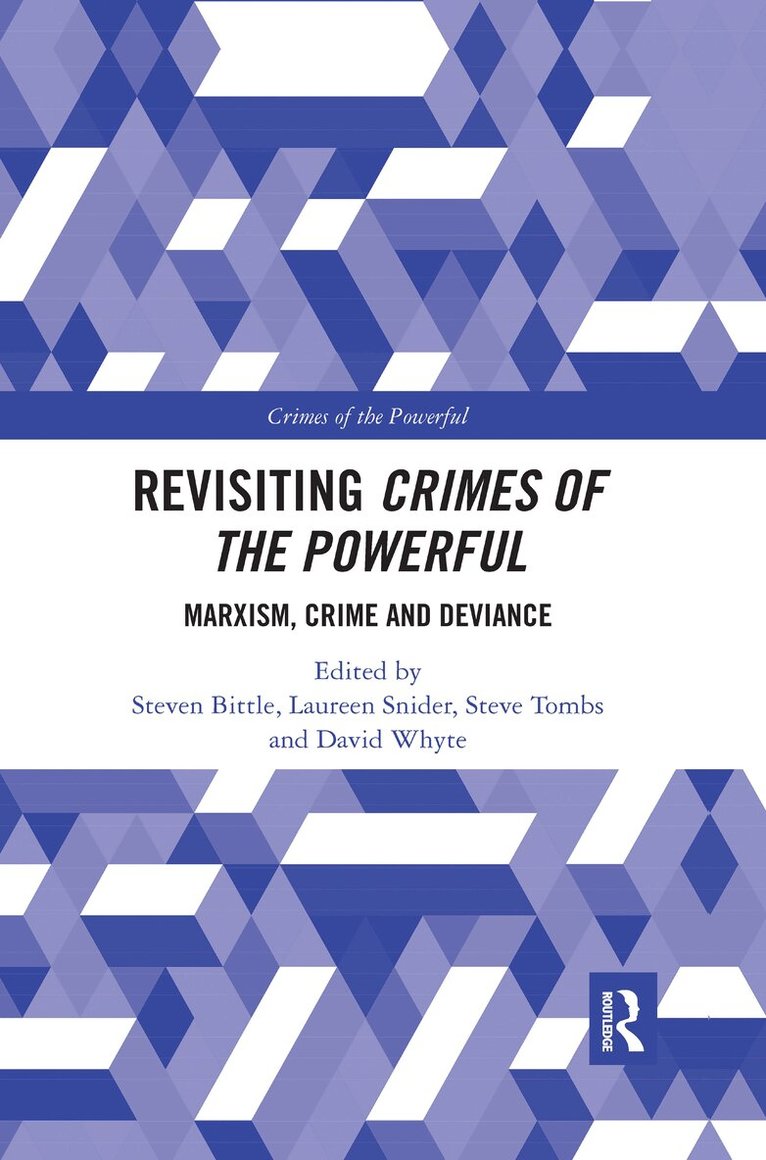
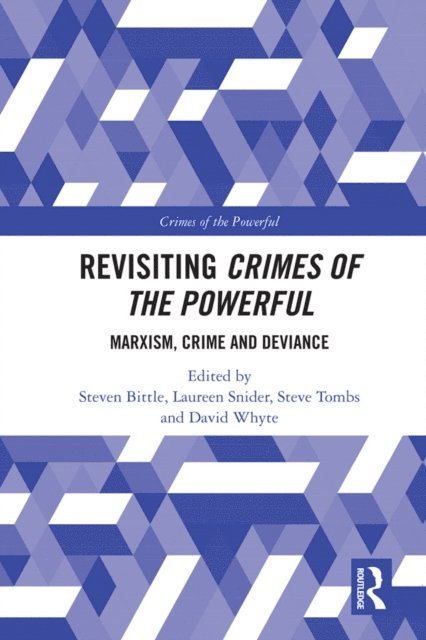
Revisiting Crimes of the Powerful
Marxism, Crime and Deviance
Av Steven Bittle, Laureen Snider m. fl.
Häftad, 2021
723 kr
Lägg i varukorg
Frank Pearce was the first scholar to use the term 'crimes of the powerful.' His ground-breaking book of the same name provided insightful critiques of liberal orthodox criminology, particularly in relation to labelling theory and symbolic interactionism, while making important contributions to …
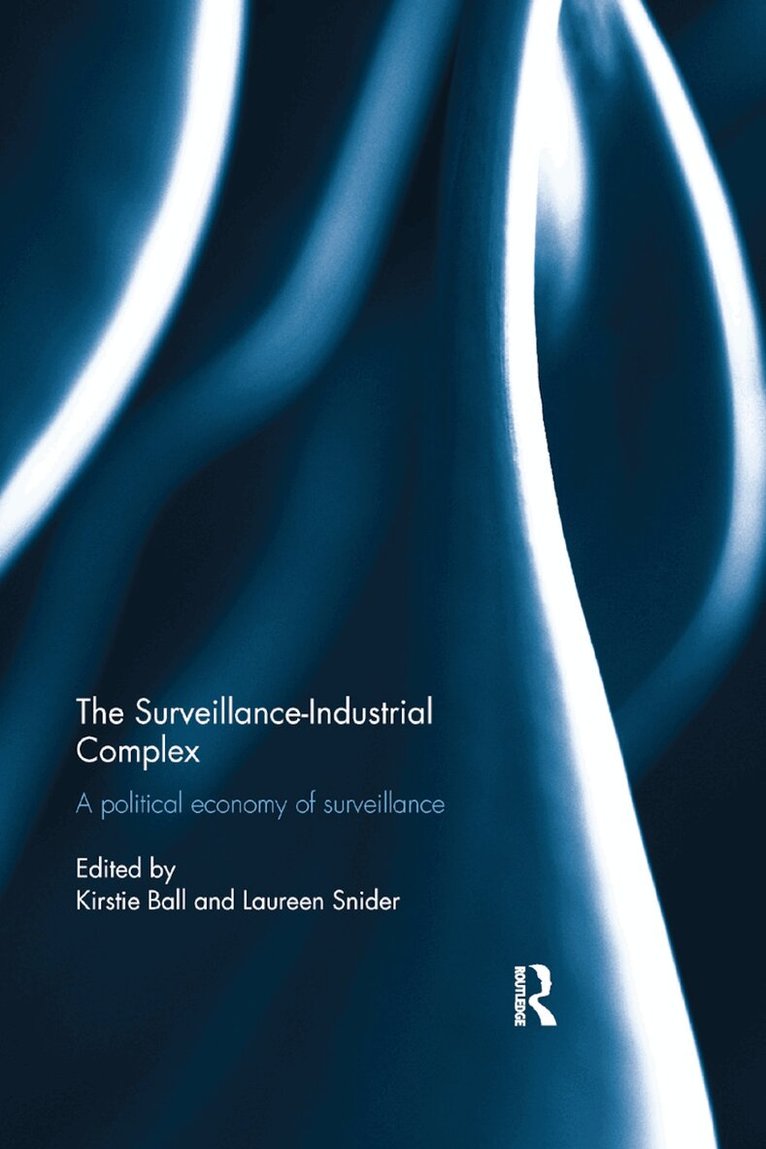
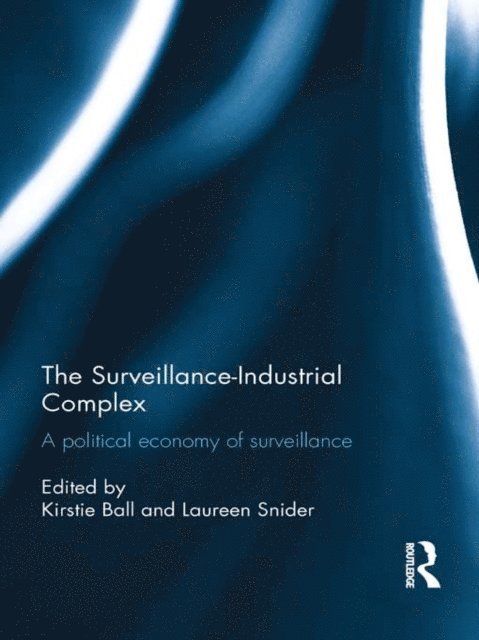
Surveillance-Industrial Complex
A Political Economy of Surveillance
Av Kirstie Ball, Laureen Snider
Häftad, 2019
692 kr
Lägg i varukorg
Today’s ‘surveillance society’ emerged from a complex of military and corporate priorities that were nourished through the active and ‘cold’ wars that marked the twentieth century. Two massive configurations of power – state and corporate – have become the dominant players. Mass targeted …
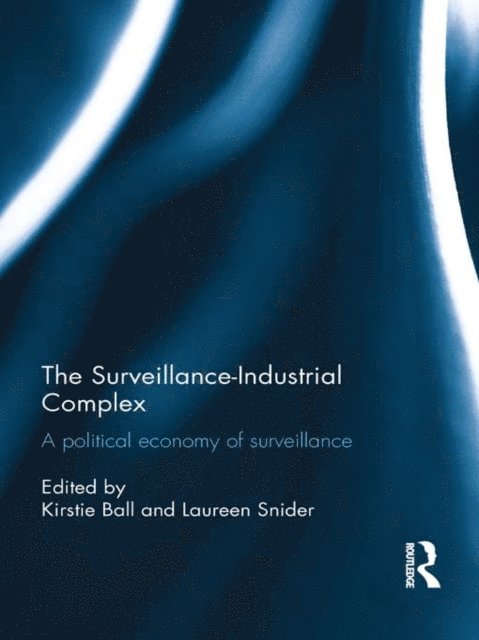
Surveillance-Industrial Complex
A Political Economy of Surveillance
Av Kirstie Ball, Laureen Snider
Inbunden, 2013
2516 kr
Lägg i varukorg
Today’s ‘surveillance society’ emerged from a complex of military and corporate priorities that were nourished through the active and ‘cold’ wars that marked the twentieth century. Two massive configurations of power – state and corporate – have become the dominant players. Mass targeted …
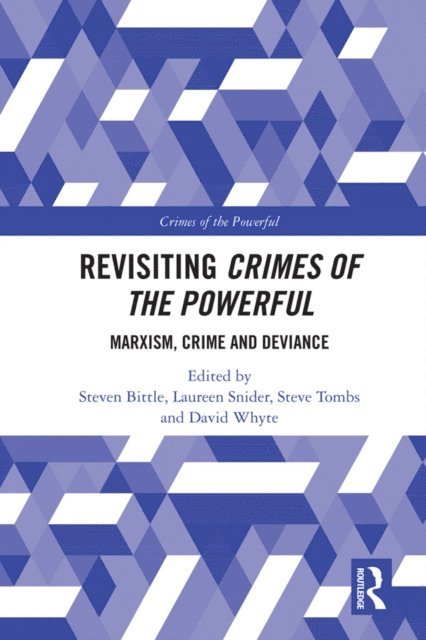
Revisiting Crimes of the Powerful
Marxism, Crime and Deviance
Av Steven Bittle, Laureen Snider m. fl.
Inbunden, 2018
2516 kr
Lägg i varukorg
Frank Pearce was the first scholar to use the term 'crimes of the powerful.' His ground-breaking book of the same name provided insightful critiques of liberal orthodox criminology, particularly in relation to labelling theory and symbolic interactionism, while making important contributions to …
Surveillance-Industrial Complex
A Political Economy of Surveillance
Av Laureen Snider, Kirstie Ball
E-bok, 2013
814 kr
Lägg i varukorg
Today’s ‘surveillance society’ emerged from a complex of military and corporate priorities that were nourished through the active and ‘cold’ wars that marked the twentieth century. Two massive configurations of power – state and corporate – have become the dominant players. Mass targeted …
Surveillance-Industrial Complex
A Political Economy of Surveillance
Av Laureen Snider, Kirstie Ball
E-bok, 2013
790 kr
Lägg i varukorg
Today’s ‘surveillance society’ emerged from a complex of military and corporate priorities that were nourished through the active and ‘cold’ wars that marked the twentieth century. Two massive configurations of power – state and corporate – have become the dominant players. Mass targeted …
Revisiting Crimes of the Powerful
Marxism, Crime and Deviance
Av David Whyte, Steve Tombs m. fl.
E-bok, 2018
849 kr
Lägg i varukorg
Frank Pearce was the first scholar to use the term ''crimes of the powerful.'' His ground-breaking book of the same name provided insightful critiques of liberal orthodox criminology, particularly in relation to labelling theory and symbolic interactionism, while making important contributions to …
Revisiting Crimes of the Powerful
Marxism, Crime and Deviance
Av David Whyte, Steve Tombs m. fl.
E-bok, 2018
764 kr
Lägg i varukorg
Frank Pearce was the first scholar to use the term ''crimes of the powerful.'' His ground-breaking book of the same name provided insightful critiques of liberal orthodox criminology, particularly in relation to labelling theory and symbolic interactionism, while making important contributions to …
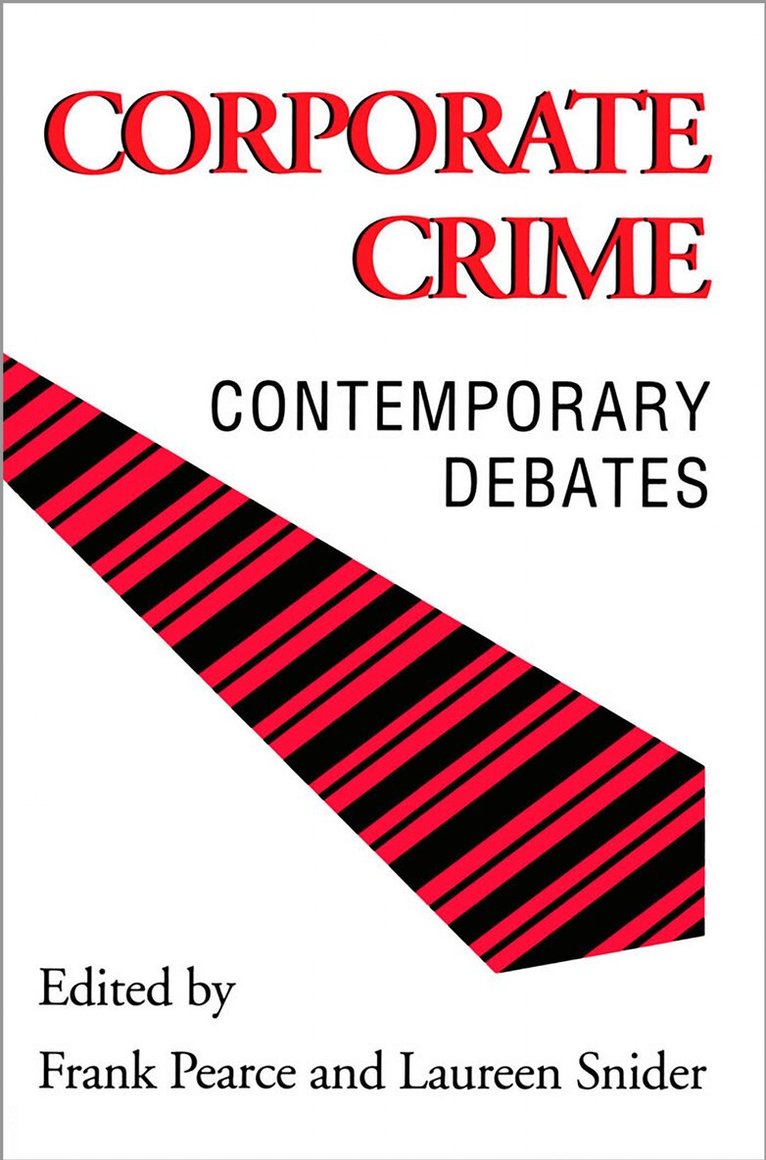
Corporate Crime
Contemporary Debates
Av Frank Pearce, Laureen Snider
E-bok, 1995
620 kr
Lägg i varukorg
Corporate crime inflicts massive harm on employees, consumers, workplaces, economies, and the environment, but there are inadequate controls and few deterrent mechanisms, and sanctions are mild relative to the harm done. There is little agreement on remedies and praxis, reflecting an underlying …
About Canada: Corporate Crime
Häftad, 2015
214 kr
Lägg i varukorg
When corporations misbehave the consequences are devastating. The monetary costs of the 2008 financial crisis, a direct result of financial mismanagement, were in the trillions, and yet none of those responsible were held to account. The monetary costs of Criminal Code theft pale in comparison, and …
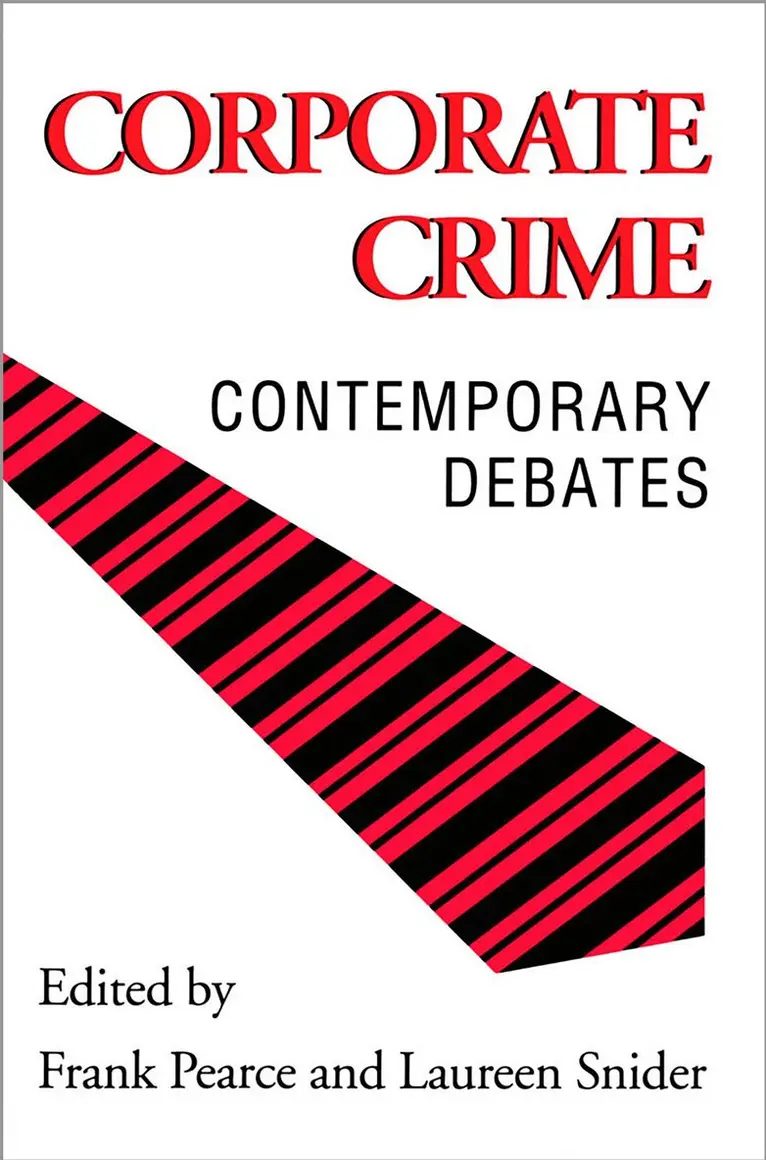
Corporate Crime
Contemporary Debates
Av Frank Pearce, Laureen Snider
Häftad, 1995
427 kr
Tillfälligt slut
Corporate crime inflicts massive harm on employees, consumers, workplaces, economies, and the environment, but there are inadequate controls and few deterrent mechanisms, and sanctions are mild relative to the harm done. There is little agreement on remedies and praxis, reflecting an underlying …