
Lauren Wagner – författare
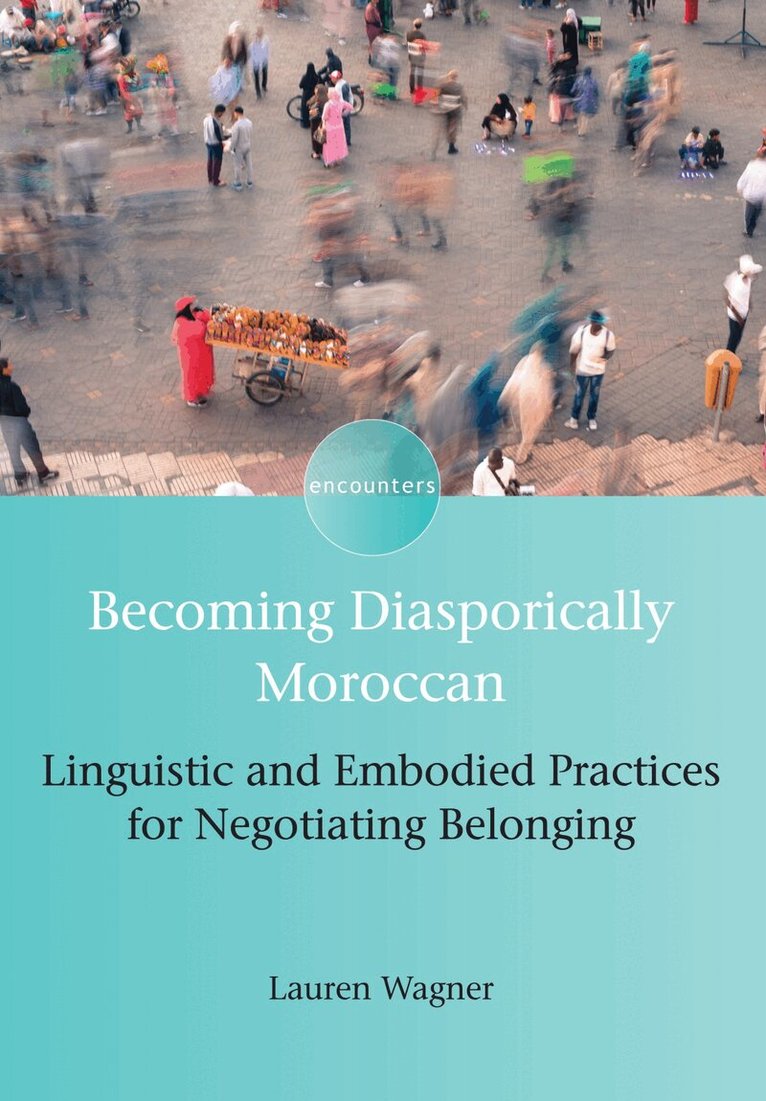
Becoming Diasporically Moroccan
Linguistic and Embodied Practices for Negotiating Belonging
1 671 kr
Skickas inom 5-8 vardagar
2 182 kr
Läs direkt efter köp
2 278 kr
Läs direkt efter köp
2 103 kr
Skickas inom 10-15 vardagar
239 kr
Skickas inom 5-8 vardagar
50 kr
Läs direkt efter köp

367 kr
Skickas inom 5-8 vardagar

176 kr
Skickas inom 5-8 vardagar

271 kr
Skickas inom 5-8 vardagar
73 kr
Läs direkt efter köp
1 822 kr
Tillfälligt slut
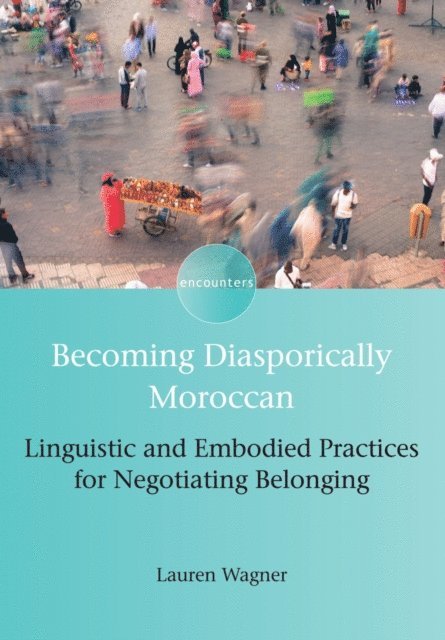
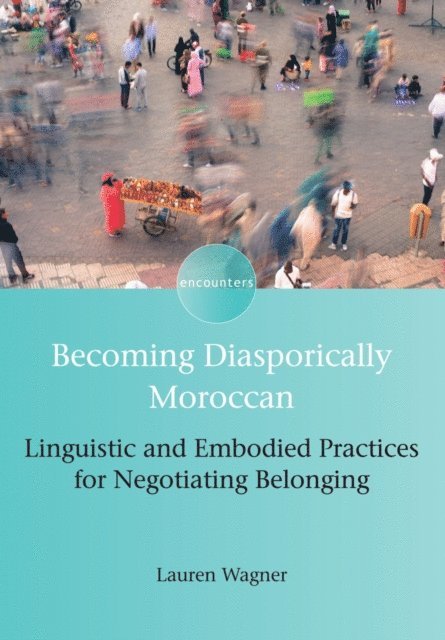
Questions persist about post-migrant generations and their sense of belonging in one homeland or another. As descendants of migrants, ‘second’ and further generations often struggle to establish an unproblematic belonging in/to a resident homeland, as the place where they live and work but are often categorized as ‘outsiders’. Simultaneously, because of improving access to travel, they can also maintain a physical presence in an ancestral homeland. However, their encounters there may also problematize their sense of belonging. During their summertime visits to Morocco, the European-Moroccan participants in this ethnography repeatedly find themselves negotiating a sense of belonging in the ‘homeland’. This book analyzes how these negotiations take place in order to investigate how the categories of ‘diasporic’ and ‘Moroccan’ become shaped by the interactional encounters observed. In the setting of Morocco, where trajectories to and from Europe have colored several centuries of history, this book provides a framework to explore how migration and return become incorporated into contemporary ‘Moroccanness’.
1 822 kr
Tillfälligt slut
Questions persist about post-migrant generations and their sense of belonging in one homeland or another. As descendants of migrants, ‘second’ and further generations often struggle to establish an unproblematic belonging in/to a resident homeland, as the place where they live and work but are often categorized as ‘outsiders’. Simultaneously, because of improving access to travel, they can also maintain a physical presence in an ancestral homeland. However, their encounters there may also problematize their sense of belonging. During their summertime visits to Morocco, the European-Moroccan participants in this ethnography repeatedly find themselves negotiating a sense of belonging in the ‘homeland’. This book analyzes how these negotiations take place in order to investigate how the categories of ‘diasporic’ and ‘Moroccan’ become shaped by the interactional encounters observed. In the setting of Morocco, where trajectories to and from Europe have colored several centuries of history, this book provides a framework to explore how migration and return become incorporated into contemporary ‘Moroccanness’.
1 822 kr
Tillfälligt slut