Laurent Gayer – författare
Visar alla böcker från författaren Laurent Gayer. Handla med fri frakt och snabb leverans.
10 produkter
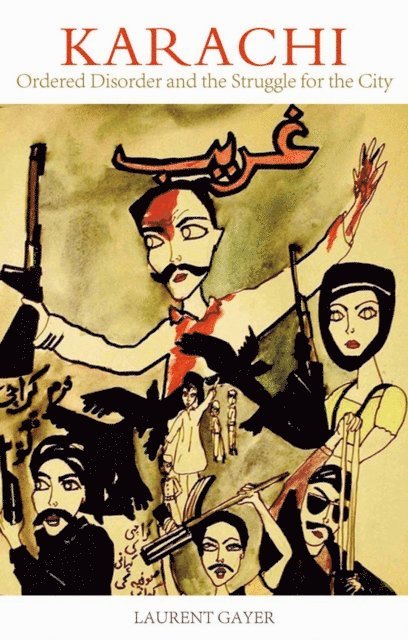
Karachi
Ordered Disorder and the Struggle for the City
E-bok, 2014
324 kr
Lägg i varukorg
With an official population approaching fifteen million, Karachi is one of the largest cities in the world. It is also the most violent. Since the mid-1980s, it has endured endemic political conflict and criminal violence, which revolve around control of the city and its resources (votes, land and …
Proud to Punish
The Global Landscapes of Rough Justice
Av Gilles Gayer, Laurent Gayer
Inbunden, 2024
1136 kr
Lägg i varukorg
A magisterial comparative study, Proud to Punish recenters our understanding of modern punishment through a sweeping analysis of the global phenomenon of "rough justice": the use of force to settle accounts and enforce legal and moral norms outside the formal framework of the law. While taking many …
Proud to Punish
The Global Landscapes of Rough Justice
Av Gilles Gayer, Laurent Gayer
Häftad, 2024
276 kr
Lägg i varukorg
A magisterial comparative study, Proud to Punish recenters our understanding of modern punishment through a sweeping analysis of the global phenomenon of "rough justice": the use of force to settle accounts and enforce legal and moral norms outside the formal framework of the law. While taking many …
Proud to Punish
The Global Landscapes of Rough Justice
Av Gilles Gayer, Laurent Gayer
E-bok, 2024
335 kr
Lägg i varukorg
A magisterial comparative study, Proud to Punish recenters our understanding of modern punishment through a sweeping analysis of the global phenomenon of "rough justice": the use of force to settle accounts and enforce legal and moral norms outside the formal framework of the law. While taking many …
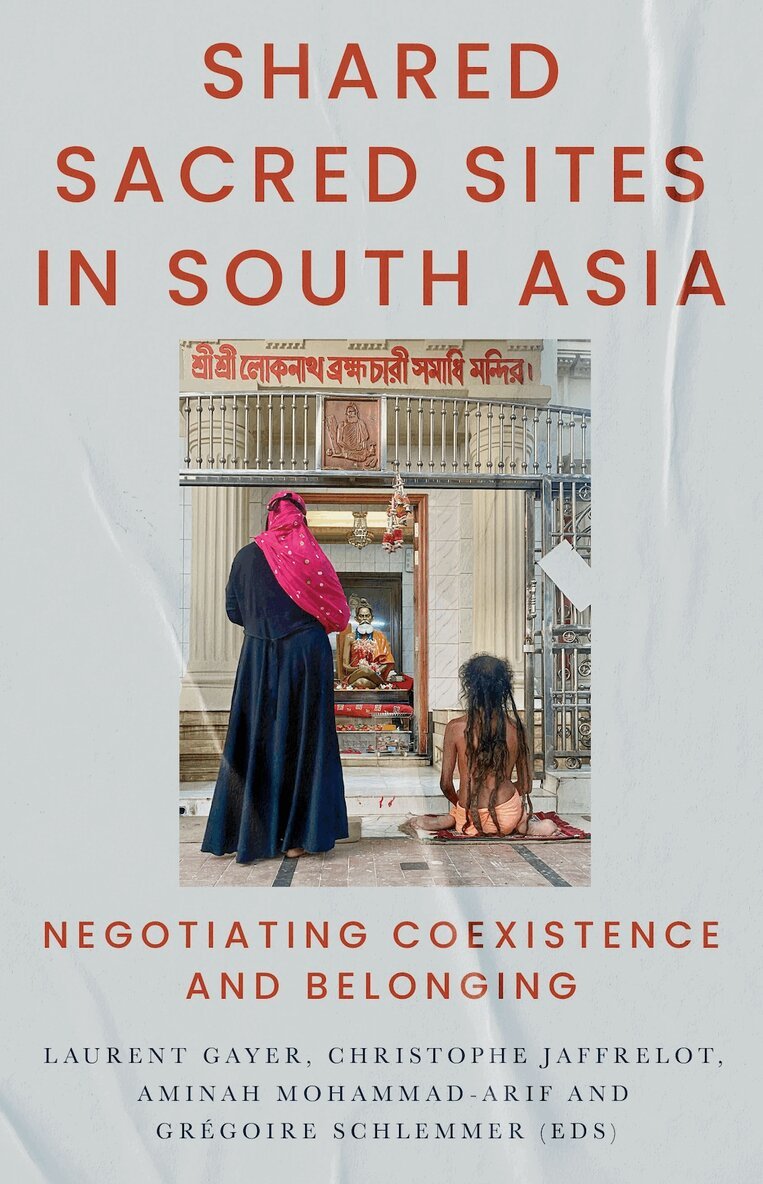
Shared Sacred Sites in South Asia
Negotiating Coexistence and Belonging
Av Aminah Mohammad-Arif, Grégoire Schlemmer m. fl.
Häftad, 2026
504 kr
Lägg i varukorg
Across the world, religious and cultural identities are being weaponised for political gains. South Asia is no exception, with frequent conflicts between faith communities strengthening politico-religious organisations, and severely straining social cohesion. Yet this region also has a history of …
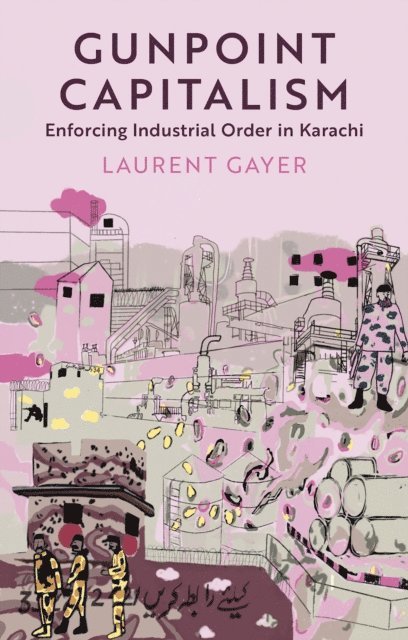
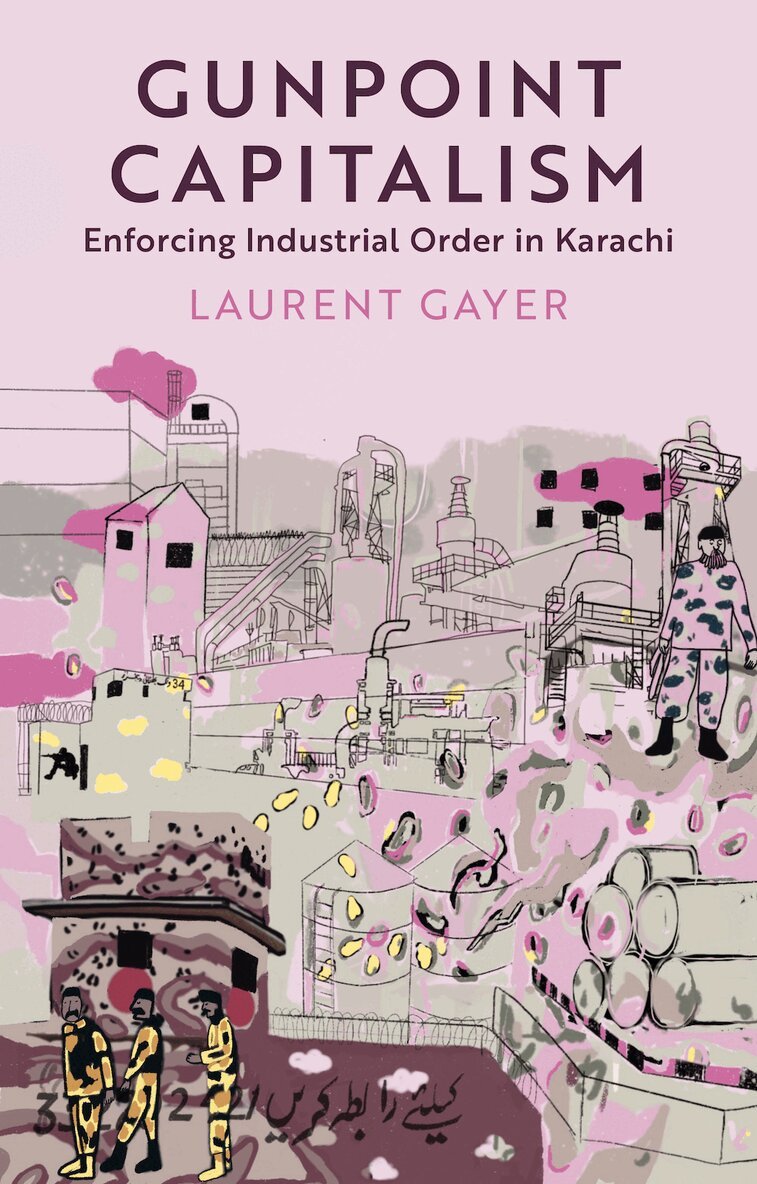
Gunpoint Capitalism
Enforcing Industrial Order in Karachi
E-bok, 2025
535 kr
Lägg i varukorg
On 11 September 2012, over 250 workers of Ali Enterprises, which produced jeans for the German discount retailer KiK, perished in a fire in their Karachi factory. Was this an accident or an arson attack? Straight away, the tragedy gave rise to contradictory interpretations. While some blamed the …
Shared Sacred Sites in South Asia
Negotiating Coexistence and Belonging
Av Gregoire Schlemmer, Aminah Mohammad-Arif m. fl.
E-bok, 2026
520 kr
Lägg i varukorg
Across the world, religious and cultural identities are being weaponised for political gains. South Asia is no exception, with frequent conflicts between faith communities strengthening politico-religious organisations, and severely straining social cohesion. Yet this region also has a history of …
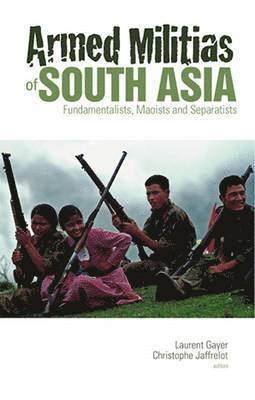
Armed Militias of South Asia
Fundamentalists, Maoists and Separatists
Av Laurent Gayer, Christophe Jaffrelot
Häftad, 2009
392 kr
Lägg i varukorg
There seems to be no end to the growing number of victims of civil war, terrorism, guerrilla warfare and military repression on the Indian subcontinent, despite the absence of interstate wars over the past ten years. These conflicts often involve armed paramilitary militias or insurgents of one …
Gunpoint Capitalism
Enforcing Industrial Order in Karachi
Inbunden, 2025
603 kr
Lägg i varukorg
On 11 September 2012, over 250 workers of Ali Enterprises, which produced jeans for the German discount retailer KiK, perished in a fire in their Karachi factory. Was this an accident or an arson attack? Straight away, the tragedy gave rise to contradictory interpretations. While some blamed the …
Muslims in Indian Cities
Trajectories of Marginalisation
Av Laurent Gayer, Christophe Jaffrelot
Inbunden, 2012
389 kr
Tillfälligt slut
With more than 150 million people, Muslims are the largest Indian minority but are facing a significant decline in socio-economic as well as political terms - not to say anything about the communal waves of violence that have affected them over the last 25 years. In India's cities, these …