Lawrence G. Weiss – författare
Visar alla böcker från författaren Lawrence G. Weiss. Handla med fri frakt och snabb leverans.
14 produkter
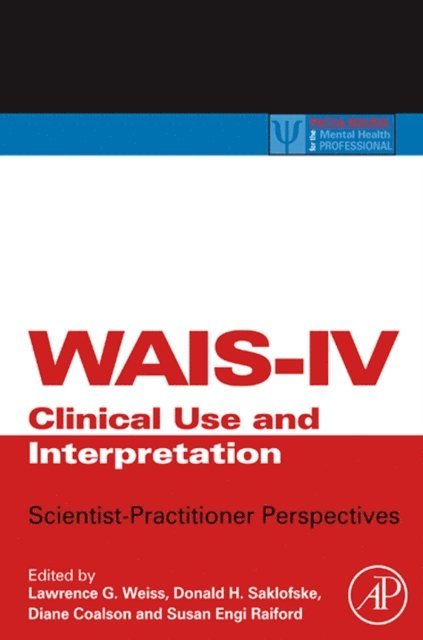
WAIS-IV Clinical Use and Interpretation
Scientist-Practitioner Perspectives
Av Susan Engi Raiford, Diane Coalson m. fl.
E-bok, 2010
618 kr
Lägg i varukorg
Published in August of 2008, WAIS–IV is the most widely used intelligence test for adults in the world. Substantive changes were made to the WAIS-IV from the WAIS-III leaving clinicians with questions as to how to use and interpret the measure effectively. Written by the creators of the new test, …
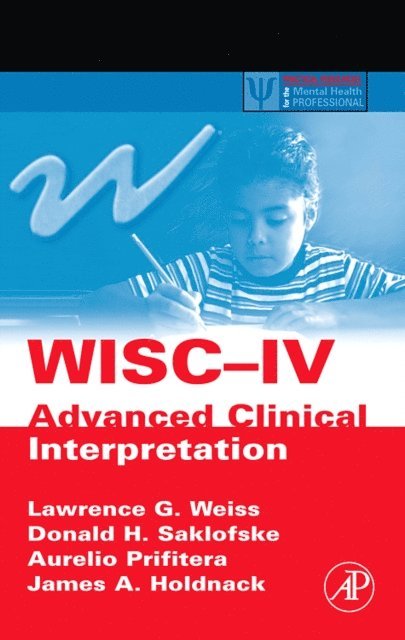
WISC-IV Advanced Clinical Interpretation
Av James A. Holdnack, Aurelio Prifitera m. fl.
E-bok, 2006
621 kr
Lägg i varukorg
For both experienced psychologists and graduate students, WISC-IV Advanced Clinical Interpretation moves quickly through the essentials of WISC-IV interpretation and onto an insightful analysis of the major cognitive domains assessed by WISC-IV. It is the intention of the editors to raise the …
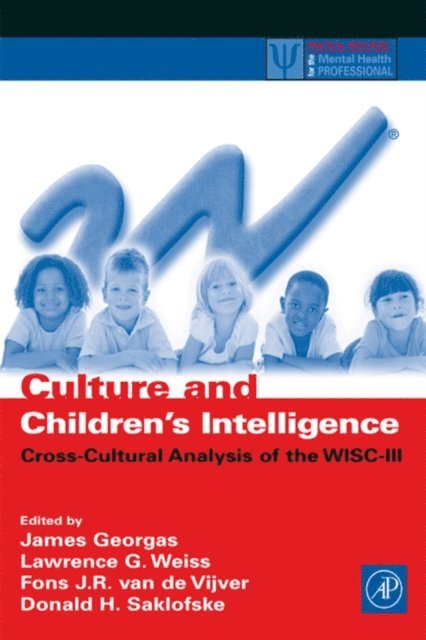
Culture and Children's Intelligence
Cross-Cultural Analysis of the WISC-III
Av Donald H. Saklofske, Fons J.R. van de Vijver m. fl.
E-bok, 2003
1038 kr
Lägg i varukorg
This book provides a unique cross-cultural perspective of the WISC-III. From construction, translation and adaptation in different cultures, to analysis of its structure and function as a concept, to its clinical use with different ethnic groups, Culture and Children''s Intelligence provides …
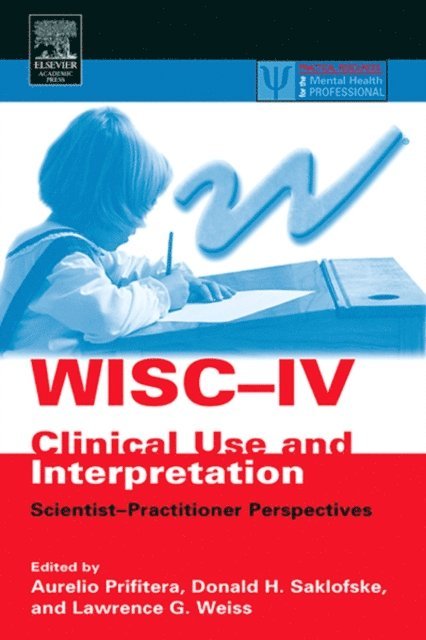
WISC-IV Clinical Use and Interpretation
Scientist-Practitioner Perspectives
Av Lawrence G. Weiss, Donald H. Saklofske m. fl.
E-bok, 2011
705 kr
Lägg i varukorg
WISC-IV Clinical Use and Interpretation provides comprehensive information on using and interpreting the WISC-IV for clinical assessment and diagnosis. With chapters authored by recognized experts in intelligence research, test development, and assessment, this will be a valuable resource to anyone …
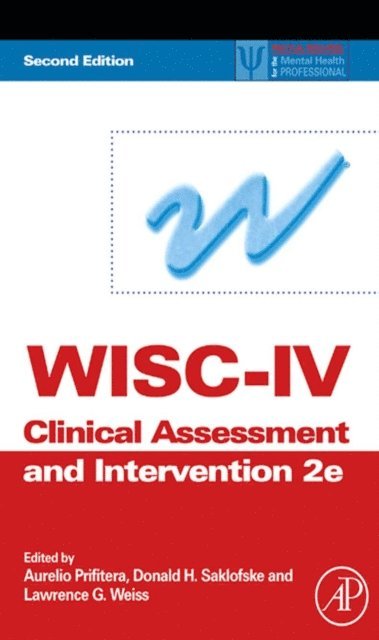
WISC-IV Clinical Assessment and Intervention
Av Lawrence G. Weiss, Donald H. Saklofske m. fl.
E-bok, 2008
620 kr
Lägg i varukorg
The Wechsler Intelligence Scale for Children: Fourth Edition (WISC-IV) is one of the most often used measures to assess intelligence and cognitive functions in children, ages 6-16 years. The second edition of the WISC-IV Clinical Assessment and Intervention will include new information obtained …
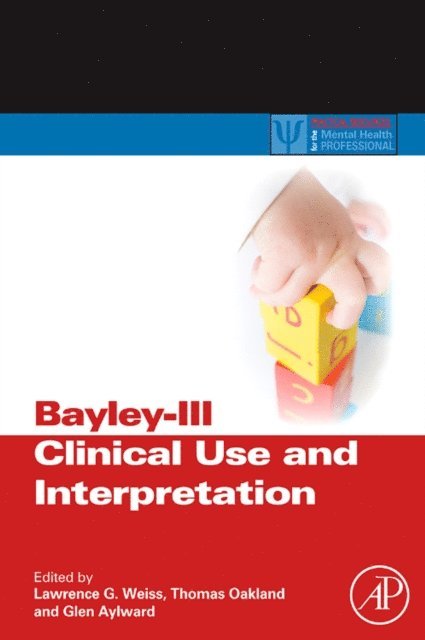
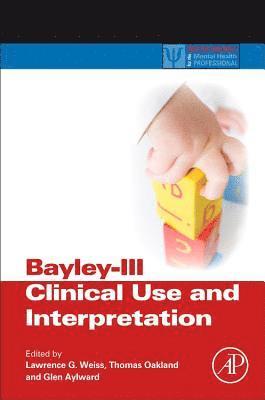
Bayley-III Clinical Use and Interpretation
Av Glen P. Aylward, Thomas Oakland m. fl.
E-bok, 2010
641 kr
Lägg i varukorg
One of the most widely used assessments of infants and toddlers, the BAYLEY-III measures the major areas of development including cognitive, language, motor, social-emotional, and adaptive functioning. This book provides an introduction into use of the BAYLEY-III in each of these five areas. For …
WAIS-IV Clinical Use and Interpretation
Scientist-Practitioner Perspectives
Av Lawrence G. Weiss, Donald H. Saklofske m. fl.
Inbunden, 2010
681 kr
Lägg i varukorg
Published in August of 2008, WAIS-IV is the most widely used intelligence test for adults in the world. Substantive changes were made to the WAIS-IV from the WAIS-III leaving clinicians with questions as to how to use and interpret the measure effectively. Written by the creators of the new test, …
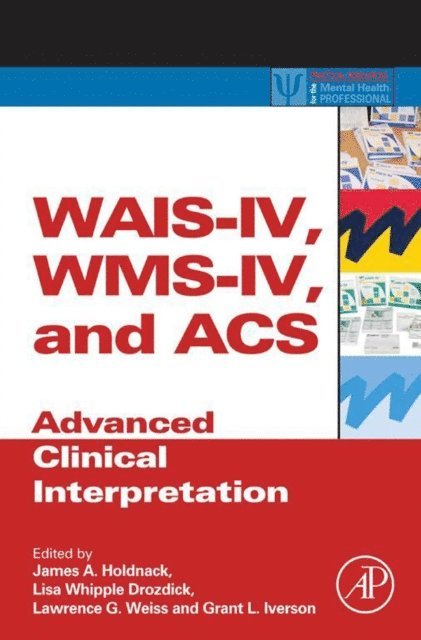
WAIS-IV, WMS-IV, and ACS
Advanced Clinical Interpretation
Av Holdnack, James A. Holdnack m. fl.
Inbunden, 2013
725 kr
Lägg i varukorg
This book provides users of the Wechsler Adult Intelligence Scale (WAIS-IV) with information on applying the WAIS-IV, including additional indexes and information regarding use in special populations for advanced clinical use and interpretation. The book offers sophisticated users of the WAIS-IV …
WAIS-IV, WMS-IV, and ACS
Advanced Clinical Interpretation
Av Grant L. Iverson, Lawrence G. Weiss m. fl.
E-bok, 2013
760 kr
Lägg i varukorg
This book provides users of the Wechsler Adult Intelligence Scale (WAIS-IV) with information on applying the WAIS-IV, including additional indexes and information regarding use in special populations for advanced clinical use and interpretation. The book offers sophisticated users of the WAIS-IV …
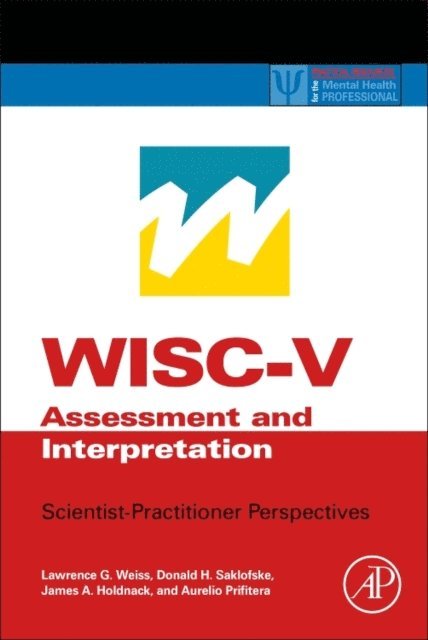
WISC-V Assessment and Interpretation
Scientist-Practitioner Perspectives
Av Lawrence G. Weiss, Donald H. Saklofske m. fl.
Inbunden, 2015
589 kr
Lägg i varukorg
The Wechsler Intelligence Scale is the most widely used intelligence test for children worldwide. WISC-V introduces new subtests, composite scores, process scores, error scores, and scaled scores as a more complex and accurate means of assessing cognitive abilities. WISC-V Assessment and …
WISC-V Assessment and Interpretation
Scientist-Practitioner Perspectives
Av Aurelio Prifitera, James A. Holdnack m. fl.
E-bok, 2015
639 kr
Lägg i varukorg
The Wechsler Intelligence Scale is the most widely used intelligence test for children worldwide. WISC-V introduces new subtests, composite scores, process scores, error scores, and scaled scores as a more complex and accurate means of assessing cognitive abilities. WISC-V Assessment and …
Bayley-III Clinical Use and Interpretation
Av Lawrence G. Weiss, Thomas Oakland m. fl.
Häftad, 2016
681 kr
Lägg i varukorg
One of the most widely used assessments of infants and toddlers, the BAYLEY-III measures the major areas of development including cognitive, language, motor, social-emotional, and adaptive functioning. This book provides an introduction into use of the BAYLEY-III in each of these five areas. For …
WISC-V
Clinical Use and Interpretation
Av Lawrence G. Weiss, Donald H. Saklofske m. fl.
Inbunden, 2019
628 kr
Lägg i varukorg
WISC-V: Clinical Use and Interpretation, Second Edition provides practical information for clinicians on the selection of subtest measures, along with their proper administration and interpretation. Full Scale IQ is identified as important for predicting relevant behaviors and primary index scores …
WISC-V
Clinical Use and Interpretation
Av Aurelio Prifitera, James A. Holdnack m. fl.
E-bok, 2019
868 kr
Lägg i varukorg
WISC-V: Clinical Use and Interpretation, Second Edition provides practical information for clinicians on the selection of subtest measures, along with their proper administration and interpretation. Full Scale IQ is identified as important for predicting relevant behaviors and primary index scores …