Leo Nollet - Böcker
Visar alla böcker från författaren Leo Nollet. Handla med fri frakt och snabb leverans.
5 produkter
5 produkter
2 705 kr
Skickas inom 10-15 vardagar
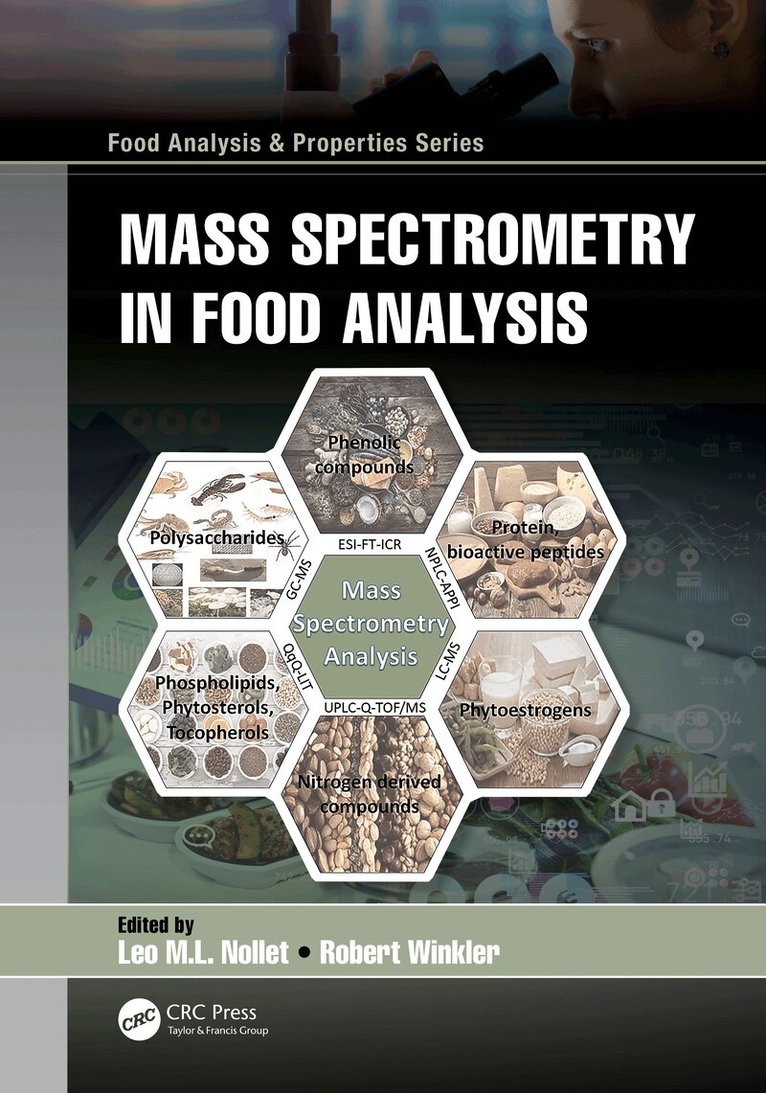
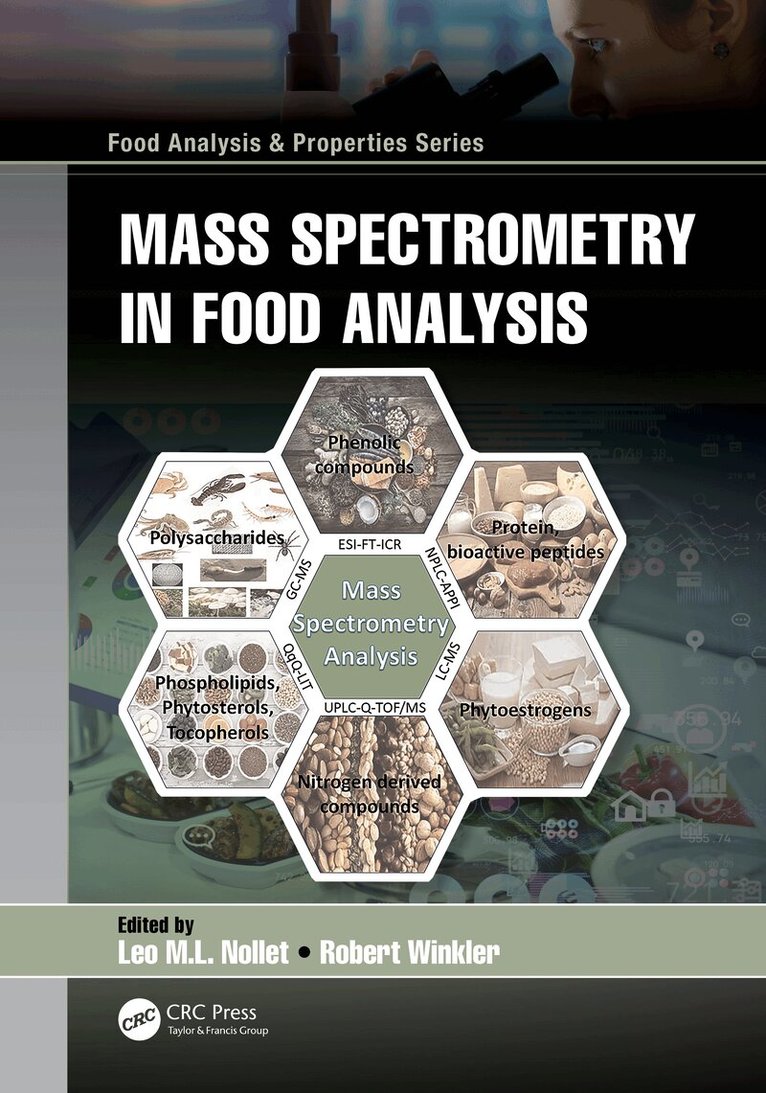
The quality and safety of food are crucial for human nutrition. However, evaluating the chemical composition of food is challenging for the analyst and requires powerful methods. Chromatography and mass spectrometry (MS) is the gold standard for analyzing complex food samples, including raw materials and intermediate and finished products.Mass Spectrometry in Food Analysis covers the MS-based analysis of different aspects of food quality, which include nutritional value, profile of macronutrients (proteins, lipids, and carbohydrates), micronutrients (vitamins), and nutraceutical active compounds. Additionally, sensory quality, flavor, food pigments, safety, and detection of pesticides, contact materials, veterinary drugs and pharmaceuticals, organic pollutants, and pathogens are covered.Key Features: Contains the basics of mass spectrometry and experimental strategies Explores determination of macro- and micronutrients Analyzes sensory and nutraceutical food quality Discusses detection of contaminants and proof of authenticity Presents emerging methods for food analysisThis book contains an introductory section that explains the basics of MS and the difference between targeted and untargeted strategies for beginners. Further, it points out new analytical challenges, such as monitoring contaminants of emerging concern, and presents innovative techniques (e.g., ambient ionization MS and data mining).Also available in the Food Analysis & Properties Series:Nanoemulsions in Food Technology: Development, Characterization, and Applications, edited by Javed Ahmad and Leo M.L. Nollet (ISBN: 978-0-367-61492-8)Sequencing Technologies in Microbial Food Safety and Quality, edited by Devarajan Thangadurai, Leo M.L. Nollet, Saher Islam, and Jeyabalan Sangeetha (ISBN: 978-0-367-35118-2)Chiral Organic Pollutants: Monitoring and Characterization in Food and the Environment, edited by Edmond Sanganyado, Basil K. Munjanja, and Leo M.L. Nollet (ISBN: 978-0-367-42923-2)For a complete list of books in this series, please visit our website at:www.crcpress.com/Food-Analysis--Properties/book-series/CRCFOODANPRO
947 kr
Skickas inom 10-15 vardagar
The quality and safety of food are crucial for human nutrition. However, evaluating the chemical composition of food is challenging for the analyst and requires powerful methods. Chromatography and mass spectrometry (MS) is the gold standard for analyzing complex food samples, including raw materials and intermediate and finished products.Mass Spectrometry in Food Analysis covers the MS-based analysis of different aspects of food quality, which include nutritional value, profile of macronutrients (proteins, lipids, and carbohydrates), micronutrients (vitamins), and nutraceutical active compounds. Additionally, sensory quality, flavor, food pigments, safety, and detection of pesticides, contact materials, veterinary drugs and pharmaceuticals, organic pollutants, and pathogens are covered.Key Features: Contains the basics of mass spectrometry and experimental strategies Explores determination of macro- and micronutrients Analyzes sensory and nutraceutical food quality Discusses detection of contaminants and proof of authenticity Presents emerging methods for food analysisThis book contains an introductory section that explains the basics of MS and the difference between targeted and untargeted strategies for beginners. Further, it points out new analytical challenges, such as monitoring contaminants of emerging concern, and presents innovative techniques (e.g., ambient ionization MS and data mining).Also available in the Food Analysis & Properties Series:Nanoemulsions in Food Technology: Development, Characterization, and Applications, edited by Javed Ahmad and Leo M.L. Nollet (ISBN: 978-0-367-61492-8)Sequencing Technologies in Microbial Food Safety and Quality, edited by Devarajan Thangadurai, Leo M.L. Nollet, Saher Islam, and Jeyabalan Sangeetha (ISBN: 978-0-367-35118-2)Chiral Organic Pollutants: Monitoring and Characterization in Food and the Environment, edited by Edmond Sanganyado, Basil K. Munjanja, and Leo M.L. Nollet (ISBN: 978-0-367-42923-2)For a complete list of books in this series, please visit our website at:www.crcpress.com/Food-Analysis--Properties/book-series/CRCFOODANPRO
2 705 kr
Skickas inom 10-15 vardagar
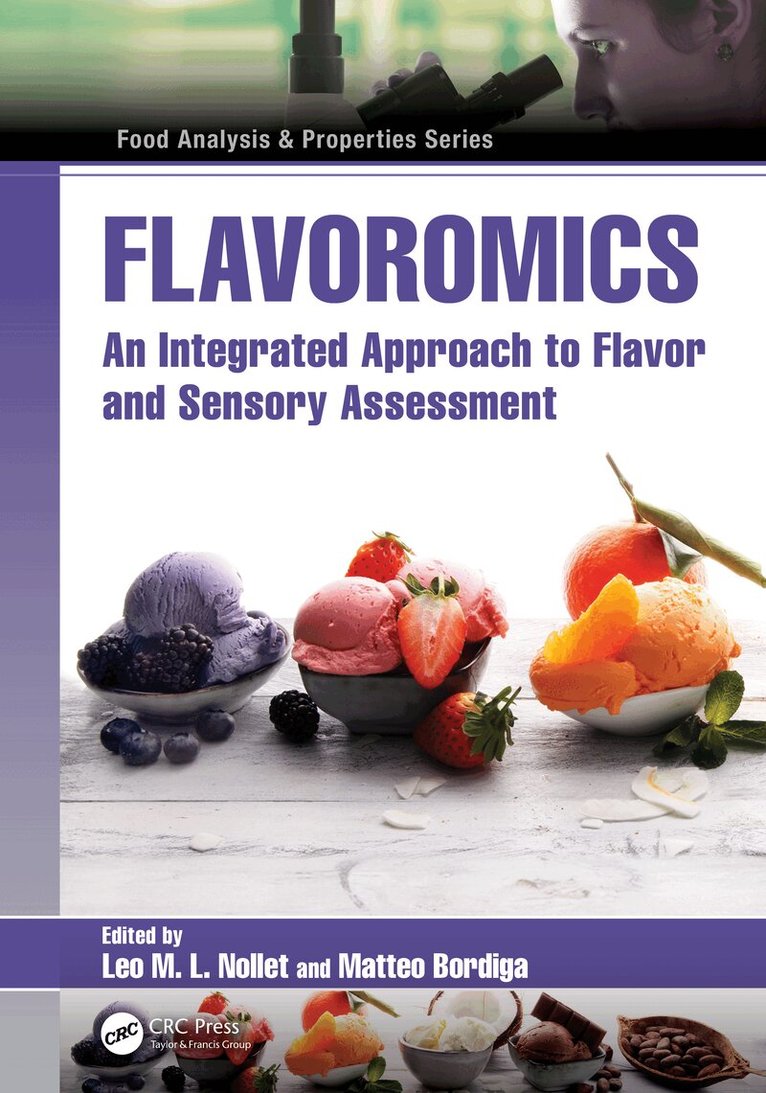
Forty years of progress in the fields of gas chromatography and data collection have culminated in flavoromics. This is a combination of chemometrics and metabolomics. Essentially, it is the non-targeted way of rapidly collecting a significant amount of data from a wide range of sample populations and using the data to study complicated topics. Now that we have the required tools, we can carry out high-throughput trace investigations that incorporate both gustatory and olfactory signals.Flavoromics: An Integrated Approach to Flavor and Sensory Assessment describes the tools to do high-throughput, trace analyses that represent both taste and olfaction stimuli. It explains how today's single sample research will generate thousands of data points, which are loaded into sophisticated statistical analysis algorithms to establish what stimuli are responsible for flavor. This cutting-edge equipment will enable us to create flavorings and perfumes that are more realistic and superior.Key Features:Includes a detailed section on data handling/miningSection 4 describes a broad overview of different food matricesPoints out the integration of flavoromics with advanced separation methods, data management, statistical modeling, and variable selectionThis book represents a revolutionary tool waiting to help make better, truer to life flavorings and fragrances.
947 kr
Skickas inom 10-15 vardagar
Forty years of progress in the fields of gas chromatography and data collection have culminated in flavoromics. This is a combination of chemometrics and metabolomics. Essentially, it is the non-targeted way of rapidly collecting a significant amount of data from a wide range of sample populations and using the data to study complicated topics. Now that we have the required tools, we can carry out high-throughput trace investigations that incorporate both gustatory and olfactory signals.Flavoromics: An Integrated Approach to Flavor and Sensory Assessment describes the tools to do high-throughput, trace analyses that represent both taste and olfaction stimuli. It explains how today's single sample research will generate thousands of data points, which are loaded into sophisticated statistical analysis algorithms to establish what stimuli are responsible for flavor. This cutting-edge equipment will enable us to create flavorings and perfumes that are more realistic and superior.Key Features:Includes a detailed section on data handling/miningSection 4 describes a broad overview of different food matricesPoints out the integration of flavoromics with advanced separation methods, data management, statistical modeling, and variable selectionThis book represents a revolutionary tool waiting to help make better, truer to life flavorings and fragrances.
3 028 kr
Skickas inom 10-15 vardagar
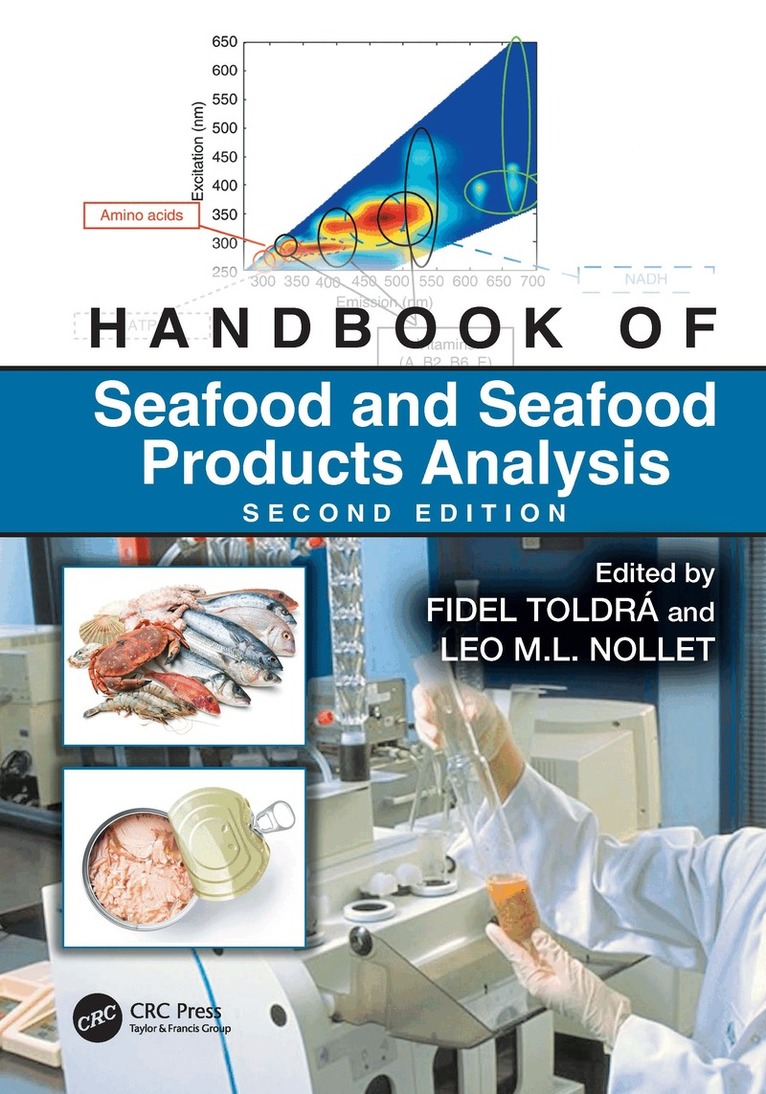
Seafood and seafood products represent some of the most important foods in almost all types of societies around the world. More intensive production of fish and shellfish to meet high demand has raised some concerns related to the nutritional and sensory qualities of these cultured fish in comparison to their wild-catch counterparts. In addition, the variety in processing, preservation, and storage methods from traditional to modern is contributing to an increase in variability in consumer products.This second edition of the Handbook of Seafood and Seafood Products Analysis brings together the work of 109 experts who focus on the most recent research and development trends in analytical techniques and methodologies for the analysis of captured fresh and preserved seafood, either cultivated or wild, as well as for derived products. After providing a general introduction, this handbook provides 48 chapters distributed in six sections:Chemistry and biochemistry focuses on the analysis of main chemical and biochemical compounds of seafood.Processing control describes the analysis of technological quality and the use of some non-destructive techniques as well as methods to check freshness, detection of species, and geographic origin and to evaluate smoke flavoring.Nutritional quality deals with the analysis of nutrients in seafood such as essential amino acids, bioactive peptides, antioxidants, vitamins, minerals and trace elements, and fatty acids.Sensory quality covers the sensory quality and main analytical tools to determine color, texture, flavor and off-flavor, quality index methods as well as sensory descriptors, sensory aspects of heat-treated seafood, and sensory perception.Biological Safety looks at tools for the detection of spoilage, pathogens, parasites, viruses, marine toxins, antibiotics, and GM ingredients.Chemical Safety focuses on the identification of fish species, detection of adulterations, veterinary drug residues, irradiation, food contact materials, and chemical toxic compounds from the environment, generated during processing or intentionally added.Key Features:This comprehensive handbook provides a full overview of the tools now available for the analysis of captured fresh and preserved seafood, either cultivated or wild, as well as for derived products.This is a comprehensive and informative book that presents both the merits and limitations of analytical techniques and also gives future developments for guaranteeing the quality of seafood and seafood products.This cutting-edge work covers processes used from all of the seven seas to ensure that consumers find safe, nutritionally beneficial, and appealing seafood products at their markets and restaurants.This handbook covers the main types of worldwide available analytical techniques and methodologies for the analysis of seafood and seafood products.