Matteo Bordiga – författare
Visar alla böcker från författaren Matteo Bordiga. Handla med fri frakt och snabb leverans.
20 produkter
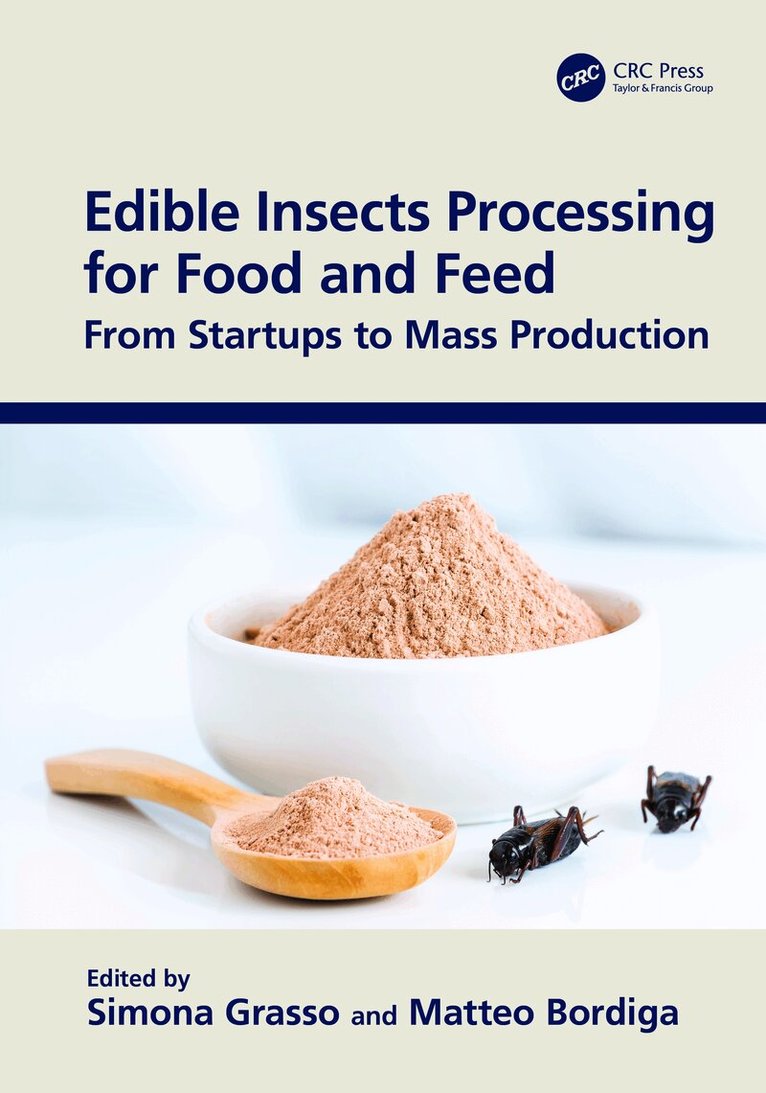
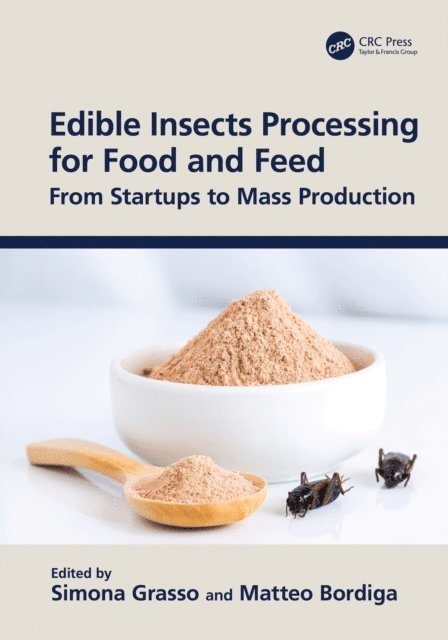
Edible Insects Processing for Food and Feed
From Startups to Mass Production
Av Simona Grasso, Matteo Bordiga
Inbunden, 2023
2736 kr
Lägg i varukorg
Consumers around the world are becoming increasingly aware of the significant impacts of food consumption on the environment, and demand for more sustainable foods is expanding rapidly. Edible Insects Processing for Food and Feed: From Startups to Mass Productionfocuses on the growing topic of …
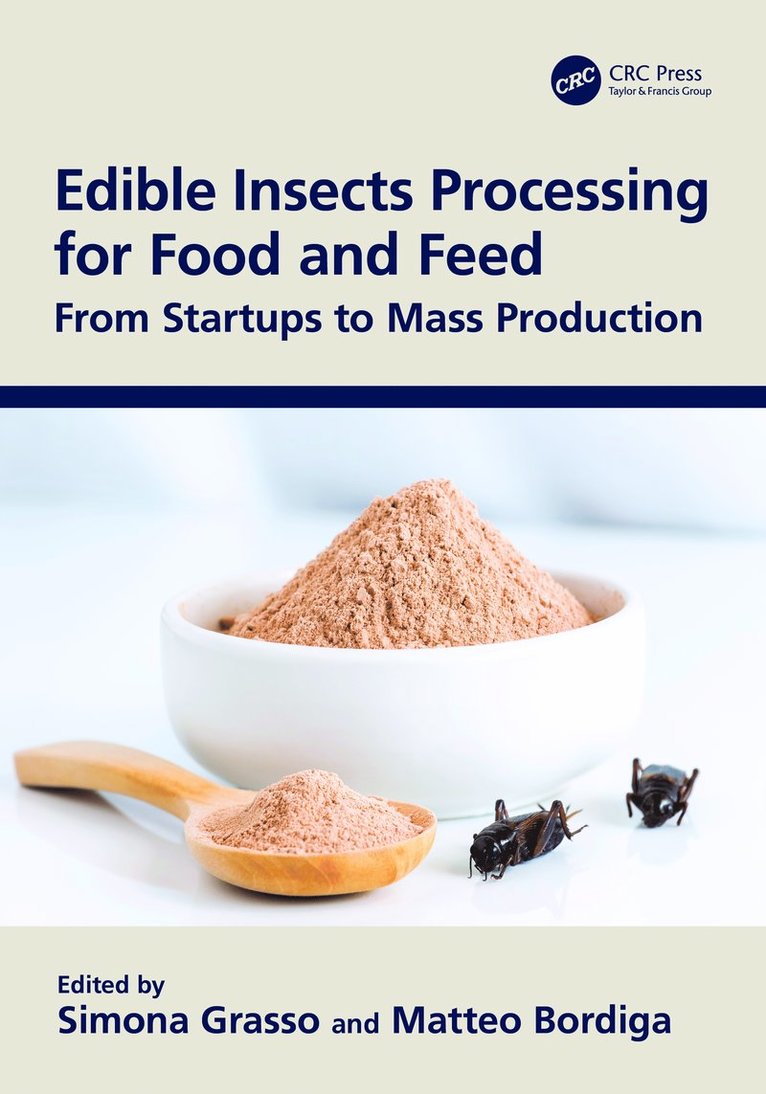
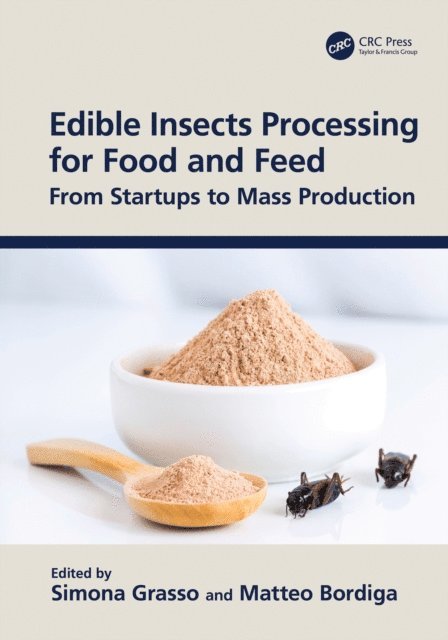
Edible Insects Processing for Food and Feed
From Startups to Mass Production
Av Simona Grasso, Matteo Bordiga
Häftad, 2024
1052 kr
Lägg i varukorg
Consumers around the world are becoming increasingly aware of the significant impacts of food consumption on the environment, and demand for more sustainable foods is expanding rapidly. Edible Insects Processing for Food and Feed: From Startups to Mass Productionfocuses on the growing topic of …
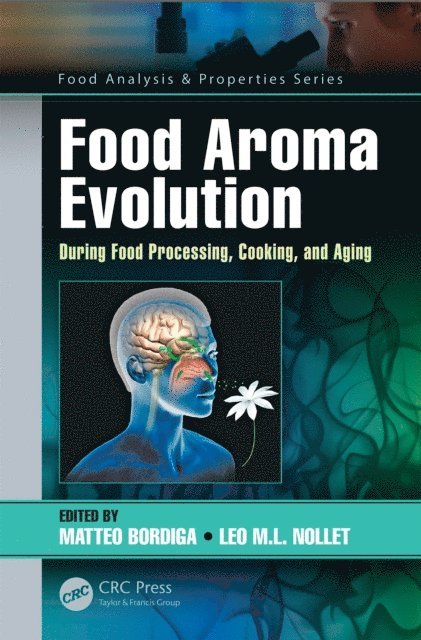
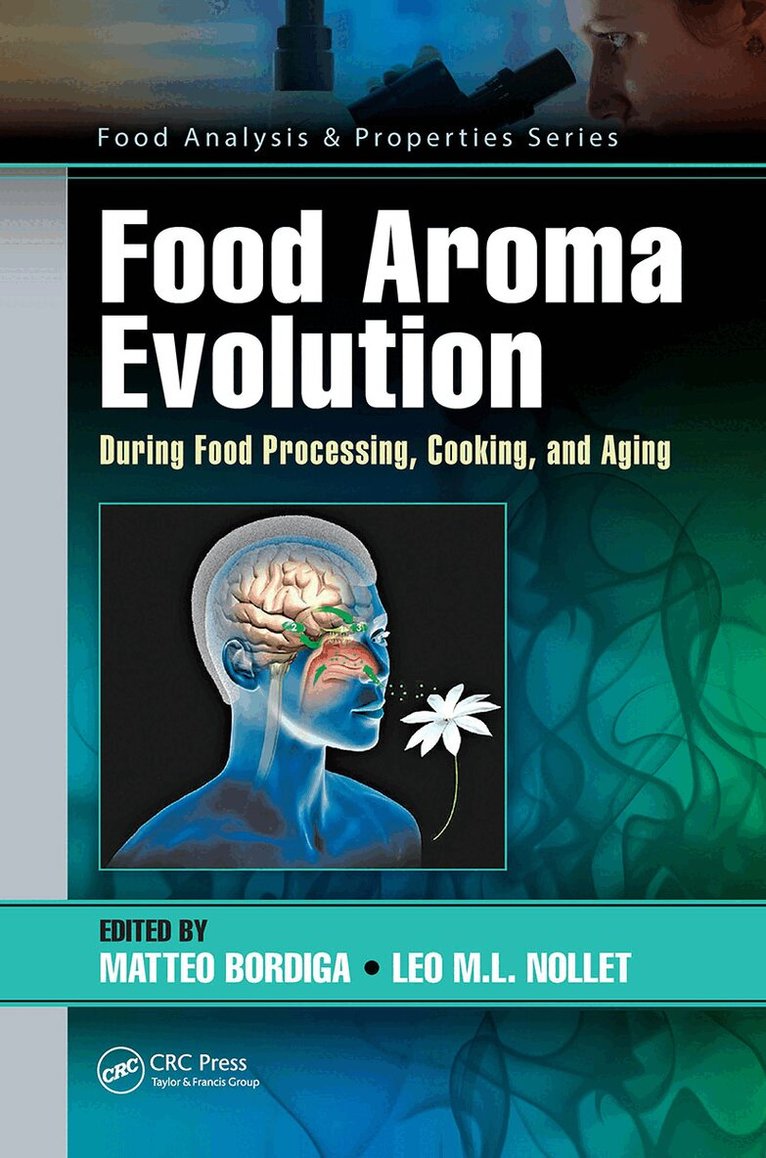
Food Aroma Evolution
During Food Processing, Cooking, and Aging
Av Leo M.L. Nollet, Matteo Bordiga
E-bok, 2019
3428 kr
Lägg i varukorg
Of the five senses, smell is the most direct and food aromas are the key drivers of our flavor experience. They are crucial for the synergy of food and drinks. Up to 80% of what we call taste is actually aroma. Food Aroma Evolution: During Food Processing, Cooking, and Aging focuses on the …
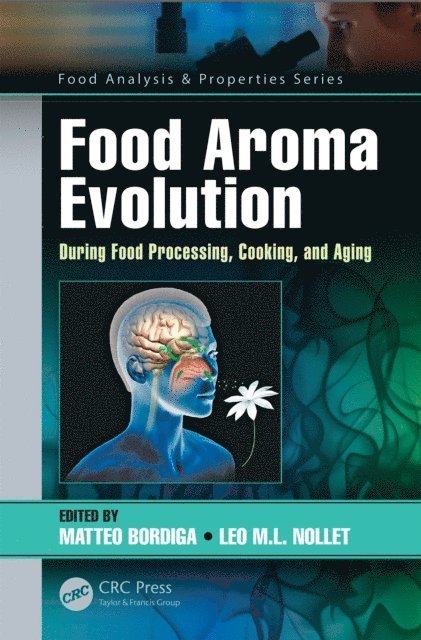
Food Aroma Evolution
During Food Processing, Cooking, and Aging
Av Leo M.L. Nollet, Matteo Bordiga
E-bok, 2019
3428 kr
Lägg i varukorg
Of the five senses, smell is the most direct and food aromas are the key drivers of our flavor experience. They are crucial for the synergy of food and drinks. Up to 80% of what we call taste is actually aroma. Food Aroma Evolution: During Food Processing, Cooking, and Aging focuses on the …
Edible Insects Processing for Food and Feed
From Startups to Mass Production
Av Matteo Bordiga, Simona Grasso
E-bok, 2023
1247 kr
Lägg i varukorg
Consumers around the world are becoming increasingly aware of the significant impacts of food consumption on the environment, and demand for more sustainable foods is expanding rapidly. Edible Insects Processing for Food and Feed: From Startups to Mass Production focuses on the growing topic of …
Edible Insects Processing for Food and Feed
From Startups to Mass Production
Av Matteo Bordiga, Simona Grasso
E-bok, 2023
1247 kr
Lägg i varukorg
Consumers around the world are becoming increasingly aware of the significant impacts of food consumption on the environment, and demand for more sustainable foods is expanding rapidly. Edible Insects Processing for Food and Feed: From Startups to Mass Production focuses on the growing topic of …
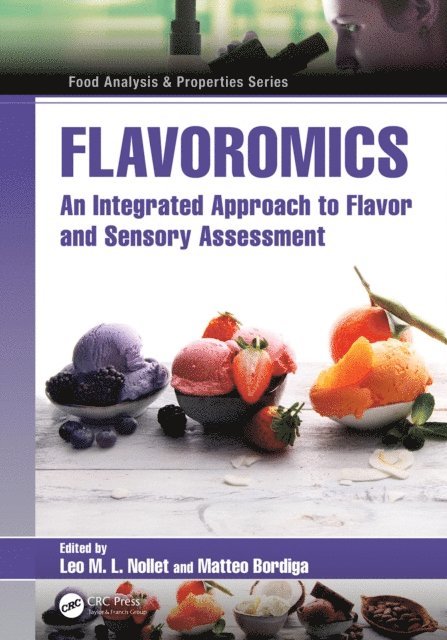
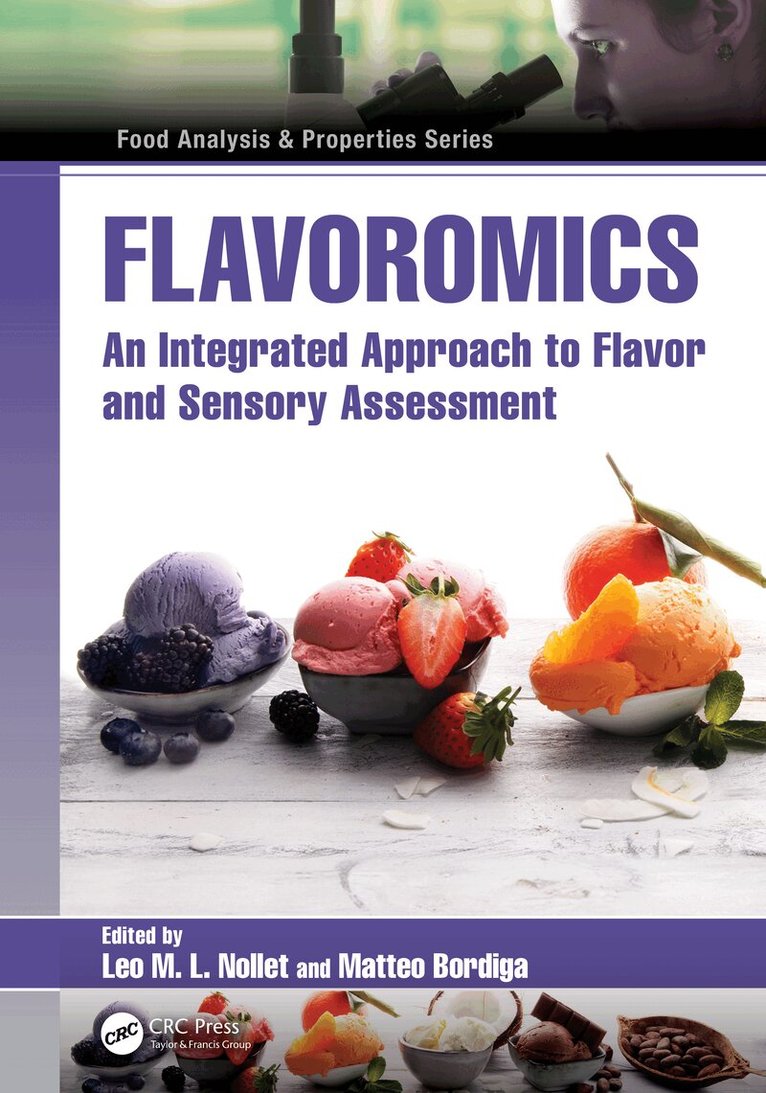
Flavoromics
An Integrated Approach to Flavor and Sensory Assessment
E-bok, 2023
1220 kr
Lägg i varukorg
Forty years of progress in the fields of gas chromatography and data collection have culminated in flavoromics. This is a combination of chemometrics and metabolomics. Essentially, it is the non-targeted way of rapidly collecting a significant amount of data from a wide range of sample populations …
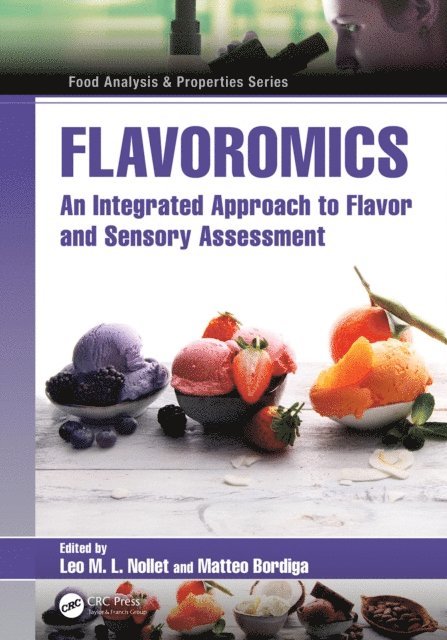
Flavoromics
An Integrated Approach to Flavor and Sensory Assessment
E-bok, 2023
1247 kr
Lägg i varukorg
Forty years of progress in the fields of gas chromatography and data collection have culminated in flavoromics. This is a combination of chemometrics and metabolomics. Essentially, it is the non-targeted way of rapidly collecting a significant amount of data from a wide range of sample populations …
Flavoromics
An Integrated Approach to Flavor and Sensory Assessment
Inbunden, 2023
3055 kr
Lägg i varukorg
Forty years of progress in the fields of gas chromatography and data collection have culminated in flavoromics. This is a combination of chemometrics and metabolomics. Essentially, it is the non-targeted way of rapidly collecting a significant amount of data from a wide range of sample populations …
Flavoromics
An Integrated Approach to Flavor and Sensory Assessment
Häftad, 2025
1052 kr
Lägg i varukorg
Forty years of progress in the fields of gas chromatography and data collection have culminated in flavoromics. This is a combination of chemometrics and metabolomics. Essentially, it is the non-targeted way of rapidly collecting a significant amount of data from a wide range of sample populations …
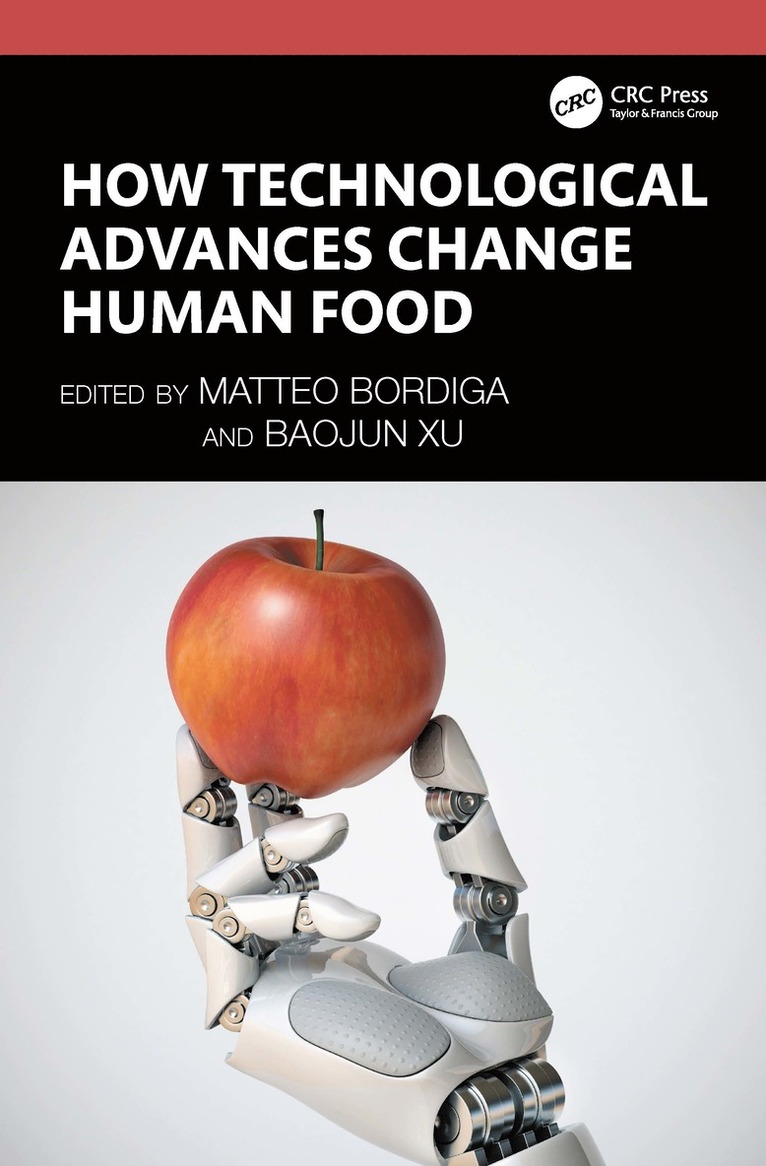
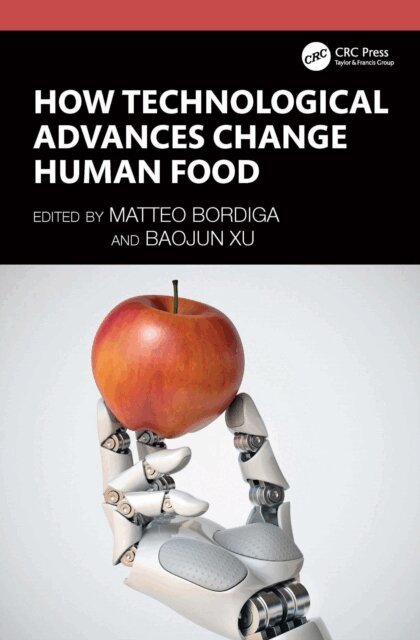
How Technological Advances Change Human Food
Inbunden, 2025
3055 kr
Lägg i varukorg
Diet is key to understanding the past, present, and future of our species. Much of human evolutionary success can be attributed to our ability to consume and preserve a wide range of foods. Technological advances changed the types of foods we eat. With this consideration, How Technological Advances …
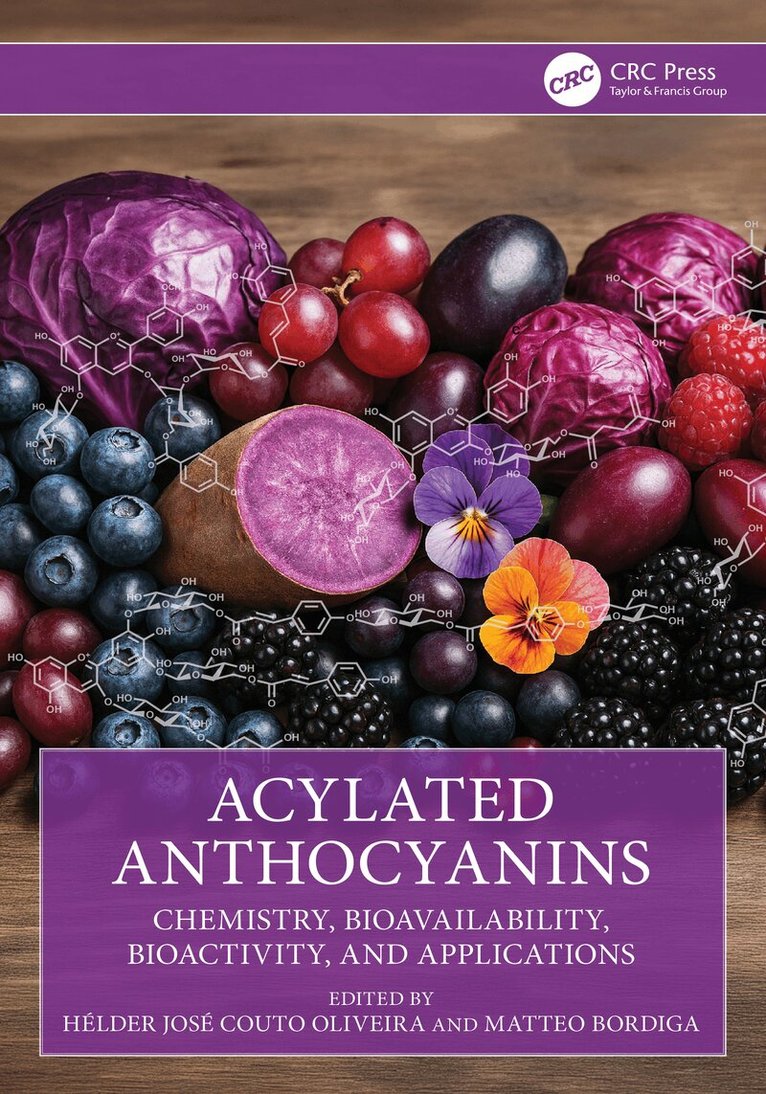
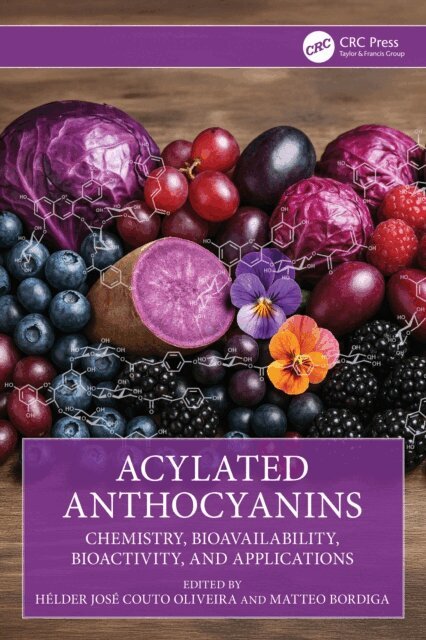
Acylated Anthocyanins
Chemistry, Bioavailability, Bioactivity, and Applications
Av Hélder José Couto Oliveira, Matteo Bordiga
Inbunden, 2026
2504 kr
Lägg i varukorg
Anthocyanins esterified with one or more acid groups are known as acylated anthocyanins, which exhibit higher stability and antioxidant activity compared to nonacylated ones and are of interest to the food and beverage industry. It is known that the structural differences among anthocyanins will …
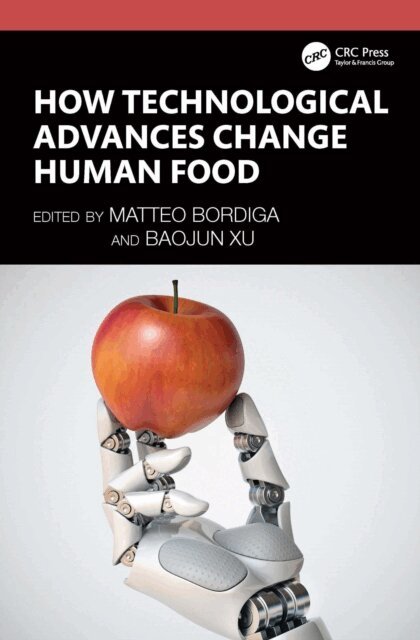
How Technological Advances Change Human Food
E-bok, 2025
3428 kr
Lägg i varukorg
Diet is key to understanding the past, present, and future of our species. Much of human evolutionary success can be attributed to our ability to consume and preserve a wide range of foods. Technological advances changed the types of foods we eat. With this consideration, this book weaves together …
How Technological Advances Change Human Food
E-bok, 2025
3354 kr
Lägg i varukorg
Diet is key to understanding the past, present, and future of our species. Much of human evolutionary success can be attributed to our ability to consume and preserve a wide range of foods. Technological advances changed the types of foods we eat. With this consideration, this book weaves together …
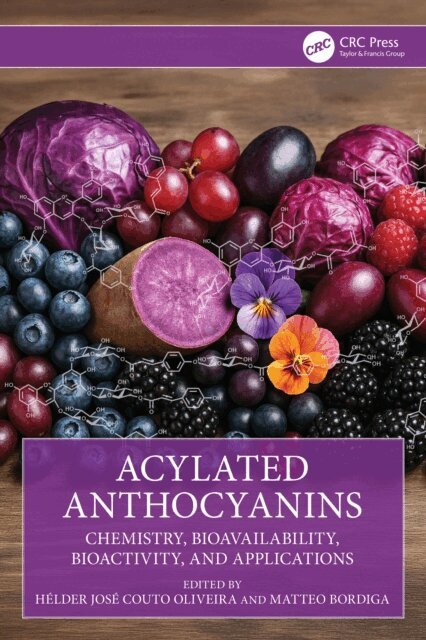
Acylated Anthocyanins
Chemistry, Bioavailability, Bioactivity, and Applications
Av Matteo Bordiga, Helder Jose Couto Oliveira
E-bok, 2026
2558 kr
Lägg i varukorg
Anthocyanins esterified with one or more acid groups are known as acylated anthocyanins, which exhibit higher stability and antioxidant activity compared to nonacylated ones and are of interest to the food and beverage industry. It is known that the structural differences among anthocyanins will …
Acylated Anthocyanins
Chemistry, Bioavailability, Bioactivity, and Applications
Av Matteo Bordiga, Helder Jose Couto Oliveira
E-bok, 2026
2558 kr
Lägg i varukorg
Anthocyanins esterified with one or more acid groups are known as acylated anthocyanins, which exhibit higher stability and antioxidant activity compared to nonacylated ones and are of interest to the food and beverage industry. It is known that the structural differences among anthocyanins will …
Food Aroma Evolution
During Food Processing, Cooking, and Aging
Av Matteo Bordiga, Leo M.L. Nollet
Inbunden, 2019
3781 kr
Lägg i varukorg
Of the five senses, smell is the most direct and food aromas are the key drivers of our flavor experience. They are crucial for the synergy of food and drinks. Up to 80% of what we call taste is actually aroma. Food Aroma Evolution: During Food Processing, Cooking, and Aging focuses on the …
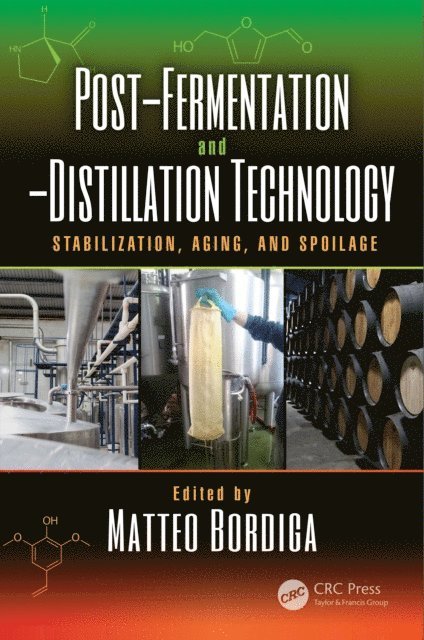
Post-Fermentation and -Distillation Technology
Stabilization, Aging, and Spoilage
E-bok, 2017
3428 kr
Lägg i varukorg
While most wine and spirits books focus on vineyard and crop management or fermentation and distillation processes, few address critical post process aspects of stabilization, aging, and spoilage. This book serves as a comprehensive source of information on post-fermentation and -distillation …
Post-Fermentation and -Distillation Technology
Stabilization, Aging, and Spoilage
Inbunden, 2018
3055 kr
Lägg i varukorg
While most wine and spirits books focus on vineyard and crop management or fermentation and distillation processes, few address critical post process aspects of stabilization, aging, and spoilage. This book serves as a comprehensive source of information on post-fermentation and -distillation …
Post-Fermentation and -Distillation Technology
Stabilization, Aging, and Spoilage
E-bok, 2017
3428 kr
Lägg i varukorg
While most wine and spirits books focus on vineyard and crop management or fermentation and distillation processes, few address critical post process aspects of stabilization, aging, and spoilage. This book serves as a comprehensive source of information on post-fermentation and -distillation …