1 479 kr
Skickas inom 10-15 vardagar
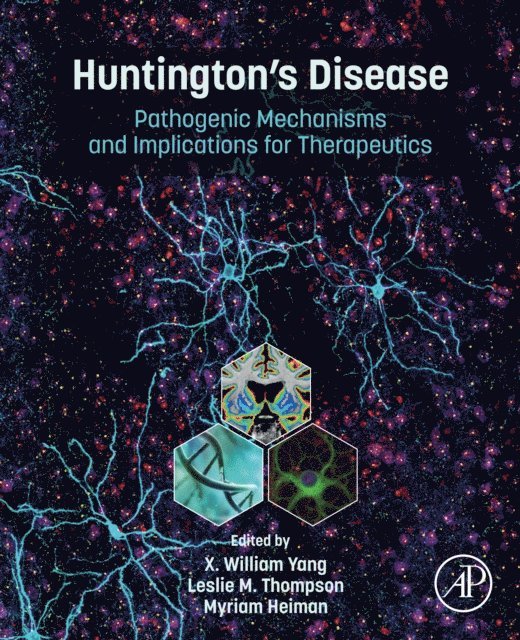
Huntington's disease (HD) is one of the most common dominantly inherited neurodegenerative disorders, characterized by a clinical triad of movement disorder, cognitive deficits, and psychiatric symptoms. Huntington’s Disease: Pathogenic Mechanisms and Implications for Therapeutics reviews the most up-do-date content on HD pathogenic mechanisms and cutting-edge thinking on therapeutic strategies for HD. Chapters explore areas that include the clinical features and genetic studies of HD, the cellular and molecular biology of normal huntingtin, a range of HD models, the diverse pathogenic mechanisms linked to mutant huntingtin, new approaches to HD pathogenesis, as well as emerging preclinical therapeutic approaches and clinical programs in the field.
Reviews the clinical course and genetics of HDReviews the biology of human huntingtin and HD-relevant cell typesReviews the wide range of pathobiology associated with mutant huntingtinReviews genetic studies of HD and how these studies are informing the development of new therapeutic approachesReviews new tools and model systems for basic and translational research in HD, including new human-derived model systems, as well as systems biology and artificial intelligence-driven approachesProvides an overview of new therapeutic approaches and current clinical programs in HD