Liliana Ruth Feierstein – författare
Visar alla böcker från författaren . Handla med fri frakt och snabb leverans.
6 produkter
6 produkter
Inbunden, Engelska, 2023
1 455 kr
Skickas inom 5-8 vardagar
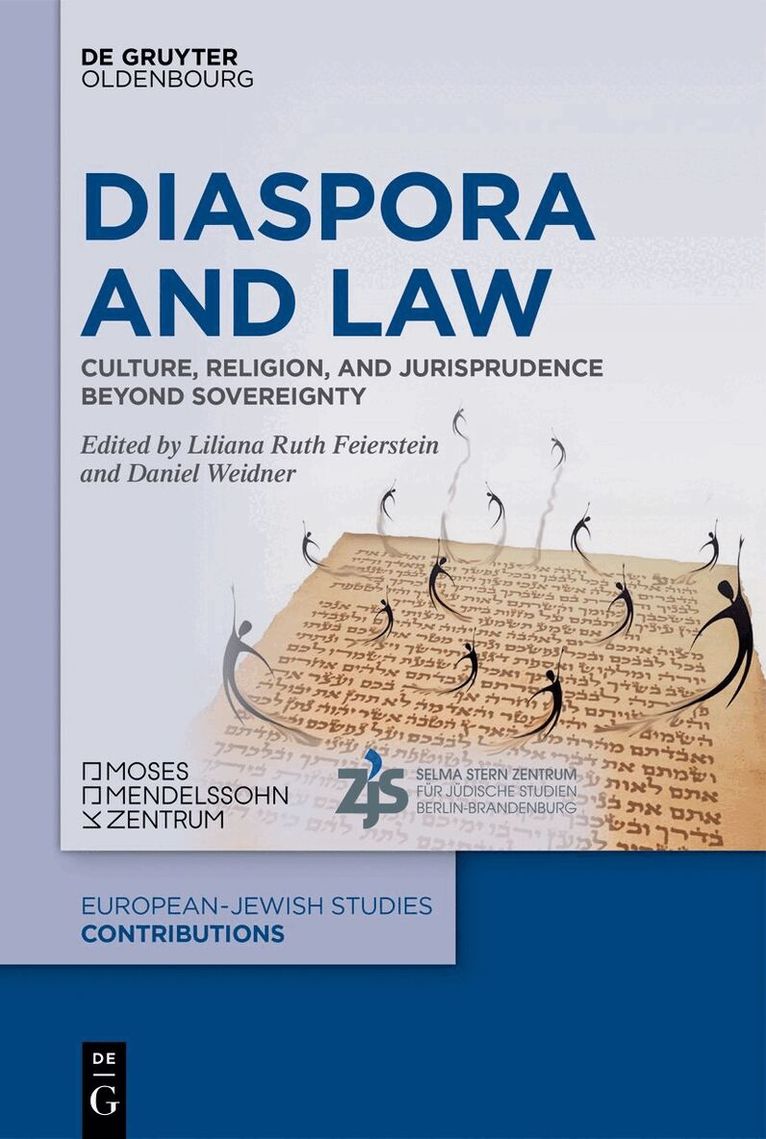
Today, law is no longer homogenous or unquestioned. Different overlapping legal systems constantly interfere with one another, both on an international level, in complex transnational contexts such as the European Union or human rights law, but also in the context of cultural diversity or conflicts between religious norms and civil institutions, between minorities and the power of the state. On the other hand, the neutrality of law is also under growing pressure, be it from different global transnational players, or from within nation states where calls are made to adapt law to the will of "the people." The heated European debate on the "refugee crisis" has made it manifest that law is more necessary than ever and yet fundamentally contested, perhaps even caught in contradictions and self-limitations. At the same time, the current perspective on legal problems allows us to address issues of diversity and the role of Europe in the globalized world more clearly. The articles of this book take these recent developments and debates as a starting point to discuss from the perspective of different disciplines the pressing question of how to live together in the new millennium and how to figure the long history of law before, besides, and after the dominant paradigm of state law.
E-bok
PDF, Engelska, 20231 419 kr
Läs direkt efter köp
Today, law is no longer homogenous or unquestioned. Different overlapping legal systems constantly interfere with one another, both on an international level, in complex transnational contexts such as the European Union or human rights law, but also in the context of cultural diversity or conflicts between religious norms and civil institutions, between minorities and the power of the state. On the other hand, the neutrality of law is also under growing pressure, be it from different global transnational players, or from within nation states where calls are made to adapt law to the will of "the people." The heated European debate on the "refugee crisis" has made it manifest that law is more necessary than ever and yet fundamentally contested, perhaps even caught in contradictions and self-limitations. At the same time, the current perspective on legal problems allows us to address issues of diversity and the role of Europe in the globalized world more clearly. The articles of this book take these recent developments and debates as a starting point to discuss from the perspective of different disciplines the pressing question of how to live together in the new millennium and how to figure the long history of law before, besides, and after the dominant paradigm of state law.
E-bok
Engelska, 20231 419 kr
Läs direkt efter köp
Today, law is no longer homogenous or unquestioned. Different overlapping legal systems constantly interfere with one another, both on an international level, in complex transnational contexts such as the European Union or human rights law, but also in the context of cultural diversity or conflicts between religious norms and civil institutions, between minorities and the power of the state. On the other hand, the neutrality of law is also under growing pressure, be it from different global transnational players, or from within nation states where calls are made to adapt law to the will of "the people." The heated European debate on the "refugee crisis" has made it manifest that law is more necessary than ever and yet fundamentally contested, perhaps even caught in contradictions and self-limitations. At the same time, the current perspective on legal problems allows us to address issues of diversity and the role of Europe in the globalized world more clearly. The articles of this book take these recent developments and debates as a starting point to discuss from the perspective of different disciplines the pressing question of how to live together in the new millennium and how to figure the long history of law before, besides, and after the dominant paradigm of state law.
Inbunden, Tyska, 2026
1 457 kr
Skickas inom 3-6 vardagar
E-bok
PDF, Franska, 2013420 kr
Läs direkt efter köp
Cette collection d''articles sur des régions géographiquement et culturellement éloignées comme le sont l''Afrique et l''Amérique Latine, propose de les rapprocher à travers une perspective qui prend en compte les expériences de la (post-)colonisation établissant des parallèles parfois surprenants. Les contributions à ce volume ouvrent des réflexions sur la construction de l''enfance et de la jeunesse dans les systèmes éducatifs, politiques et culturels à partir d''exemples concrets analysés dans des perspectives anthropologiques, juridiques, littéraires et médiatiques. Un paradoxe fondamental se trouve dans l''opposition entre une idée romantique de l''enfance promesse d''espoir et gage d''avenir et l''idée d''instrumentalisation des enfants et des jeunes dans un contexte de violence difficilement assumé par les sociétés respectives.Esta compilación de trabajos sobre regiones geográfica y culturalmente alejadas, como son África y América Latina, las acerca a través de una mirada que toma en cuenta las historias de la colonizaciones y las experiencias postcoloniales con sus sorprendentes paralelismos. Se reúnen así contribuciones que proporcionan indicios para la reflexión sobre la construcción de los conceptos de infancia y juventud en el seno de los sistemas educativos, políticos y culturales, a partir de ejemplos analizados desde diversas perspectivas disciplinarias (antropológicas, jurídicas, literarias y mediáticas). Los escritos están atravesados por la contradicción entre una idea romántica de la infancia portadora de todas las esperanzas y del futuro; y una noción que instrumentaliza y marginaliza a niños y jóvenes, como portadores de una violencia que dificilmente puede ser asumida e integrada en las respectivas sociedades.
E-bok
Spanska, 2024248 kr
Läs direkt efter köp
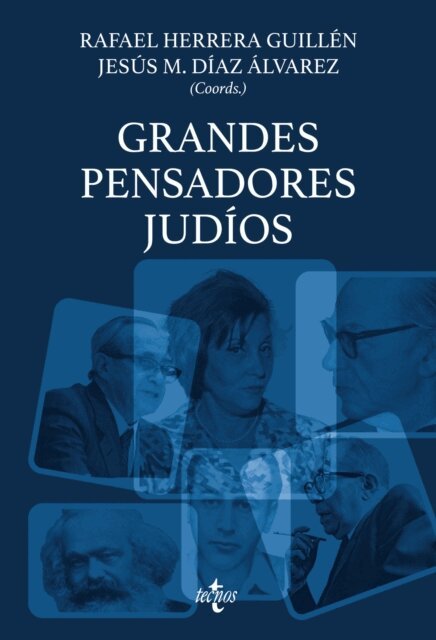
¿Existe una "filosofía judía" o un pensamiento que pueda caracterizarse como "judío"? Este volumen da cuenta de una serie de pensadores, cuya vinculación con el judaísmo, a pesar de su origen judío, no es clara, a veces es ambigua y, en ocasiones, incluso es de rechazo. Los especialistas que participan en este volumen proceden de diferentes países (España, Italia, Alemania, Argentina) pero todos comparten una visión abierta de la filosofía no siempre estrictamente académica. Esto ha permitido construir un libro orgánico y a la vez plural redactado con un objetivo común a todos los capítulos: dar cuenta del pensamiento de cada autor, por supuesto, pero incidiendo siempre en la relación con los elementos judíos que los configuran. De este modo, el lector podrá comprender tanto las principales ideas de cada filósofo judío como la importancia que lo judío ha tenido en su pensamiento. Al final, cada lector, estará en condiciones de responder a la pregunta de si se puede afirmar que existe o no existe una filosofía "judía". La cuestión sigue abierta. Este volumen sólo es un peldaño en la larga escalera que, como la de Jacob, ha de llevarnos hacia el conocimiento.