Linda Theron - Böcker
Visar alla böcker från författaren Linda Theron. Handla med fri frakt och snabb leverans.
3 produkter
3 produkter
650 kr
Kommande
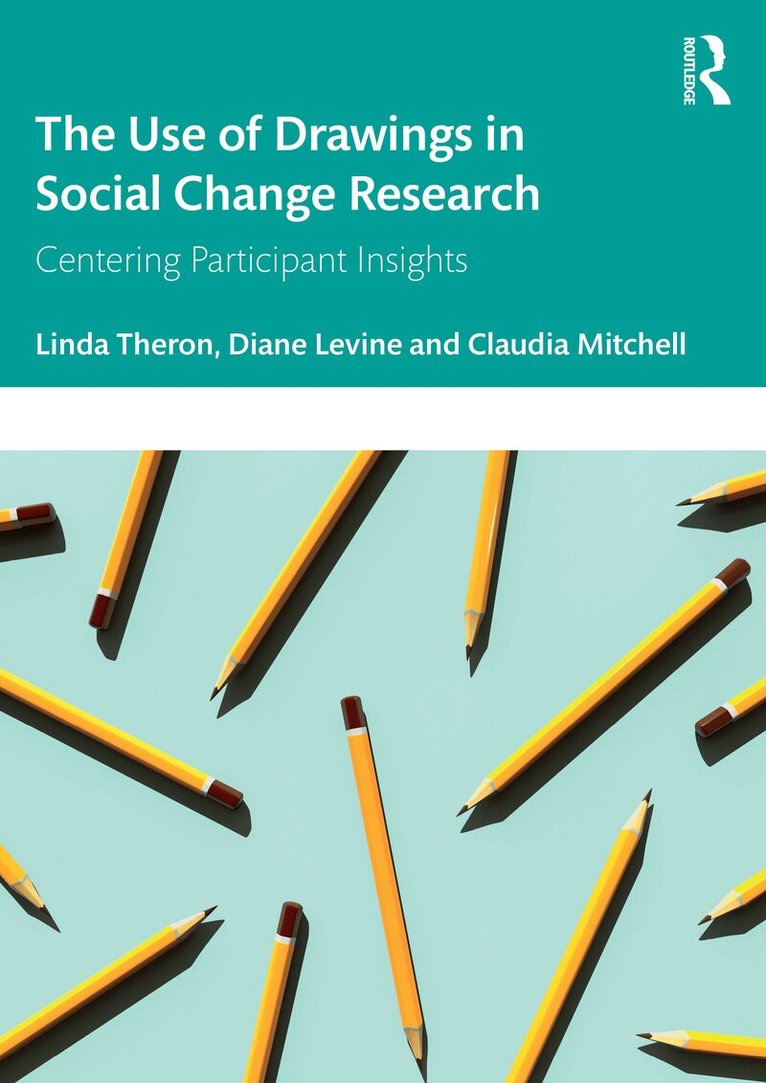
The Use of Drawings in Social Change Research is a practice-oriented guide to draw-and-write and draw-and-talk methods in qualitative research. It offers a clear, structured account of how drawing, paired with participant explanation, can be used to generate and interpret visual–narrative data in research concerned with social change. Grounded in applied work, the book demonstrates how these methods operate across diverse social, cultural, and institutional settings. The book provides step-by-step guidance on designing prompts, supporting participants, and analysing drawings alongside written or spoken accounts. It addresses ethical questions of consent, power, language, and dissemination, equipping readers to work responsibly with visual material. Contributions from scholars working internationally show how drawing practices can surface nuanced accounts of lived experience across age groups, disciplines, and research aims. The final section extends the methodology into emerging areas, including creative and embodied approaches, comics-based research, and AI-supported practices. This book is written for researchers, practitioners, and postgraduate students engaged in qualitative, arts-based, participatory, educational, health, or child-centred research, particularly those working on issues of social justice and social change.
2 325 kr
Kommande
The Use of Drawings in Social Change Research is a practice-oriented guide to draw-and-write and draw-and-talk methods in qualitative research. It offers a clear, structured account of how drawing, paired with participant explanation, can be used to generate and interpret visual–narrative data in research concerned with social change. Grounded in applied work, the book demonstrates how these methods operate across diverse social, cultural, and institutional settings. The book provides step-by-step guidance on designing prompts, supporting participants, and analysing drawings alongside written or spoken accounts. It addresses ethical questions of consent, power, language, and dissemination, equipping readers to work responsibly with visual material. Contributions from scholars working internationally show how drawing practices can surface nuanced accounts of lived experience across age groups, disciplines, and research aims. The final section extends the methodology into emerging areas, including creative and embodied approaches, comics-based research, and AI-supported practices. This book is written for researchers, practitioners, and postgraduate students engaged in qualitative, arts-based, participatory, educational, health, or child-centred research, particularly those working on issues of social justice and social change.
1 226 kr
Skickas inom 3-6 vardagar
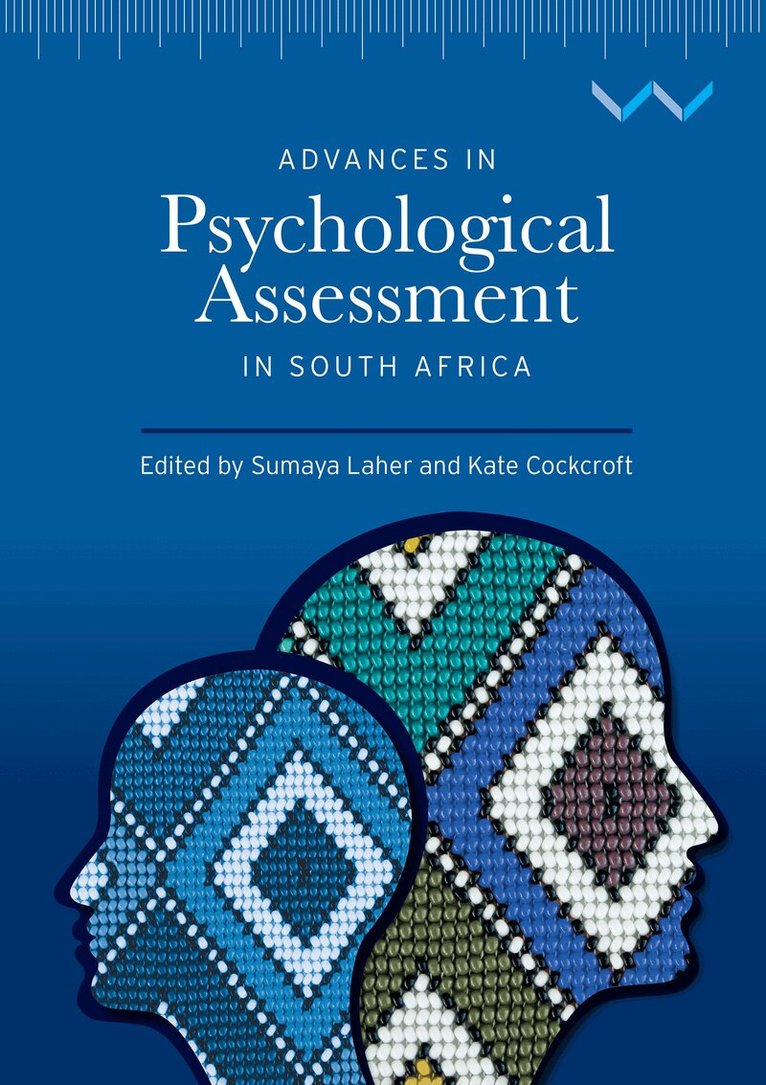
Advances in Psychological Assessment in South Africa provides a detailed, practical and critical appraisal of the evolution of psychological testing since the publication of Psychological Assessment in South Africa: Research and Applications (2013). Editors Laher and Cockcroft once again bring together practitioners and researchers to explore new tools and methods used to evaluate mental processes and behaviours in South Africa’s unique and diverse contexts.The book covers a wide range of psychological domains, including cognitive abilities, personality traits, vocational interests and neuropsychological functions. It examines established testing methods while introducing innovative approaches, technology-driven tools and artificial intelligence-based assessments. These advancements allow for more efficient, accurate, and accessible testing, which is critical given the varied educational, cultural and linguistic backgrounds of South Africans.The country’s diversity presents both opportunities and challenges for psychological assessment. Tests must be relevant to local languages, cultures, and social realities to ensure fairness and accuracy. The book highlights efforts to develop and refine tests that reflect these needs, addressing practical issues like accessibility and ethical concerns in the aftermath of apartheid.Written for practitioners, researchers, educators, and students, the book serves as both a reflection on progress and a guide for the future. It showcases how far South Africa has come in creating reliable, culturally sensitive assessments and points to emerging trends, like the integration of Artificial Intelligence to personalise and streamline testing processes. This makes it a valuable resource for those within and beyond South Africa who are interested in understanding how psychological tools can be applied in diverse settings.