Ling-Zhi Cheong - Böcker
1 678 kr
Skickas inom 7-10 vardagar
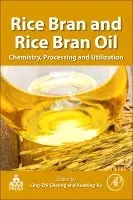
Rice Bran and Rice Bran Oil (RBO) provides much-needed best practices on the science and technology of RBO, including the chemistry, dectection methods, nutrition (including the effect of processing technologies on micronutrients) and applications. RBO contains many nutritional components, including up to 2% oryzanol, tocotrienol, and phytosterols. In addition, the fatty acid composition is well balanced with mainly oleic acid and very little linolenic acid, which allows for versatile uses in frying, cooking, and in formulating oil blends for food uses, especially as a trans-free alternative. Many food industrial sectors are seeking possibilities to use RBO in their products from not only Asia and South America, but also Europe and North America. However, there are many processing, analytical, and nutritional considerations that must be documented in one resource. This volume is perfect for those interested in understanding the many emerging potential uses for this alternative oil.
Written by a team of experts from academia and industry, this book is the first of its kind. In addition, it provides an overview of related rice bran products and their development, including:
. Rice bran protein. Rice dietary fiber. Dietary rice bran/meal. Rice husk/ash applications. Paddy straw applications. Valued added products, including rice bran wax
Delivers practical application guidance in the selection and storage of raw materials, ensuring processing conditions address stability concerns during production Presents simple and reliable detection methods, as well as the international and national rice bran oil standards Provides core scientific insights into this trans-free oil option1 483 kr
Skickas inom 7-10 vardagar
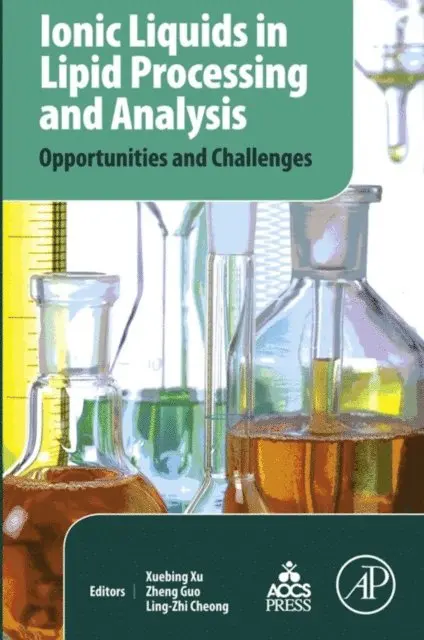
This book serves as a reference for those interested in state-of-the-art research on the science and technology of ionic liquids (ILs), particularly in relation to lipids processing and analysis. Topics include a review of the chemistry and physics of ILs as well as a quantitative understanding of structure-activity relationships at the molecular level. Further, chapter authors examine the molecular basis of the toxicity of ILs, the prediction of the properties of ILs, and the rationale and steps toward a priori design of ionic liquids for task-defined applications.
Emerging research in developing lipid-inspired ILs and their prospective use in drug formulation is described. Among the highlights are the latest advances in IL-mediated biocatalysis and biotransformation, along with lipase production, purification, and activation.
Reviews the state-of-the-art applications of ionic liquids in lipid processing and relevant areas from a variety of perspectives Summarizes the latest advances in the measurement of the physical and chemical properties of ionic liquids�and available databases of thermodynamic property datapoints Presents the tremendous opportunities provided�and challenges faced�from ionic liquids as a newly emerging technology for lipids processing area