
Lisabeth Hock – författare
Visar alla böcker från författaren Lisabeth Hock. Handla med fri frakt och snabb leverans.
3 produkter
3 produkter
968 kr
Skickas inom 5-8 vardagar
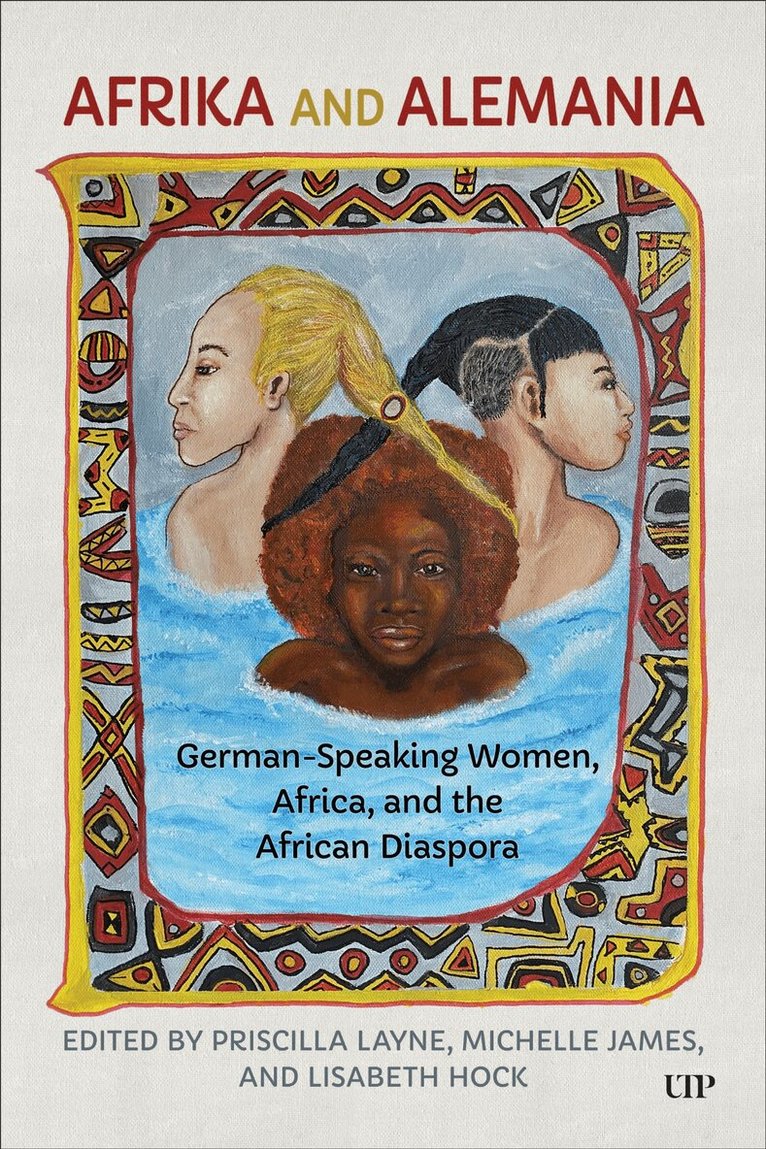
Afrika and Alemania explores the representation of Blackness in German-speaking literary, autobiographical, and cinematic texts across two centuries. By examining how different groups of women with access to German culture have depicted Africa, Africans, and the African diaspora, the book challenges the assumption that all women will tell the same story. Focusing on Black women, non-Black women of colour, and white women, it investigates how these diverse voices engage with and represent Blackness within a society shaped by racial hierarchies. Part I analyses how Black, German-speaking women actively reshape and redefine Blackness in response to stereotypes upheld by white German society. Part II explores how non-Black women of colour navigate the complexities of othering while sometimes reproducing anti-Black stereotypes, while Part III discusses how white women’s projections of fantasies about Africa often erase Black voices and render them invisible. Offering a nuanced analysis of the intersections of race, gender, ethnicity, and nationality, Afrika and Alemania provides a vital framework for understanding Blackness within contemporary scholarship and its broader social and cultural implications.
419 kr
Skickas inom 5-8 vardagar
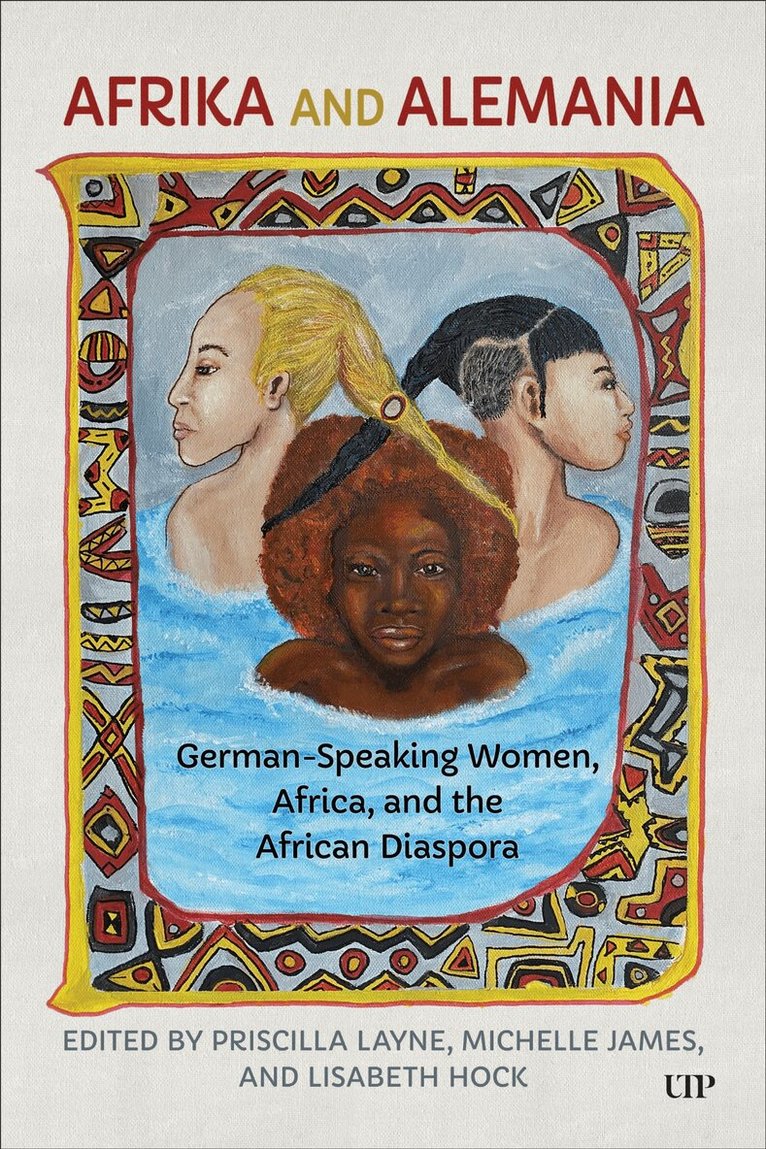
Afrika and Alemania explores the representation of Blackness in German-speaking literary, autobiographical, and cinematic texts across two centuries. By examining how different groups of women with access to German culture have depicted Africa, Africans, and the African diaspora, the book challenges the assumption that all women will tell the same story. Focusing on Black women, non-Black women of colour, and white women, it investigates how these diverse voices engage with and represent Blackness within a society shaped by racial hierarchies. Part I analyses how Black, German-speaking women actively reshape and redefine Blackness in response to stereotypes upheld by white German society. Part II explores how non-Black women of colour navigate the complexities of othering while sometimes reproducing anti-Black stereotypes, while Part III discusses how white women’s projections of fantasies about Africa often erase Black voices and render them invisible. Offering a nuanced analysis of the intersections of race, gender, ethnicity, and nationality, Afrika and Alemania provides a vital framework for understanding Blackness within contemporary scholarship and its broader social and cultural implications.
Del 268 - Studies in German Literature Linguistics and Culture
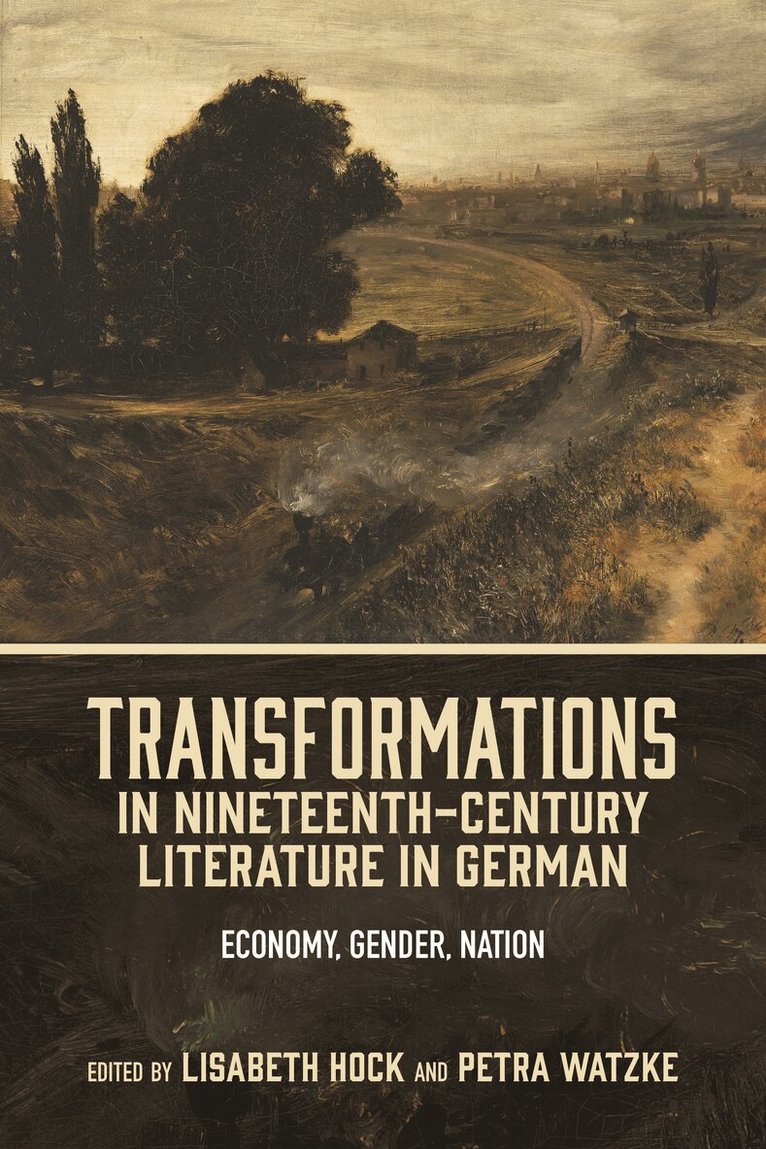
Transformations in Nineteenth-Century Literature in German
Economy, Gender, Nation
Inbunden, Engelska, 2026
1 514 kr
Kommande
Charts developments in nineteenth-century literature in German corresponding to burgeoning capitalism, significant increases in women's participation in society outside the home, and a proliferation of transnational encounters.The nineteenth century was a turbulent period in the German-speaking territories. Until 1806, most belonged to the Holy Roman Empire, comprising roughly 300 individual states. By 1900, the region had consolidated into Germany, Austria, and Switzerland. Germany itself had become an empire, marked by a strong sense of national identity and overseas colonies in Africa and Oceania. These momentous geopolitical shifts were accompanied by industrial, social, and economic transformations that affected all aspects of life.Changes that both resulted from and fed into these geopolitical developments included the burgeoning of the capitalist marketplace and material culture, a great increase in women's participation in society beyond the domestic sphere, and a proliferation of transnational encounters. This volume's essays explore these three areas of multidirectional influence in literary works, popular serials, and travel writing. Their topics range from material culture in Annette von Droste-Hülshoff's 1842 novella Die Judenbuche to branding in the popular periodical Die Gartenlaube and to the relationship of women's agency to animals in Marie von Ebner-Eschenbach's 1890 novel Unsühnbar, from girl's novels of the 1880s and 90s to melancholy and menopause in the work of Hedwig Dohm, and finally to transnational factors in works by Johann Christoph Biernatzki, Balduin Möllhausen, Julius Stinde, and, in a comparative vein, Adalbert Stifter and Willa Cather.