Liselotte Odgaard – författare
Visar alla böcker från författaren Liselotte Odgaard. Handla med fri frakt och snabb leverans.
17 produkter
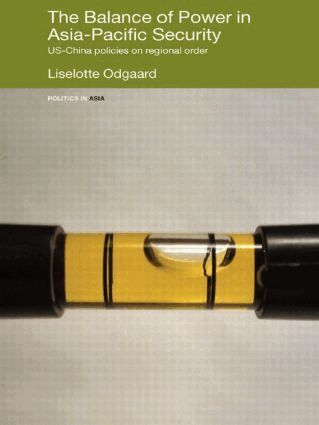
Balance of Power in Asia-Pacific Security
US-China Policies on Regional Order
Inbunden, 2007
1520 kr
Lägg i varukorg
Investigating the dynamics of balancing patterns in the Asia-Pacific, this book focuses particularly on the contribution of great powers and middle powers to regional stability. Taking the US and China as great powers, and using ASEAN, Russia, Australia and South Korea as example of middle powers, …
Balance of Power in Asia-Pacific Security
US-China Policies on Regional Order
Häftad, 2009
574 kr
Lägg i varukorg
Investigating the dynamics of balancing patterns in the Asia-Pacific, this book focuses particularly on the contribution of great powers and middle powers to regional stability. Taking the US and China as great powers, and using ASEAN, Russia, Australia and South Korea as example of middle powers, …
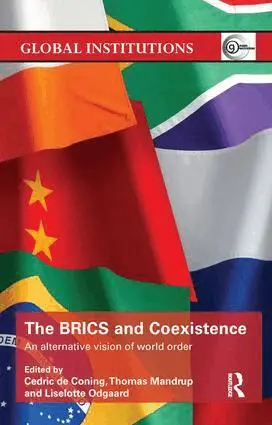
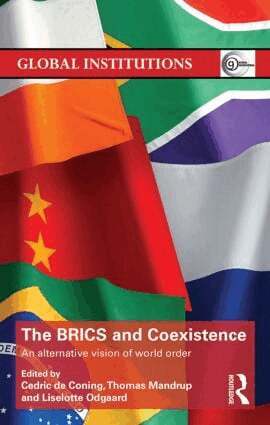
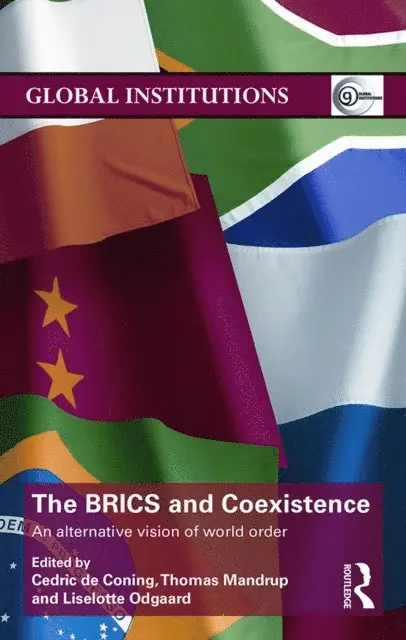
BRICS and Coexistence
An Alternative Vision of World Order
Av Cedric de Coning, Thomas Mandrup m. fl.
Häftad, 2016
647 kr
Lägg i varukorg
The grouping consisting of Brazil, Russia, India and China (BRIC) was initially meant to be nothing more than clever investment jargon referring to the largest and most attractive emerging economies. However, these countries identified with the BRIC concept, and started to meet annually as a group …
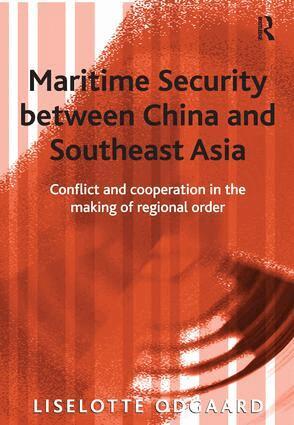
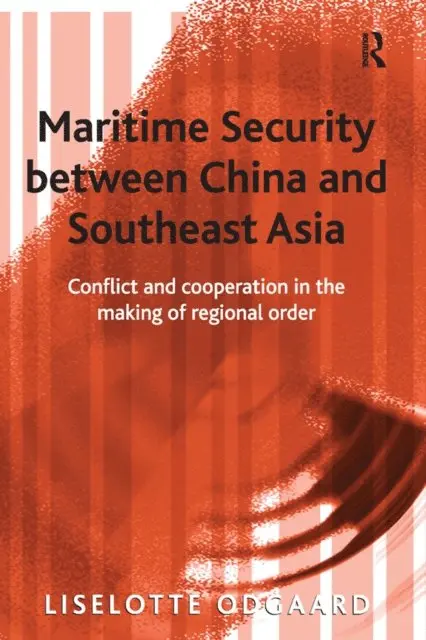
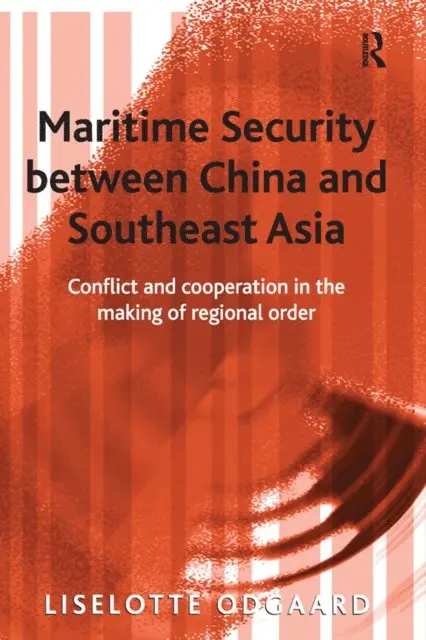
Maritime Security between China and Southeast Asia
Conflict and Cooperation in the Making of Regional Order
Inbunden, 2002
2513 kr
Lägg i varukorg
Arguing that security relations between China and Southeast Asia are profoundly affected by disputes over maritime space and territory in the South China Sea, the author demonstrates that the primacy of strategic competition over strategic partnerships promotes the emergence of a structure of …
Balance of Power in Asia-Pacific Security
US-China Policies on Regional Order
E-bok, 2007
676 kr
Lägg i varukorg
Investigating the dynamics of balancing patterns in the Asia-Pacific, this book focuses particularly on the contribution of great powers and middle powers to regional stability. Taking the US and China as great powers, and using ASEAN, Russia, Australia and South Korea as example of middle powers, …
Balance of Power in Asia-Pacific Security
US-China Policies on Regional Order
E-bok, 2007
676 kr
Lägg i varukorg
Investigating the dynamics of balancing patterns in the Asia-Pacific, this book focuses particularly on the contribution of great powers and middle powers to regional stability. Taking the US and China as great powers, and using ASEAN, Russia, Australia and South Korea as example of middle powers, …
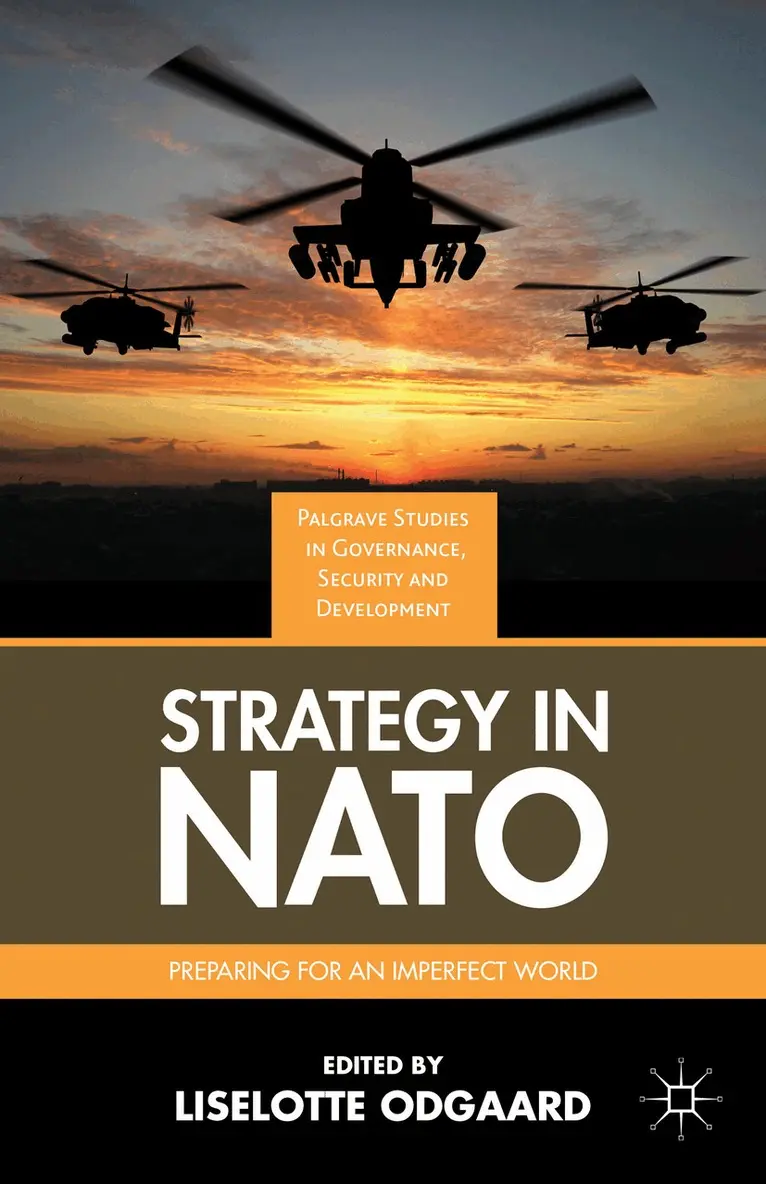
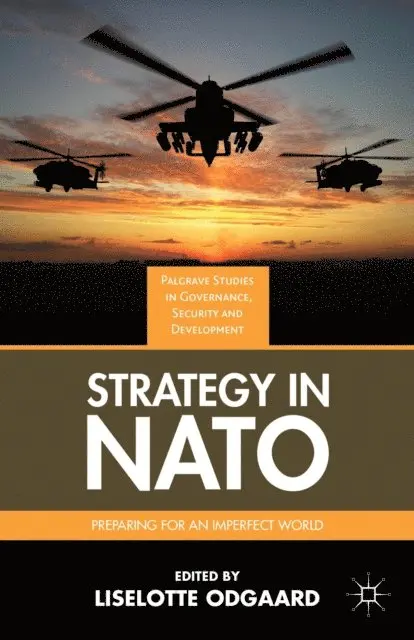
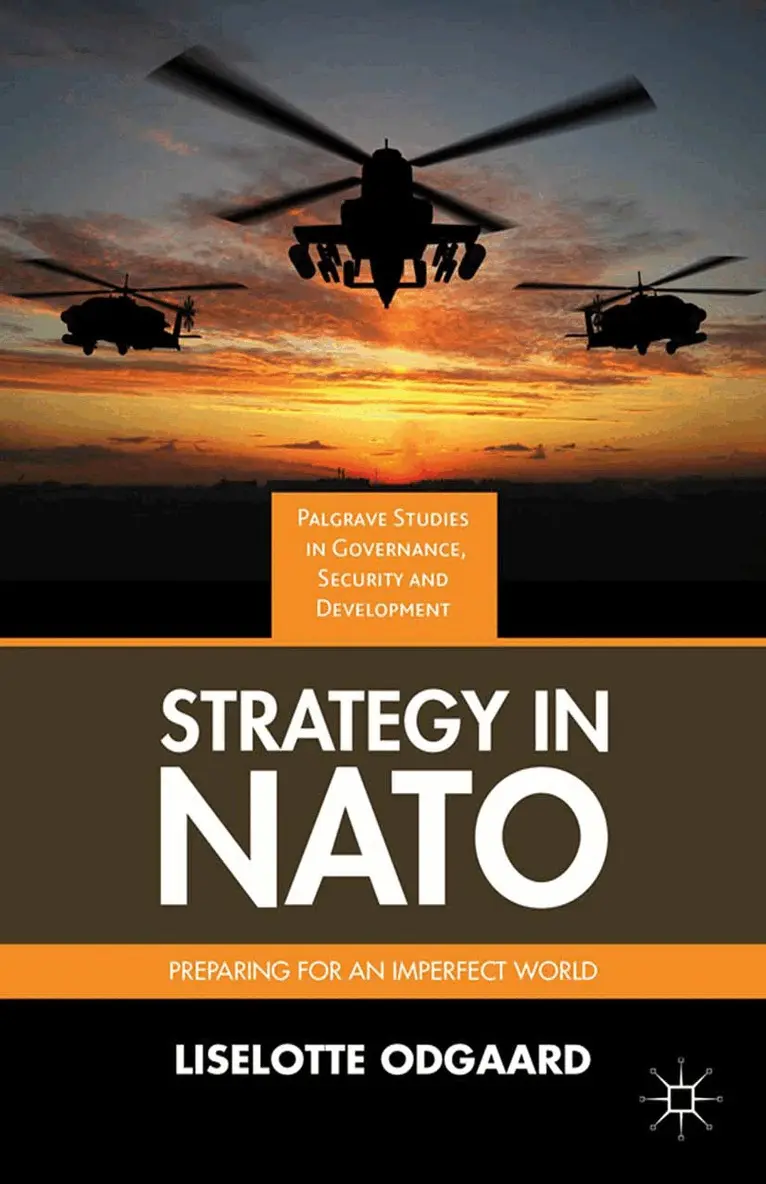
Strategy in NATO
Preparing for an Imperfect World
Av Liselotte Odgaard, Liselotte Odgaard
Inbunden, 2014
550 kr
Lägg i varukorg
This edited volume addresses the challenges and opportunities facing NATO post-2014, applying an original approach to strategy that will produce fresh insights into this hot topic within the international security community.
Strategy in NATO
Preparing for an Imperfect World
E-bok, 2014
763 kr
Lägg i varukorg
This edited volume addresses the challenges and opportunities facing NATO post-2014, applying an original approach to strategy that will produce fresh insights into this hot topic within the international security community.
China's Security
Av Liselotte Odgaard, Mathieu Duchâtel
2018
19463 kr
Lägg i varukorg
Chinese security has become a key focus after the Cold War. In just a few decades, China has gone from an obscure position as a closed communist developing country with little integration into international institutions over being designated a prospective strategic partner of the United States to …
Maritime Security between China and Southeast Asia
Conflict and Cooperation in the Making of Regional Order
Häftad, 2016
851 kr
Lägg i varukorg
Arguing that security relations between China and Southeast Asia are profoundly affected by disputes over maritime space and territory in the South China Sea, the author demonstrates that the primacy of strategic competition over strategic partnerships promotes the emergence of a structure of …
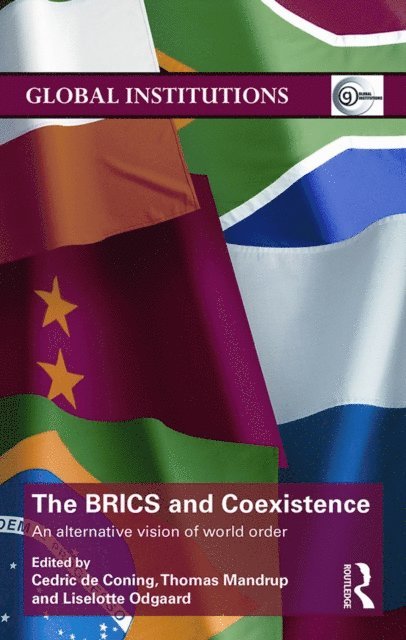
BRICS and Coexistence
An Alternative Vision of World Order
Av Cedric de Coning, Thomas Mandrup m. fl.
Inbunden, 2014
2585 kr
Lägg i varukorg
The grouping consisting of Brazil, Russia, India and China (BRIC) was initially meant to be nothing more than clever investment jargon referring to the largest and most attractive emerging economies. However, these countries identified with the BRIC concept, and started to meet annually as a group …
BRICS and Coexistence
An Alternative Vision of World Order
Av Liselotte Odgaard, Thomas Mandrup m. fl.
E-bok, 2014
762 kr
Lägg i varukorg
The grouping consisting of Brazil, Russia, India and China (BRIC) was initially meant to be nothing more than clever investment jargon referring to the largest and most attractive emerging economies. However, these countries identified with the BRIC concept, and started to meet annually as a group …
BRICS and Coexistence
An Alternative Vision of World Order
Av Liselotte Odgaard, Thomas Mandrup m. fl.
E-bok, 2014
746 kr
Lägg i varukorg
The grouping consisting of Brazil, Russia, India and China (BRIC) was initially meant to be nothing more than clever investment jargon referring to the largest and most attractive emerging economies. However, these countries identified with the BRIC concept, and started to meet annually as a group …
Strategy in NATO
Preparing for an Imperfect World
Häftad, 2014
550 kr
Lägg i varukorg
This edited volume addresses the challenges and opportunities facing NATO post-2014, applying an original approach to strategy that will produce fresh insights into this hot topic within the international security community.
Maritime Security between China and Southeast Asia
Conflict and Cooperation in the Making of Regional Order
E-bok, 2017
1004 kr
Lägg i varukorg
Arguing that security relations between China and Southeast Asia are profoundly affected by disputes over maritime space and territory in the South China Sea, the author demonstrates that the primacy of strategic competition over strategic partnerships promotes the emergence of a structure of …
Maritime Security between China and Southeast Asia
Conflict and Cooperation in the Making of Regional Order
E-bok, 2017
1004 kr
Lägg i varukorg
Arguing that security relations between China and Southeast Asia are profoundly affected by disputes over maritime space and territory in the South China Sea, the author demonstrates that the primacy of strategic competition over strategic partnerships promotes the emergence of a structure of …
China and Coexistence
Beijing's National Security Strategy for the Twenty-First Century
Inbunden, 2012
443 kr
Tillfälligt slut
"Peaceful coexistence", long a key phrase in China's strategic thinking, is a constructive doctrine that offers China a path for influencing the international system. So argues Liselotte Odgaard in this timely analysis of China's national security strategy in the context of its foreign policy …