Lloyd J. Dumas – författare
Visar alla böcker från författaren Lloyd J. Dumas. Handla med fri frakt och snabb leverans.
12 produkter
12 produkter
Häftad, Engelska, 2013
652 kr
Skickas inom 5-8 vardagar
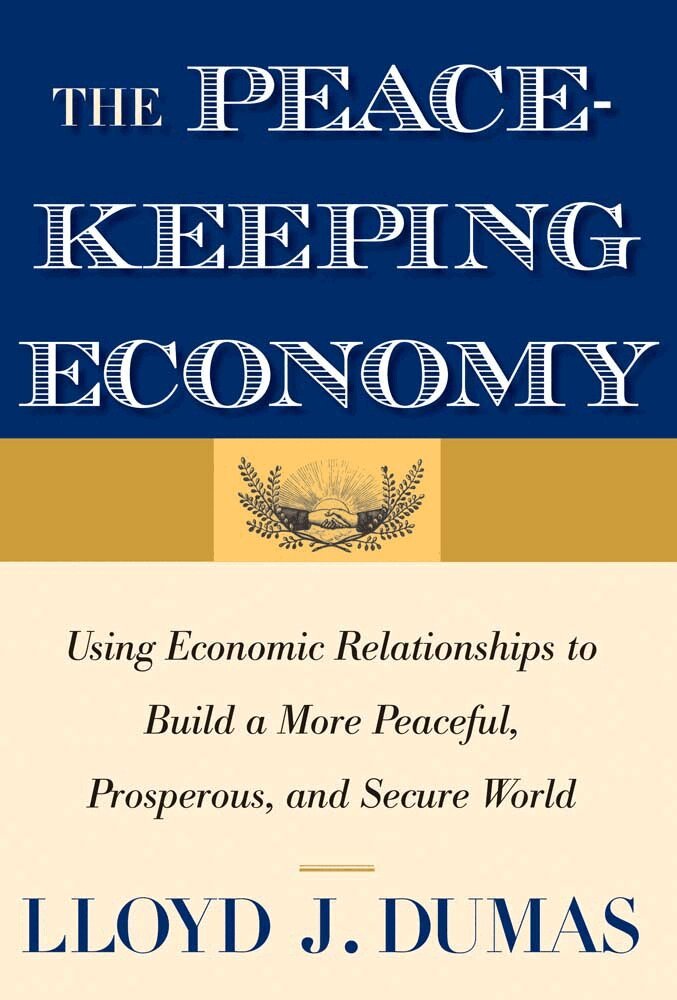
The idea that military strength is virtually synonymous with security is deeply entrenched and widely held. But while the threat or use of military force may sometimes be necessary, it cannot keep us as safe as we would be by building relationships that replace hostility with a sense of mutual purpose and mutual gain. Economic relationships, says Lloyd J. Dumas, can offer a far more effective, and far less costly, means of maintaining security. After defining the right kind of economic relationship—one that is balanced and nonexploitative, emphasizes development, and minimizes environmental damage—Dumas then addresses some practical concerns in establishing and maintaining these relationships. He also considers the practical problems of the transition from military-based security arrangements to "economic peacekeeping," and the effects of demilitarized security on economic development and prosperity.
Inbunden, Engelska, 2010
824 kr
Skickas inom 10-15 vardagar
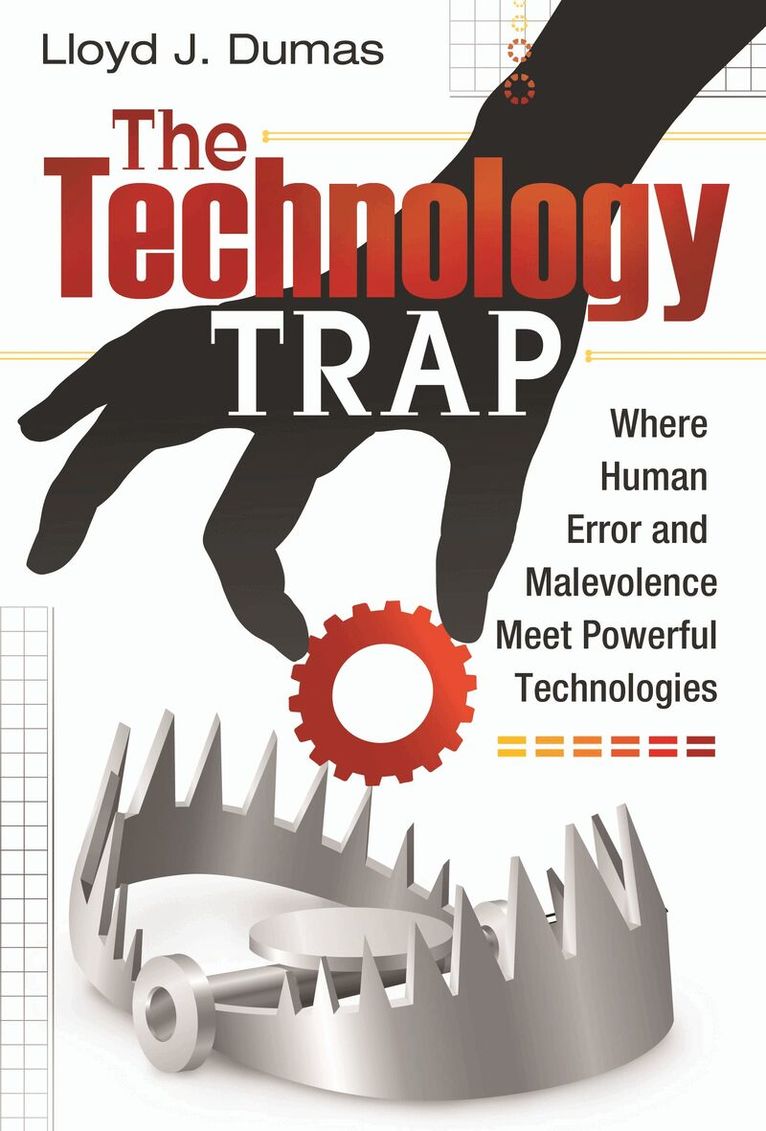
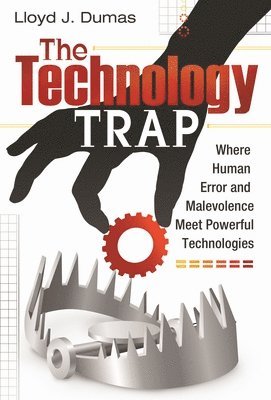
In this eye-opening book, author Lloyd J. Dumas argues that our capacity for developing ever more powerful technologies and the unavoidable fallibility of both machine and man will lead us towards a disaster of an unprecedented scale.Most of us assume that those in charge can always find a way to control any technology mankind creates, no matter how powerful. But in a world of imperfect human beings who are prone to error, emotion, and sometimes to malevolent behavior, this could be an arrogant—and disastrous—assumption. This book is filled with compelling, factual stories that illustrate how easy it is for situations to go terribly wrong, despite our best efforts to prevent any issue. The author is not advocating an anti-technology "return to nature," nor intending to highlight the marvels of our high-tech world. Instead, the objective is to reveal the potential for disaster that surrounds us in our modern world, elucidate how we arrived at this predicament, explain the nature and ubiquity of human fallibility, expose why proposed "solutions" to these Achilles heels cannot work, and suggest alternatives that could thwart human-induced technological disasters.
E-bok
PDF, Engelska, 2010497 kr
Läs direkt efter köp
In this eye-opening book, author Lloyd J. Dumas argues that our capacity for developing ever more powerful technologies and the unavoidable fallibility of both machine and man will lead us towards a disaster of an unprecedented scale.Most of us assume that those in charge can always find a way to control any technology mankind creates, no matter how powerful. But in a world of imperfect human beings who are prone to error, emotion, and sometimes to malevolent behavior, this could be an arrogant—and disastrous—assumption. This book is filled with compelling, factual stories that illustrate how easy it is for situations to go terribly wrong, despite our best efforts to prevent any issue. The author is not advocating an anti-technology "return to nature," nor intending to highlight the marvels of our high-tech world. Instead, the objective is to reveal the potential for disaster that surrounds us in our modern world, elucidate how we arrived at this predicament, explain the nature and ubiquity of human fallibility, expose why proposed "solutions" to these Achilles heels cannot work, and suggest alternatives that could thwart human-induced technological disasters.
E-bok
Engelska, 2016471 kr
Läs direkt efter köp
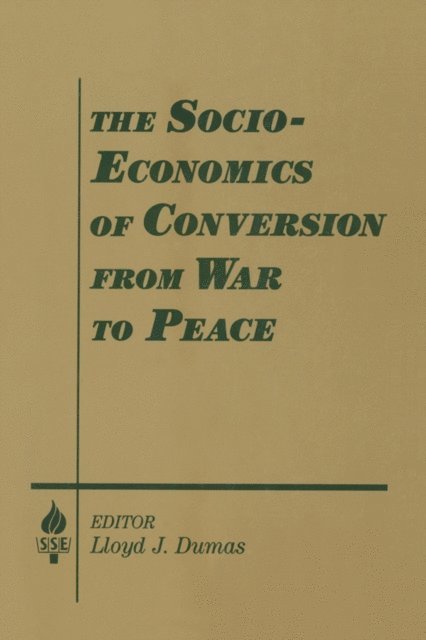
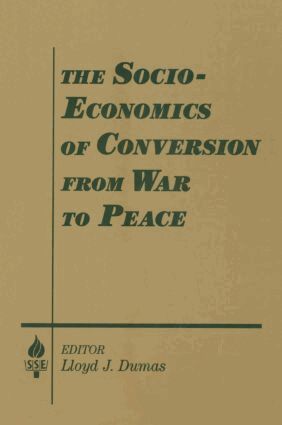
This text discusses the economic, social and political implications of redirecting labour and capital from a military-based to a post-Cold War economy.
E-bok
PDF, Engelska, 2016471 kr
Läs direkt efter köp
This text discusses the economic, social and political implications of redirecting labour and capital from a military-based to a post-Cold War economy.
Häftad, Engelska, 2010
470 kr
Skickas inom 10-15 vardagar
In this eye-opening book, author Lloyd J. Dumas argues that our capacity for developing ever more powerful technologies and the unavoidable fallibility of both machine and man will lead us towards a disaster of an unprecedented scale.Most of us assume that those in charge can always find a way to control any technology mankind creates, no matter how powerful. But in a world of imperfect human beings who are prone to error, emotion, and sometimes to malevolent behavior, this could be an arrogant—and disastrous—assumption. This book is filled with compelling, factual stories that illustrate how easy it is for situations to go terribly wrong, despite our best efforts to prevent any issue. The author is not advocating an anti-technology "return to nature," nor intending to highlight the marvels of our high-tech world. Instead, the objective is to reveal the potential for disaster that surrounds us in our modern world, elucidate how we arrived at this predicament, explain the nature and ubiquity of human fallibility, expose why proposed "solutions" to these Achilles heels cannot work, and suggest alternatives that could thwart human-induced technological disasters.Extensive footnotes are provided to support facts and figures contained in the text
E-bok
PDF, Engelska, 2014785 kr
Läs direkt efter köp
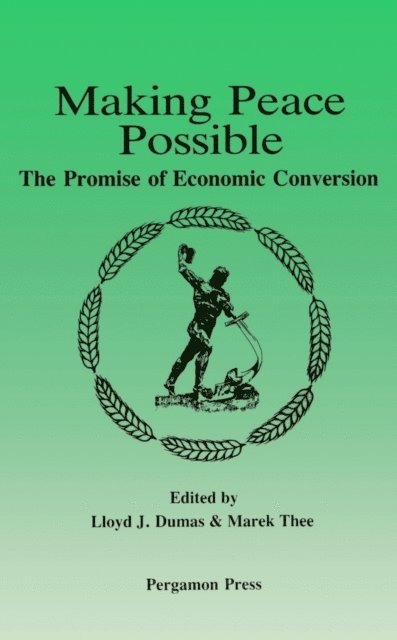
In Making Peace Possible, the editors have presented a range of papers which focus on the theory and practice of economic conversion of military-oriented industry to civilian use. The book brings together a wealth of information from academic research and from case studies undertaken by individual countries and by the United Nations. Covering such diverse topics as the relationship between the level of armament expenditure in the industrialized countries and economic aid to less developed countries, the economic impact of ever-increasing expenditure on arms, and the theory and practical experience of economic conversion projects in the US and Scandinavia, Making Peace Possible shows that economic conversion from military to civilian use can help form the basis for a more peaceful and economically stable world.
Inbunden, Engelska, 1995
2 151 kr
Skickas inom 10-15 vardagar
This text discusses the economic, social and political implications of redirecting labour and capital from a military-based to a post-Cold War economy.
Häftad, Engelska, 1995
408 kr
Skickas inom 10-15 vardagar
This text discusses the economic, social and political implications of redirecting labour and capital from a military-based to a post-Cold War economy.
E-bok
PDF, Engelska, 2019310 kr
Läs direkt efter köp
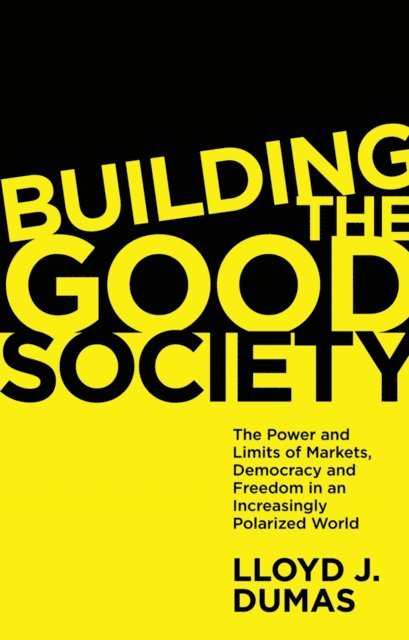
In many countries, society seems to be going off the rails. Economies are mired in widening and deepening inequality while the polity has deteriorated into a state of permanent hyper-partisan confrontation. Compromise and pragmatism seem a thing of the past. The central value of fairness has been cast aside. An individual''s freedom and prosperity increasingly appear to depend not on personal and social commitments to the fundamental institutions of market economy and political democracy, but rather on whether his or her side dominates in the struggle for power. Leading political economist Lloyd J. Dumas presents a pragmatic alternative view of a society that is capable of maximizing individual freedoms and producing sustained prosperity while preserving socially responsible behavior. In six interconnected essays, he investigates how to secure political freedom and sustainable democracy while avoiding the deliberate manipulation that produces less-than-democratic results; how to achieve equity and material abundance within the market system while avoiding the disadvantages of excessive income and wealth inequality; how to foster individual attitudes that promote progress rather than destroy the idea of individual dignity; how to shape the international organizations and institutions that will construct a solid and truly global social foundation; and how to sustain these foundations through democratic transitions. No blue sky utopian vision of idealists living in a perfect society, this book draws upon real examples from around the globe in order to outline an achievable future where ordinary, fallible human beings can overcome the most troubling limitations of democratic institutions and free market economics in order to harness their power to bring prosperity and maximize personal freedom. With chapters that collectively build a pragmatic conceptual foundation for envisioning an optimally ethical international politico-economic system, Building the Good Society is a must-read for political economists and policymakers interested in realistic, theoretically rigorous recommendations for social development. Because its chapters are digestible as standalone essays, this book is also of interest to anyone concerned with the most pressing political, economic, and social issues of the past ten years.
E-bok
Engelska, 2019310 kr
Läs direkt efter köp
In many countries, society seems to be going off the rails. Economies are mired in widening and deepening inequality while the polity has deteriorated into a state of permanent hyper-partisan confrontation. Compromise and pragmatism seem a thing of the past. The central value of fairness has been cast aside. An individual''s freedom and prosperity increasingly appear to depend not on personal and social commitments to the fundamental institutions of market economy and political democracy, but rather on whether his or her side dominates in the struggle for power. Leading political economist Lloyd J. Dumas presents a pragmatic alternative view of a society that is capable of maximizing individual freedoms and producing sustained prosperity while preserving socially responsible behavior. In six interconnected essays, he investigates how to secure political freedom and sustainable democracy while avoiding the deliberate manipulation that produces less-than-democratic results; how to achieve equity and material abundance within the market system while avoiding the disadvantages of excessive income and wealth inequality; how to foster individual attitudes that promote progress rather than destroy the idea of individual dignity; how to shape the international organizations and institutions that will construct a solid and truly global social foundation; and how to sustain these foundations through democratic transitions. No blue sky utopian vision of idealists living in a perfect society, this book draws upon real examples from around the globe in order to outline an achievable future where ordinary, fallible human beings can overcome the most troubling limitations of democratic institutions and free market economics in order to harness their power to bring prosperity and maximize personal freedom. With chapters that collectively build a pragmatic conceptual foundation for envisioning an optimally ethical international politico-economic system, Building the Good Society is a must-read for political economists and policymakers interested in realistic, theoretically rigorous recommendations for social development. Because its chapters are digestible as standalone essays, this book is also of interest to anyone concerned with the most pressing political, economic, and social issues of the past ten years.
Häftad, Engelska, 2019
289 kr
Skickas inom 5-8 vardagar
In many countries, society seems to be going off the rails. Economies are mired in widening and deepening inequality while the polity has deteriorated into a state of permanent hyper-partisan confrontation. Compromise and pragmatism seem a thing of the past. The central value of fairness has been cast aside. An individual's freedom and prosperity increasingly appear to depend not on personal and social commitments to the fundamental institutions of market economy and political democracy, but rather on whether his or her side dominates in the struggle for power. Leading political economist Lloyd J. Dumas presents a pragmatic alternative view of a society that is capable of maximizing individual freedoms and producing sustained prosperity while preserving socially responsible behavior. In six interconnected essays, he investigates how to secure political freedom and sustainable democracy while avoiding the deliberate manipulation that produces less-than-democratic results; how to achieve equity and material abundance within the market system while avoiding the disadvantages of excessive income and wealth inequality; how to foster individual attitudes that promote progress rather than destroy the idea of individual dignity; how to shape the international organizations and institutions that will construct a solid and truly global social foundation; and how to sustain these foundations through democratic transitions. No blue sky utopian vision of idealists living in a perfect society, this book draws upon real examples from around the globe in order to outline an achievable future where ordinary, fallible human beings can overcome the most troubling limitations of democratic institutions and free market economics in order to harness their power to bring prosperity and maximize personal freedom. With chapters that collectively build a pragmatic conceptual foundation for envisioning an optimally ethical international politico-economic system, Building the Good Society is a must-read for political economists and policymakers interested in realistic, theoretically rigorous recommendations for social development. Because its chapters are digestible as standalone essays, this book is also of interest to anyone concerned with the most pressing political, economic, and social issues of the past ten years.