Marek Thee – författare
Visar alla böcker från författaren Marek Thee. Handla med fri frakt och snabb leverans.
15 produkter
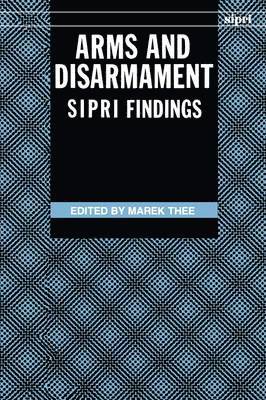
Arms and Disarmament: SIPRI Findings
Av Stockholm International Peace Research, Marek Thee
Häftad, 1987
1096 kr
Lägg i varukorg
Since World War II, technological arms competition has increasingly militarized international political relations. The reversal of this by arms control and disarmament agreements is largely dependent on the provision of well researched information about what is happening the world military sector …
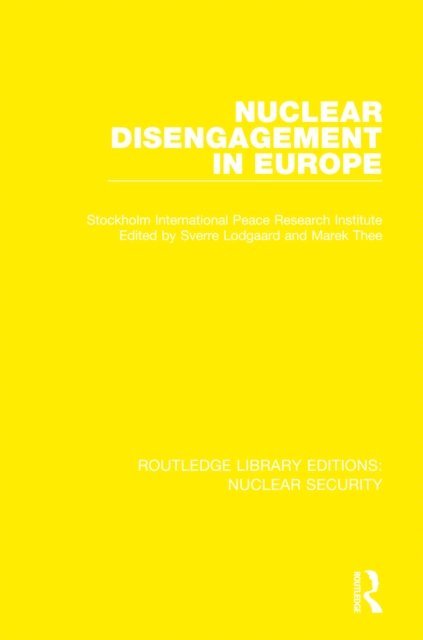
Nuclear Disengagement in Europe
Av Stockholm International Peace Research Institute, Sverre Lodgaard m. fl.
Inbunden, 2020
1827 kr
Lägg i varukorg
In the early 1980s there had been an upsurge of public concern over the nuclear threat to Europe. Already saturated with nuclear weapons, Europe faced controversial new deployments and there was alarm over military strategies for nuclear war in the region. It is in this context that the idea of …
Nuclear Disengagement in Europe
Av Stockholm International Peace Research Institute, Sverre Lodgaard m. fl.
Häftad, 2022
546 kr
Lägg i varukorg
In the early 1980s there had been an upsurge of public concern over the nuclear threat to Europe. Already saturated with nuclear weapons, Europe faced controversial new deployments and there was alarm over military strategies for nuclear war in the region. It is in this context that the idea of …
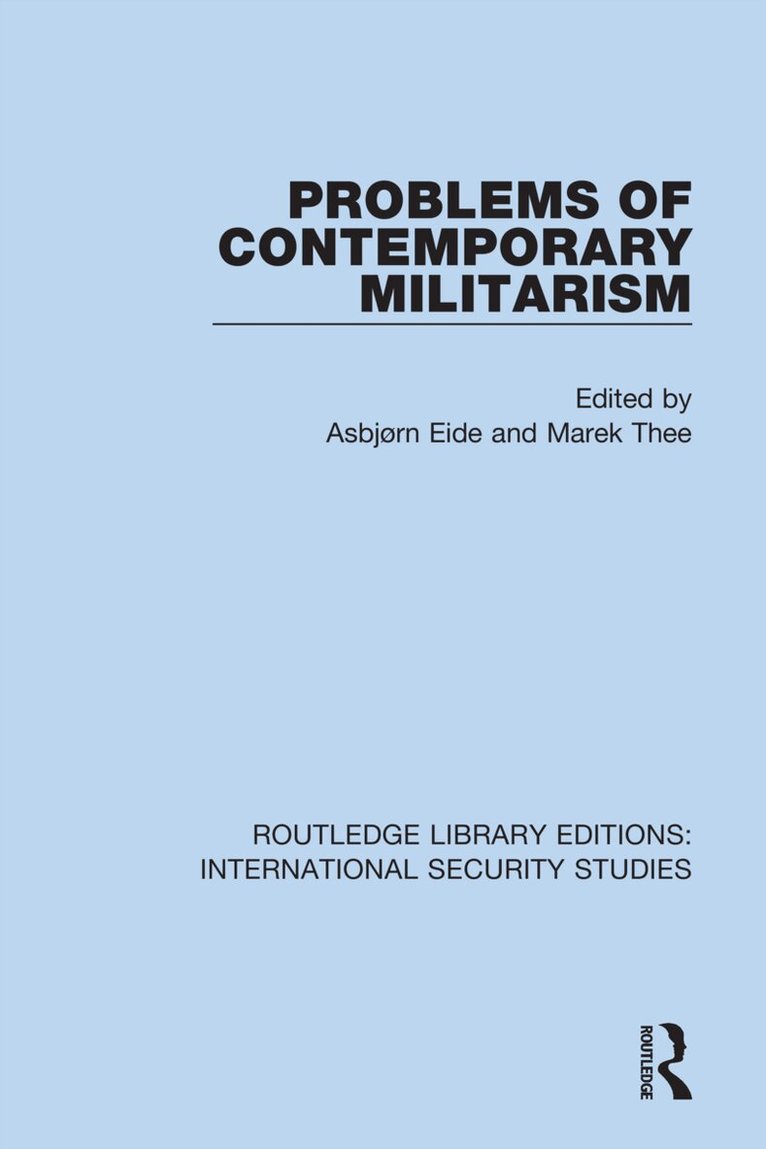
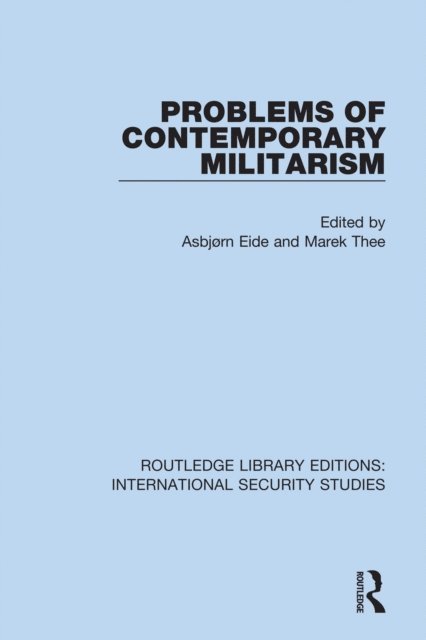
Problems of Contemporary Militarism
Inbunden, 2021
2586 kr
Lägg i varukorg
This book, first published in 1980, presents a comprehensive and detailed look at the problem of international militarisation. It examines the key issues, the meaning of the problem, the international context and the spread of militarism to the Third World, its fast growth and dangerous …
Problems of Contemporary Militarism
Häftad, 2022
562 kr
Lägg i varukorg
This book, first published in 1980, presents a comprehensive and detailed look at the problem of international militarisation. It examines the key issues, the meaning of the problem, the international context and the spread of militarism to the Third World, its fast growth and dangerous …
Nuclear Disengagement in Europe
Av Stockholm International Peace Research Institute, Marek Thee m. fl.
E-bok, 2020
660 kr
Lägg i varukorg
In the early 1980s there had been an upsurge of public concern over the nuclear threat to Europe. Already saturated with nuclear weapons, Europe faced controversial new deployments and there was alarm over military strategies for nuclear war in the region. It is in this context that the idea of …
Nuclear Disengagement in Europe
Av Stockholm International Peace Research Institute, Marek Thee m. fl.
E-bok, 2020
660 kr
Lägg i varukorg
In the early 1980s there had been an upsurge of public concern over the nuclear threat to Europe. Already saturated with nuclear weapons, Europe faced controversial new deployments and there was alarm over military strategies for nuclear war in the region. It is in this context that the idea of …
Problems of Contemporary Militarism
E-bok, 2021
641 kr
Lägg i varukorg
This book, first published in 1980, presents a comprehensive and detailed look at the problem of international militarisation. It examines the key issues, the meaning of the problem, the international context and the spread of militarism to the Third World, its fast growth and dangerous …
Problems of Contemporary Militarism
E-bok, 2021
627 kr
Lägg i varukorg
This book, first published in 1980, presents a comprehensive and detailed look at the problem of international militarisation. It examines the key issues, the meaning of the problem, the international context and the spread of militarism to the Third World, its fast growth and dangerous …
Military Technology, Military Strategy and the Arms Race
Av Marek Thee
E-bok, 2025
1022 kr
Lägg i varukorg
First published in 1986, Military Technology, Military Strategy and the Arms Race argues that a principal factor contributing to the arms race is the military research and development (R and D) sector. It traces the arms race since World War II and explores the relationship between the emergence of …
Military Technology, Military Strategy and the Arms Race
Av Marek Thee
E-bok, 2025
1052 kr
Lägg i varukorg
First published in 1986, Military Technology, Military Strategy and the Arms Race argues that a principal factor contributing to the arms race is the military research and development (R and D) sector. It traces the arms race since World War II and explores the relationship between the emergence of …
Military Technology, Military Strategy and the Arms Race
Av Marek Thee
Inbunden, 2025
1521 kr
Lägg i varukorg
First published in 1986, Military Technology, Military Strategy and the Arms Race argues that a principal factor contributing to the arms race is the military research and development (R and D) sector. It traces the arms race since World War II and explores the relationship between the emergence of …
Military Technology, Military Strategy and the Arms Race
Av Marek Thee
Häftad, 2026
473 kr
Lägg i varukorg
First published in 1986, Military Technology, Military Strategy and the Arms Race argues that a principal factor contributing to the arms race is the military research and development (R and D) sector. It traces the arms race since World War II and explores the relationship between the emergence of …
Making Peace Possible
The Promise of Economic Conversion
E-bok, 2014
831 kr
Lägg i varukorg
In Making Peace Possible, the editors have presented a range of papers which focus on the theory and practice of economic conversion of military-oriented industry to civilian use. The book brings together a wealth of information from academic research and from case studies undertaken by individual …
Marek Thee: My Story
A Journey through the 20th Century
Av Marek Thee, Nils Petter Gleditsch m. fl.
Häftad, 2022
346 kr
Lägg i varukorg
Marek Thee was a Jewish Polish journalist, scholar, and activist. This book tells his life from narrowly escaping death in the Holocaust to exile in Palestine, where he became attached to the Polish consular service. On his return to Poland in 1950, he worked for the Foreign Ministry and later for …