
Loren B. Landau – författare
Visar alla böcker från författaren Loren B. Landau. Handla med fri frakt och snabb leverans.
3 produkter
3 produkter
Inbunden, Engelska, 2017
982 kr
Skickas inom 10-15 vardagar
This book draws renewed attention to migration into and within Africa, and to the socio-political consequences of these movements. In doing so, it complements vibrant scholarly and political discussions of migrant integration globally with innovative, interdisciplinary perspectives focused on migration within Africa. It sheds new light on how human mobility redefines the meaning of home, community, citizenship and belonging. The authors ask how people’s movements within the continent are forging novel forms of membership while catalysing social change within the communities and countries to which they move and which they have left behind. Original case studies from across Africa question the concepts, actors, and social trajectories dominant in the contemporary literature. Moreover, it speaks to and challenges sociological debates over the nature of migrant integration, debates largely shaped by research in the world’s wealthy regions. The text, in part or as a whole, will appeal to students and scholars of migration, development, urban and rural transformation, African studies and displacement.
E-bok
Engelska, 20171 140 kr
Läs direkt efter köp
This book draws renewed attention to migration into and within Africa, and to the socio-political consequences of these movements. In doing so, it complements vibrant scholarly and political discussions of migrant integration globally with innovative, interdisciplinary perspectives focused on migration within Africa. It sheds new light on how human mobility redefines the meaning of home, community, citizenship and belonging. The authors ask how people’s movements within the continent are forging novel forms of membership while catalysing social change within the communities and countries to which they move and which they have left behind. Original case studies from across Africa question the concepts, actors, and social trajectories dominant in the contemporary literature. Moreover, it speaks to and challenges sociological debates over the nature of migrant integration, debates largely shaped by research in the world’s wealthy regions. The text, in part or as a whole, will appeal to students and scholars of migration, development, urban and rural transformation, African studies and displacement.
Häftad, Engelska, 2018
368 kr
Skickas
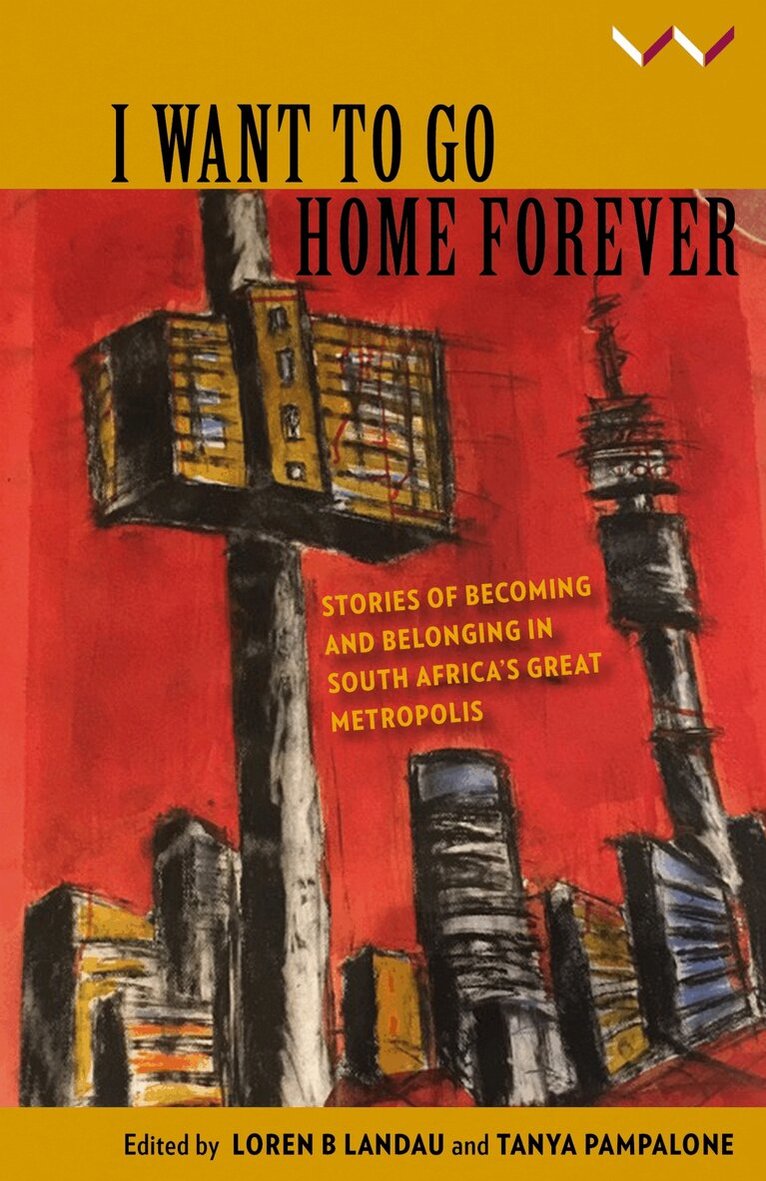
Thirteen true stories about xenophobia and belonging in JohannesburgGenerations of people from across Africa, Europe and Asia have turned metal from the depths of the earth into Africa's wealthiest, most dynamic and most diverse urban centre, a mega-city where post-apartheid South Africa is being made. Yet for newcomers as well as locals, the golden possibilities of Gauteng are tinged with dangers and difficulties. Chichi is a hairdresser from Nigeria who left for South Africa after a love affair went bad. Azam arrived from Pakistan with a modest wad of cash and a dream. Estiphanos trekked the continent escaping political persecution in Ethiopia, only to become the target of the May 2008 xenophobic attacks. Nombuyiselo is the mother of 14-year-old Simphiwe Mahori, shot dead in 2015 by a Somalian shopkeeper in Snake Park, sparking a further wave of anti-foreigner violence. After fighting white oppression for decades, Ntombi has turned her anger towards African foreigners, who, she says are taking jobs away from South Africans and fuelling crime. Papi, a freedom fighter and activist in Katlehong, now dedicates his life to teaching the youth in his community that tolerance is the only way forward. These are some of the thirteen stories that make up this collection. They are the stories of South Africans, some Gauteng-born, others from neighbouring provinces, striving to realise the promises of democracy. They are also the stories of newcomers, from neighbouring countries and from as far afield as Pakistan and Rwanda, seeking a secure future in those very promises. The narratives, collected by researchers, journalists and writers, reflect the many facets of South Africa's post-apartheid decades. Taken together they give voice to the emotions and relations emanating from a paradoxical place of outrage and hope, violence and solidarity. They speak of intersections between people and their pasts, and of how, in the making of selves and the other they are also shaping South Africa. Underlying these accounts is a nostalgia for an imagined future that can never be realised. These are stories of forever seeking a place called 'home'.