Loren Landau – författare
Visar alla böcker från författaren Loren Landau. Handla med fri frakt och snabb leverans.
8 produkter
8 produkter
Häftad, Engelska, 2011
394 kr
Skickas inom 10-15 vardagar
Building on global interest in migration development, the volume draws attention to one of the most important migration systems in sub-Saharan Africa. It reviews South Africa’s approach to international migration in the post-apartheid period from a regional development perspective, highlighting key policy issues, debates, and consequences.The authors find at least three areas where migration is resulting in important development impacts. First, by offering options to those affected by conflict and crises in a region that has limited formal disaster management and social protection systems. Second, by mitigating shortcomings and distortions in regional labour markets. Third, by providing support to struggling rural economies and ever expanding urban areas in terms of livelihoods and social capital transfers.Chapter One consists of a study of the country’s historical experience of migration and, in particular, analyses the changes in official attitudes throughout the twentieth century, indicating the roots of contemporary ideas and policy dilemmas. Chapters Two, Three, Four and Five complement this analysis of the South African State's capacity to reform and manage the South African migration situation by looking at often neglected dimensions: the first explores the question of skilled labour, a crucial question given the unbalanced structure of the South African labour market; the second examines the impact of migration on local government in South African cities and specifically implications for urban planning, service delivery, health, security, and political accountability; the third analyses the nature of undocumented migration to South Africa and the challenges it raises to both State and non-State actors; The book concludes with an examination of health as a critical issue when examining the relationship between migration and development in South Africa, in light of recent empirical data.
Häftad, Engelska, 2018
375 kr
Skickas inom 5-8 vardagar
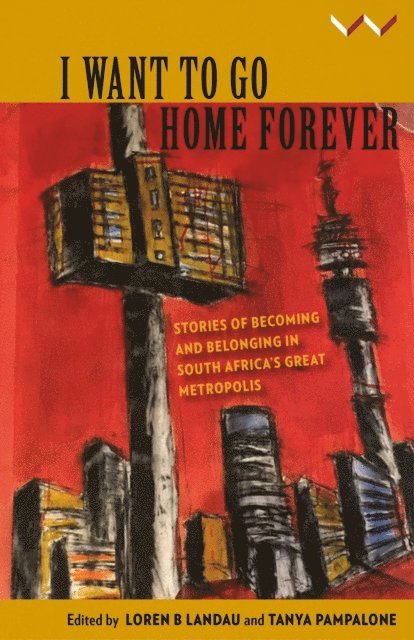
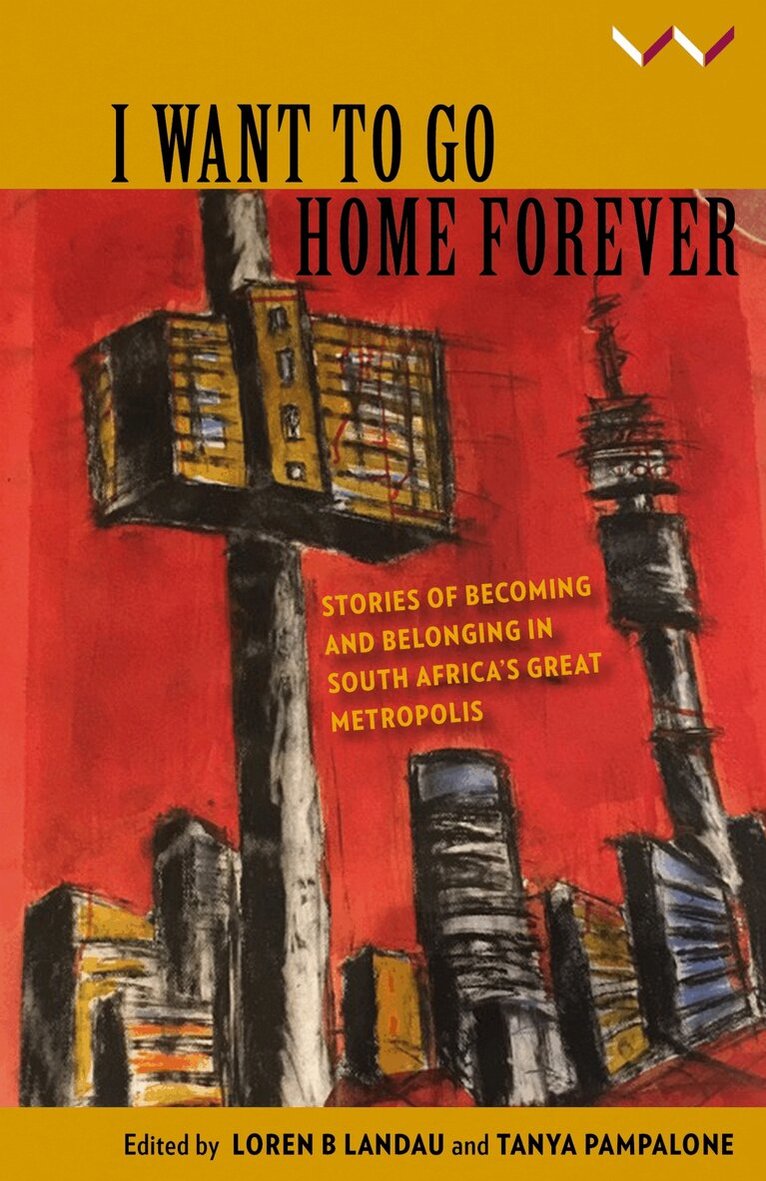
Thirteen true stories about xenophobia and belonging in JohannesburgGenerations of people from across Africa, Europe and Asia have turned metal from the depths of the earth into Africa's wealthiest, most dynamic and most diverse urban centre, a mega-city where post-apartheid South Africa is being made. Yet for newcomers as well as locals, the golden possibilities of Gauteng are tinged with dangers and difficulties. Chichi is a hairdresser from Nigeria who left for South Africa after a love affair went bad. Azam arrived from Pakistan with a modest wad of cash and a dream. Estiphanos trekked the continent escaping political persecution in Ethiopia, only to become the target of the May 2008 xenophobic attacks. Nombuyiselo is the mother of 14-year-old Simphiwe Mahori, shot dead in 2015 by a Somalian shopkeeper in Snake Park, sparking a further wave of anti-foreigner violence. After fighting white oppression for decades, Ntombi has turned her anger towards African foreigners, who, she says are taking jobs away from South Africans and fuelling crime. Papi, a freedom fighter and activist in Katlehong, now dedicates his life to teaching the youth in his community that tolerance is the only way forward. These are some of the thirteen stories that make up this collection. They are the stories of South Africans, some Gauteng-born, others from neighbouring provinces, striving to realise the promises of democracy. They are also the stories of newcomers, from neighbouring countries and from as far afield as Pakistan and Rwanda, seeking a secure future in those very promises. The narratives, collected by researchers, journalists and writers, reflect the many facets of South Africa's post-apartheid decades. Taken together they give voice to the emotions and relations emanating from a paradoxical place of outrage and hope, violence and solidarity. They speak of intersections between people and their pasts, and of how, in the making of selves and the other they are also shaping South Africa. Underlying these accounts is a nostalgia for an imagined future that can never be realised. These are stories of forever seeking a place called 'home'.
E-bok
PDF, Engelska, 2018373 kr
Läs direkt efter köp
Generations of people from across Africa, Europe and Asia have turned metal from the depths of the earth into Africa’s wealthiest, most dynamic and most diverse urban centre, a mega-city where post-apartheid South Africa is being made. Yet for newcomers as well as locals, the golden possibilities of Gauteng are tinged with dangers and difficulties. Chichi is a hairdresser from Nigeria who left for South Africa after a love affair went bad. Azam arrived from Pakistan with a modest wad of cash and a dream. Estiphanos trekked the continent escaping political persecution in Ethiopia, only to become the target of the May 2008 xenophobic attacks. Nombuyiselo is the mother of 14-year-old Simphiwe Mahori, shot dead in 2015 by a Somalian shopkeeper in Snake Park, sparking a further wave of anti-foreigner violence. After fighting white oppression for decades, Ntombi has turned her anger towards African foreigners, who, she says are taking jobs away from South Africans and fuelling crime. Papi, a freedom fighter and activist in Katlehong, now dedicates his life to teaching the youth in his community that tolerance is the only way forward. These are some of the 13 stories that make up this collection. They are the stories of South Africans, some Gauteng-born, others from neighbouring provinces, striving to realise the promises of democracy. They are also the stories of newcomers, from neighbouring countries and from as far afield as Pakistan and Rwanda, seeking a secure future in those very promises. The narratives, collected by researchers, journalists and writers, reflect the many facets of South Africa’s post-apartheid decades. Taken together they give voice to the emotions and relations emanating from a paradoxical place of outrage and hope, violence and solidarity. They speak of intersections between people and their pasts, and of how, in the making of selves and the other, they are also shaping South Africa. Underlying these accounts is a nostalgia for an imagined future that can never be realised. These are stories of forever seeking a place called ‘home’.
E-bok
Engelska, 2018373 kr
Läs direkt efter köp
Generations of people from across Africa, Europe and Asia have turned metal from the depths of the earth into Africa’s wealthiest, most dynamic and most diverse urban centre, a mega-city where post-apartheid South Africa is being made. Yet for newcomers as well as locals, the golden possibilities of Gauteng are tinged with dangers and difficulties. Chichi is a hairdresser from Nigeria who left for South Africa after a love affair went bad. Azam arrived from Pakistan with a modest wad of cash and a dream. Estiphanos trekked the continent escaping political persecution in Ethiopia, only to become the target of the May 2008 xenophobic attacks. Nombuyiselo is the mother of 14-year-old Simphiwe Mahori, shot dead in 2015 by a Somalian shopkeeper in Snake Park, sparking a further wave of anti-foreigner violence. After fighting white oppression for decades, Ntombi has turned her anger towards African foreigners, who, she says are taking jobs away from South Africans and fuelling crime. Papi, a freedom fighter and activist in Katlehong, now dedicates his life to teaching the youth in his community that tolerance is the only way forward. These are some of the 13 stories that make up this collection. They are the stories of South Africans, some Gauteng-born, others from neighbouring provinces, striving to realise the promises of democracy. They are also the stories of newcomers, from neighbouring countries and from as far afield as Pakistan and Rwanda, seeking a secure future in those very promises. The narratives, collected by researchers, journalists and writers, reflect the many facets of South Africa’s post-apartheid decades. Taken together they give voice to the emotions and relations emanating from a paradoxical place of outrage and hope, violence and solidarity. They speak of intersections between people and their pasts, and of how, in the making of selves and the other, they are also shaping South Africa. Underlying these accounts is a nostalgia for an imagined future that can never be realised. These are stories of forever seeking a place called ‘home’.
E-bok
Engelska, 2008373 kr
Läs direkt efter köp
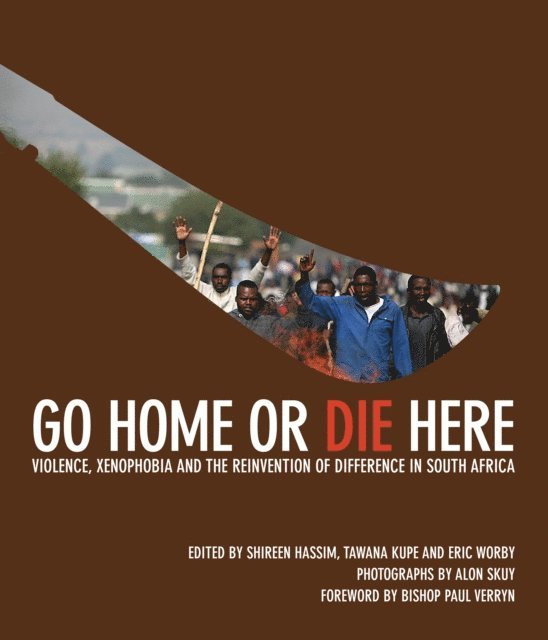
The xenophobic attacks that started in Alexandra, Johannesburg in May 2008 before quickly spreading around the country caused an outcry across the world and raised many fundamental questions: Of what profound social malaise is xenophobia – and the violence that it inspires – a symptom? Have our economic and political choices created new forms of exclusion that fuel anger and distrust? What consequences does the emergence of xenophobia hold for the idea of an equal, non-racial society as symbolised by a democratic South Africa?On 28 May 2008 the Faculty of Humanities in the University of the Witwatersrand, Johannesburg convened an urgent colloquium that focused on searching for short and long-term solutions. Nearly twenty individuals – mostly Wits academics from a variety of disciplines, but also two student leaders, a journalist and a bishop – addressed the unfolding violence in ways that were conversant with the moment, yet rooted in scholarship and ongoing research.Go Home or Die Here emanates directly from the colloquium. It hopes to make sense of the nuances and trajectories of building a democratic society out of a deeply divided and conflictual past, in the conditions of global recession, heightening inequalities and future uncertainty. The authors hoped to pose questions that would lead both to research and to more informed, reflective forms of public action. With extensive photographs by award-winning photographer Alon Skuy, who covered the violence for The Times newspaper, the volume is passionate and engaged, and aims to stimulate reflection, debate and activism among concerned members of a broad public.
E-bok
PDF, Engelska, 2008373 kr
Läs direkt efter köp
The xenophobic attacks that started in Alexandra, Johannesburg in May 2008 before quickly spreading around the country caused an outcry across the world and raised many fundamental questions: Of what profound social malaise is xenophobia – and the violence that it inspires – a symptom? Have our economic and political choices created new forms of exclusion that fuel anger and distrust? What consequences does the emergence of xenophobia hold for the idea of an equal, non-racial society as symbolised by a democratic South Africa?On 28 May 2008 the Faculty of Humanities in the University of the Witwatersrand, Johannesburg convened an urgent colloquium that focused on searching for short and long-term solutions. Nearly twenty individuals – mostly Wits academics from a variety of disciplines, but also two student leaders, a journalist and a bishop – addressed the unfolding violence in ways that were conversant with the moment, yet rooted in scholarship and ongoing research.Go Home or Die Here emanates directly from the colloquium. It hopes to make sense of the nuances and trajectories of building a democratic society out of a deeply divided and conflictual past, in the conditions of global recession, heightening inequalities and future uncertainty. The authors hoped to pose questions that would lead both to research and to more informed, reflective forms of public action. With extensive photographs by award-winning photographer Alon Skuy, who covered the violence for The Times newspaper, the volume is passionate and engaged, and aims to stimulate reflection, debate and activism among concerned members of a broad public.
E-bok
PDF, Engelska, 2010542 kr
Läs direkt efter köp
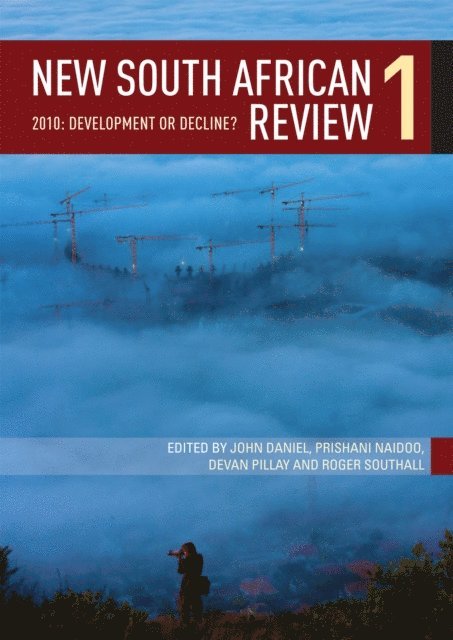
The New South African Review revives the tradition of critical, analytical scholarship developed by the South African Review in the 1970s and 1980s. Accessible to a wide readership and drawing upon authors from well beyond academia, its objective is to be informative, discursive and, at times, downright provocative. It seeks to provide contemporary comment and engage with current controversies. The first volume in the series, 2010: Development or Decline? ranges widely across the implications of the international crisis for the economy, the threats to our fragile ecology of present economic strategies, through to the state of the ANC and the public service, issues around service delivery, migration, HIV-Aids, land reform, crime, the sexual behaviour of our youth, and much more. Posing the provocative question of whether South Africa is embarking upon a long-term decline, the volume simultaneously argues the potential for a society premised upon social equality, social coherence and sustainability. This collection will appeal to both national and international audiences interested in engaging with the multiple dilemmas and challenges facing contemporary South Africa
E-bok
Engelska, 2010537 kr
Läs direkt efter köp
The New South African Review revives the tradition of critical, analytical scholarship developed by the South African Review in the 1970s and 1980s. Accessible to a wide readership and drawing upon authors from well beyond academia, its objective is to be informative, discursive and, at times, downright provocative. It seeks to provide contemporary comment and engage with current controversies. The first volume in the series, 2010: Development or Decline? ranges widely across the implications of the international crisis for the economy, the threats to our fragile ecology of present economic strategies, through to the state of the ANC and the public service, issues around service delivery, migration, HIV-Aids, land reform, crime, the sexual behaviour of our youth, and much more. Posing the provocative question of whether South Africa is embarking upon a long-term decline, the volume simultaneously argues the potential for a society premised upon social equality, social coherence and sustainability. This collection will appeal to both national and international audiences interested in engaging with the multiple dilemmas and challenges facing contemporary South Africa